
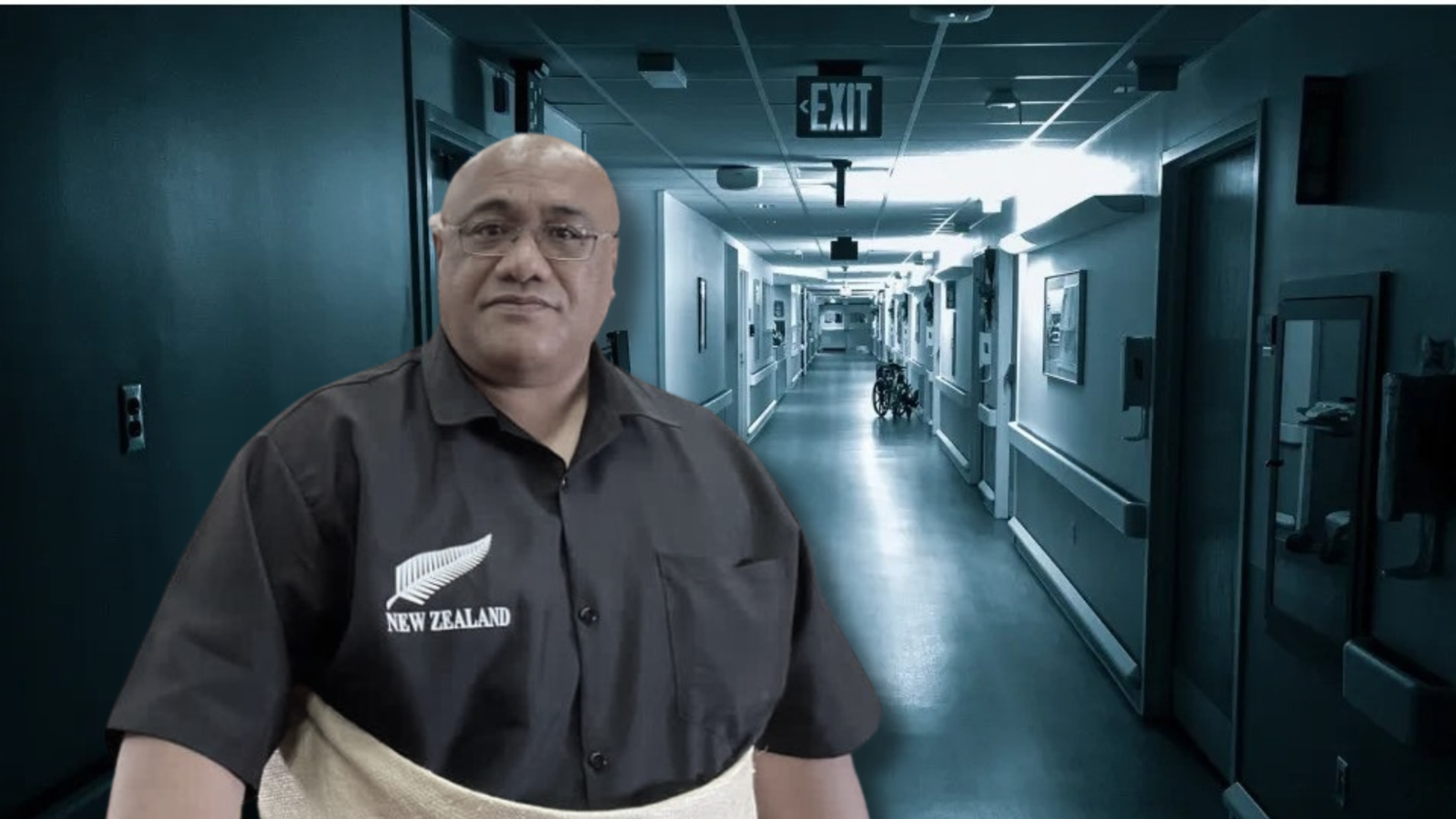
Maps Eliesa, the facilitator of Ara P-TECH, says AI is here and we must get up to speed on how it works.
Photo/Unsplash
Technology
'AI still needs us’: Pacific tech leader pushes urgent digital skills for the youth
A Pacific P-TECH facilitator says young people need stronger digital and AI skills to keep up with fast-changing tech and warns Pacific learners risk being left behind without proper support.

Aui'a Vaimaila Leatinu'u
Published
04 June 2026, 2:27pm
Share
Copy Link
Artificial Intelligence or AI is moving fast and a Pacific technology educator says young people need to understand it now, not later.
Mapa Eliesa, who works with Ara P-TECH, says the rise of AI is changing what it means to be “tech ready” in Aotearoa, especially for Pacific youth who are still under-represented in the industry.
Speaking with John Pulu on PMN Tonga, Eliesa said the focus is no longer just basic digital skills but how young people think about and use AI in their daily lives.
She recently ran workshops with students in South Auckland, introducing them to the basics of AI and how it works in practice.
“What I was [saying] to them was ‘AI needs us because of human intelligence, but at the moment, we're using AI more than AI needs us’,” she says.
“So it's trying to find that balance and understanding of AI. The reason why I speak more on AI is because with the tech world, it's getting that way where everything will be AI-generated.”
Watch Mapa Eliesa’s full interview below.
Operating under the Ara Jobs and Skills Hub at the Auckland Airport, the initiative pivots its curriculum away from generic practices.
Eliesa focuses training on preparing South Auckland youth to ethically handle an automated landscape.
This shift counters a stark demographic gap highlighted in the report Digital Skills for Tomorrow, Today, by NZTech, which notes that Pacific representation in the technology workforce sits at only 4.4 per cent.

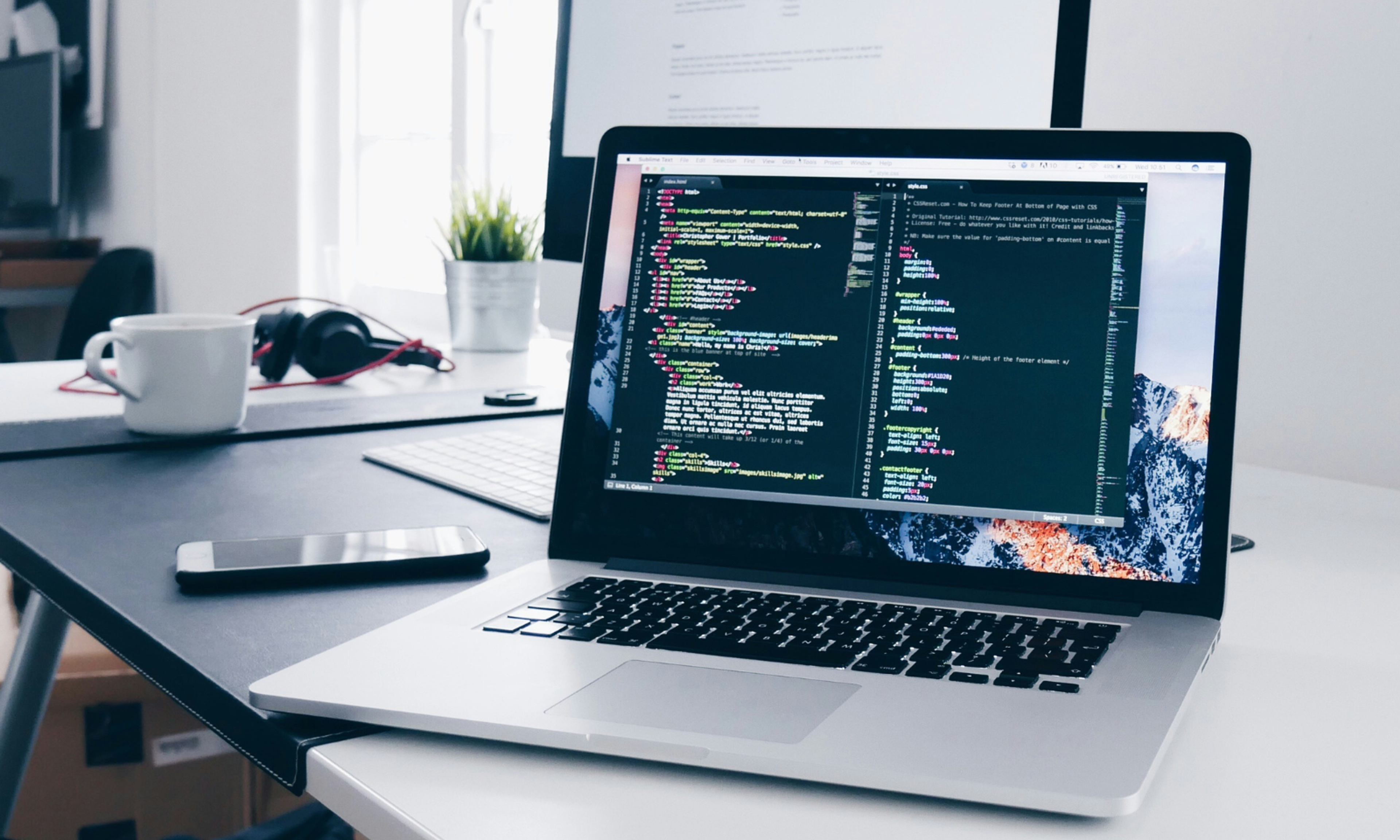
Pacific people represent just over four per cent of the New Zealand tech industry. Photo/Unsplash
Recalling the AI workshop she held, Eliesa observed that while their students frequently use AI, their structured knowledge of automated systems remains limited.
Another aspect she points out is how the internet lacks filters to keep youth safe.
“So for our young people, it's teaching them how to use it wisely or ethically and be able to notice what is a scam, what is fraud, what is AI or how they can make sure that they don't get hacked.”
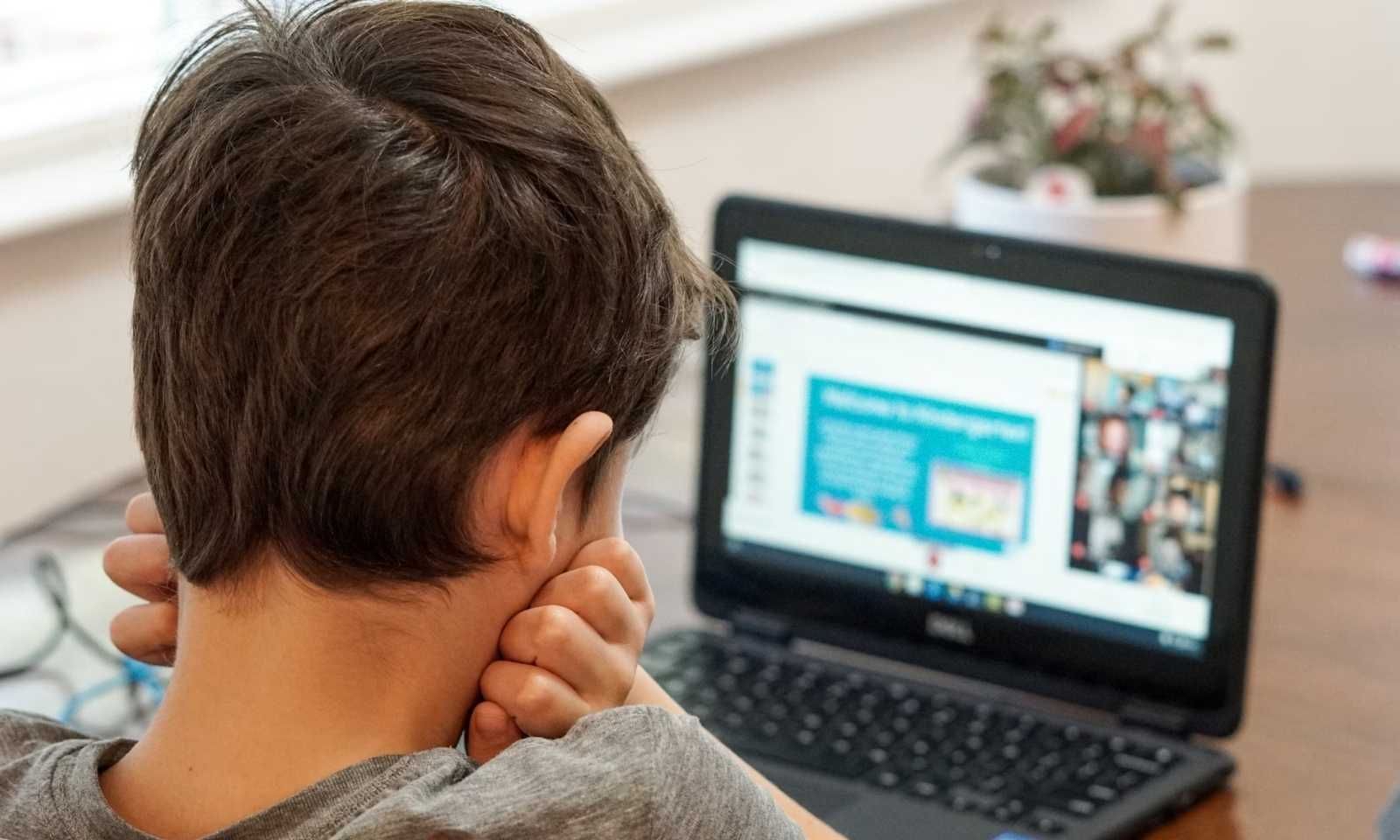
Mapa Eliesa says teaching youth how to navigate the internet and artificial intelligence is vital. Photo/Unsplash
A recent survey found that 87 per cent of Pacific people were worried about young children accessing inappropriate content, with 83 per cent concerned about security of personal data, followed by 74 per cent concerned about misinformation.
This year, Eliesa is rolling out specialised Pasifika Tech Groups within the programme. These groups bring Pacific industry leaders into classrooms as guest speakers to share experiences and instill cultural confidence.
She says that the initiative teaches youth never to compromise who they are as Pacific people or lose their identity when entering corporate technical environments.
Further disparity findings in the NZTech report reinforce the necessity for these cultural guardrails.

Eighty-seven per cent of Pacific people are worried about young children accessing inappropriate content. Photo/Unsplash
They found 60 per cent of surveyed technology firms employ no Pacific people, and that Pacific learners remain the least likely demographic to have internet access at home.
To address these gaps, industry mentors emphasise that representation is vital because Pacific youth are natural innovators who bring unique perspectives to the corporate table.
The P-TECH blueprint operates as a collaborative three-way public education partnership linking secondary schools, tertiary institutes, and corporate employers.
The free five-year pipeline blends secondary school NCEA qualifications with New Zealand diploma industry standards.
The structure pairs students with paid summer corporate internships and provides graduates with first-in-line job consideration rights.
IBM established the global model in 2011 before launching a New Zealand pilot in 2019 at Aorere College and Manurewa High School alongside founding partners Manukau Institute of Technology and The Warehouse Group.
By 2022, the programme had 250 students across six high schools, including Māngere College, Onehunga College, Tāmaki College, and Southern Cross Campus.
This expansion, backed by providers like Media Design School and major employers including Spark, ANZ, and Vodafone, set the foundation for the current airport hub deployment.
Eliesa says the Ara Jobs and Skills Hub website is actively calling for Pacific IT professionals to step forward and support the next generation.
She adds the goal now is simple: make sure Pacific young people are not just using technology, but understanding it, shaping it, and leading in it.
For more information, click here.