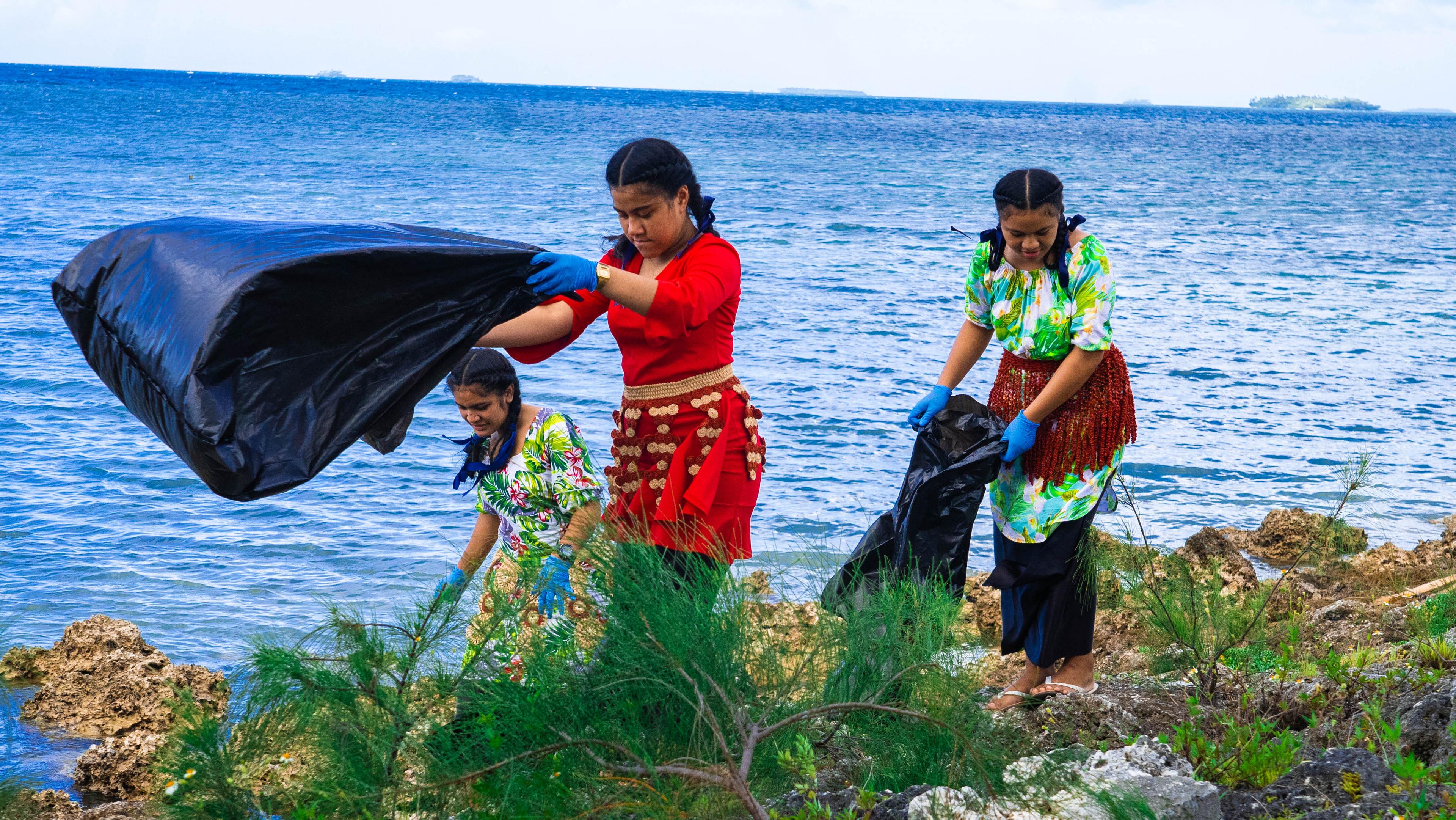
Tonga community partnership wins global environmental award
Khalia StrongFri, 09 Oct

Mapu Maia CEO Tuala Pesio Ah Honi welcomes the addition of gambling harm to the Government's mental health strategy.
Photo/Composite
Pasifika are up to four times more likely to experience gambling harm, with concerns the shift to online gambling could put more youth at risk.


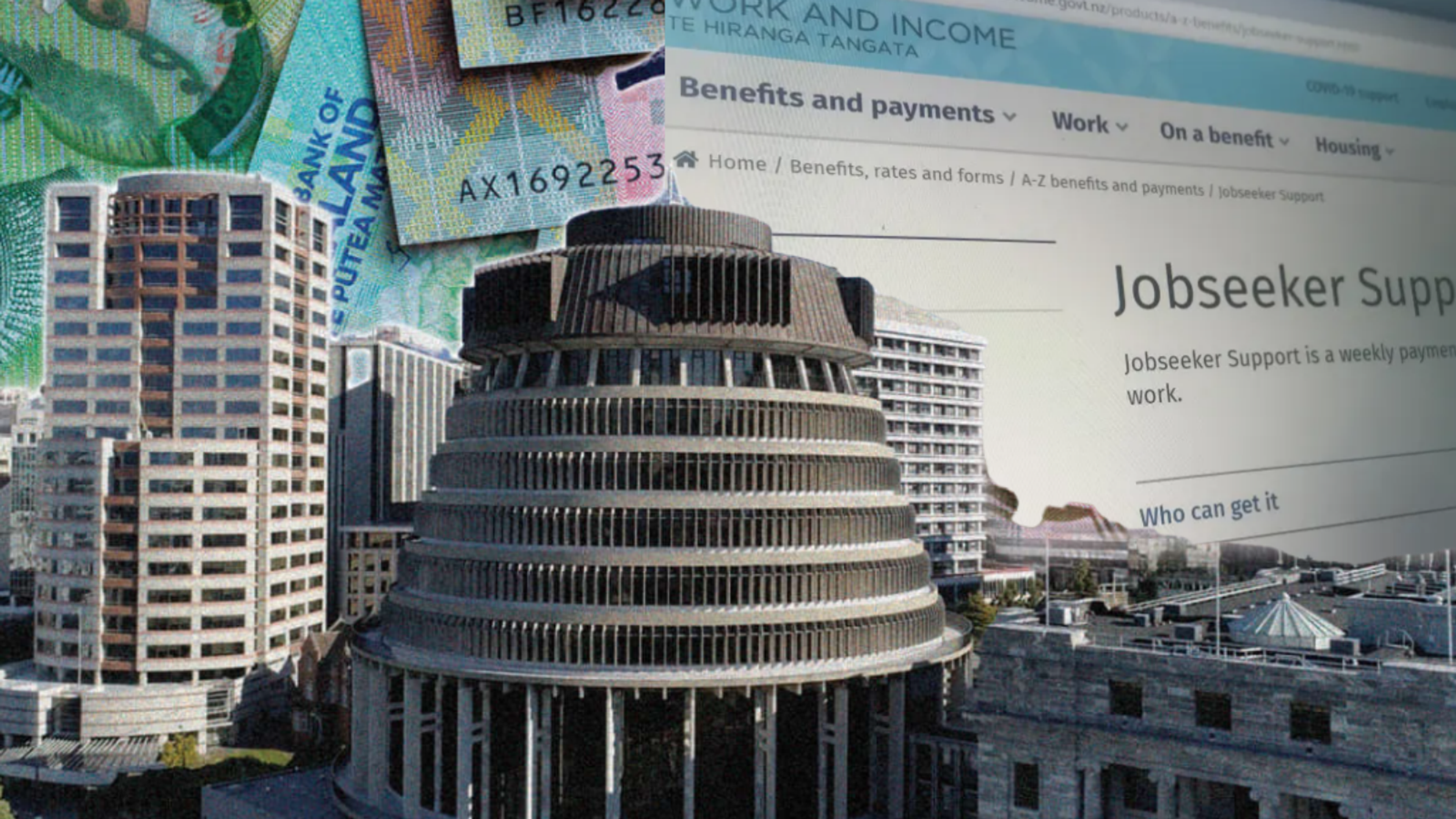

A new Government mental health strategy has put gambling harm on the agenda but Pacific providers say more needs to be done to meet the needs of communities already carrying a heavier burden.
Pacific people are up to four times more likely to experience gambling harm than the wider population, according to Mapu Maia, the country’s only Pacific gambling harm provider.
Tuala Pesio-Ahoni, Mapu Maia’s Chief Executive, says gambling harm does not stop with the person gambling.
It can spread through families, finances and mental health, Tuala tells William Terite on Pacific Mornings.
“We are significantly impacted by mental health and also in terms of social harm around our whānau, our families, around financials, there’s a rippling effect,” she says.
“These nuances are particularly crucial when we're addressing gambling harm and mental well-being within Pasifika.”
Watch Tuala Pesio Ah Honi's full interview below.
The Government’s new Mental Health and Wellbeing Strategy recognises the cultural, language and access barriers faced by Pacific peoples with specific measures to reduce these gaps to be developed through its three-year implementation plan.
But Tuala says culturally appropriate support must be backed by enough Pacific workers to deliver it.
A 2024 Pacific Islands Families study found 13.2 per cent of 22-year-olds in the cohort were gambling at risky levels.

Pacific communities are disproportionately impacted by gambling harm. Photo/Unsplash
The study also found that those gambling on casino gaming machines spent an average of more than $55 a month.
Tuala says gambling harm is increasingly linked to depression, anxiety and suicidal thoughts, with more young people presenting with gambling and gaming-related harm.
She is particularly concerned about the impact of online gambling with 15 licences expected to be added next year.
“We do a lot of our work in youth groups, high schools and even with primary school-aged children,” she says.
“We know that gambling harm online is going to spike, we’re going to see an increase in advertising with these online casinos and marketing in our environment, particularly online and in social media.”
Tuala says Pacific communities need to be part of the response but there are not enough Pasifika workers to meet demand.
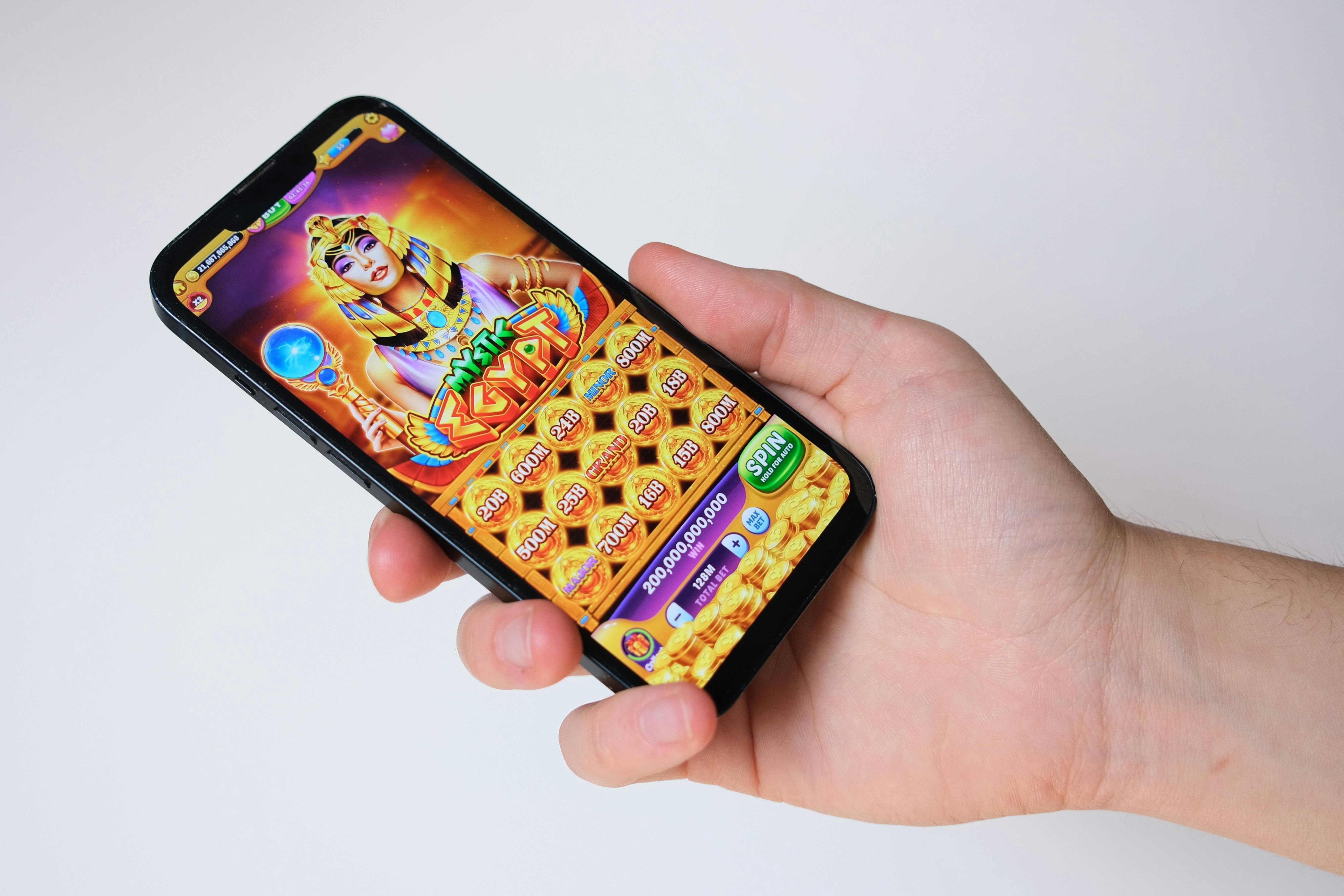
There are fears an increase in online gambling licenses will exacerbate gambling harm. Photo/Unsplash
“We have intentionally tried to talk to the government about internships, helping people into study, helping people stay in study and into some certain key areas and roles like counsellors, youth workers, peer support workers,” she says.
“It's not just health. It's also the Ministry of Justice, the Ministry of Social Development. Mental health, gambling harm, addictions, they spread across all the ministries.”
The 10-year strategy includes 50 actions: easier access to mental health services, joined-up support for housing and employment, and a youth mental health and addiction roadmap.
In a statement, Mental Health Minister Matt Doocey says nearly 23 per cent of 15 to 24-year-olds report high or very high psychological distress.
“We will work with young people to develop a roadmap that ensures their voices are heard and that support is designed around their needs and what works best for them,” Doocey said.

DIA figures show New Zealanders spent almost $2.8 billion in 2023/2024 on Lotto, TAP, gaming machines and casinos. Photo/Unsplash
Mental Health Foundation Chief Executive Shaun Robinson has welcomed the strategy but says funding will be key.
“A plan alone won't improve people's lives,” he says in a statement. “The challenge now is ensuring it is backed by the investment, accountability and urgency needed to deliver meaningful improvements for people, families and whānau, especially young people who cannot afford to wait years for change.”
The strategy recognises the inequities for Pacific communities, the experts say. But the next test will be whether that recognition leads to more Pacific-led support on the ground.