
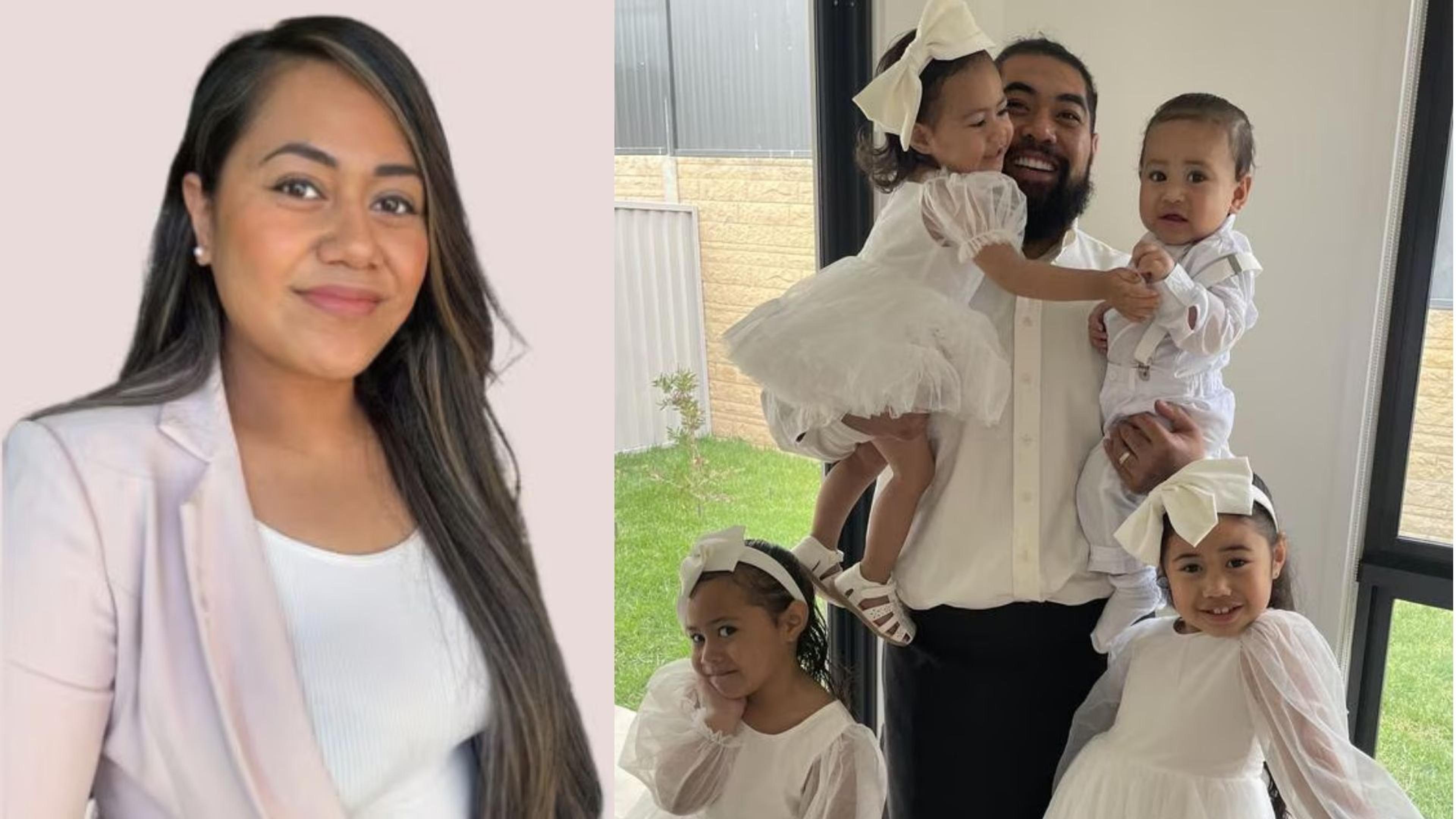
Sāmoan mum Avelima Satiu saved AU$150,000 for a home deposit by combining disciplined saving with support from her family village in Sydney.
Photo/Supplied
Business
How one Sāmoan mum turned the village into a $180,000 home deposit
Avelima Satiu says Pacific families can build financial security without giving up their culture but learning when to say no is important as learning how to save.

Christine Rovoi
Published
10 August 2026, 10:59am
Share
Copy Link
For Sāmoan mother Avelima Satiu, saving AU$150,000 (nearly NZ$180,000) for a home deposit was never just about cutting back on coffees or takeaway.
It was about making the most of something many Pacific families already have, the village.
The 35-year-old mother and her husband moved in with family as they worked towards buying their first home.
The couple used the support around them to cut costs and put more money into savings.
"It is something that I always say to leverage the village," she told PMN News senior journalist Khalia Strong.
While family helped care for her children, Satiu used the time to study, work and save.
"While my aunt was taking care of my kids, I was studying so I could do my masters. And I was working my ass off, like, I was working so that I could, you know, save that money to buy a home."
Without having to pay for childcare, more of the family's money could go towards their goal.
"That village, that leveraging of that village without, because we didn't need to pay for daycare, just meant that money that could have been going to daycare went straight to savings."

Sāmoan mum Avelima Satiu and her family used the support of their village to help save AU$150,000 for a home deposit while balancing family, work and cultural commitments. Photo/Supplied
Satiu says that kind of family support can be a powerful resource for Pacific families.
But she also knows Pacific culture can make managing money complicated.
Giving to family, church and community is deeply important to her but she says there can be pressure to keep giving even when the money is not there.
"It's very taboo. We just don't talk about money at all."
She says she has previously taken out loans to help family during cultural obligations, leaving herself in debt.
Now, she and her husband build giving into their budget, setting aside 10 per cent of their emergency fund for family and church commitments.
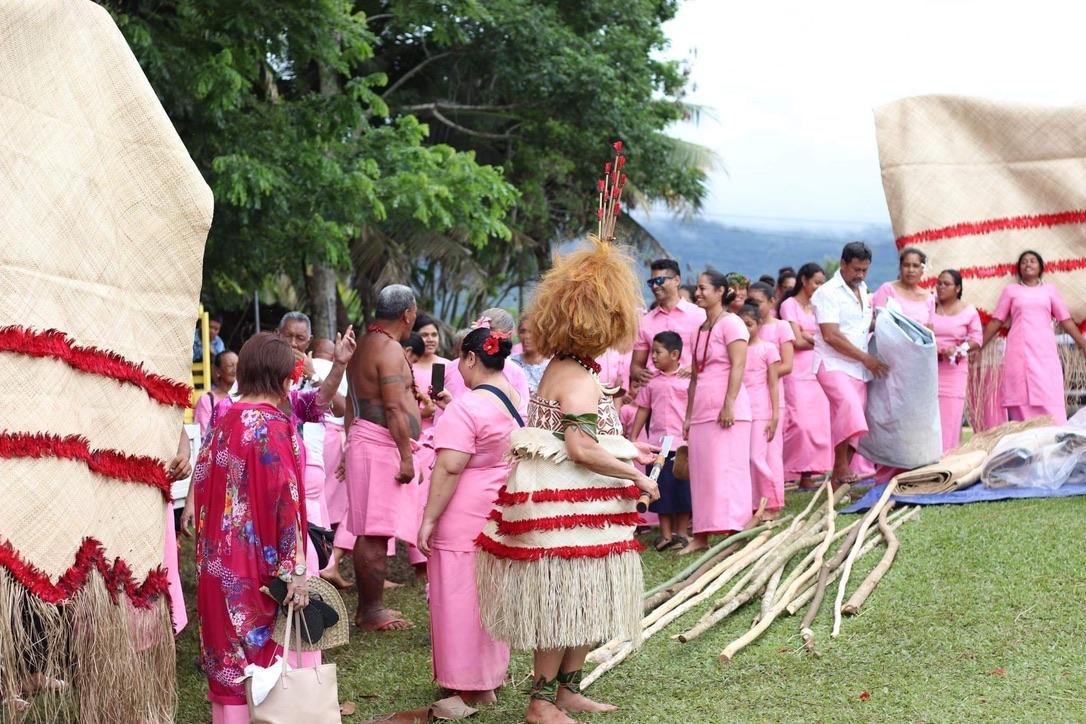
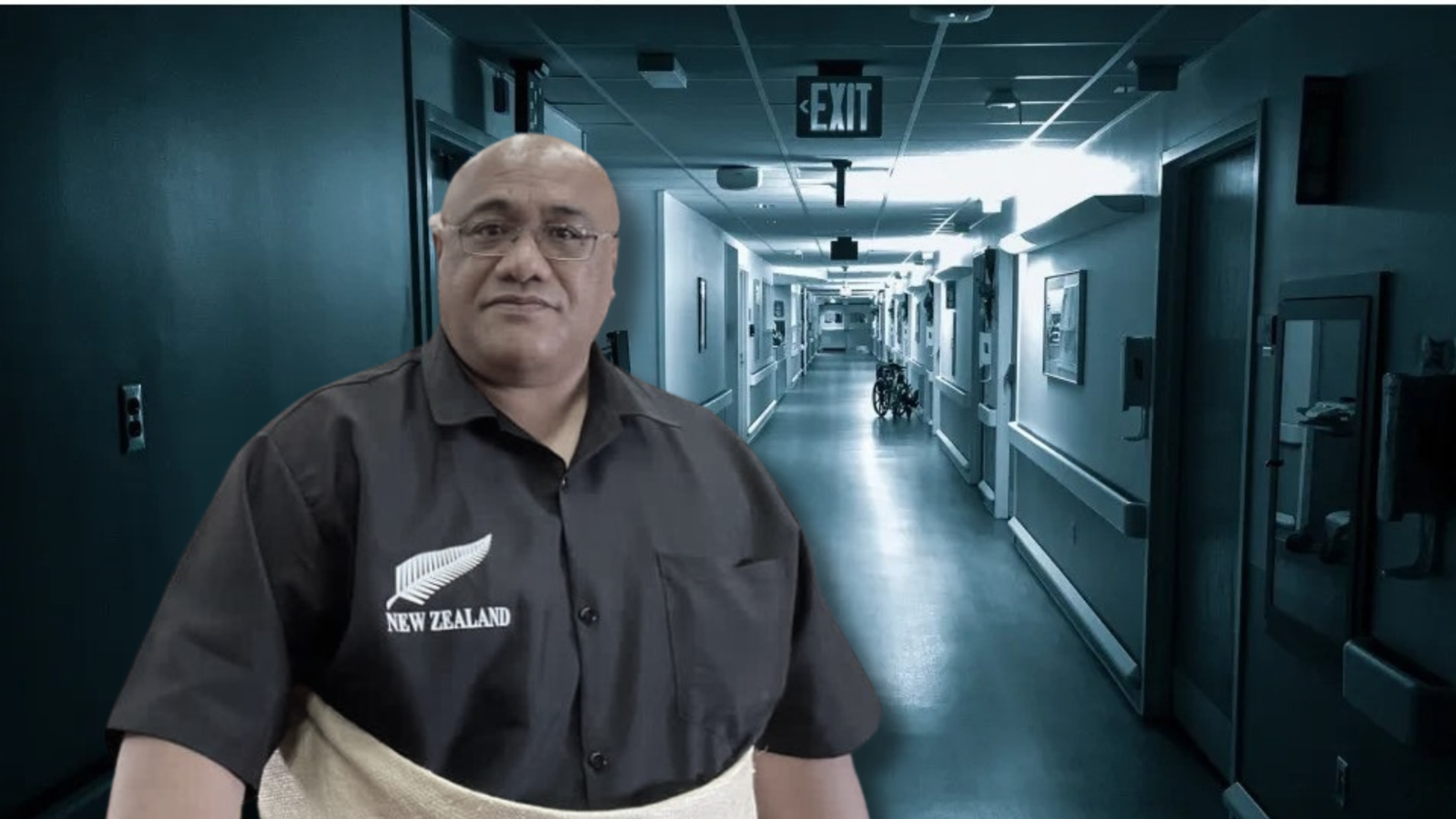
Cultural and church commitments are an important part of many Pacific families' lives but budgeting for them can help households balance giving with their own financial needs. Photo/cswr.hds.harvard.edu
"We also are very comfortable saying no. Like if the amount is ridiculous, we're like, come on, we have a family and everyone here is struggling."
Satiu's experience reflects a wider challenge for Pacific families trying to balance cultural obligations with their own financial goals.
Victoria Ongolea, a Pacific financial wellbeing advocate, says those family and community ties can be a source of strength but can also create financial pressure.
“We don't live as individuals. We live as a community. We are connected to families, friends, churches, and our village back in the islands," the PhD candidate at the University of Auckland told Strong earlier.
"With all those commitments and relationships, it can be beneficial, but sometimes it can be detrimental financially.”
Ongolea says Pacific families can recognise that not every cultural obligation has to be carried by them.

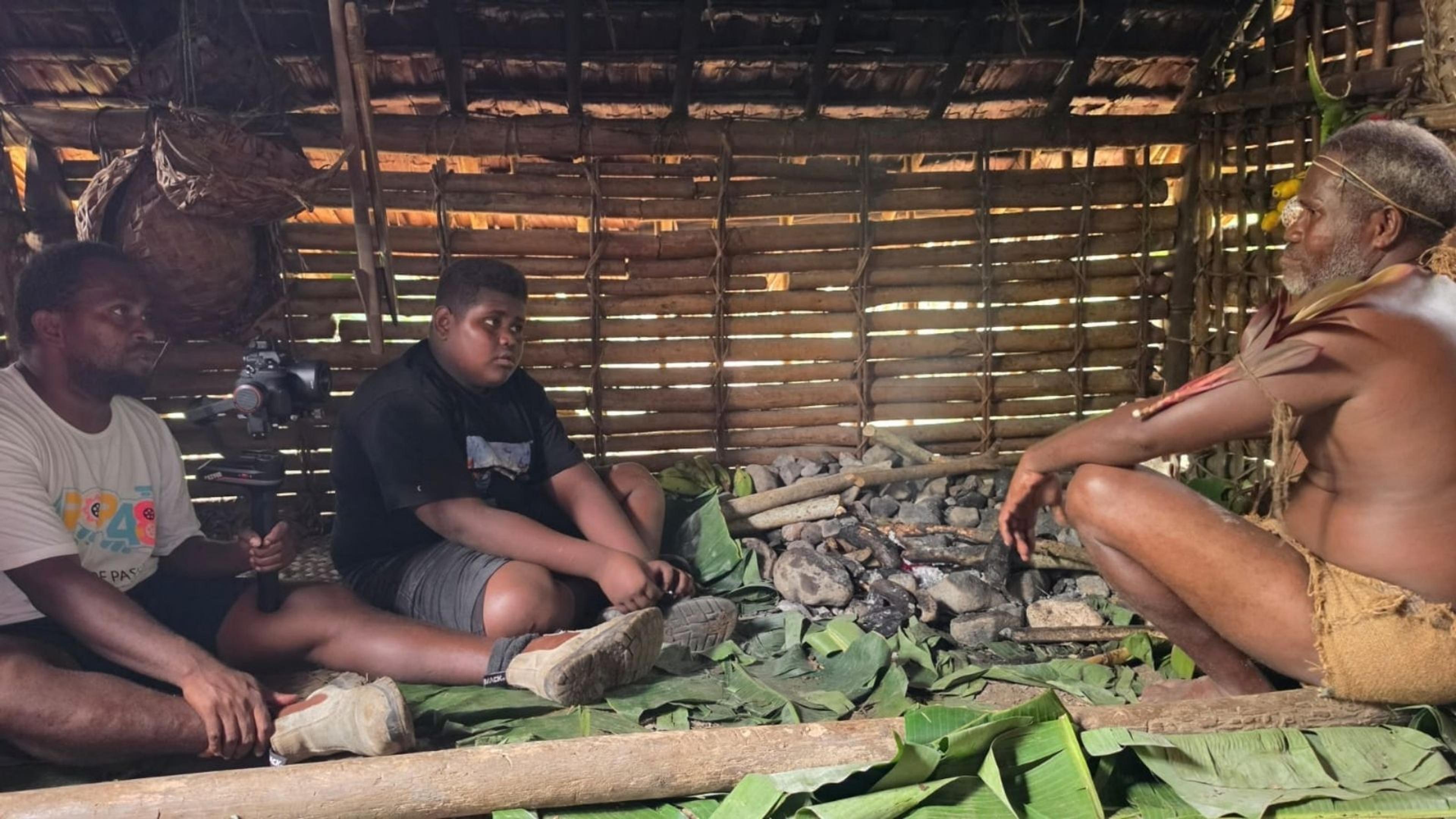
Pacific financial wellbeing advocate and University of Auckland PhD candidate, Victoria Ongolea, says family and community ties can provide strength, but can also create financial pressure. Photo/Supplied
“Not all kavenga or fatongia is for you to fua. There are kavengas that you say yes to and there are kavengas that you say no to,” Ongolea says.
Satiu says setting those boundaries has helped her family save for a home while continuing to support the people around them.
She is now completing her professional year towards becoming a licensed financial planner and shares her money journey through her social media page, Saving Through Chaos.
Her advice is practical: check bank statements, track where money is going, cook instead of buying takeaway, make lunches and think twice before using buy-now-pay-later services.
"I would also say after pay, if you don't have the cash to buy it, then it's probably not going to be in the budget."
She is also focused on changing the way her children think about money.
Watch Avelima Satiu's full interview below.
Satiu and her husband invest small amounts for their children, sometimes as little as AU$10 (NZ$11.99) a week while talking openly with them about saving, spending and the value of assets.
The bigger goal is to avoid passing financial pressure down the generations. "We don't want our kids to be our retirement plan."
For Satiu, financial security is not about walking away from Pacific culture.
Instead, she says it is about making culture work alongside the realities of life in Australia and New Zealand, where families face mortgages, bills, childcare and the rising cost of living.
Her message is simple: use the village when you have it, budget for the obligations that matter, and don't be afraid to say no when giving puts your own family's future at risk.