
Tonga community partnership wins global environmental award
Khalia StrongFri, 09 Oct
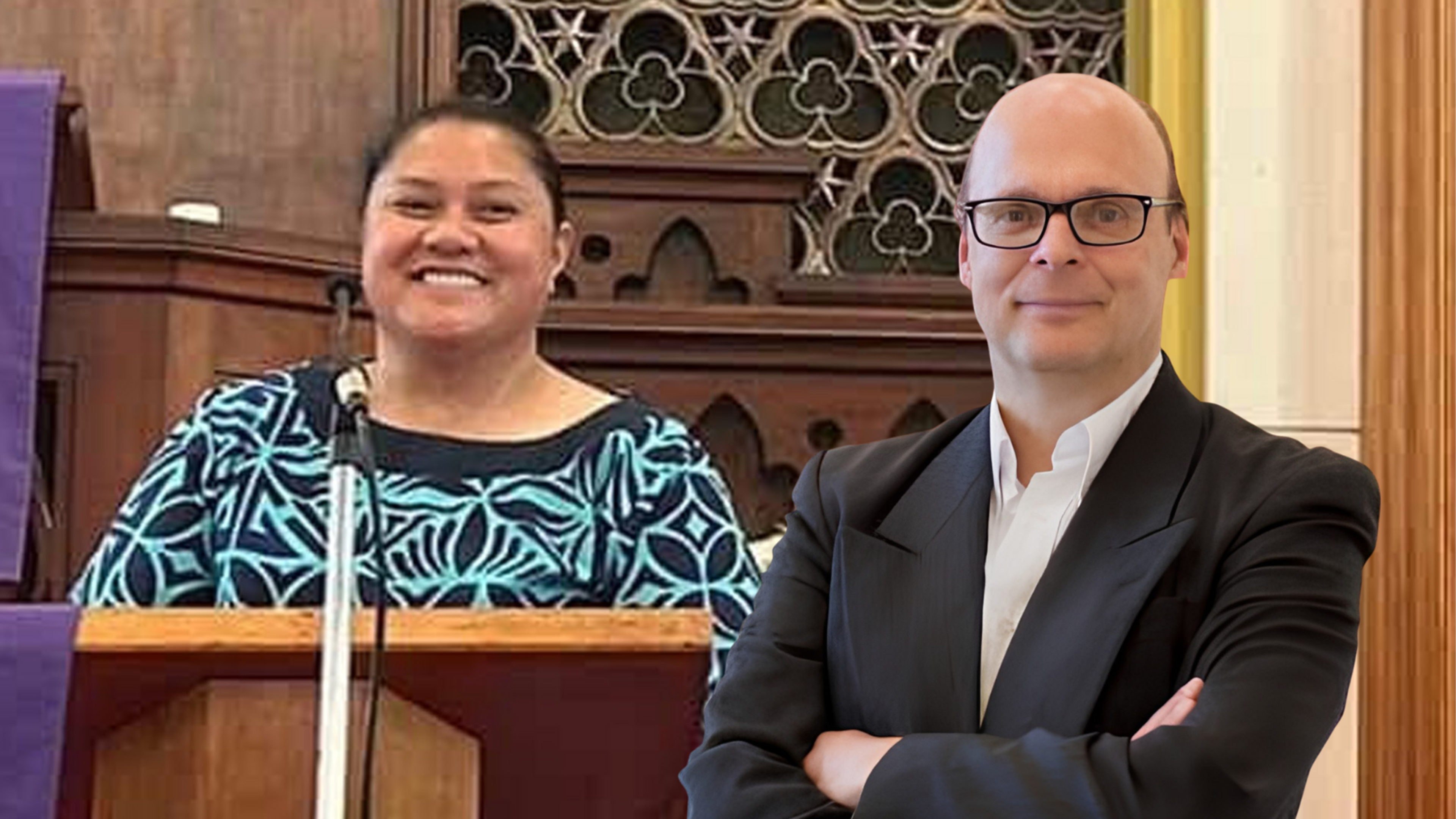
Chaplain Lagi Sitivi and AUT law professor Kris Gledhill question what impact the proposed move on orders will have for rough sleepers.
Photo/Composite/AUT/Supplied
Legal experts, business leaders and Pacific advocates are questioning whether a proposed law will improve safety or end up targeting rough sleepers.



A proposed law giving police wider powers to move on people in public spaces is facing growing scrutiny, with Pacific advocates and legal experts warning it could punish poverty instead of solving it.
The Summary Offences (Move-on Orders) Amendment Bill passed its first reading in May and would allow police to move on people begging, sleeping rough or blocking shop entrances.
Public submissions close on 2 July. But critics say the law raises more questions than answers about who it will target and whether it is needed at all.
Kris Gledhill, a law professor at Auckland University of Technology, says existing laws already give police powers to deal with disorderly behaviour in public spaces.
Writing in The Conversation, Gledhill also points to inconsistencies in the bill, including exemptions for charity fundraising and political campaigning while still capturing some forms of begging.
That means a person sitting outside a shop asking for money could be moved on, while someone in the same spot collecting donations or handing out political flyers may not be.
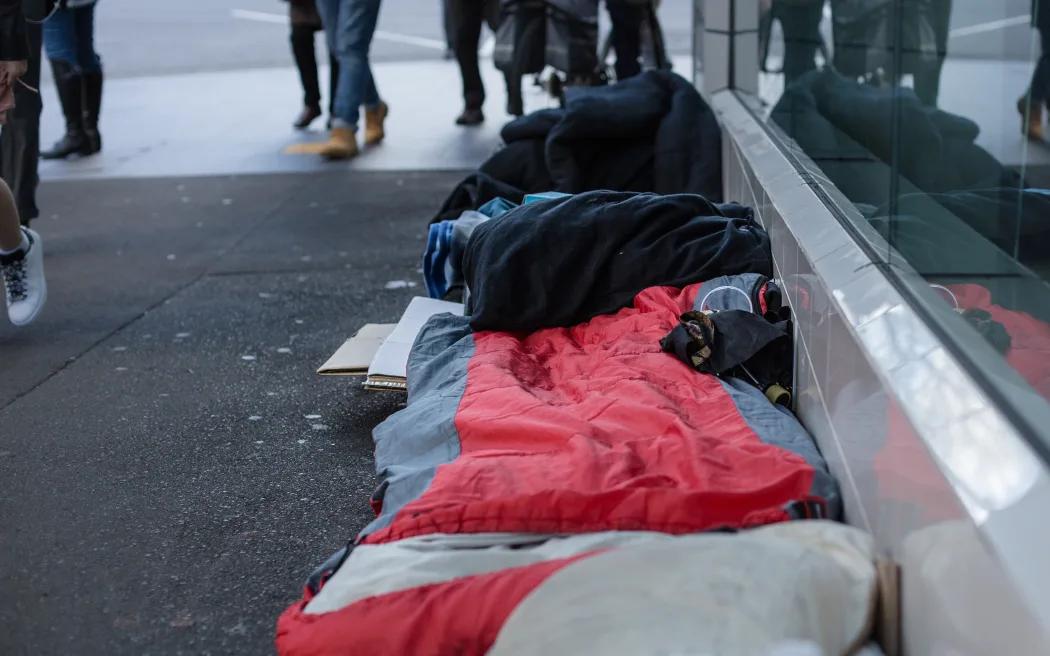
General vision of homelessness in Auckland central city. Photo/RNZ/Luke McPake
“The question is whether this is genuinely about filling a gap in the law, or whether it is simply playing politics at the expense of some of society’s most marginalised people,” Gledhill writes.
The bill follows a survey of central Auckland businesses in October 2025, which found 91 per cent said rough sleeping and begging were affecting operations.
Heart of the City chief executive Viv Beck told RNZ that while housing and mental health support are essential, there also needs to be action on behaviour affecting public spaces.
“There are people trying to trade in this area,” Beck had said. “Some of them are large employers with large numbers of staff who need to be safe … there’s millions of dollars being spent on private security.”
But even business groups pushing for change say enforcement alone will not fix the issue.
In an open letter to Prime Minister Christopher Luxon, Karangahape Road Business Association chair Jamey Holloway said the group wanted coordinated housing and specialist services, not just new police powers.
“These move-on orders are no substitute for real solutions and they’re off-brand in a nation that values liberty and care,” the letter stated.
For Pacific communities and frontline advocates, the concern is not just legal but it is deeply human.
Lagi Sitivi, a Sāmoan chaplain who works with Auckland’s homeless community, says the bill does not deal with the causes of homelessness.
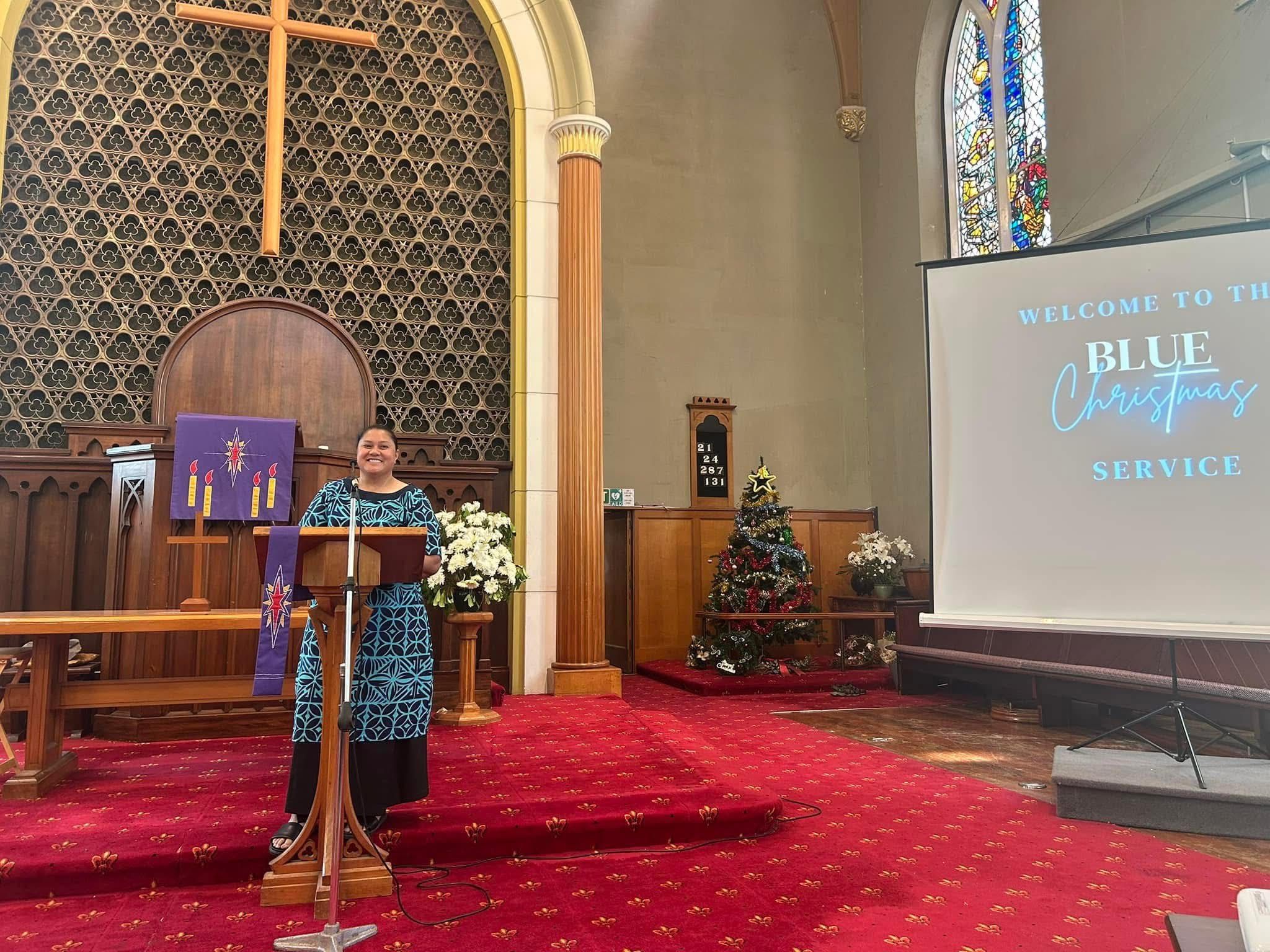
Lagi Sitivi is a Pacific chaplain in the community who regularly supports people who are homeless. Photo/Supplied
“To be blunt, it’s a waste of time, resources and money,” she tells PMN News. “It’s time that could be better spent in putting in better ideas for our whānau, rather than just treating homelessness like it’s a crime and moving them on.”
Stats NZ figures show Pacific people in New Zealand are disproportionately affected by housing stress, with almost four in 10 living in homes too small for the number of occupants - well above the national average.
Sitivi works with people facing homelessness, addiction and mental health challenges, says the issue is personal.
“That could easily be my uncle, my dad, or my brother,” she said. “My parents made the choice to migrate here… I was able to go through school and uni, but you have those that fall through the cracks.”
Sitivi is among 31 Auckland clergy and faith leaders who have signed an open letter calling for more investment in housing and support services instead of expanded enforcement powers.
Watch Paul Goldsmith's full interview below
Justice Minister Paul Goldsmith says the bill is designed to give police additional tools to address disorderly behaviour and improve safety in city centres.
With submissions closing next month, the debate now turns to whether the law fills a real gap or risks widening the distance between policy and the people most affected by it.