Language, gospel, and global sounds at 2026 Pacific Music Awards
Atutahi Potaka-DewesThu, 25 Jun
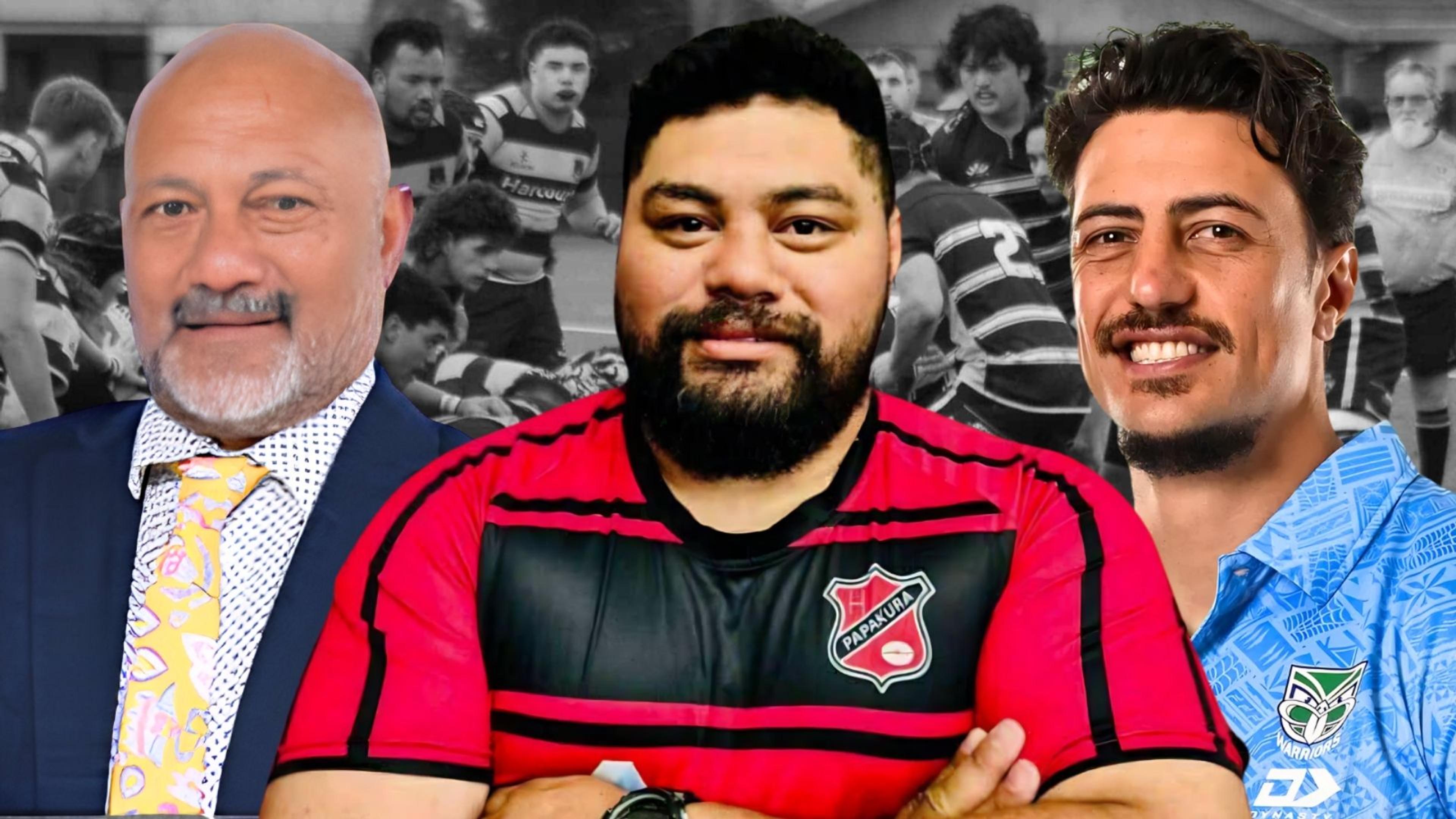
From governance to the professional game to grassroots rugby. Ken Ah Kuoi, left, Mike Tuiloma, and Anthony Gelling, right, share one message: Pacific sport is rich in talent and pride but facing growing pressure to secure its future.
Photo/Supplied/PMN Composite
Pacific leaders say sports is under pressure at every level and there is a need for stronger pathways and grassroots support.

Pacific sports is facing a defining moment. Across governance rooms, professional arenas, and muddy club fields, leaders are asking the same question: how do we keep the game strong for the next generation?
On a recent Pacific Huddle special, three very different voices: governance leader Ken Ah Kuoi, former NRL centre Anthony Gelling, and grassroots coach Mike Tuiloma - each painted a picture of a sporting landscape full of pride but also pressure.
Ah Kuoi, Chair of the Pacific Strategic Advisory Group with the Sports Integrity Commission and President of the Wellington Sāmoa Rugby Union, says the answer starts with values.
“The main thing is you've got to love the sport you're supporting and enjoy it. In leadership, you've got to be honest," he said. "So it's love, honesty, and being patient and resilient.”
That foundation, Ah Kuoi says, is critical if Pacific athletes and families are to feel safe and supported in sport. But he also warned that integrity is not just about rules, it is about fairness and belonging.
“Make sure that you understand the sports you're in… and that you are treated well,” he told Tuilagi. “We still hear people… we've been discriminated and picked on… not picked because you're Pacific or because you're brown.”
Watch Ken Ah Koui's full interview on Pacific Huddle below.
Ah Kuoi says representation in decision-making is just as important as participation on the field. And he believes Pacific people must be “at the table” if real change is going to happen.
“If you're not around or on the table, you're on the menu.”
That message of ownership and visibility echoed across the wider conversation especially when the talk shifted to professional rugby and the future of Pacific teams like Moana Pasifika.
Ken Ah Kuoi says Pacific representation in sport must go beyond the field, insisting that communities need to be “at the table” in decision-making to ensure fairness and inclusion. Photo/Oxfam
While careful not to speak for his organisation, Ah Kuoi said privately, he felt Pacific teams needed stronger backing and clearer direction if they were to survive and thrive in the long term.
Across to the professional game, former New Zealand Warriors and Wigan centre Anthony Gelling offered a player’s-eye view of how Pacific identity is shaping modern rugby league.
For Gelling, the contrast between competitions like the NRL and Super League was clear from the start.
“Straight off the top of my head was the level of consistent quality in the NRL,” he told Tuilagi. “Every single player is big, fast, strong, hungry for it.”
But beyond performance, Gelling believes the real shift in rugby league has been its connection to Pacific communities, something he feels the game has finally begun to understand properly.
“I just feel like the people managing rugby union, they don't quite understand the Pacific. So I think they’re where the NRL do.”
Watch Anthony Gelling's full interview on Pacific Huddle below.
He argues that rugby league has succeeded by meeting Pacific people where they are, rather than expecting them to fit into traditional structures.
“The NRL have realised that most Sāmoans don't live in Sāmoa and most Tongans don't live in Tonga… they’ve met them where they’re at.”
That connection, he says, is why Pacific international fixtures and NRL influence continue to grow in popularity and emotional pull.
But while the professional game evolves, the grassroots level in places like South Auckland is under serious strain.
Mike Tuiloma, now head coach at Papakura Rugby Club, didn’t sugar-coat the reality. “It’s dying. It’s dead,” he told Tuilagi.
His concern isn’t just results, it’s survival. Clubs are struggling to field teams, volunteers are stretched, and player numbers continue to drop.
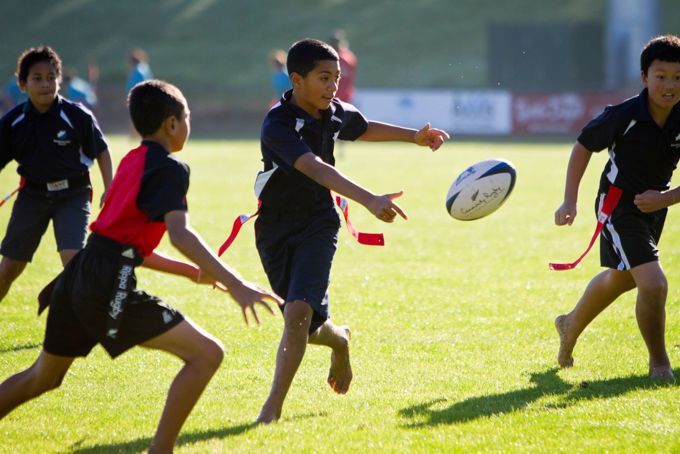
Across governance, professional rugby league, and grassroots rugby, leaders say Pacific sport is full of talent and pride but facing growing pressure at every level. Photo/Auckland Council
“We’ve made it through. It’s been tough in terms of results but… we haven’t defaulted. We fielded two teams every Saturday.”
For Tuiloma, the problem runs deeper than one club. He believes structural changes in age-grade rugby have weakened the pathway from school to club rugby, leaving fewer young players staying in the game.
"I definitely think one solution is we need to bring back age-grade rugby to the clubs...the minute they took away under 14, 15, 16, 17s back into high school, the clubs lost out.”
Now, he says, South Auckland rugby is relying on a smaller and smaller pool of players while many young athletes are choosing other sports or leaving altogether.
“There’s no doubt about it. Nowadays, it’s the professional attitude… people earning a dollar for it.”
Still, he sees a way forward but it requires collaboration, not competition between clubs.
Listen to Mike Tuiloma's full interview on Pacific Huddle below.
“If your club’s got so many players and a player’s not getting much game time… I would say, I’ll give you those coaches down there so you can get game time.”
Across all three conversations, a common thread stands out: Pacific sport is strong in talent and culture but under pressure in structure and support.
From governance tables to international stadiums, to community club fields, the message is the same: the future of the game depends on honesty, opportunity, and keeping the connection to the people who built it.