Tonga community partnership wins global environmental award
Khalia StrongFri, 09 Oct

The Survivor Experiences Service is encouraging survivors to step forward, when ready, to share their story in a safe, non-judgemental and tailored space.
Photo/Unsplash
Moeapulu Frances Tagaloa says the focus must be on safety, trust, and culturally appropriate support for those ready to speak.




Trigger warning: This story contains details of abuse in care and institutional trauma that may be distressing for some readers. Support services are available at the bottom of this article.
A Pacific advocate says survivors of abuse in care need safe, respectful spaces where they feel seen, heard, supported, and validated when they choose to share their stories.
The Survivor Experiences Service is calling people who were abused in state, faith-based, or other forms of care to come forward when they are ready, in a confidential and non-judgemental setting.
The service supports people who were in foster care, institutions, private schools, churches, and non-governmental organisations, and helps them access records and support services linked to their time in care.
Speaking with William Terite on Pacific Mornings, Moeapulu Frances Tagaloa, Board member co-chair of SES, says survivors face many barriers in taking the first step to accessing support.
“There’s often practical barriers: how do I call someone? How do I talk to someone? Also, survivors often experience shame, fear or self-blame, which makes it really difficult to talk about their experiences, or request care records,” Tagaloa says.
“Sometimes survivors worry about being believed, whether they'll be judged or face negative consequences from speaking up. Then there's the cultural and family or community expectations that can influence whether someone seeks support or not.
Listen to Moeapulu Frances Tagaloa’s full interview below.
“That's why it's important to note that the service is adamant about private information, confidentiality. It's a huge priority for us. The service is a safe, confidential, and supportive environment for survivors.”
Tagaloa is a member of the Royal Commission’s Survivor Advisory Group of Experts (SAGE) and has 20 years of experience seeking redress from the Catholic Church following abuse from a Catholic Marist Brother.
The service tailors pathways to meet the unique needs of diverse and vulnerable groups, such as survivors in prison, Māori, Pacific, Deaf, disabled, LGBTQIA+, MVPFAFF+, and Takatāpui communities.
SES provides two core streams of support available to assist survivors and whānau. The first allows individuals to share their experiences of abuse in care confidentially.
The second stream provides comprehensive support in requesting and accessing care records. Tagaloa says people who spent time in foster or faith-based care often lack exact records to know where they were, making this navigation vital for understanding their past.
“So to understand and navigate their own experiences, they'd like to understand their records and what was happening at the time.”
The service can request these records on behalf of survivors so they do not have to deal directly with organisations connected to their abuse. Short term wellbeing support is also wrapped around individuals as they journey through the service.
The history of the service traces back to July 2023 when it started in response to a recommendation by the Royal Commission of Inquiry into Abuse in Care, before officially launching in March the following year.
The historical inquiry investigated systemic harm affecting as many as 250,000 people between 1950 and 1999 across state and faith-based institutions.
The final report heard from about 3000 survivors and identified 200,000 victims, leading to 138 recommendations that called for a formal national apology.
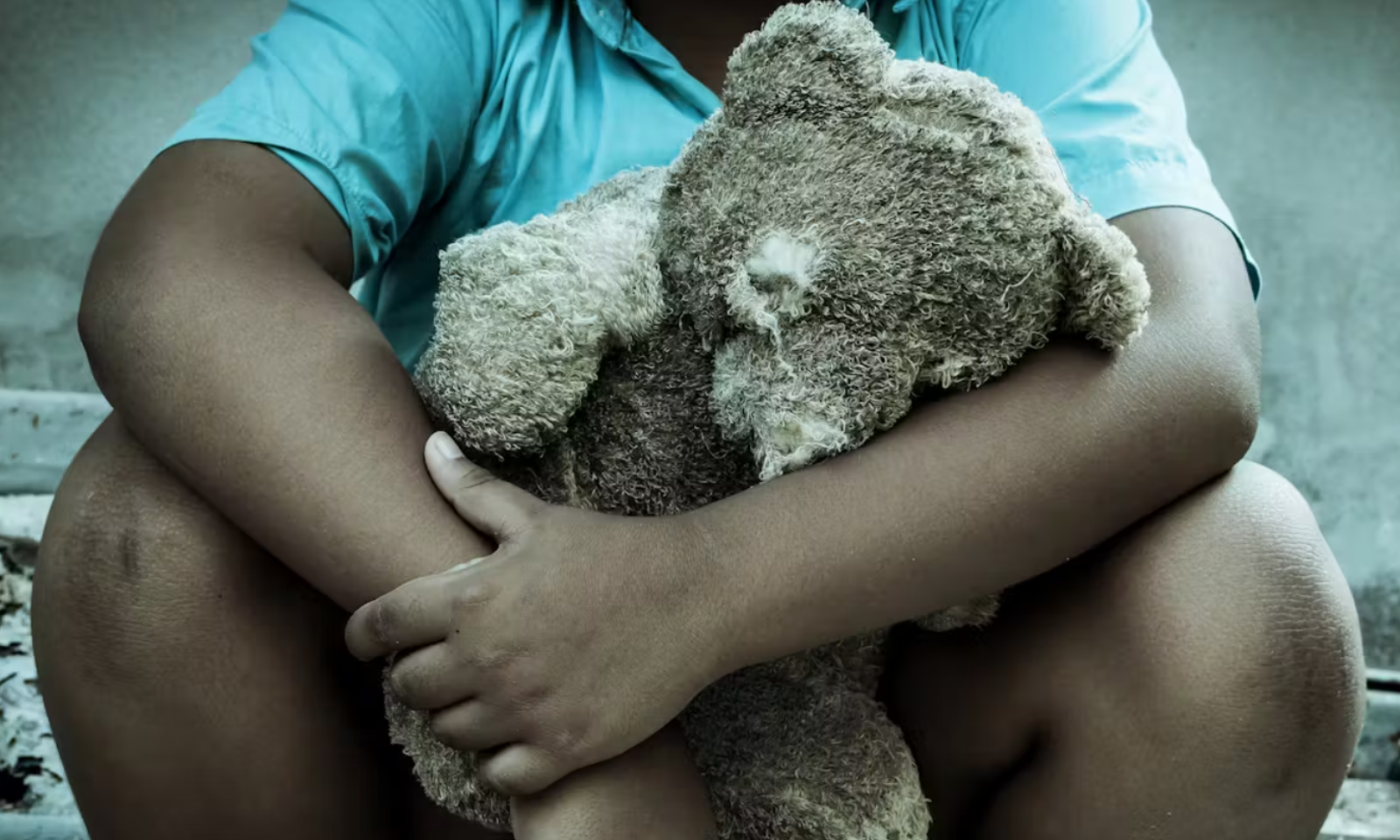
It’s estimated over 200,000 people were impacted by abuse at the hands of state care and faith-based organisations. Photo/Supplied
Pacific and Māori victims suffered disproportionately higher levels of physical abuse, with Pacific people representing five per cent of the survivors who spoke out.
“I understand it's not easy to reach out. So when you are ready, the service is here and we will do our best to make sure you feel seen, heard, supported and validated. We're led by you, at your own pace.
“So please know that you're not alone. I would really encourage them also to come forward to the service to just obtain that support and give them a pathway that would help in their own journey for their own holistic healing.”
Survivors and whānau can reach the Survivor Experiences Service by:
Calling 0800 456 090 within New Zealand or 1-800 456 032 from Australia between 8.30am and 4.30pm, Monday to Friday.
Sending a text message to 8328
E-mailing contact@survivorexperiences.govt.nz
Or visit the official website.