‘Soul resuscitation’: Pioneering Vagahau Niue and cultural connection down South
Atutahi Potaka-DewesFri, 23 Oct
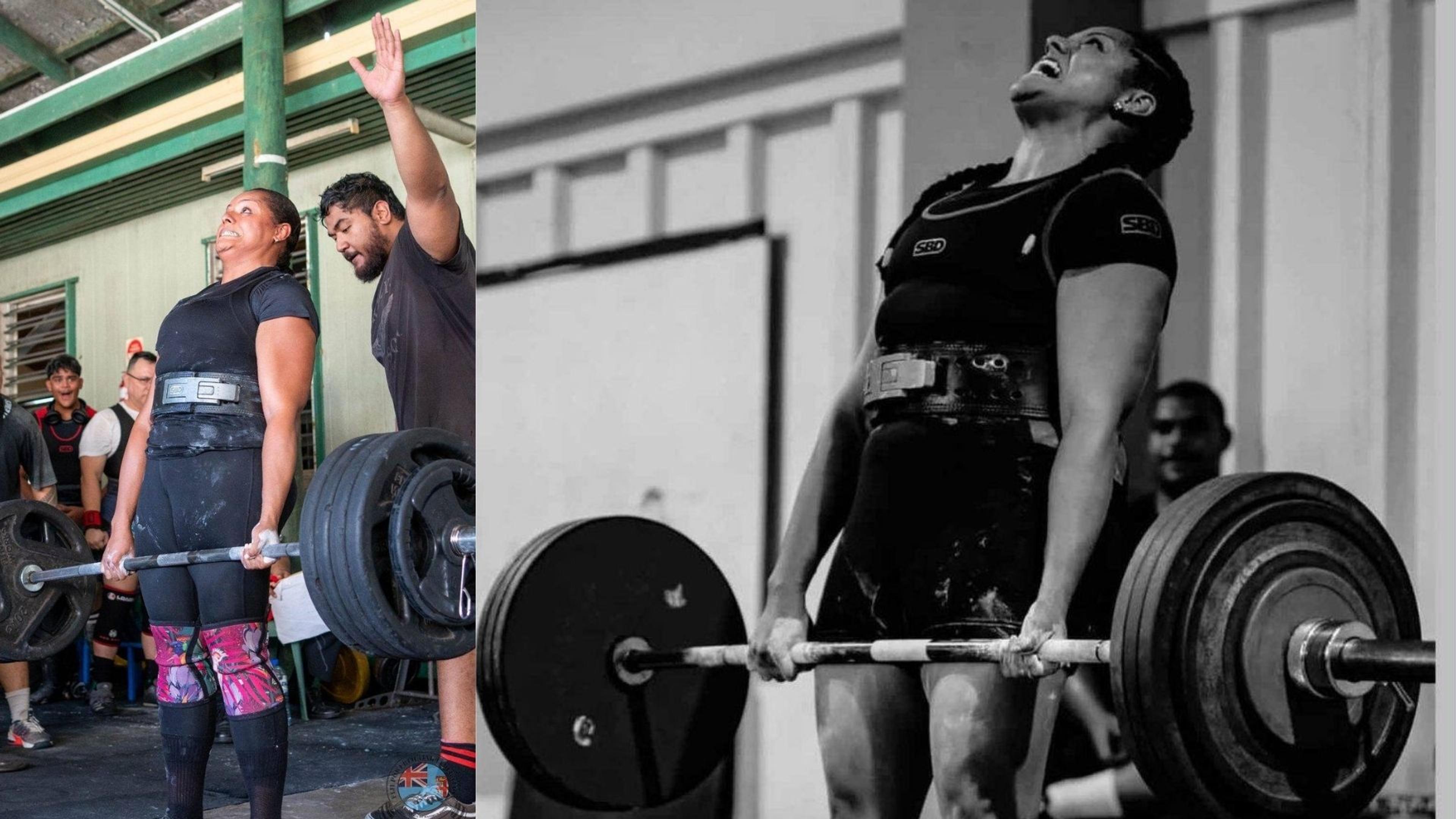
Susana Qionibaravi's rapid rise has made her one of Fiji's emerging powerlifting talents.
Photo/Facebook/On Times
Fast-rising lifters are preparing for a major return of the Oceania Championships, with women leading a record-breaking shift in participation and performance.



For Fiji powerlifter Susana Qionibaravi, what began as basic gym training has turned into an international breakthrough and part of a much bigger shift in the sport across the Pacific.
The mother of two from Nasaukoro, Lomaitivi, was among more than 70 athletes competing at the East versus West Powerlifting Competition in Suva over the weekend.
The event also served as the first qualifying step towards the Oceania International Championships (OIC), which Fiji will host later this year for the first time in 20 years.
The return of the regional tournament is already lifting interest in the sport with organisers recording the highest number of female competitors ever seen at a Fiji powerlifting event.
But for Qionibaravi, 36, the journey began far from international platforms.
“I started from a gym just doing functional strength training… then my coach Norman advised me to start this sport,” she told FBC.
Watch Susana Qionibaravi's interview on FBC News below.
Since stepping into competition, her progress has been rapid. Within her first year, she competed in three national events before earning selection into Team Fiji for the Oceania Regional Championships in Christchurch, New Zealand.
“And since then, it’s gone better than expected,” Qionibaravi said.
Her breakthrough came last November when she won gold in the women’s 84-plus kilogram deadlift category at the Oceania Championships.
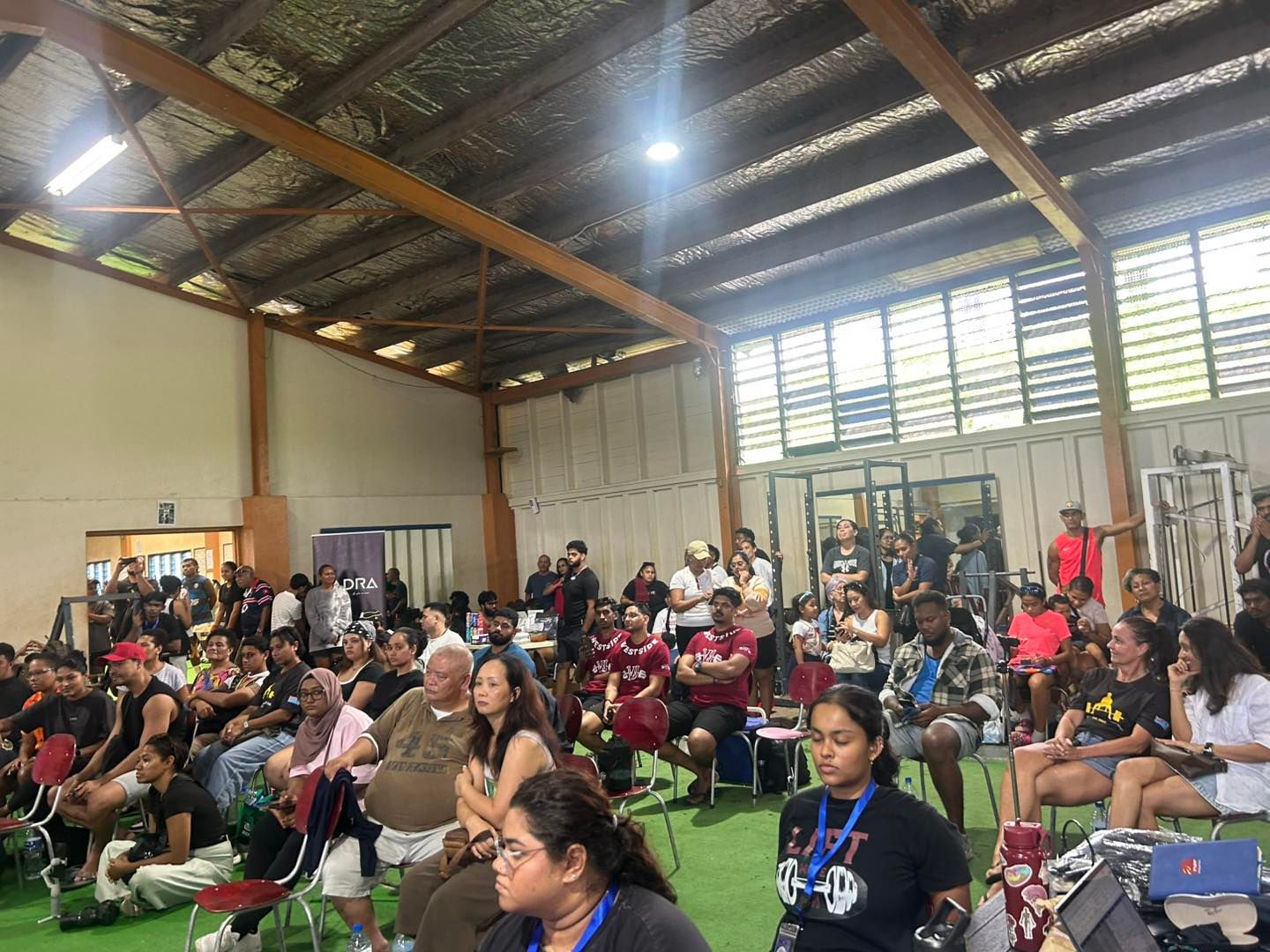
Fans turned up to watch more than 70 athletes compete at the East versus West Powerlifting Competition in Suva, the biggest event ever staged by Fiji Powerlifting. Photo/Facebook/Powerlifting Fiji
“It was a successful outcome… I managed to pull away a gold medal, which was quite an achievement being my first year.”
For Qionibaravi, the medal was more than a personal win. It confirmed she could compete at the highest level.
But she says one of the biggest changes she has seen is not just her own rise but the growing number of women stepping onto the platform.
That shift was on full display in Suva where lifters from across Fiji competed in what has become the federation’s largest event to date.
Norman Ravai, a Fiji Powerlifting Committee member, says the competition is an important checkpoint ahead of a major regional moment.
“This is one of our biggest competitions so far, and we are happy to see a lot of women competing here today, it’s very encouraging,” he said in a statement. “This is our first qualifiers, and we are happy with what we’ve seen so far.”
Watch Susana Qionibaravi win gold in the women’s 84-plus kilogram deadlift category at the Oceania Championships in November below.
Ravai says the East versus West competition is helping athletes understand where they stand ahead of the Oceania Championships in November.
The return of the tournament to Fiji after two decades is also seen as a boost for the sport’s development. Organisers expect it to raise standards in the region.
Across the Pacific, women have been steadily reshaping powerlifting at the elite level.
At the 2023 Pacific Games in Honiara, Sāmoa’s Eteline Tiraa claimed gold in the 69kg division, standing alongside Papua New Guinea veteran lifter Linda Pulsan, who has become one of the sport’s most respected figures in the region.
Pulsan has long spoken about the discipline required to stay competitive in a demanding sport.
“I’m still going because age is just a number,” Pulsan told media at the time. “I have a lot of strength left in me. I tell the younger girls that if they stay disciplined and commit themselves, their future in this sport is very promising.”
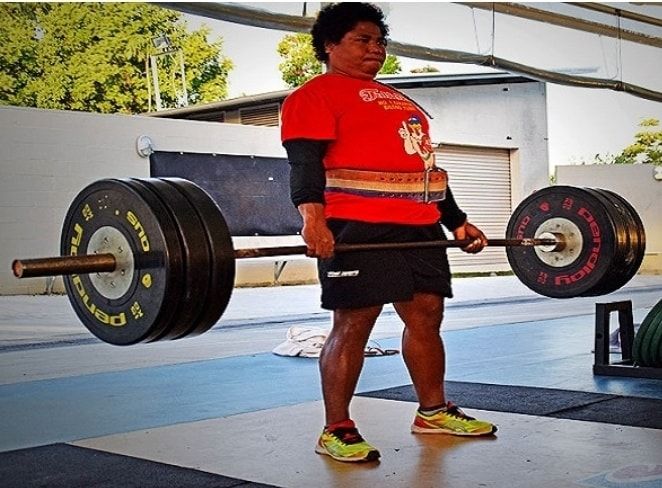
Papua New Guinea veteran lifter Linda Pulsan has become one of the most respected figures in Pacific powerlifting, mentoring younger athletes across the region. Photo/Facebook/Team PNG
Pulsan's message continues to echo across the Pacific as more women enter the sport at junior and senior levels.
For Qionibaravi, that growth is just as meaningful as her own results.
As she prepares for what comes next, she says the biggest change is not only Fiji’s return as a regional host, but the increasing space women are carving out in a sport once dominated by men.
And in Suva last weekend, that future already looked well underway.