High blood pressure a silent killer, Solomon Islands calls for stronger action
Lachlan EddieFri, 23 Oct
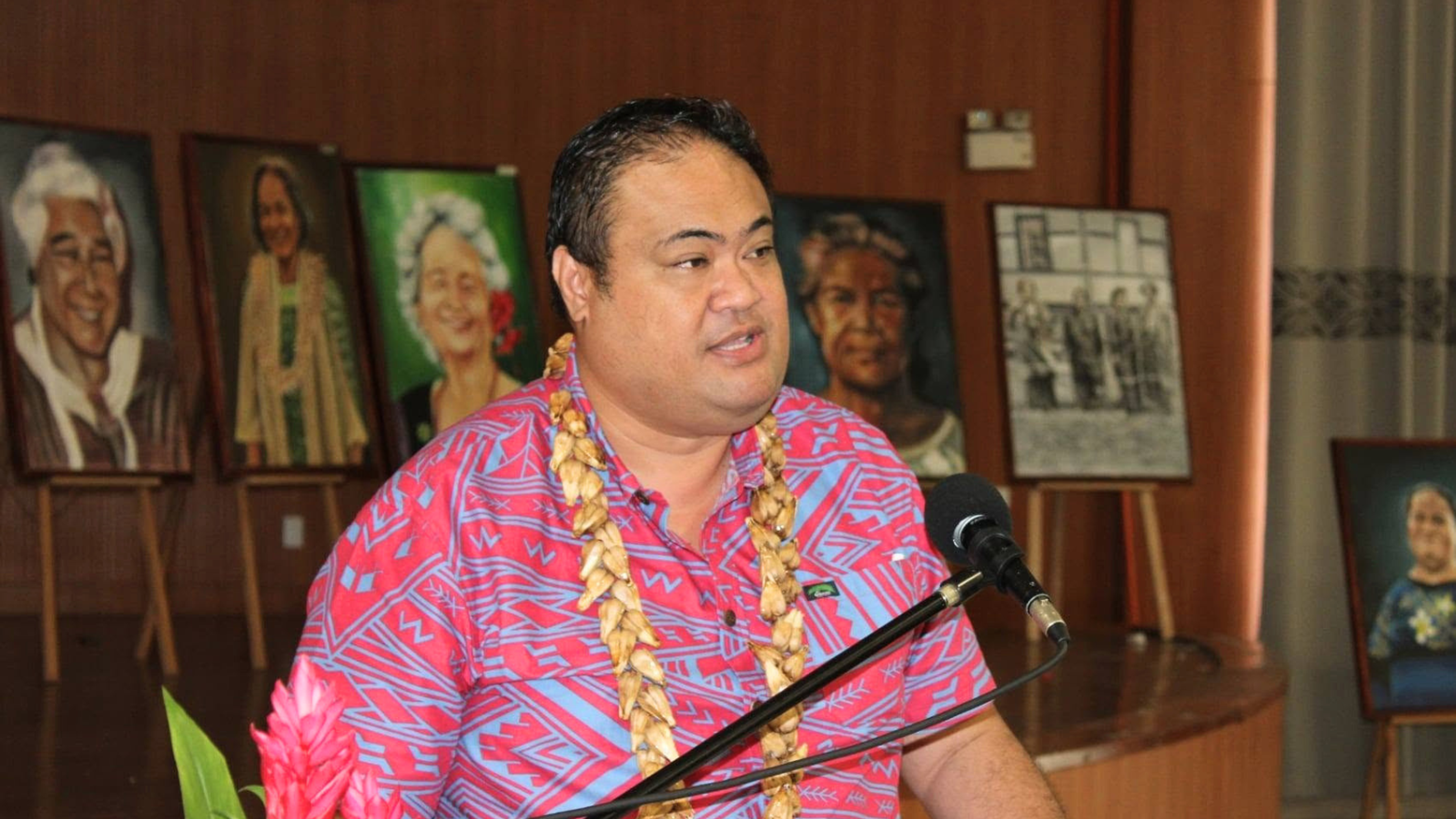
MWCSD Minister Moefaauouo Julius Ah Kui Tafunai, who signed a letter to Samoa's four commercial banks requesting overdraft facilities for District Councils ahead of the District Development Act coming into force.
Photo/MWCSD
Government-backed overdraft requests for district councils have raised questions about repayment rules and commercial debt under new legislation.



A government-backed plan to support district councils with commercial overdrafts has raised legal and financial questions in Sāmoa.
This comes weeks before new laws restricting how public funds can be used come into force.
In May, the government wrote to four commercial banks asking them to provide overdraft facilities for District Councils struggling with delays in receiving development funding.
According to the Sāmoa Observer, the letter was signed by the Minister of Women, Community and Social Development, Moefaauouo Julius Ah Kui Tafunai, and sent to the National Bank of Sāmoa, Sāmoa Commercial Bank, ANZ and Bank of South Pacific.
Each district would be eligible for up to ST$300,000 (NZ$188,500), with a total potential exposure of about ST$15.3 million (NZ$9.6m) if all 51 districts took part.
The ministry said the overdrafts were intended as short-term support while councils waited for the final 30 per cent of their District Development Programme (DDP) funding.
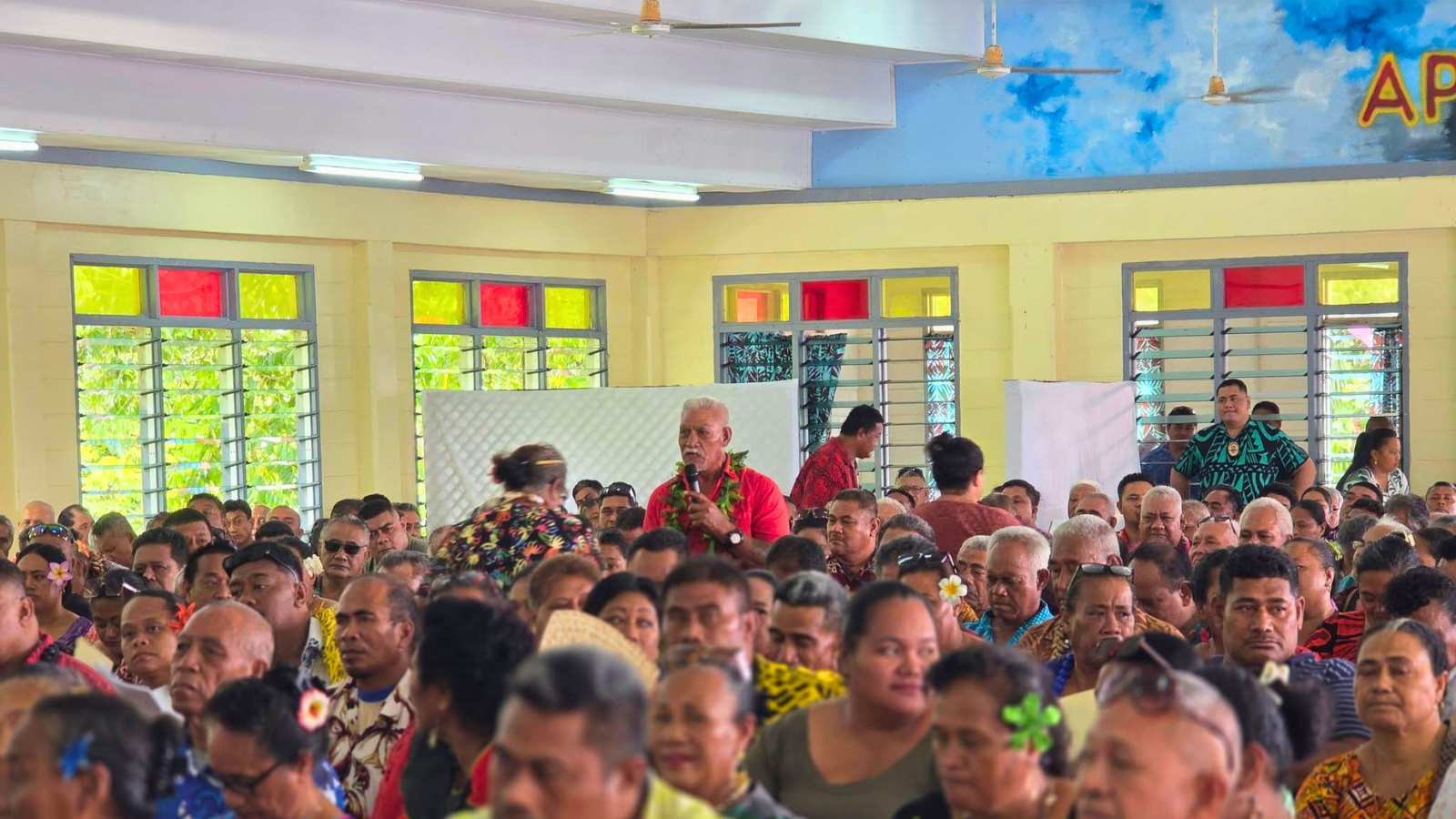
In January, MWCSD held a national induction for DDP stakeholders, calling for a reset to strengthen governance, accountability and community-driven initiatives. Photo/MWCSD.
Under current arrangements, 70 per cent is paid upfront with the balance released only after financial reports are submitted and approved.
Moefaauouo’s letter reportedly stated the overdrafts would be repaid once the Ministry of Finance released the remaining funds, with full clearance expected by November.
However, November falls in the 2026/27 financial year, raising questions over whether that repayment timing fits with existing public finance rules, which require government borrowing to be cleared within the current financial year.

The Ministry says the DDP is about putting fair, transparent and practical development directly in the hands of communities. Photo/MWCSD.
The issue is further complicated by the District Development Act 2026, which comes into effect on 1 July and specifically bans the use of grant funding for loan repayments or loan schemes.
The legislation also establishes the District Development Authority (DDA) as the legal body responsible for contracts and financial arrangements, raising further questions over how district councils would legally carry commercial debt.
Correspondence cited by the Observer showed one senior bank official describing the proposal as an “interesting request” and saying it was the first of its kind they could recall receiving. Another reportedly raised concerns about the risk under the new legal framework.
Officials have not confirmed whether any of the banks have agreed to the arrangement. Questions have also emerged over wider funding arrangements for the District Development Programme (DDP) in the 2026/27 Budget.
Finance Minister Mulipola Anarosa Ale-Molioo told Parliament the DDP would receive ST$102 million (NZ$64m), linked to a commitment of ST$10 million (NZ$6.2m) per electoral constituency over five years.
But Budget documents also show ST$112.6 million (NZ$70.7m) allocated not directly to the programme but to the soon-to-be-established Authority, a difference of ST$10.5 million (NZ$6.6m) that is not explained in the Budget address.
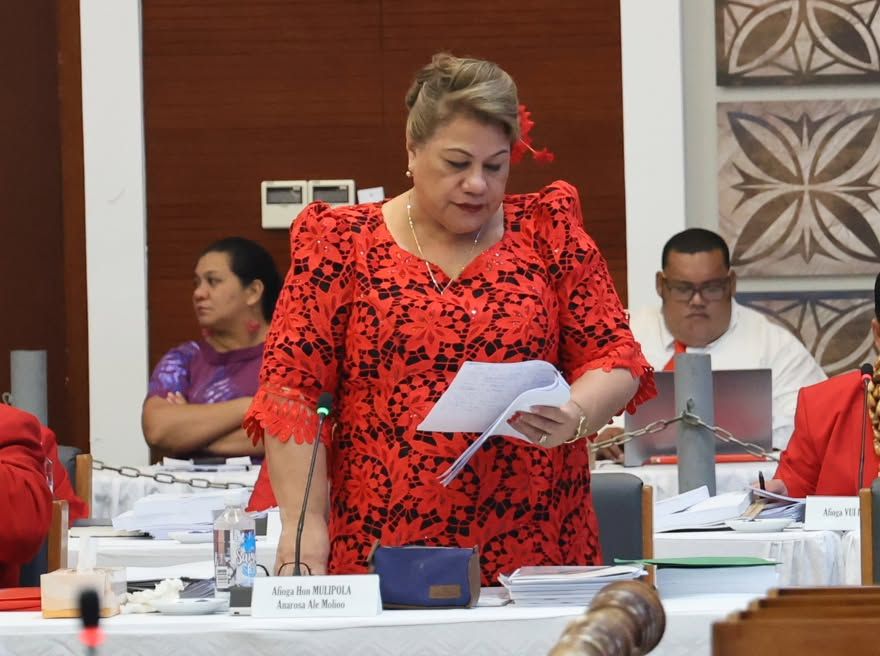
Minister of Finance, Mulipola Anarosa Ale-Molioo delivering the 2026/27 budget address. Photo/Parliament of Samoa.
The government has not publicly clarified the reason for the gap. Opposition MPs have raised concerns about financial management and oversight.
Former Prime Minister and Human Rights Protection Party leader, Tuilaepa Sailele Malielegaoi, questioned why district councils now need bank support to continue operating.
He also raised concerns about accountability within some District Councils, claiming he was aware of a case involving related signatories on a council account.
The Observer also reported that Faleata II MP and former Commerce Minister, Leatinuu Wayne Sooialo, questioned what guarantees, if any, were being offered to banks and whether any had agreed to the proposal.
The government says programme funding remains available and is being released through approved processes, while district councils are separate legal entities responsible for their own financial arrangements.
Watch (Sāmoan) Tuilaepa Sailele Malielegaoi's comments on the overdraft request from the government below.
As the new district funding framework comes into force on 1 July, key questions remain over how the overdraft proposal would work in practice and who ultimately carries the risk if repayments are not made.
PMN News has contacted the four commercial banks for comment on the proposal and whether they have approved, declined or are still considering the requests.