
Kiwis suffer last-gasp heartbreak as the Kangaroos snatch World Cup opener
Christine RovoiFri, 16 Oct

Pacific Australia Labour Mobility (PALM) workers are being urged to seek support before leaving the programme, with Australian authorities warning that disengaged workers can lose access to key protections and support services.
Photo/ABC Wide Bay/Audrey Courty/file
Officials say Pasifika who disengage from the programme can become vulnerable to hardship and exploitation amid concerns over former workers reportedly living rough in Sydney.




Australian authorities have warned that workers who leave the Pacific Australia Labour Mobility (PALM) scheme can become vulnerable to hardship and exploitation because they lose access to the programme's protections.
Australian authorities also say workers who leave the scheme may be able to return through a re-engagement process assessed on a case-by-case basis.
Those unable to re-engage are encouraged to return to their home country.
This follows concerns raised about former workers reportedly living rough in Sydney.
A social media video highlighted the situation of a former Fijian worker and sparked questions about welfare support for Pacific employees who disengage from the scheme.
In responses to PMN News, both the Department of Employment and Workplace Relations (DEWR) and the Department of Foreign Affairs and Trade (DFAT) stressed that worker welfare remains a priority and pointed to measures introduced in recent years to strengthen protections.
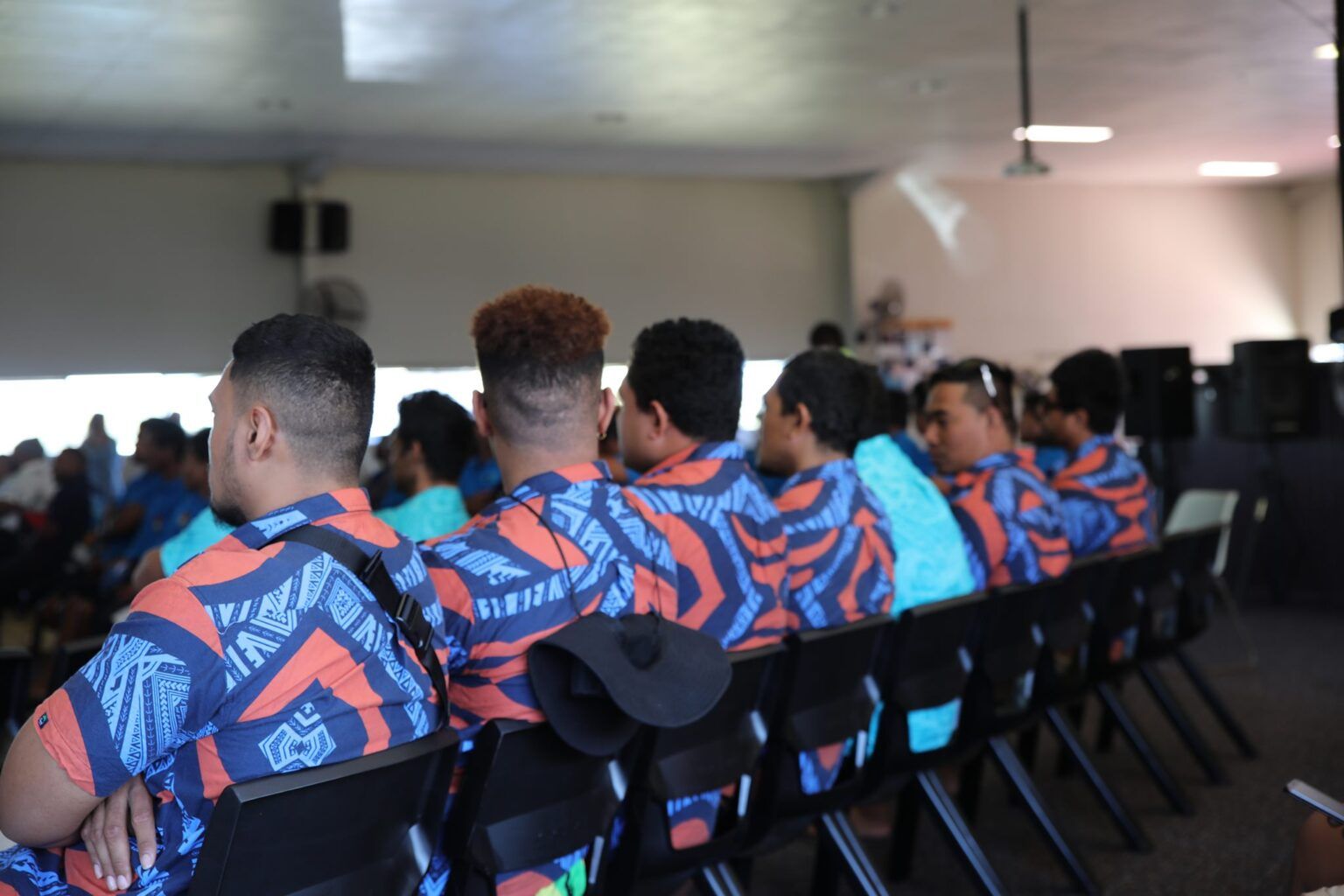
The Australian Government says worker welfare remains a priority under the PALM scheme, which employs thousands of Pacific workers across sectors including agriculture, meat processing, aged care and hospitality. Photo/Facebook/PALM scheme
A DEWR spokesperson confirmed the department was aware of "reports relating to a disengaged Fijian PALM scheme worker".
DEWR said workers who leave the scheme no longer have access to its support systems.
"Disengaged PALM workers no longer have access to the protections of the program, and this can lead to issues around their welfare, wellbeing and safety."
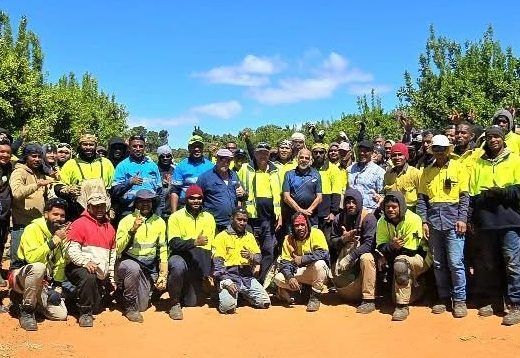
Fijian PALM workers with Employment Minister Agni Deo Singh: Fiji makes up one of the largest Pacific workforces in the PALM scheme, with officials encouraging workers facing difficulties overseas to stay connected with support services rather than disengage from the programme. Photo/Supplied
DFAT also warned that workers who disengage from the PALM scheme can become vulnerable to exploitation because they no longer have access to the programme's protections.
Australian authorities say tackling worker disengagement has become a major focus with an interdepartmental taskforce established to address the issue.
Officials say workers who leave the scheme lose access to welfare, wellbeing and employment protections available to approved PALM participants.
According to DEWR, the number of workers leaving the scheme has dropped significantly, from around 10 per cent in 2020-21 to three per cent in 2024-25. Early figures for 2025-26 show a similar rate.
DFAT also highlighted the decline. "Addressing this disengagement from the PALM scheme continues to be a focus for the Government, with the disengagement rate having dropped to less than a third of what it was in 2021."
The Australian government says a range of new safeguards have been introduced since 2023 including minimum work hours, minimum take-home pay requirements, welfare and wellbeing support, and a 24-hour support line.

Australian authorities responded after concerns were raised about a former Fijian PALM worker reportedly living rough in Sydney, saying workers who leave the scheme may become vulnerable to hardship and exploitation. Photo/Facebook/Bula Fiji
"The welfare and wellbeing of Pacific Australia Labour Mobility (PALM) scheme workers is of central importance to the Australian government," a DFAT statement read.
"We have zero tolerance for worker mistreatment or exploitation. We take allegations seriously, we investigate them, and we take prompt compliance action."
Officials say workers experiencing difficulties are encouraged to seek help before leaving the programme.
Workers can access support through the PALM support line, country liaison officers, employers, Pacific diplomatic missions, and the Fair Work Ombudsman.
Fiji's Permanent Secretary for Employment, Productivity and Workplace Relations, Jone Maritino Nemani, has also urged workers facing challenges overseas to stay connected with official support services instead of disengaging.
"We recognise that challenges can arise while workers are overseas. However, disengagement from employment is not the answer," Nemani told local media.
The PALM scheme employs thousands of workers across Australia in industries including agriculture, meat processing, aged care and hospitality.
Fijians make up one of the programme's largest Pacific workforces.
Australian authorities say tackling worker disengagement has become a major focus with an interdepartmental taskforce established to address the issue.
The issue comes amid ongoing scrutiny of the PALM scheme, with a report released earlier this year calling for reforms to address concerns around worker exploitation and gaps in protections.
PMN News understands Australian authorities believe the individual featured in the Sydney video was a disengaged PALM worker, although officials have not publicly identified him.