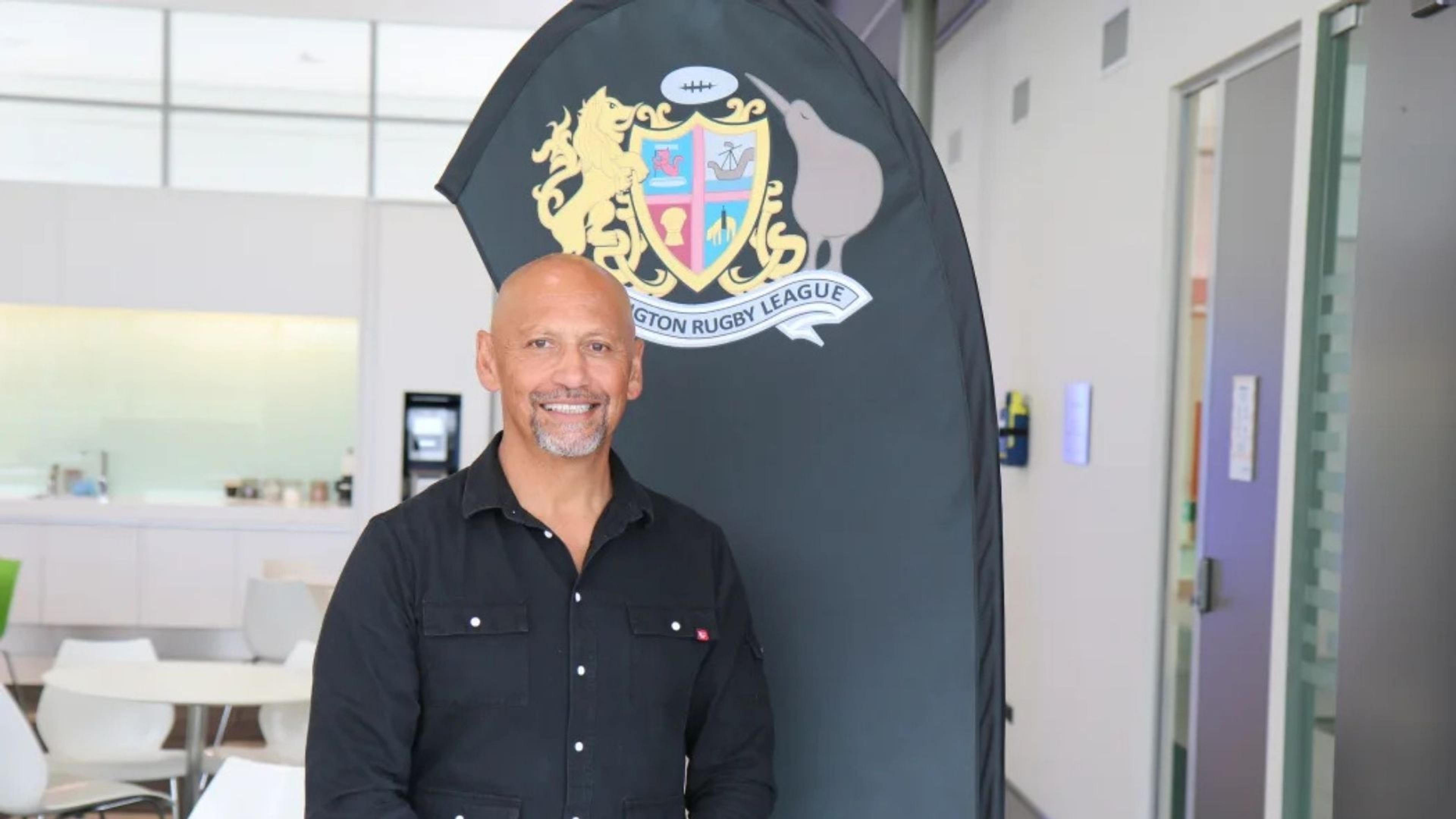
Andre Whitaker says he leaves with a legacy built on community, wellbeing and pathways
Christine RovoiMon, 03 Aug
Outgoing Wellington Rugby League chief executive Andre Whitaker says his proudest achievement has been creating more opportunities for Māori and Pasifika players, coaches and families while growing the game across the region.
Photo/RNZ Pacific/Koro Vaka'uta
The outgoing Wellington Rugby League boss says their biggest achievement has been creating stronger pathways for Māori and Pasifika while building a game that puts wellbeing and people first.

After six years leading Wellington Rugby League chief executive Andre Whitaker leaves the organisation with more than just improved numbers on the scoreboard.
Under his leadership, registration more than doubled, women's rugby league was rebuilt, representative pathways expanded and a stronger focus was placed on hauora - the wellbeing of players, families and communities.
Whitaker, who finishes his role later this month, says his biggest measure of success has always been the people who come through the system.
He said one of his proudest achievements has been growing participation from 1200 registered members to almost 2700, while creating more pathways for players to reach representative and professional levels.
“We went from 1200 registered members to 2600, almost 2700," he told Pacific Huddle host Tuilagi William Leolahi.
"So certainly doubling the numbers has been something that the organisation can be proud of.
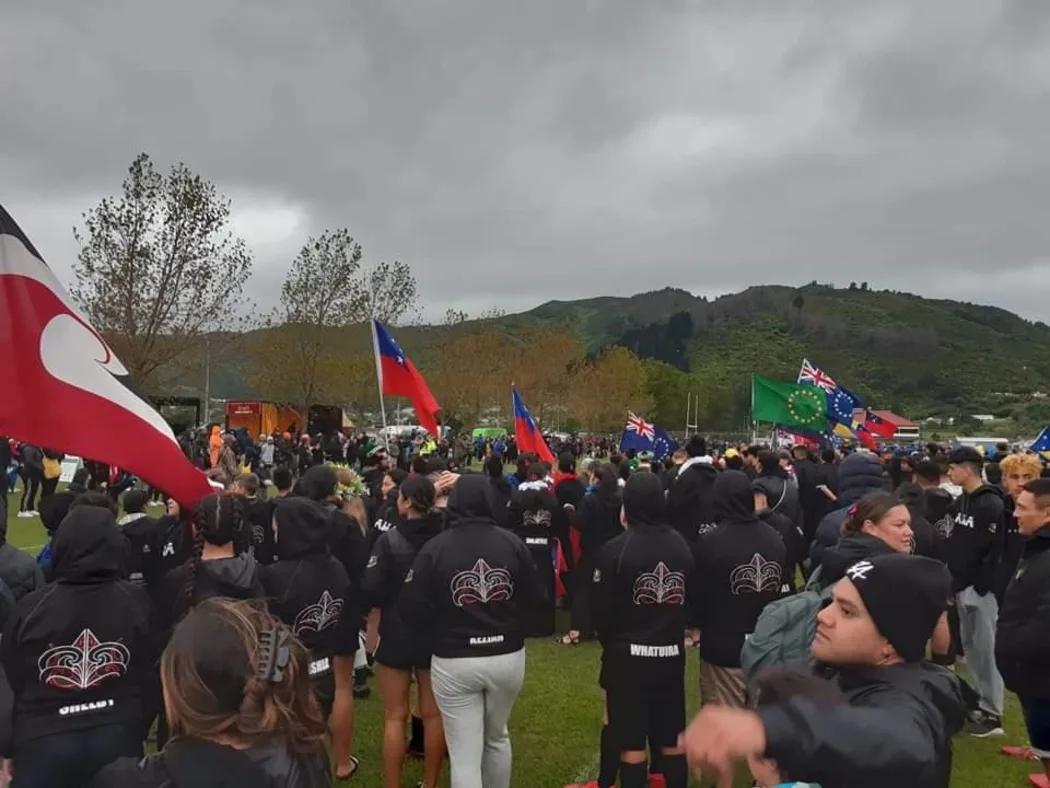
Māori and Pasifika make up over 85 per cent of the rugby league community Photo/Andre Whittaker
“Within those numbers, when we increased the numbers, we managed to increase pathways for players to go into representative level, which then puts them on show for further selection.”
Under Whitaker’s leadership, Wellington Rugby League grew its representative pathways from three teams to eight, with several players and coaches progressing to higher levels of the game, including the NRL.
One of the clearest examples is Ake Pereira, who Whitaker highlighted as a symbol of what Wellington Rugby League's pathway can achieve.
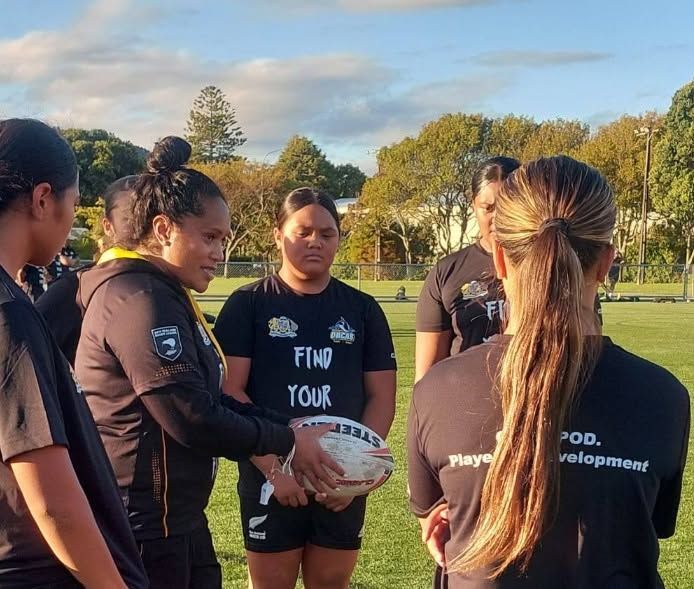
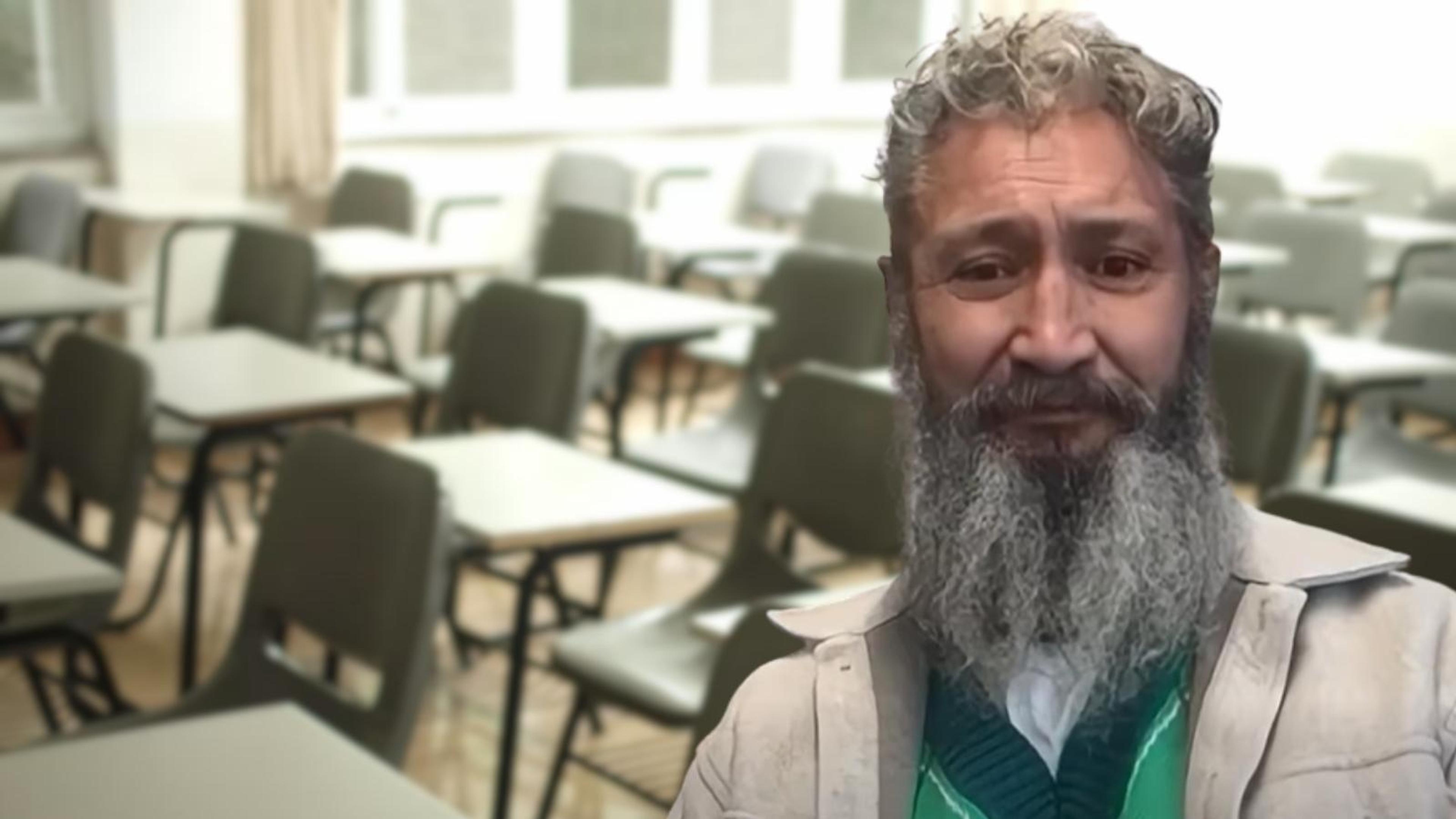
Ake Pereira works with young players during a Wellington Rugby League training session. Photo/Facebook/Wgtn Rugby League
“For me, it’s about being able to provide a pathway for our people that have come through our community,” he said.
Pereira came through the Wellington system as a player and Kiwi Fern before becoming the first wahine appointed head coach of the Wellington Orcas women’s team in 2021. She has since moved into a coaching role with the Wests Tigers NSW Women’s Premiership team.
Reflecting on the Kiwi Ferns' 30-year legacy in 2025, Pereira said it was an honour to celebrate women who helped shape the game.
“It was a privilege to be in Auckland for the occasion and it was with much pride and mana to be with those who have represented their country,” Pereira said.
Whitaker said creating opportunities was only part of the job.
“But not forgetting that it’s not all about making the big time or getting through to NRL opportunities, as providing a good whole environment for our community here locally,” he told Tuilagi.
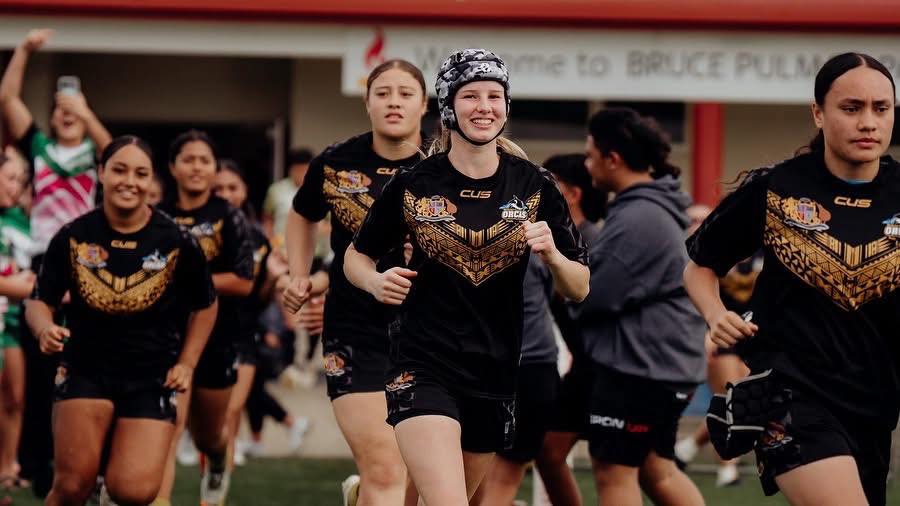
Women's rugby league has flourished in Wellington in recent years, with expanded pathways helping more wāhine progress into representative and professional coaching and playing opportunities. Photo/Wellington Rugby League
Whitaker says the foundation of that growth has been hauora, focusing on the wellbeing of players, families and clubs away from the field.
The approach included promoting positive sideline behaviour, smoke-free environments, health checks and community wellbeing initiatives.
“Our vision was to, if we work on the hauora off the field, that’ll help grow the game,” he said.
“And I would say, undoubtedly, without having a focus on a hauora, we wouldn’t have got to where we are with the numbers and the pathways and opportunities that we’ve talked about.”
Whitaker says that focus was especially important because Wellington Rugby League serves a strong Māori and Pasifika community, including families from areas such as Naenae, Waitangirua and South Auckland.
He says community sport has to understand the realities families face away from the field, including financial pressure and changing household circumstances.
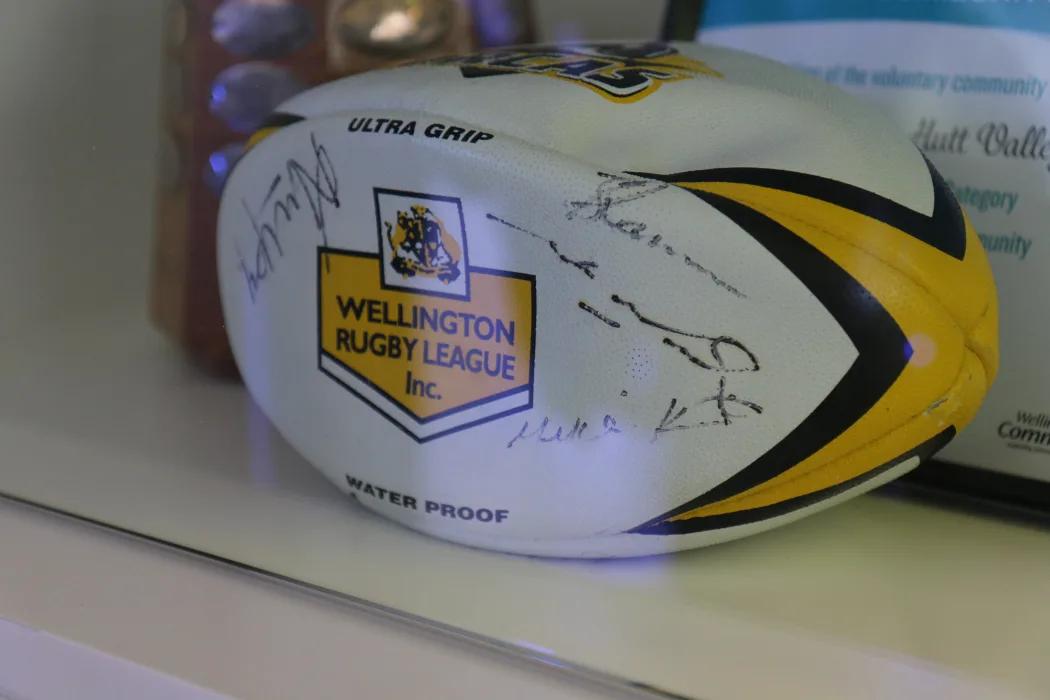
Photo/RNZ Pacific/Koro Vaka'uta
“We’re a community that’s at the coalface and at times we’re vulnerable to changes in the economy, changes in the household finances, for example, and that has an impact on people participating in sport,” he said.
One of the lessons he leaves with other community sport leaders is the importance of being adaptable and understanding the pressures facing families.
“An organisation needs to be able to be nimble and be able to pivot to those sorts of things, make changes,” Whitaker said.
A key part of his legacy is the continued focus on mental wellbeing through programmes such as Find Your Front, which encourages people to check in on one another.
He hopes the next generation continues to see rugby league as more than just a game.
“When we’ve got our community looking out for each other, it’s bigger than Rugby League,” he said.
Watch Andre Whitaker's full interview with Tuilagi William Leolahi on Pacific Huddle below.
“It goes back to the families, it goes back to the communities. And that for me, I hope is an enduring legacy that can be continued.”
His final message to young players, coaches and volunteers is to keep learning, keep contributing and continue building the game.
“Aim high, do the work. Don’t just leave it up to natural talent. Go and do the mahi - that’s about learning and development to make sure that it’s long lasting.”
Whitaker will remain in the role until 28 August. Before then, he will oversee Wellington Rugby League's grand finals on the weekend of 8 August, bringing to a close six years that reshaped the game across the region.
For more details on Wellington Rugby League, click here.