
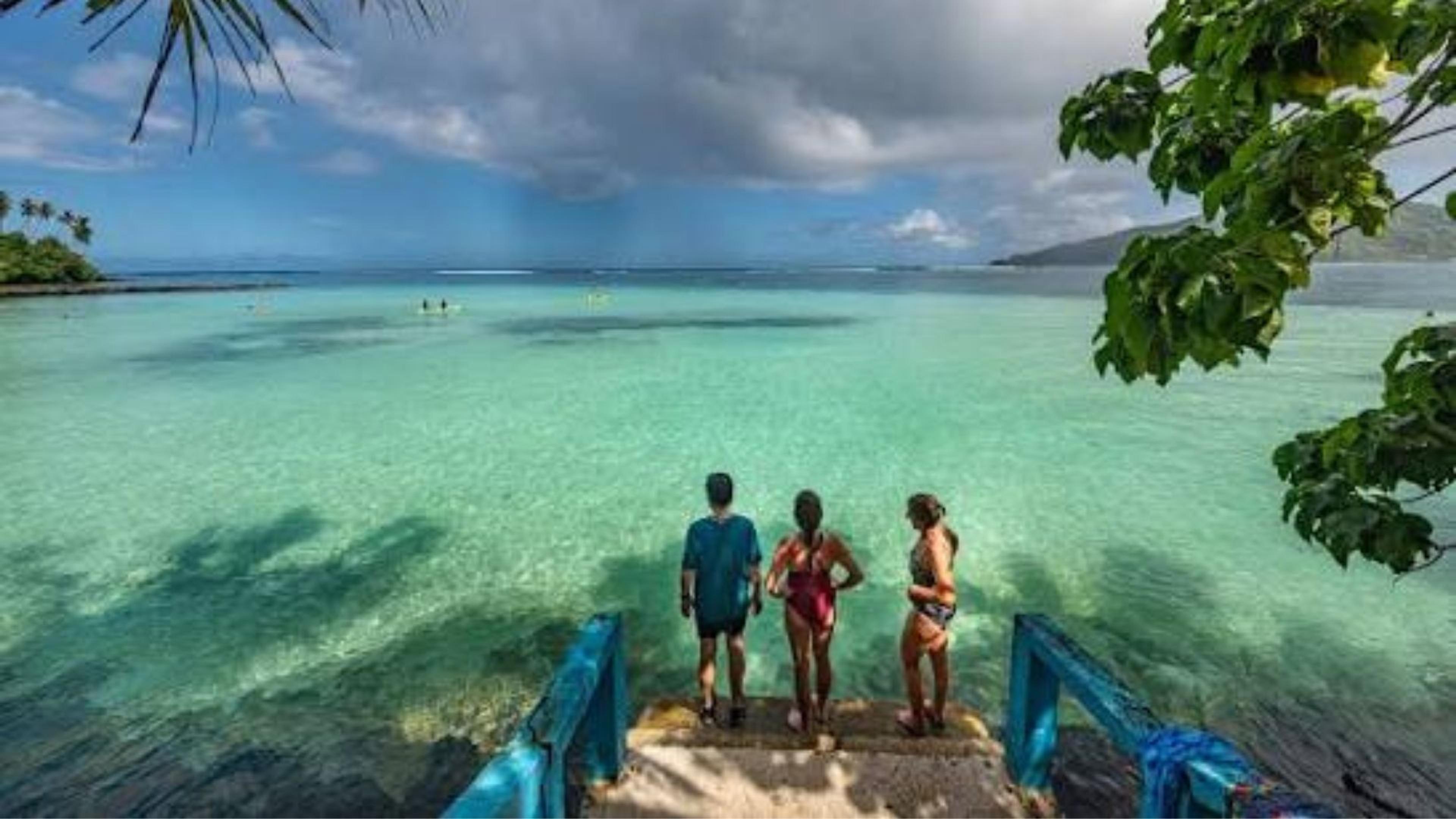
A study by researcher Mary-Ann Rongo Moller is exploring whether naturally warm lagoon waters could support heart health for Cook Islands Māori communities, combining science with Indigenous knowledge and cultural practices.
Photo/Samoa Tourism
Health
A Cook Islands Māori researcher puts culture at heart of new health solutions for Pasifika
From warm lagoon waters to diabetes care in pregnancy, Mary-Ann Rongo Moller is leading studies that combine science with Indigenous knowledge to address Pacific health challenges.

Christine Rovoi
Published
03 August 2026, 6:15pm
Share
Copy Link
Top stories
Deep sea mining could give investors a legal route to challenge climate action - experts
Christine RovoiThu, 08 Oct
'Cheap as chips' but Pacific families face big barriers to treating gout
Thomas Tarurongo WynneThu, 08 Oct
Top stories
Deep sea mining could give investors a legal route to challenge climate action - experts
Christine RovoiThu, 08 Oct
'Cheap as chips' but Pacific families face big barriers to treating gout
Thomas Tarurongo WynneThu, 08 Oct
Heart disease remains one of the biggest health challenges facing Pacific communities, with Cook Islands Māori experiencing high rates of high blood pressure.
Now, a PhD researcher at the University of Otago - Ōtākou Whakaihu Waka - is exploring whether a practice connected to Pacific culture and everyday life, bathing in naturally warm lagoon waters, could become part of a new approach to supporting heart health.
Mary-Ann Rongo Moller says the study is about more than measuring health outcomes.
She says it is about reconnecting with knowledge already held by Pacific communities and elders.
Rongo Moller, who is half Cook Islands Māori, is researching whether naturally warm lagoon waters could support heart health for Cook Islands Māori communities in Rarotonga and Porirua.
The idea came from wanting to move her research into an area that felt connected to her own community.
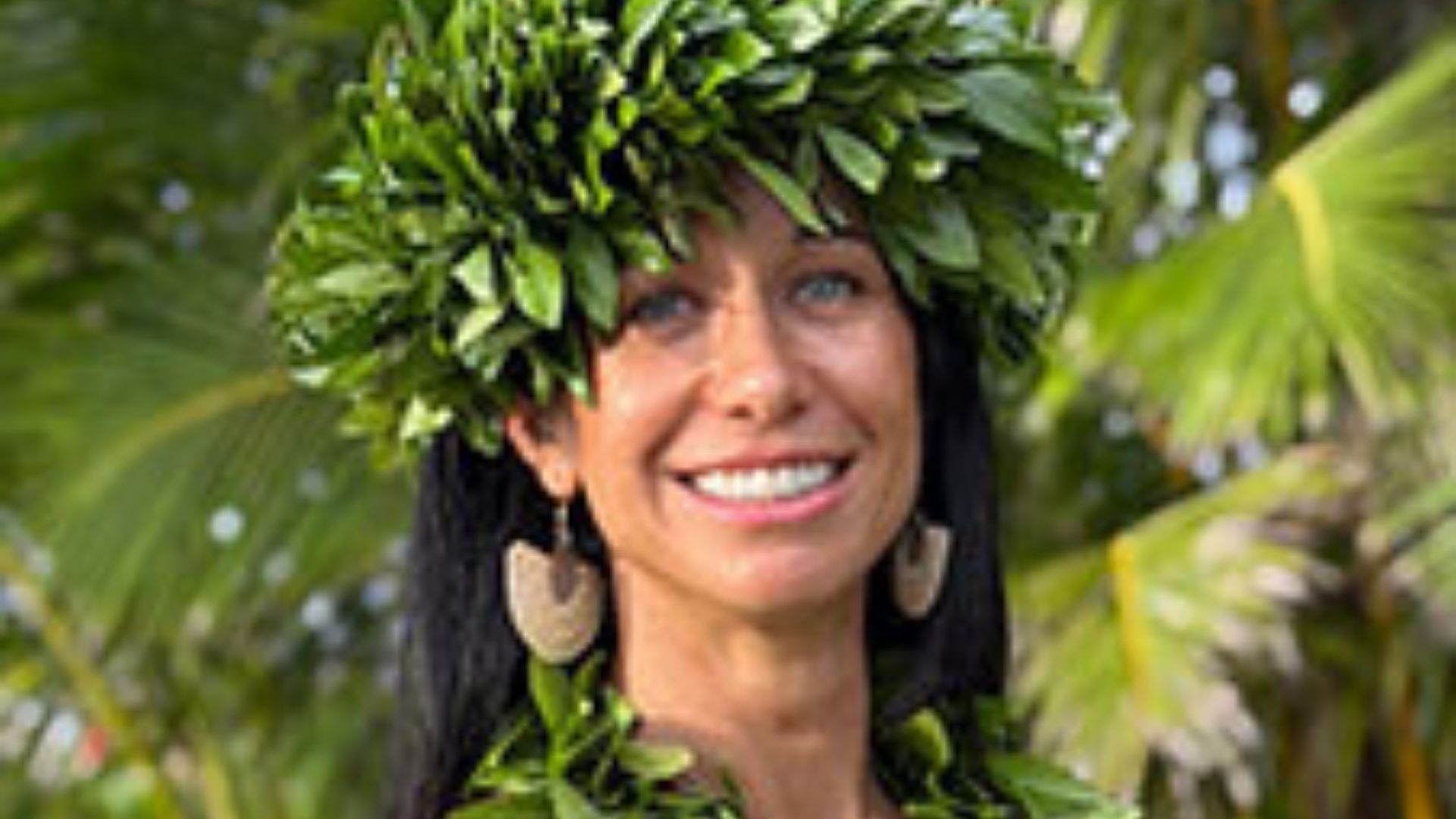
Mary-Ann Rongo Moller says her research is inspired by Cook Islands Māori knowledge passed down through generations, including the connection between people, nature and healing through the water. Photo/otago.ac.nz
“It's been a really exciting process so far because I've previously done research in the athletic space but I was really wanting to, just having that desire to move into Pacific Health as I'm half Cook Island, and I just wanted to do something that felt much more meaningful,” she told Khalia Strong on Pacific Mornings.
The research builds on earlier laboratory studies looking at how warm water can affect blood pressure but takes it into a Pacific setting, using natural lagoon environments that are part of everyday life and culture.
The lagoon temperatures being explored are expected to sit around 30 to 34 degrees Celsius during summer.
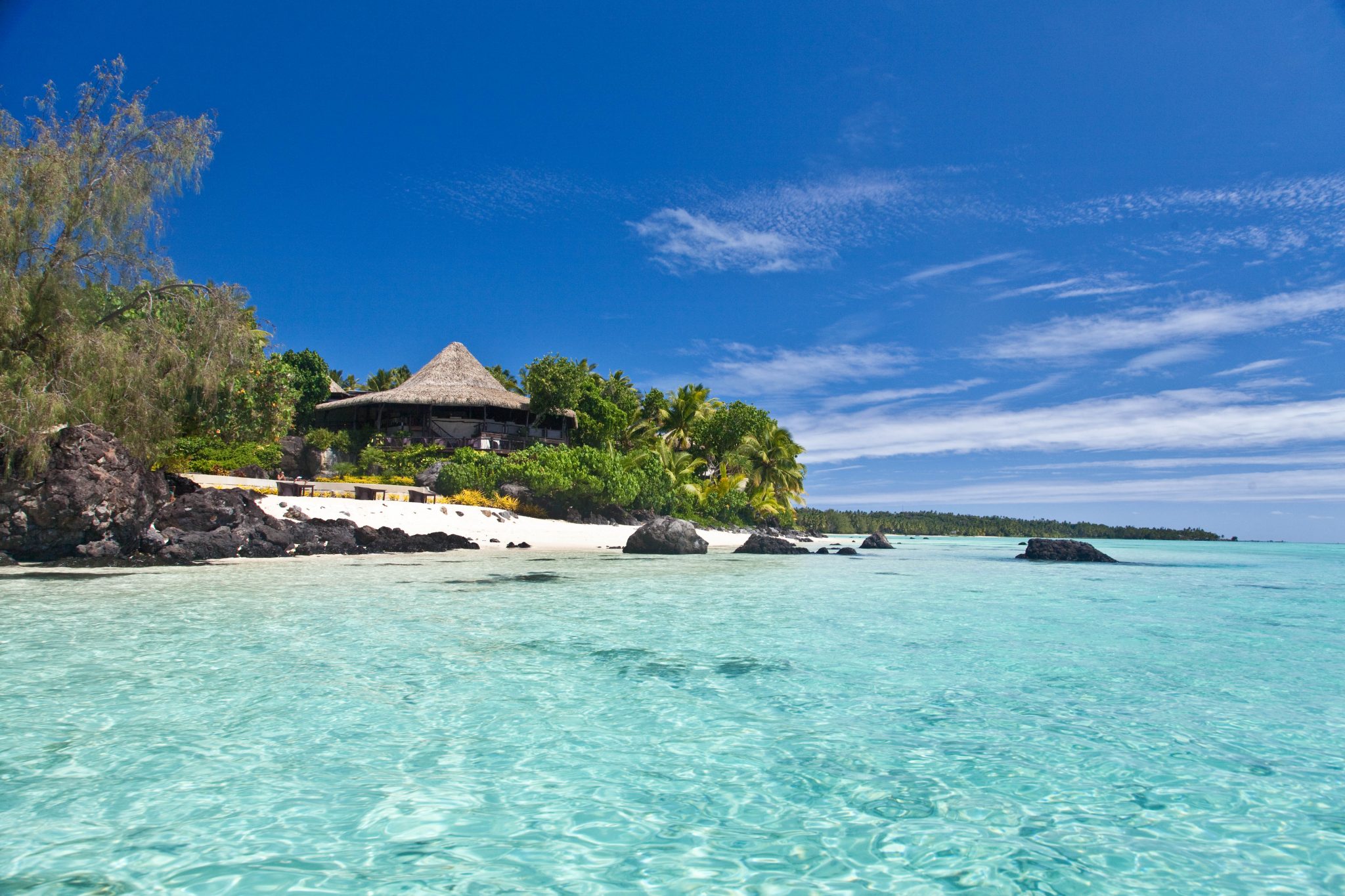
Naturally warm lagoon waters in the Cook Islands are at the centre of new University of Otago research exploring whether regular bathing could help support heart health for Cook Islands Māori while drawing on Indigenous knowledge and cultural practices. Photo/Pacific Resort, Aitutaki - Cook Islands
Rongo Moller says the research is also personal, adding that her own family’s connection to the ocean shaped the way she approached the project.
Her mother shared stories about how being in the water brought peace and healing, reflecting knowledge passed down through generations.
“She’s often talked to me about her grandparents and the knowledge that they had that the environment and nature and the water could heal you,” Rongo Moller said.
She says Pacific approaches to health look beyond the individual, recognising the links between people, family, community and the environment.
“So a lot of Pacific communities and indigenous people, they view health as holistic,” she said.
“Something such as high blood pressure, it's not just about what's going on with the body but your health is viewed as the health of your family, the health of your community, the health of your environment, and all of those other aspects impact on our health as a person.”
The study is still in its early stages but Rongo Moller hopes it can help strengthen confidence in Indigenous knowledge and cultural practices.
“I really hope that it could encourage people to lean on their indigenous knowledge, the knowledge of their elders and their cultural practices that they already do, and going back to the environment and nature being able to heal them,” she said.
The lagoon study is part of a wider movement in Pacific health research where researchers are placing community knowledge, culture and lived experience at the centre of new solutions.
A new $1.2 million Health Research Council-funded study, led by Sāmoan researcher Moananu Dr Karaponi Okesene-Gafa at the University of Auckland - Waipapa Taumata Rau, will focus on improving diabetes care during pregnancy for Pasifika women.
The 36-month project will work alongside Pacific women, families and health professionals to develop care that reflects Pacific values, including family support, collective wellbeing and community knowledge.
“Too often, Pacific women are navigating systems that weren’t designed with them in mind,” Okesene-Gafa said in a media release.
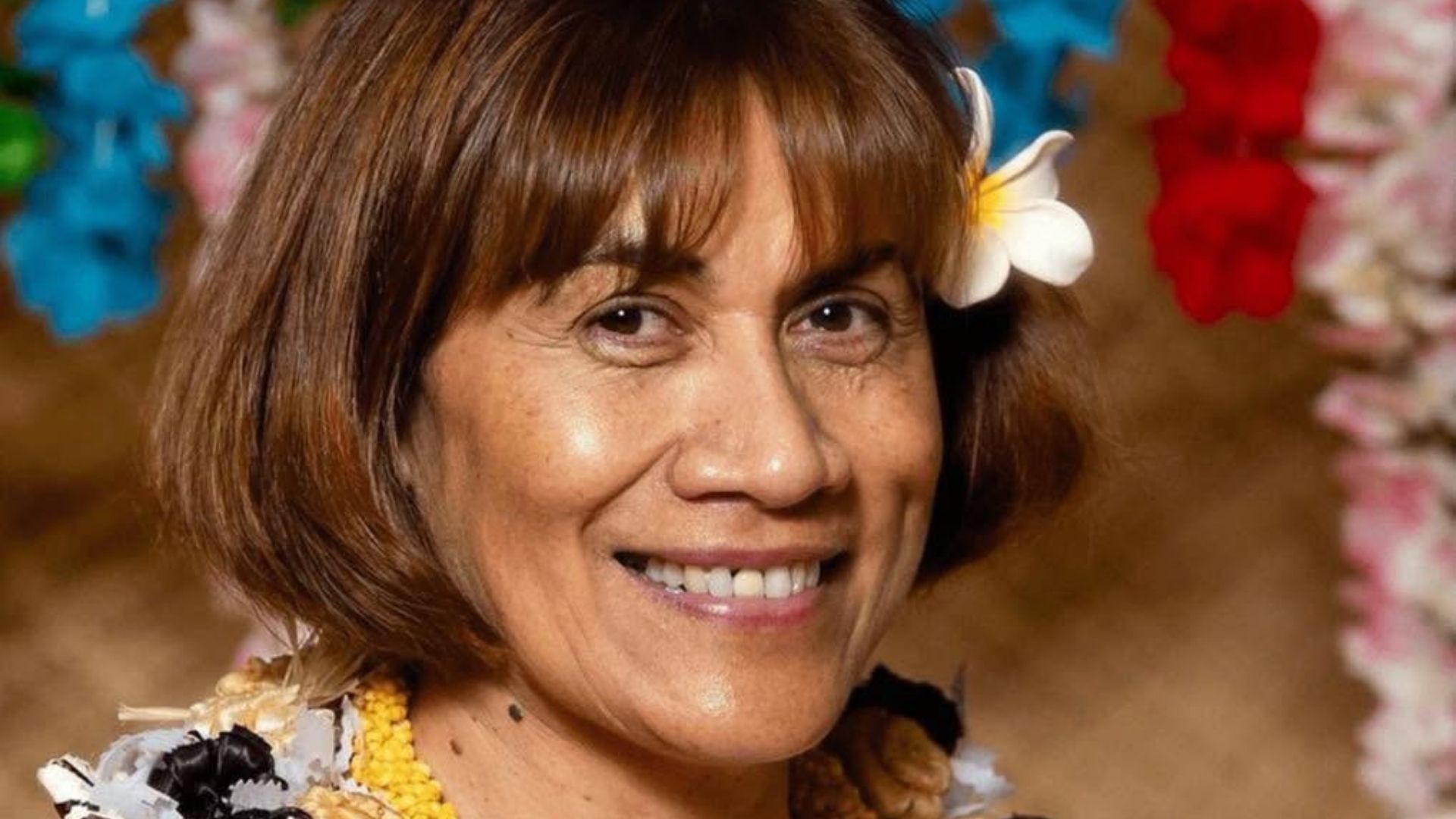
Sāmoan researcher Moananu Dr Karaponi Okesene-Gafa is leading a new University of Auckland study focused on improving diabetes care during pregnancy for Pasifika women through culturally grounded solutions. Photo/Supplied
Professor Sir Collin Tukuitonga, co-director of Te Poutoko Ora a Kiwa – Centre for Pacific and Global Health, says Pacific-led research is needed to address long-standing health inequities.
“This is a significant and timely investment in Pacific health research,” he said in the statement. “What makes this work powerful is its foundation in Pacific ways of knowing and doing.
"Co-design with families ensures that the solutions are not only clinically sound, but culturally meaningful and practical.”
From lagoon waters to maternity care, Pacific researchers are showing how solutions shaped by culture, community and lived experience could help address some of the biggest health challenges facing Pacific peoples.