High blood pressure a silent killer, Solomon Islands calls for stronger action
Lachlan EddieFri, 23 Oct
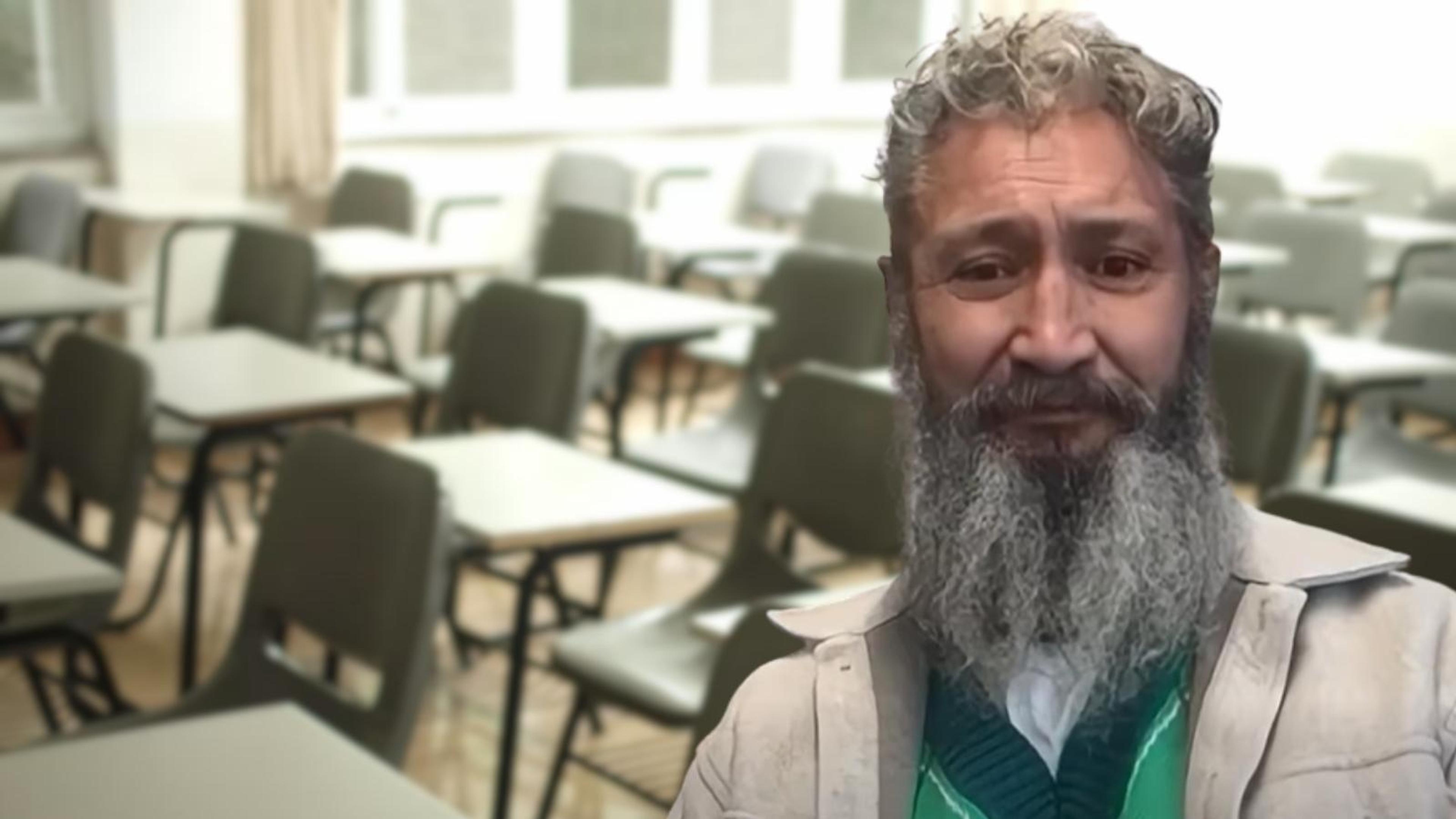
Stan Tiatia, Principal of Papatoetoe North School.
Photo/531pi/Unsplash/PMN Composite
Stan Tiatia says schools need more support for neurodiverse students and stronger relationships with families, not policies that risk making children feel unsafe.




A Pacific school leader says a proposal allowing teachers to physically remove disruptive students from classrooms is targeting the wrong problem.
Papatoetoe North School principal Stan Tiatia says the focus should be on supporting students with additional needs, instead of using force or exclusion as a response to behaviour.
His comments come after ACT Party candidate Paul Henry announced a policy on Sunday to give school staff legal powers under Section 99 of the Education and Training Act 2020 to use "reasonable force" to remove disruptive students.
The proposal would allow staff to move students to supervised spaces and introduce mandatory standdowns or suspensions for assault, with serious cases referred to Police Youth Aid.
While acknowledging learning support may need improvement, ACT says that is no reason to leave teachers powerless while other students lose valuable learning time.
Current Ministry of Education guidance allows physical restraint only as a last resort when there is an immediate risk of harm with staff required to complete training.
Speaking with Khalia Strong on Pacific Mornings, Tiatia said he believes the policy is focused on the wrong area.
“For behaviour, I feel like our teachers have got things well in hand. We've got good systems across the school that support hauora [wellbeing], good behaviour within the school and good respect,” Tiatia says.
Watch Stan Tiatia’s full interview below.
He says the bigger challenge facing schools is meeting the needs of students who require more support.
“What we're struggling with really is around needs. Neurodiverse needs and the needs of students that are within the school. So that's where the targeting should be, not on naughty kids.”
Tiatia says children should not be treated as the problem when schools are trying to understand the reasons behind their behaviour.
“The bad behaviour really is more within our political figures and the comments should be more centred around them than around our children.”
The ACT Party’s policy suggests giving school staff legal powers under Section 99 of the Education and Training Act 2020 to use "reasonable force" to remove disruptive students. Photo/Unsplash
He also warns that physically removing children from classrooms could damage trust between schools, families, and communities.
“Any parent, if you get told that your child's being grabbed and manhandled out, there's going to be a lot of anger around that. Because it's a parent's prerogative to be able to send their child to school and expect them to be safe and happy.”
For Tiatia, exclusion does not align with the values of looking after children collectively.
“I don't feel that this is safe and that we'll have happy children out of it. As far as a community or a village looking after children and being involved, exclusion is not the way.”
Instead, he says schools need approaches that help students communicate, reconnect and remain part of the school community.
“It is understanding, setting up strategies and practises that are going to help students to be able to communicate and be a part of a community rather than being excluded and being on their own.”
He says Papatoetoe North School uses standdowns for restorative purposes - working alongside parents through respect, whānaungatanga (kinship) and aroha (love).
ACT’s proposal also includes financial penalties for parents who fail to attend mandatory school meetings or whose children deliberately damage property, with fines ranging from NZ$300 to NZ$3000.

According to the 2024 Education Review Office report, roughly half of teachers experienced classroom disruption every lesson. Photo/Unsplash
The party has cited data from a 2024 Education Review Office (ERO) report which found around half of teachers experience classroom disruption in every lesson, with 47 per cent losing 40 to 50 minutes a day managing student behaviour.
In a statement to PMN News, an ACT spokesperson said the policy is designed to give teachers another option for dealing with serious classroom disruption, not to target children with additional learning needs. .
The party rejects suggestions the proposal would unfairly affect neurodiverse students.
"Nothing in this policy targets neurodiverse students. Teachers know their students and can distinguish between a child who needs extra support and one who needs consequences," the spokesperson said.

The ACT Party say the policy draws on feedback from teachers and principals alongside Education Review Office findings. Photo/Unsplash
ACT says any physical intervention would be tightly controlled. "Students would go to a staffed, supervised space such as a dean's office or learning support room. Empty or lockable rooms would be prohibited."
The party also rejected claims that parents would be unfairly penalised."Parents would not be fined because their child misbehaved,” the spokesperson said. “A fine could only apply when parents fail to attend a mandatory meeting without a reasonable excuse."
ACT says the policy was developed following feedback from teachers and principals, alongside findings from the Education Review office on classroom disruption.