
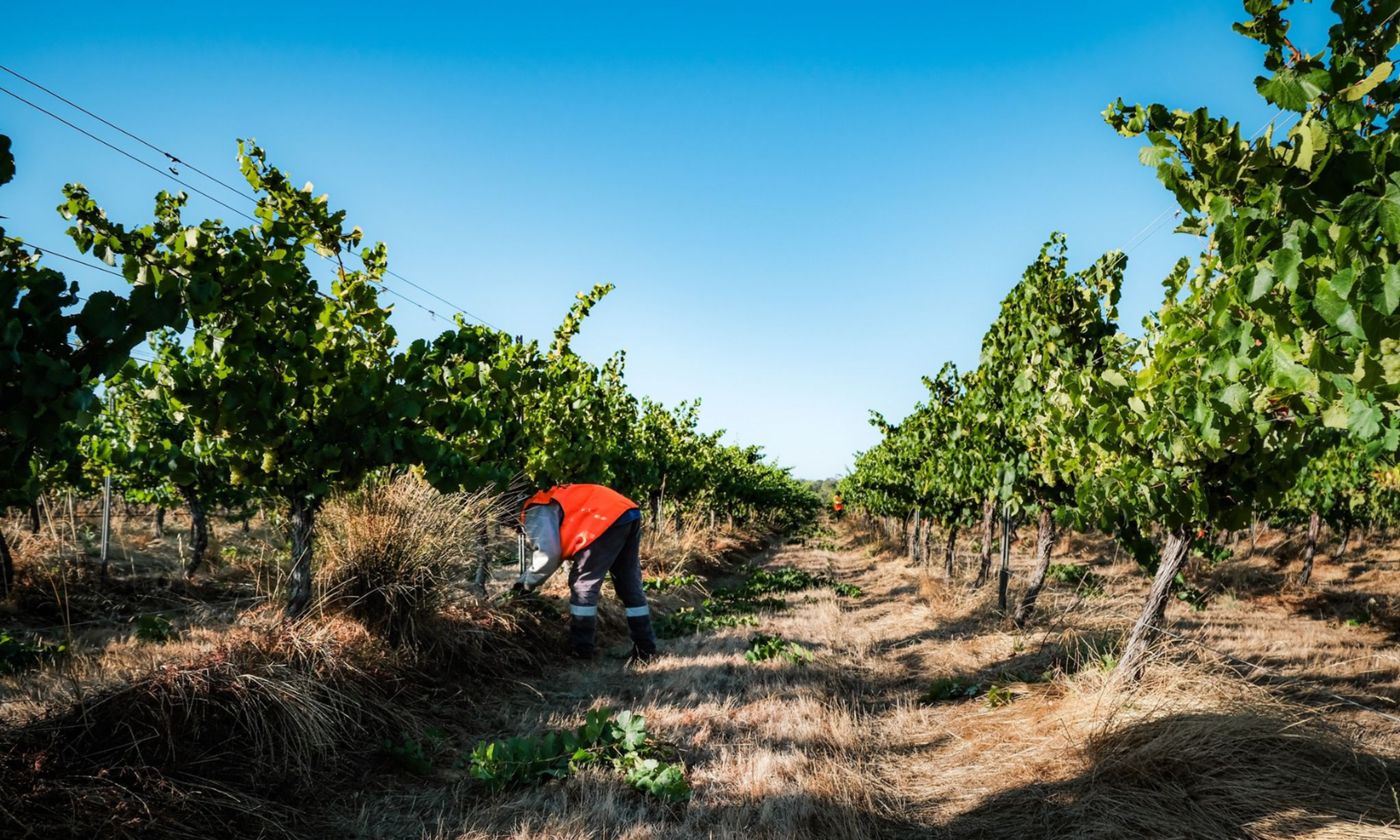
Horticulture is one of the high-risk sectors for migrant exploitation in New Zealand where Pacific workers make up a large share of the workforce.
Photo/Facebook/Pacific Australia Labour Mobility scheme
Business
Pacific workers urged to know their rights in NZ after migrants pay $60,000 each for jobs
A Labour Inspectorate manager says Pasifika should learn their rights and recognise the warning signs of exploitation after two migrants each paid $60,000 for jobs at a Four Square supermarket in Thames.

Andre Fa'aoso
Published
04 August 2026, 10:13am
Share
Copy Link
Top stories



Top stories
A case involving two migrant workers who each paid $60,000 to secure jobs in New Zealand has prompted fresh warnings for Pacific workers to know their rights and be alert to exploitation.
The Labour Inspectorate, part of the Ministry of Business, Innovation & Employment (MBIE) says no worker should ever have to pay for a job and is encouraging Pacific migrants to seek trusted advice before travelling to New Zealand or accepting employment.
Speaking with Khalia Strong on PMN's Pacific Mornings, Investigations Manager (Northern) Katriona Ikenasio said paying for a job is one of the clearest warning signs.
"No one should ever be expected to pay any money for a job either prior or during employment. So yes, it's definitely a red flag," she said.
Other warning signs include not receiving a written employment agreement, being paid less than agreed, working inconsistent hours, or not being paid for overtime.
Ikenasio urged Pacific workers to get information through official channels before making the move to New Zealand.
Watch Katriona Ikenasio's full interview below.
"It's a big move, big obligations around what people are sacrificing; you want to ensure that you're getting the right advice from the right places," she said.
People can get advice through Employment New Zealand at employment.govt.nz or by calling the Employment NZ helpline on 0800 20 90 20, where interpreters are available in several Pacific languages.
The warning comes as researchers continue to highlight the higher risks Pacific migrants face.
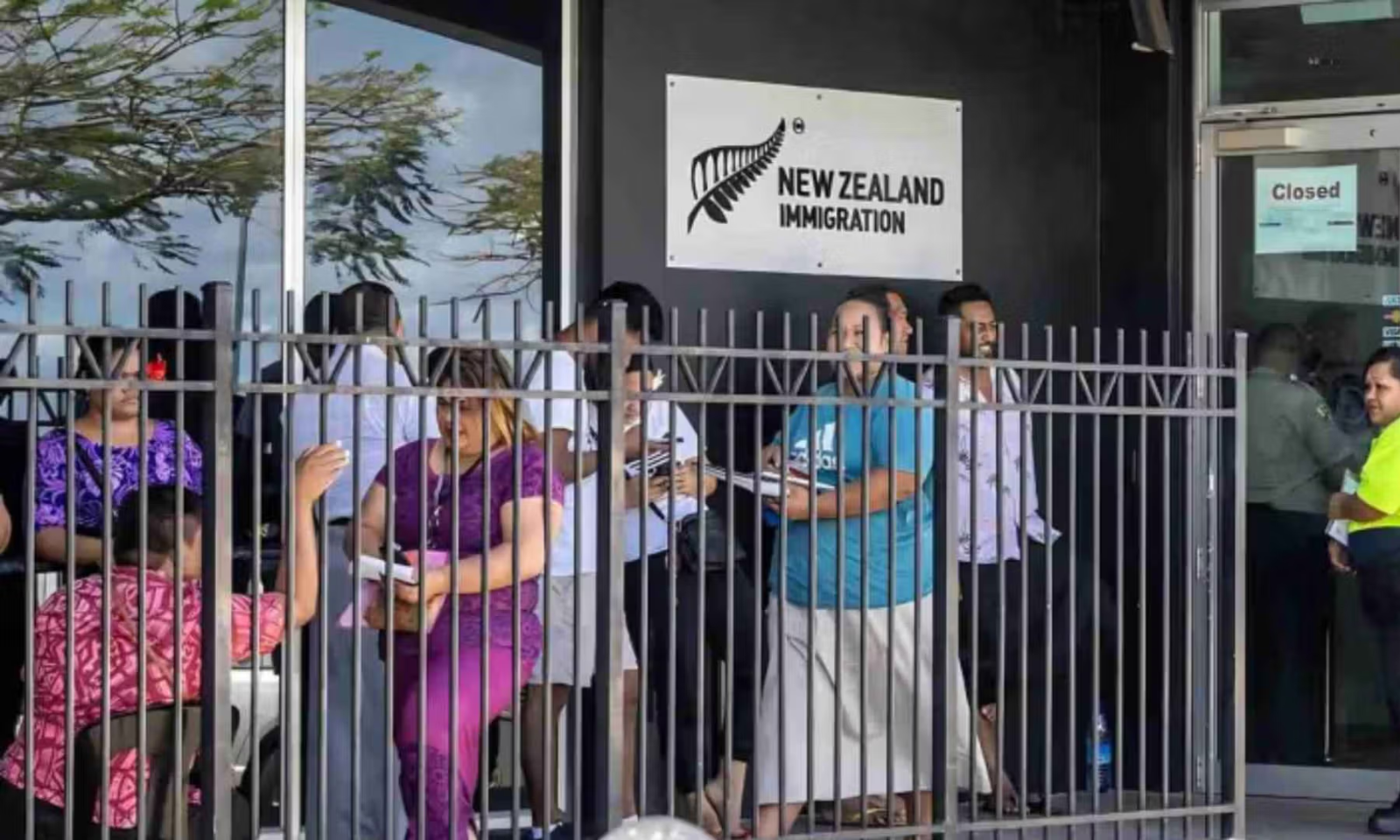
Photo/RNZ/Yiting Lin
Christina Stringer, Director of the Centre for Research on Modern Slavery at the University of Auckland Business School, told PMN News that Pacific workers have featured heavily in New Zealand's most serious exploitation cases.
"To date, there have been five human trafficking and slavery trials in New Zealand. Three of those trials involved Pacific Islanders," she said.
New Zealand has more than 20,750 places available under the Recognised Seasonal Employer (RSE) scheme, with many Pacific workers employed across horticulture and other industries.
Ikenasio said Pacific workers are often employed in sectors where exploitation is more common.
"There are high-risk sectors such as retail, hospitality, primary industries, which include horticulture and manufacturing as well, and transport," she said.
"And when we look at our Pacific people, we make up a large population that contributes to those sectors."

Photo/Ministry of Foreign Affairs, Solomon Islands
Ikenasio also believes Pacific workers are less likely to report exploitation, making it even more important that they understand their rights before problems arise.
"Regardless of whether you're a migrant or not, you should be afforded the same minimum entitlements and standards as everyone else," she said.
Earlier this year, the Government committed $18 million over four years to strengthen New Zealand's response to migrant exploitation, boosting frontline teams and investigations.
Ikenasio said tackling exploitation requires agencies to work together.
"We collaborate with other agencies, so it's not isolated just to the Labour Inspectorate. We work across the board with other regulatory partners to ensure that we are preventing and addressing the harm," she said.
In April, Parliament passed the first reading of the Modern Slavery Bill, which aims to strengthen New Zealand's legal response to modern slavery and labour exploitation.
Workers who believe they are being exploited are encouraged to contact Employment New Zealand for advice and support.
This story has been updated to clarify that the Labour Inspectorate is part of the Ministry of Business, Innovation and Employment (MBIE) and not a separate organisation as may have been implied earlier.