Vanuatu launches container classroom trial to keep learning going after disasters
Renate RiversWed, 29 Apr
StatsNZ has released the latest nationwide survey.
Photo/MPP
StatsNZ's Rosemary Goodyear says she is grateful for the increased participation by tangata whenua and Pasifika in Census 2023.

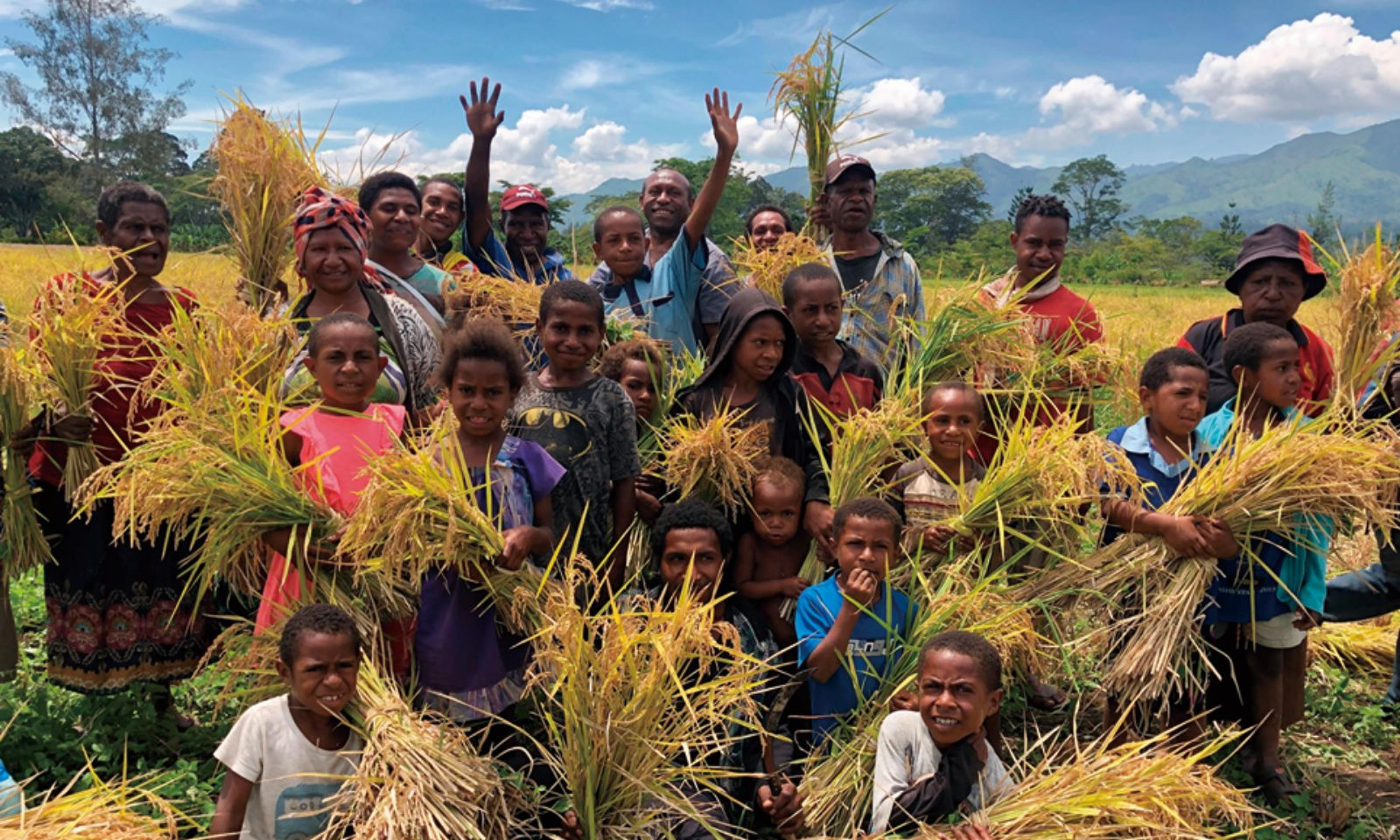
There has been an improvement in responses by Māori and Pacific people in the latest Census compared to previous surveys, a senior analyst at Statistics New Zealand says.
Census 2023 was released last week and found that New Zealand's population continues to diversify with the Pacific populace increasing, by regional council areas, from 7.4 per cent to 8.9 per cent.
Speaking to William Terite on Pacific Mornings, Rosemary Goodyear said the "fantastic" response rate increase meant the department could better understand Pacific communities, especially in the language and housing data.
Watch the full interview with Rosemary Goodyear below.
"I want to thank everyone who took part. There was a lot of work that was done to try and improve response rates for Māori and Pasifika particularly so that has kind of paid off," she said.
Recently, the Ministry for Pacific Peoples reported that Statistics Minister Dr Deborah Russell said the overall Census return rate increased to 89 per cent from 82 per cent in 2018.
However, Russell said there was still more work to do especially with Māori and Pacific people's return rate at 74 per cent and 79 per cent respectively.
“They have also lifted from 2018 but are still not as high as we would want," Russell said.
As for the latest data, Goodyear said although the Pacific population grew across the country, it was especially notable in the South Island.
"In Canterbury in 2013, 2.5 per cent of the population was Pacific and now it's 3.7 per cent."
The Census also found Otago's Pacific population had increased by 1.4 per cent from 2 per cent in 2013.
"I was just talking to someone from the Southland district. They were excited to see their growth in the Pacific population."
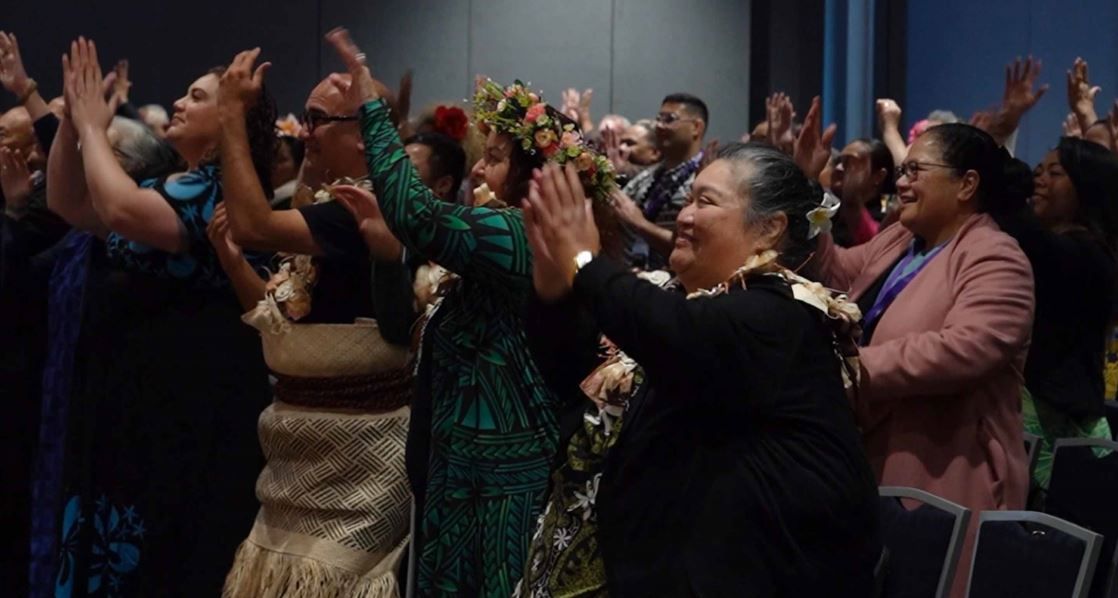
The Pacific population across Aotearoa has grown by 1.5 per cent since 2013 which equates to a rough estimate of more than 130,000 more Pasifika in the country.
The highest Pacific population growth of 2 per cent was found in the Auckland region, going from 14.6 per cent in 2013 to 16.6 per cent.
Why the South Island is seeing Pacific population growth
Goodyear said their research last year, Pacific housing: People, place, and wellbeing in Aotearoa New Zealand, revealed employment as a highly desirable factor for Pacific people.
She said this was one reason why the South Island Pacific population had a noticeable growth.
"We've had Pacific people, particularly in rural employment places like Ashburton District.
"[We] also saw that down in other parts of the country so a lot of it is to do with employment."
She said Pacific people anecdotally had high fertility rates, however, that notion was yet to be confirmed, possibly by October this year.
"I think there's going to be a lot more information out and on the 3rd of October but there's going to be some amazing stories that we can tell then."

Ministry for Pacific Peoples and Stats NZ campaign last year to increase response rates to 2023's Census.
NZ-Pacific population percentage-based (grouped total responses - level 1) increases by regional council areas:
Auckland region: +2 per cent
Gisborne region: +1.8 per cent
Hawke's Bay Region: +1.8 per cent
Northland region: +1.7 per cent
Manawatū-Whanganui region: +1.5 per cent
Tasman region: +1.5 per cent
Marlborough region: +1.4 per cent
Otago region: +1.4 per cent
Waikato region: +1.4 per cent
Bay of Plenty: +1.2 per cent
Canterbury region: +1.2 per cent
Southland region: +1.2 per cent
Wellington region: +1.1 per cent
Nelson region: +1 per cent
Taranaki region: +1 per cent
West Coast region: +0.6 per cent
Total, regional council areas: +1.5 per cent
Area outside region: +3.3 per cent
Total, New Zealand by regional council: +1.5 per cent