
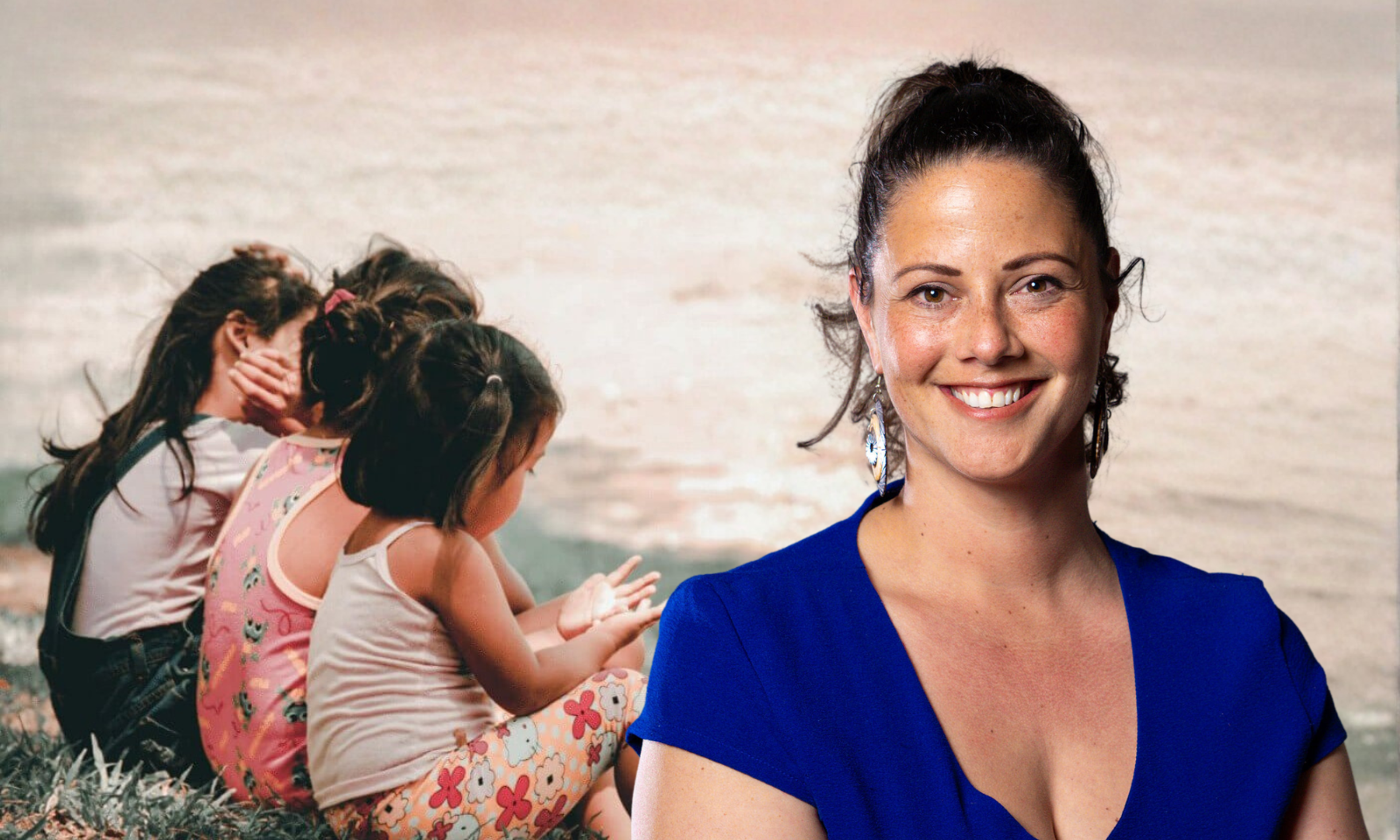
Pacific Mornings guest host Khalia Strong argues for better, long term support for families' health.
Photo/Composite/File
Opinion
My Perspective: NZ can't afford to make parenting unaffordable
An extra $22 a week helps, but if children cost too much, New Zealand’s future will pay the price, writes Pacific Mornings' guest host Khalia Strong.

Khalia Strong
Published
19 June 2026, 10:19am
Share
Copy Link
Top stories
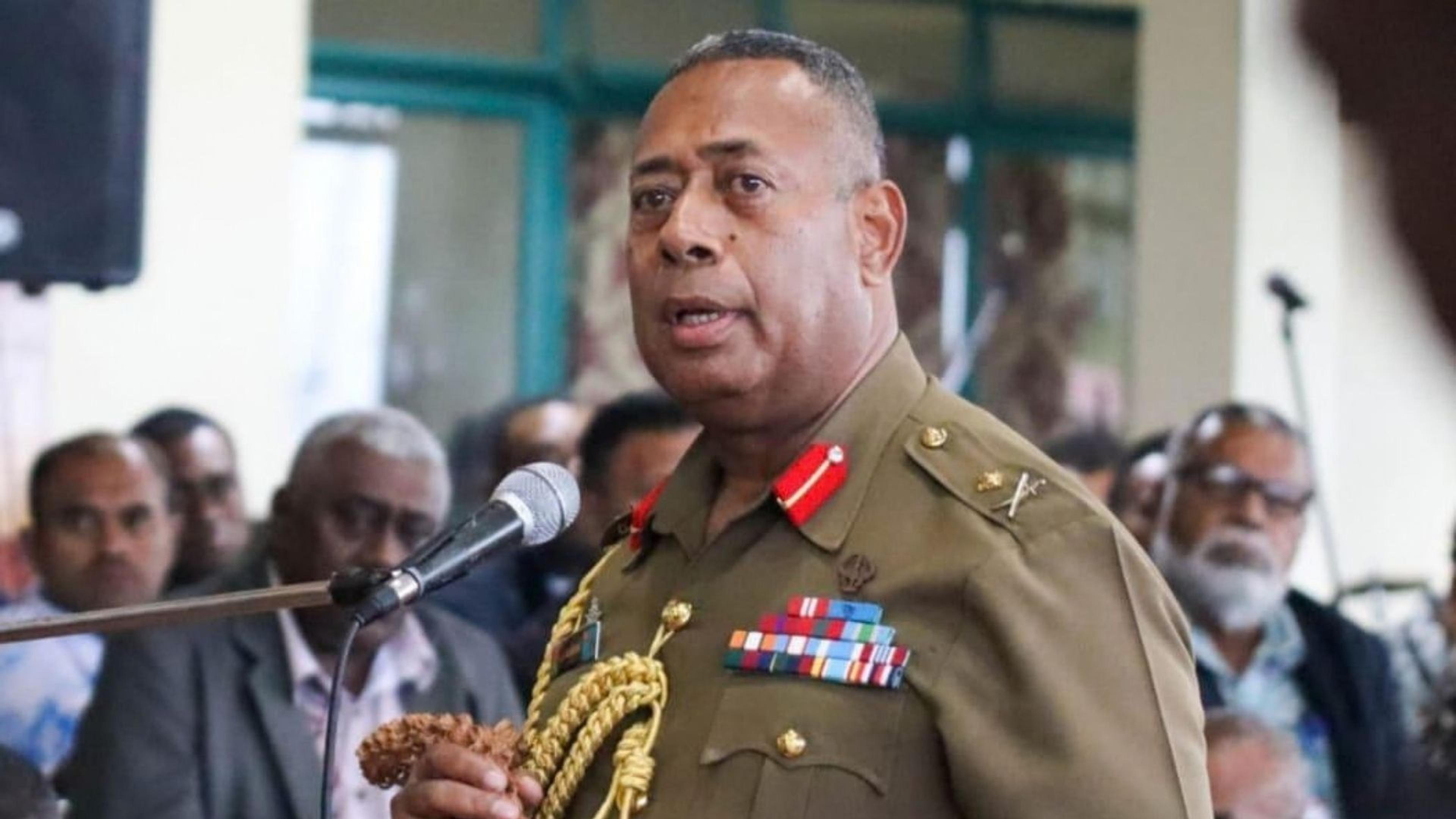
Fiji's army chief warns the gun must never overrule the ballot
Christine RovoiMon, 12 Oct

Yesterday evening, the Government announced an increase to paid parental leave from $788.66 to $811.05 a week.
But an extra $22 a week also highlights a bigger issue: New Zealand is becoming an increasingly expensive place to have and raise children.
There is also something notable about who is announcing this. Workplace Relations and Safety Minister Brooke van Velden, who announced the increase, is expecting a baby herself, giving her firsthand insight into the physical, emotional and financial realities of preparing for a child.
As an expectant mother, she has spoken about the importance of giving parents time to bond with their child. She is right. But in 2026, $22 does not go far.
For many families, that could mean a pack of nappies, or a tin of formula, It certainly does not offset rising rent, mortgage payments, power bills and transport costs.
And the financial strain does not begin when the baby arrives. It starts much earlier.
Watch My Perspective below.
That is why Labour’s proposal to make maternity scans free deserves attention, alongside free cervical screening and three free doctor visits a year.
Labour has also pledged to reinstate universal free prescriptions. I understand many may argue that it shouldn’t be applied to everyone - but I also believe it removes another cost barrier for families already under financial pressure.
This matters even more for Pacific families, who already face greater barriers to healthcare and higher cost-of-living pressures.
No parent should have to choose between essential healthcare and paying the bills.
It also matters for New Zealand’s long-term wellbeing.
Birth rates are falling across every ethnic group. Even among Pacific communities, who continue to have the country’s highest fertility rate, the numbers are declining sharply.

A country that becomes too expensive to raise children in is a country quietly undermining its own future. Photo/File
Pacific women now have an average of 2.03 births per woman, down from 2.73 a decade ago. European fertility has dropped from 1.92 to 1.56.
These are not just statistics. They reflect real families making difficult decisions about whether they can afford to have children.
New Zealand’s school roll is projected to fall by around 42,000 students in the next decade. Fewer births today mean fewer children in classrooms tomorrow, fewer workers in the economy later, and eventually fewer taxpayers supporting an ageing population.
A country that becomes too expensive to raise children in is a country quietly undermining its own future.
Paid parental leave exists because caring for a newborn is work. Essential work. But our policies still treat parenthood as an optional 'frivolous' choice.
When paid parental leave ends, many parents are pushed back towards work because the economic reality leaves them little choice.

If New Zealand wants to thrive, we need to become a place where having children feels possible, not financially reckless. Photo/File
Too often, our system places greater value on paid labour than on caregiving, even though raising children is among the most important work there is.
If New Zealand wants to thrive, we need to become a place where having children feels possible, not financially reckless.
That means affordable healthcare during pregnancy, meaningful parental leave, free prescriptions, accessible childcare, and housing families can actually afford, homes that are warm, dry, and close to opportunity, with healthy food within reach.
In short, we need to make New Zealand a great place to raise children.
Brooke, if you’re listening - I hope motherhood softens you. I hope your child grows up in a school system where their classmates are fed, and not penalised if their parents haven’t packed their lunch.
I hope you show up for school pickup and hear the other mums talking about real-life issues such as unemployment and the dental care they’ve put off due to cost.
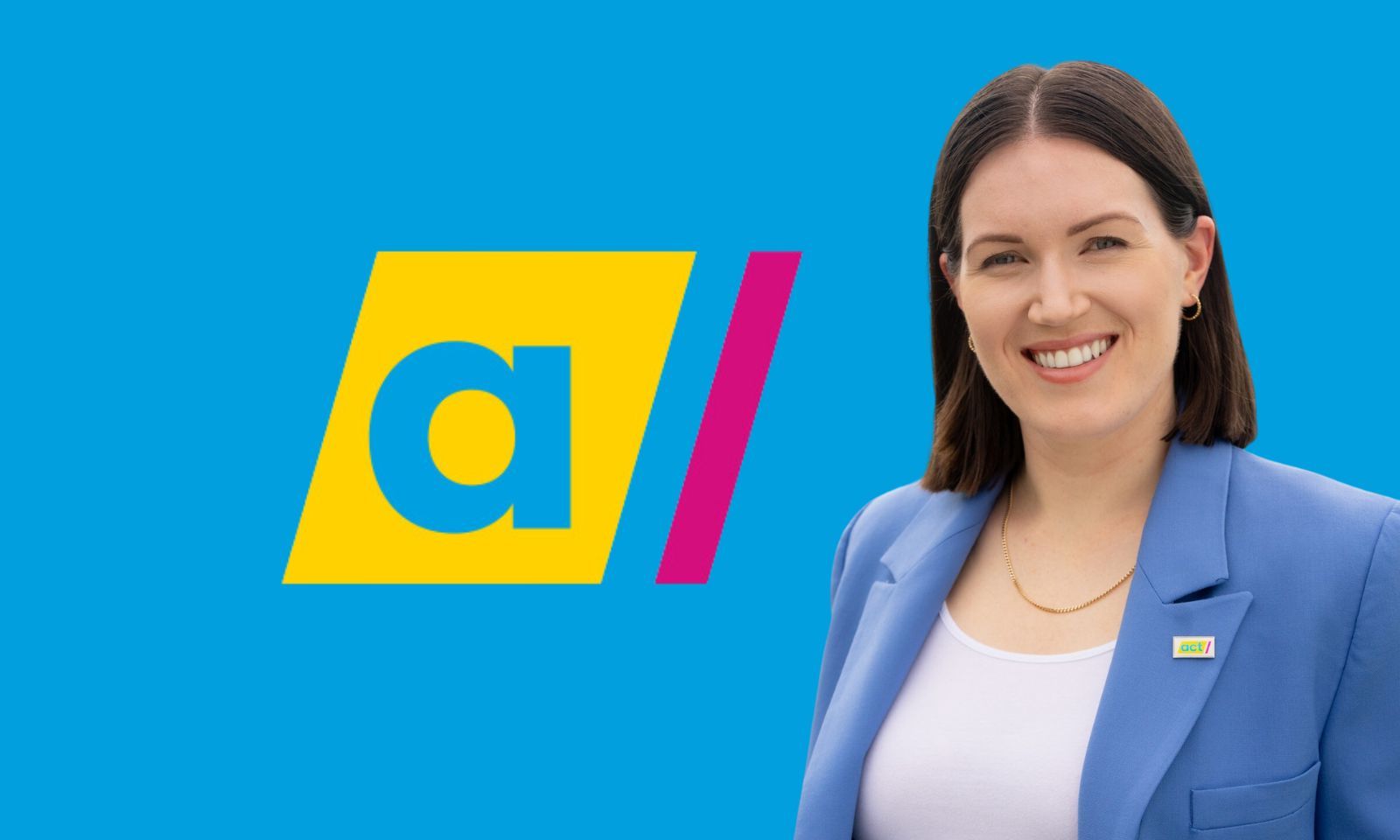
Brooke van Velden, ACT MP, is the Minister for Workplace Relations and Safetly. Photo/File
I hope your future child is able to afford tertiary study, and if you have a daughter, that they have pay equity with their male counterparts.
Because the future of this country depends firstly on whether the next generation gets born, and whether their parents can afford to give them the best possible start and future.