
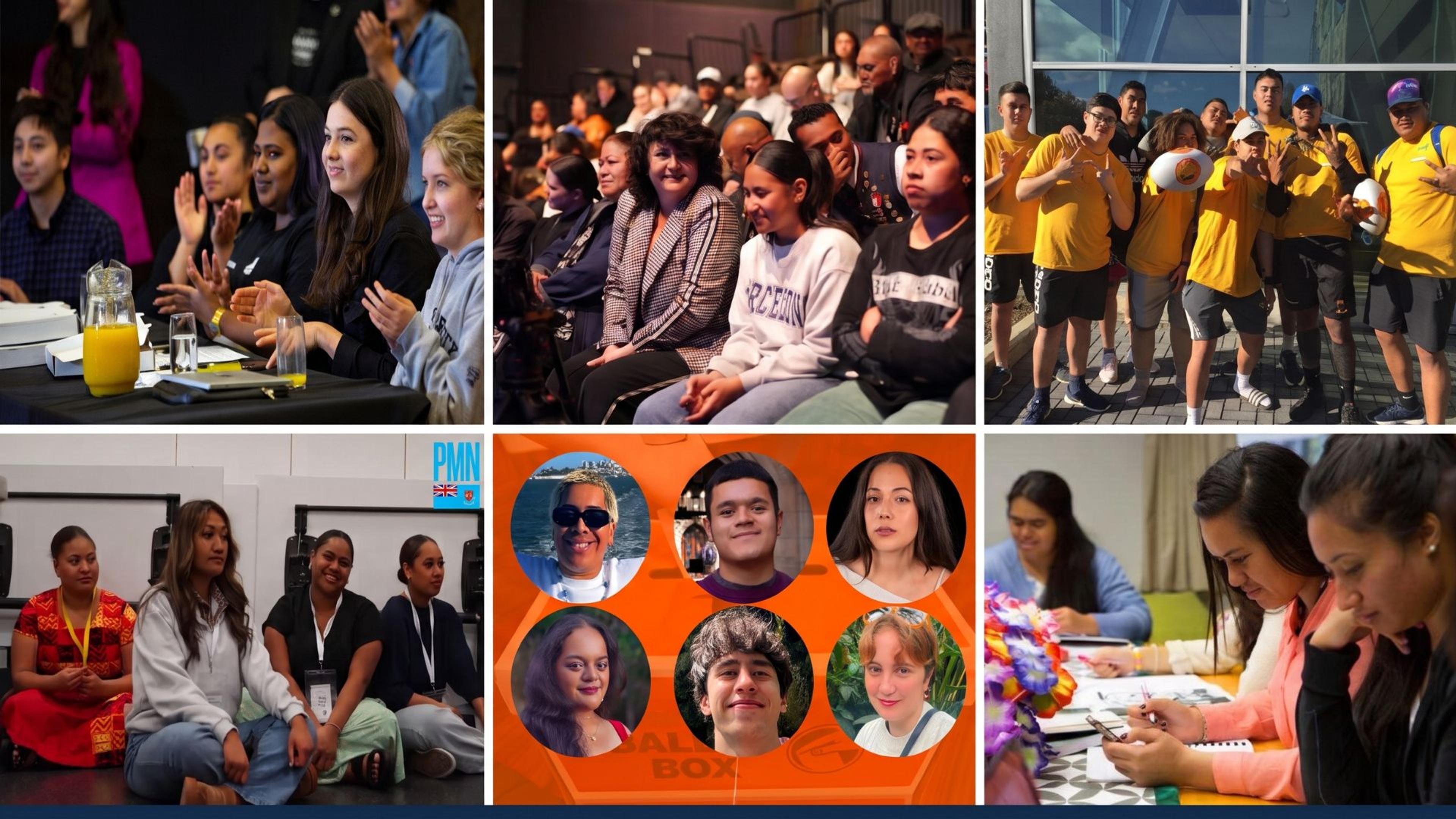
Young Pacific voters are set to turn their political frustrations into action at the ballot box.
Photo/PMN News composite
Opinion
Better the devil we know? Young voters in NZ know the devil and want it held to account
Since the Panthers, Pacific resistance has fought the same fight. Now a new generation is using its voice, its vote and its expectations to demand results.

Thomas Tarurongo Wynne
Published
06 November 2026, 2:00pm
Share
Copy Link
Top stories

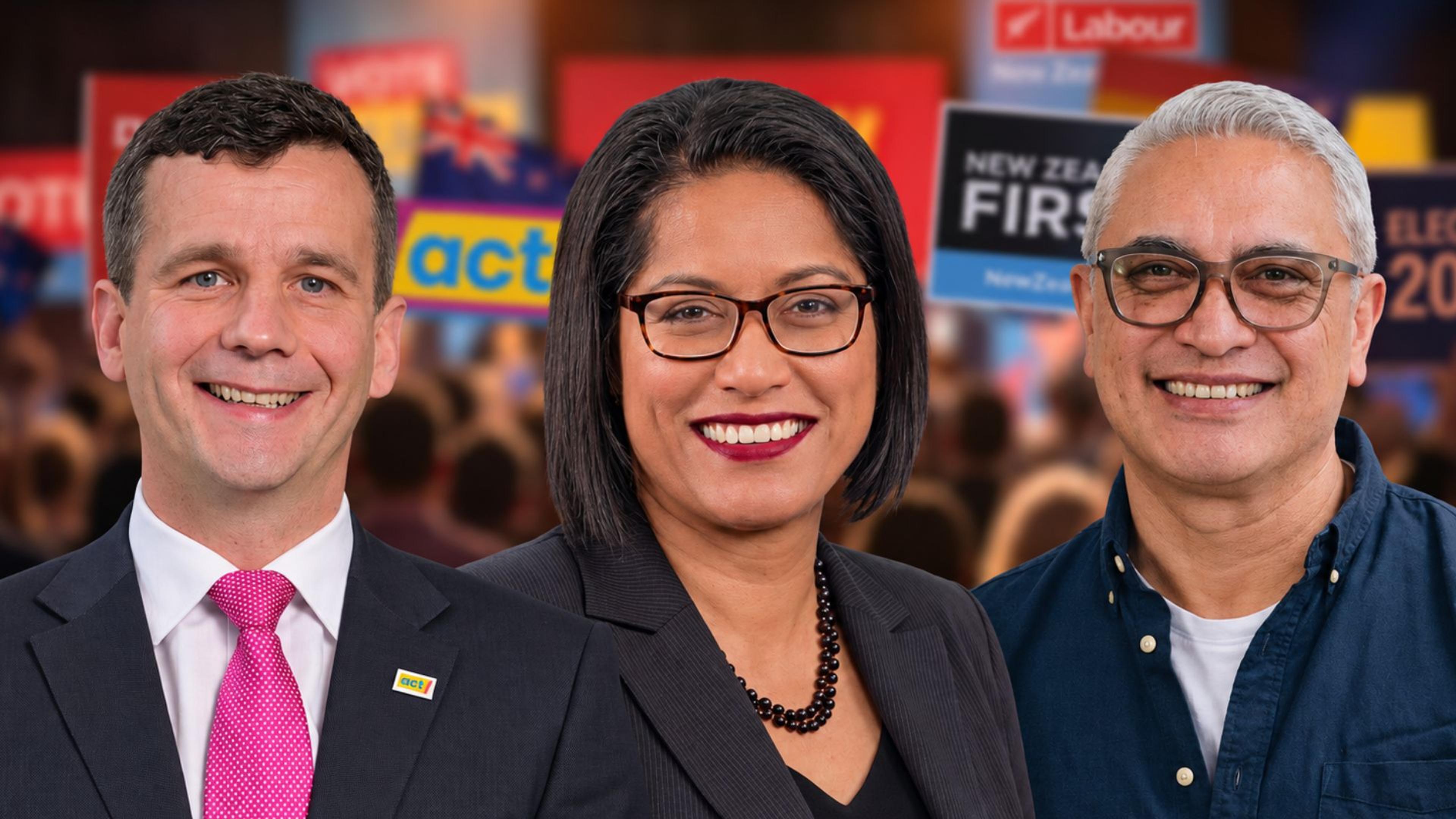
Pacific vote in focus as parties make final pitch before election day
Christine RovoiFri, 06 Nov
Top stories
Pacific vote in focus as parties make final pitch before election day
Christine RovoiFri, 06 Nov
“Better the devil you know” is advice many of our parents and grandparents lived by. Knowing the devil meant seeing the harm clearly and still choosing it. But has that choice delivered?
Pacific unemployment nearly doubled from 5.9 per cent in March 2023 to 11.5 per cent in September 2026. The 2024/25 New Zealand Health Survey found 25.1 per cent of Pacific adults had gone without a GP visit because of cost, compared with 14.9 per cent of all adults. In 2023, 19.9 per cent of Pacific people aged 15 and over owned or partly owned a home.
Pacific MPs across parties have pursued change for decades. But has representation turned Pacific aspirations into results?
The Polynesian Panthers knew the devil too and named it. In the 1970s they confronted the Dawn Raids, police harassment and racism while running homework centres and teaching families their legal rights. That tradition continues through unions, churches and NGOs.
Yet naming the devil has not made it leave.
The PMN News-Horizon Research Pacific Issues Election Survey found only one in three Pacific 18 to 24-year-olds were certain to vote.
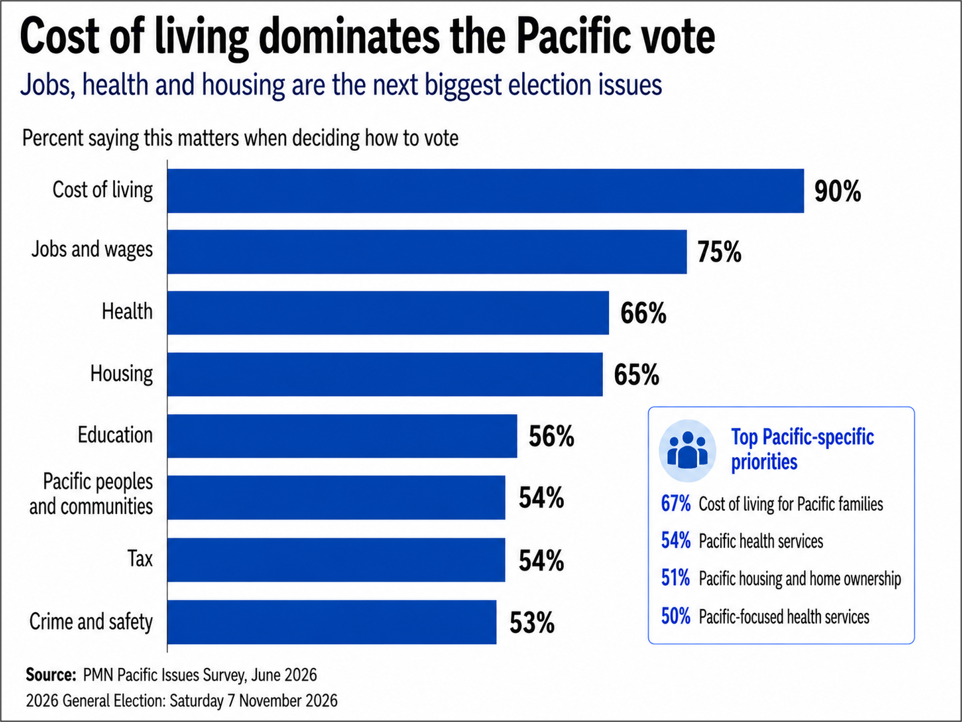
“I think sometimes we confuse disillusionment with apathy. So it's not that young people don't care about politics. Politics needs to care about young people,” Fania Kapao, a Whau Local Board member who grew up in Avondale, said in PMN News interviews with six young Pacific voters ahead of the election.
So what does this generation do with what it knows?
“I see that there is an uprising with my generation because we are more informed and have a better understanding with politics,” Patrima Tauira, a Pukapukan and Atiuan social worker in Porirua, says.
Watch Andre Fa'aoso's full interview below.
Andre Fa'aoso, a Tongan former PMN News reporter now a senior at Yale, says: “Pacific people are amongst the youngest demographic in New Zealand, and with that comes a need to ensure we impress on our political institutions what our needs are.”
He told Pacific Mornings the major parties hold “a particularly unimaginative idea for what New Zealand's future could be”.
Katie-Rose Ruana Pemberton, a first-time voter from South Auckland, says: “It takes one person to start and then everybody starts following along with it. The more that we vote, the easier it becomes for others to follow through.”
Aaron Clancey-Browne, an engineering student who came from Rarotonga as a child, says: “So I am voting because words should be backed up with action.”
Is that settling for the devil or holding it to account?
Economist Tayla Forward's Income, Wealth, and Tax at the Top report for Tax Justice Aotearoa estimates the very wealthy paid an effective tax rate of 8.1 per cent between 2021 and 2024, compared with 17.4 per cent for the median-wealth adult, based on broad economic income.

Large political donations have become a focus of debate during this year’s election campaign. Photo/RNZ
More than $8 million in large political donations has been given this election year, with almost 40 per cent coming from 10 donors, according to RNZ's political donations tracker. Nick Mowbray, of the Zuru family, has given $475,000, split between National and ACT.
His father, Harry Mowbray, is behind a vote-splitting campaign urging conservative voters to engineer an overhang. National has complained to the Electoral Commission about the campaign, which the commission is investigating, according to the reports cited above.
There are plans for an election-night gathering at the family's Coatesville mansion as Harry Mowbray pursues replacing MMP.
“If we don't drive it, someone else will drive it,” Mowbray told Newsroom.
One side wants to rewrite the rules. The other wants the rules to finally deliver.
Listen to Katie-Rose Ruana Pemberton's full interview below.
So what's at stake?
Georgia Broadbent-Berge, a London film studies student with Rarotongan and Atiuan roots, says: “Māori, Pasifika people predominantly get the worst kinds of healthcare. That's not even a question, that's just a fact.”
Labour proposes three free GP visits a year, funded by a capital gains tax. National promises prosperity through debt reduction and investment. The Greens back progressive home ownership, while ACT promotes charter schools. New Zealand First proposes breaking up supermarket and electricity market power. The Opportunity Party offers a Citizen's Income, and Te Pāti Māori calls for decisions centred on mokopuna.
Which offers give families greater control over their future and which leave them waiting?
“Our parents and grandparents worked incredibly hard to create opportunities for us,” Kapao says. “I think participating in democracy is one way we continue that legacy.”

Youth Parliament 2025: Young people take part in New Zealand’s Youth Parliament, getting a closer look at the country’s political system. Photo/PMN News/Joseph Safiti
From the billionaire family's manor in Coatesville, Mowbray says that if his side does not drive change, someone else will. That someone else is Tauira and her generation, standing on the shoulders of Pacific resistance.
“I am here. I will be heard. I matter. I do care, so I vote,” she says.
Our parents knew the devil and chose it. The Panthers knew the devil and named it. This generation knows the devil too and wants the rules to deliver.
Tauira's message to those still deciding to vote is direct: “It doesn't take long, hurry up!”