
Fiji reviews suspected cyber breach at Suva regional organisation
Christine RovoiThu, 15 Oct
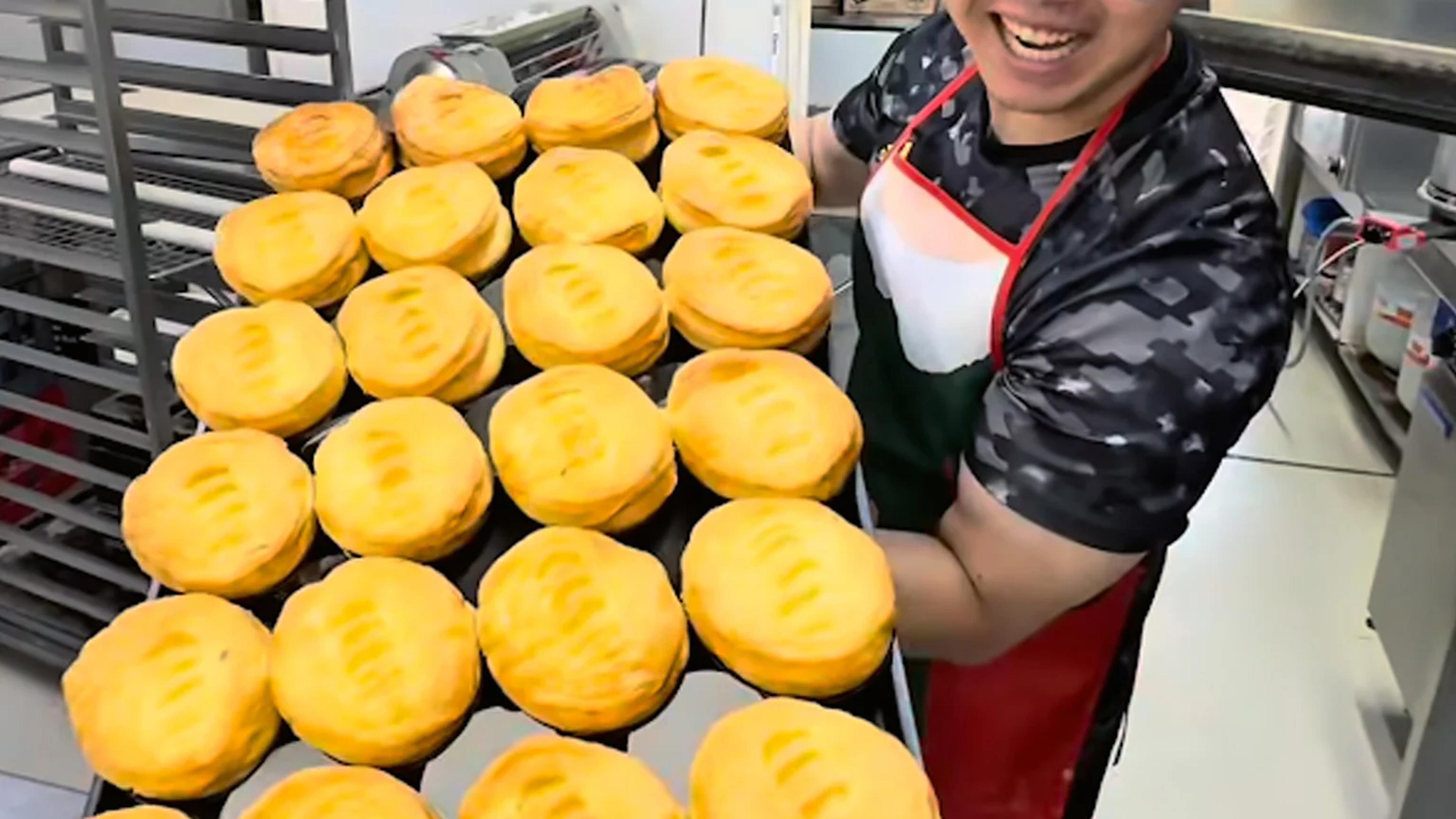
The withdrawal of lo‘i hoosi pies has sparked wider debate about /food safety oversight and access to culturally significant foods.
Photo/Facebook
The withdrawal of a bakery’s popular horse meat pies reveals deeper weaknesses in New Zealand’s food safety system that disproportionately affect Pasifika and other migrant communities.

The recent decision by Pakuranga Bakery to withdraw its popular lo‘i hoosi pies should not be viewed as an isolated incident. Rather, it highlights a predictable risk arising from deeper gaps in New Zealand’s food safety ecosystem - gaps that disproportionately affect Pasifika and other migrant communities.
As a former food safety regulator and a member of the Tongan community, I see this not simply as a compliance issue, but as the consequence of a system that has retreated from education and cultural partnership in favour of bureaucratic consolidation.
To some media outlets, the “lo‘i hoosi meat pie” story has been framed as a novelty. Within parts of our communities, however, the issue is widely understood and quietly discussed. This is not unique to Tongans; similar pressures exist across several communities facing rising living costs. Where the gap between the price of legitimate, regulated food and what families can realistically afford becomes too wide, informal and illegal supply chains inevitably emerge. In some cases, these practices have become deeply entrenched, making meaningful change increasingly difficult without sustained and well-resourced intervention.
Based on publicly reported information and long-observed patterns within informal meat supply networks, it is likely that the horse meat involved originated from sources intended for non-human consumption, such as farm kills destined for the pet food trade. This may help explain why such meat is sometimes described as a “delicacy”- not because of culinary distinction, but because of its low, tax-free cost. For families under financial pressure and navigating cultural obligations around large gatherings, these informal channels can appear to offer an attractive alternative, despite the significant risks involved.
My engagement with this issue is longstanding and personal. More than a decade ago, I encountered pet-food-grade meat being sold at a community market in Māngere. The legal requirements have always been clear: meat intended for human consumption must be processed through a regulated abattoir, where it is inspected for disease, contamination, and chemical residues, and handled under strict hygiene and labelling standards. This regulatory framework exists to protect public health.
Yet a significant disconnect remains. New Zealand has licensed, internationally approved processors exporting high-quality horse meat overseas, but for many families, legitimately processed products are financially out of reach. This price gap creates a vacuum readily filled by opportunistic suppliers who misrepresent pet-food-grade meat as a bargain for human consumption. The public health implications are serious. Uninspected meat can carry pathogens such as Salmonella or E. coli, or contain harmful residues from veterinary treatments. Children and older people are particularly vulnerable to severe illness.

Pasifika communities say rising food costs and gaps in culturally informed regulation can push families towards informal food supply chains. Photo/RNZ/file
There is also a broader, transnational concern. I have personally encountered instances where uninspected meat was prepared for informal overseas gifting to relatives. While often well-intentioned, this practice risks extending food safety failures beyond our borders and could ultimately undermine New Zealand’s reputation for producing safe, high-quality food.
At the core of this issue is not a lack of law, but a serious gap in understanding and engagement. The pivotal mistake was the dismantling of dedicated community-based food safety education. Following the 2012 merger that created the Ministry for Primary Industries (MPI), the New Zealand Food Safety Authority’s proactive, community-facing education role was significantly reduced. Generic, English-language materials and website updates are insufficient when dealing with deeply rooted cultural practices and economic realities. From the perspective of former community educators, regulation has become increasingly reactive, rather than preventative.
Yet there is a proven blueprint for doing better. The solution does not lie in punitive enforcement alone, but in partnership and intelligent investment. Programmes such as Umu Pasifika, which I helped develop, demonstrated what is possible when regulators work alongside communities. Delivered through the culturally familiar context of preparing a traditional underground oven, the programme translated complex food safety requirements into practical, shared knowledge. It respected cultural traditions while reinforcing non-negotiable safety standards, and it worked because it was designed by the community, for the community.
If MPI is serious about preventing future incidents, it must move beyond enforcement and return to empowerment. This includes:
Funding and reinstating culturally informed education programmes co-designed with Pasifika health leaders and community organisations.
Investing in multilingual communicators able to engage effectively through churches, community markets, and digital platforms.
Exploring, in consultation with industry and communities, pathways to reduce the cost gap between legitimate culturally significant meats and household affordability.
The Pakuranga Bakery case should serve as a warning. It exposes a supply chain shaped by necessity and exploitation, operating within a regulatory gap that has developed over time. This is not a problem we can simply police away. Rebuilding trust, understanding, and access to safe food practices is the only sustainable path forward. The health of our communities - and the integrity of New Zealand’s food system - depend on it.
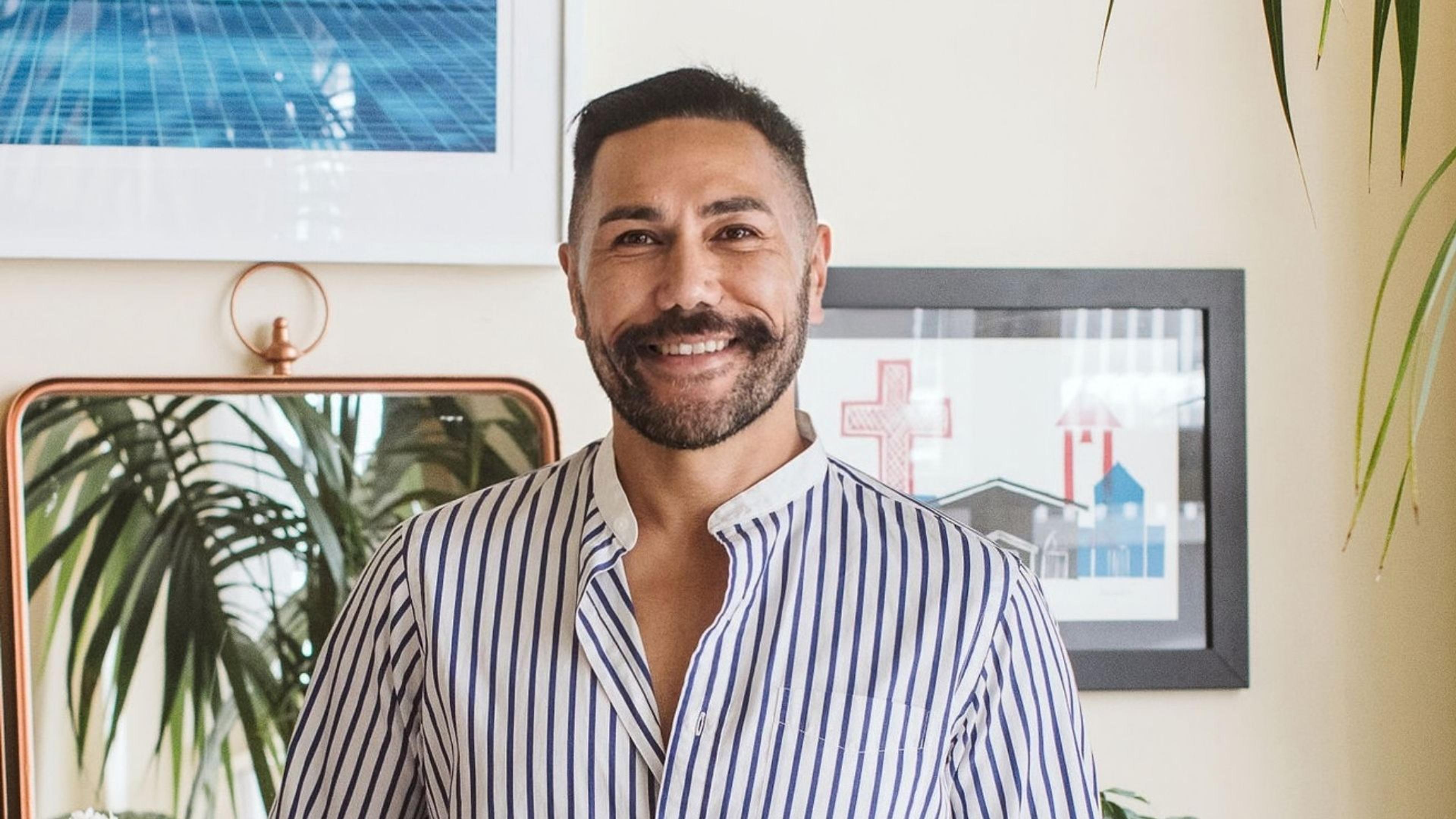
Melino Maka is a former Board Member of the NZ Food Safety Authority and developer of Umu Pasifika.
This article was first published in the Tongan Independent.