High blood pressure a silent killer, Solomon Islands calls for stronger action
Lachlan EddieFri, 23 Oct
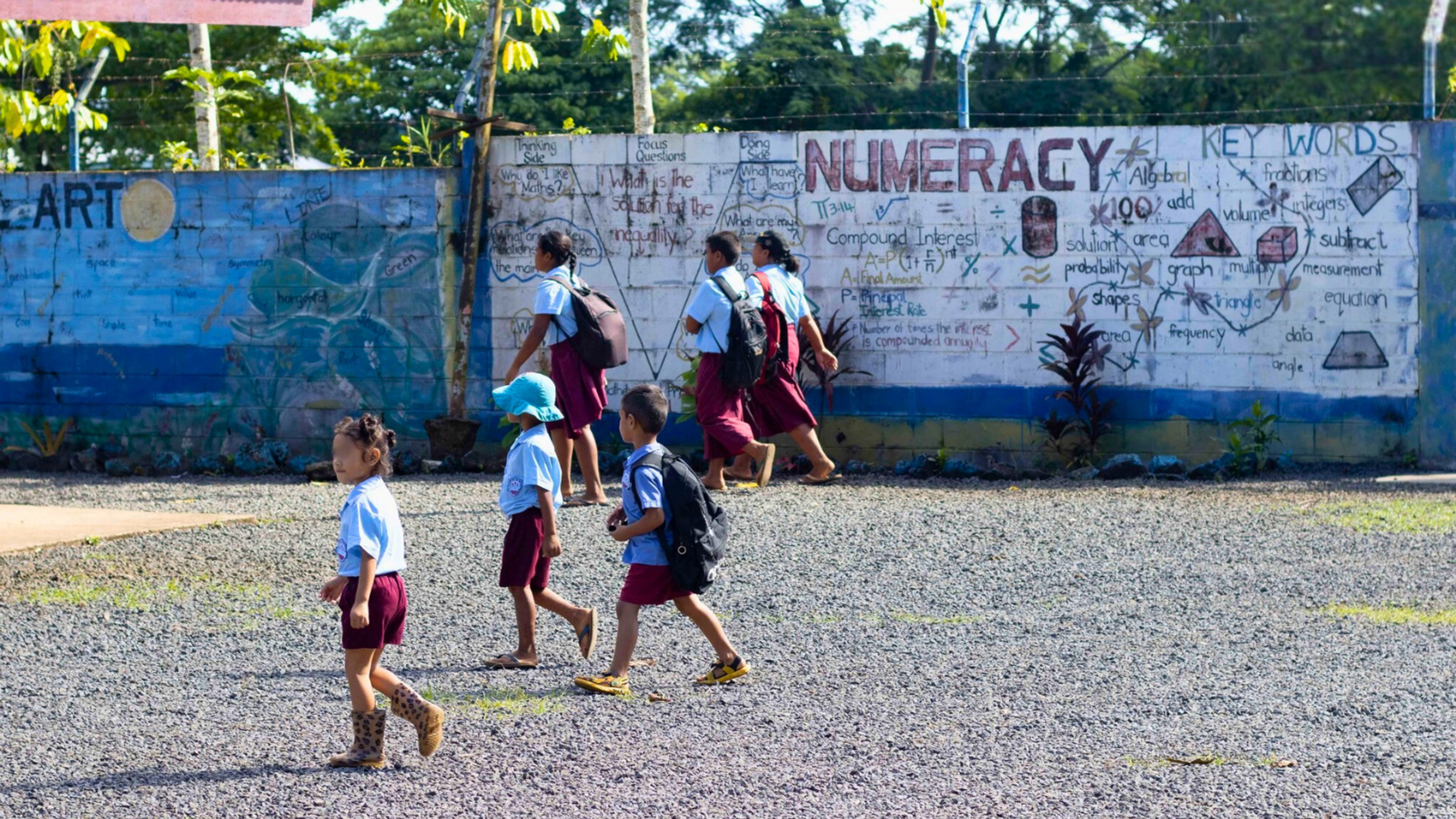
The government's back-to-school payment is expected to ease the burden of school expenses faced by families.
Photo/Government of Sāmoa
Millions promised in January are finally reaching families after the government paused the rollout over concerns it could be seen as election bribery.



The Sāmoan government is rolling out its delayed ST$150 (NZ$91) back-to-school support via district councils, weeks after postponement over concerns about influencing two by-elections.
Prime Minister Laaulialemalietoa Leuatea Polataivao Schmidt announced the ST$32.25 million (NZ$19.9m) assistance in January.
The grant aims to help families with education costs at the start of the school year.
But in mid-February, the government delayed the programme, following concerns that distributing the funds before the by-elections held that month in Safata I and Vaisigano II could be perceived as influencing voters.
At that time, Laaulialemalietoa said Cabinet considered the risk of the payment being seen as election bribery, leading to a decision to postpone the rollout until after the polls.
He noted the limited time left before the financial year ends in June, and promised that the funds would be available on 28 February, immediately following the by-elections.
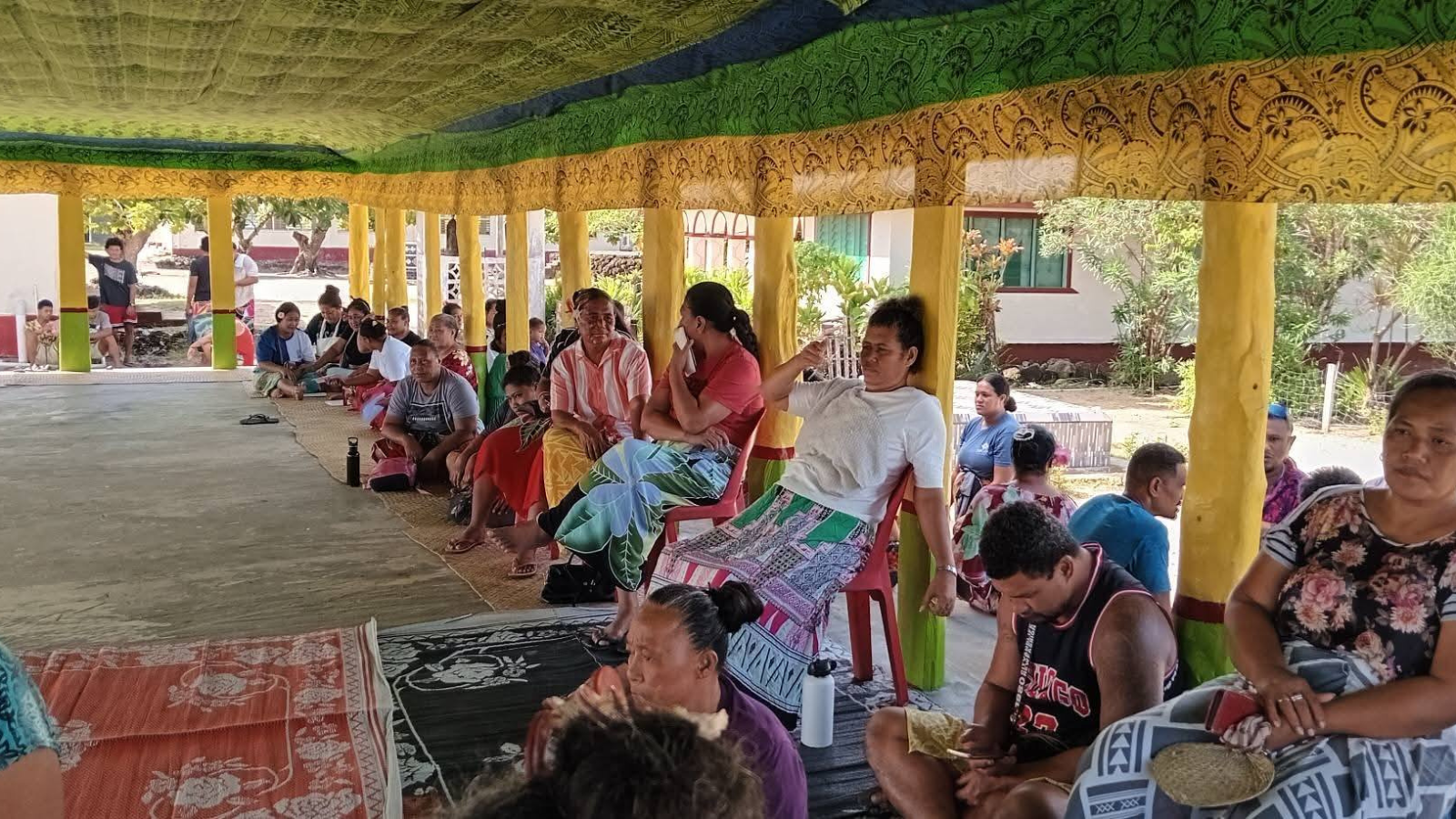
Residents of Faasaleleaga IV lining up this week to register and claim their back-to-school grant. Photo/Supplied
The money is drawn from the broader ST$91.8m (NZ$56.9m) District Development Programme (Fono Faavae), under which each of Sāmoa’s 51 districts receives ST$1.8m (NZ$1.1m) annually.
Overall, ST$32.25m (NZ$19.9m) has been earmarked for the back-to-school payout, with the remaining funds used for other district projects.
Under the back-to-school scheme, payments are distributed through the Fono Faavae offices, which verify residents' eligibility before releasing funds.
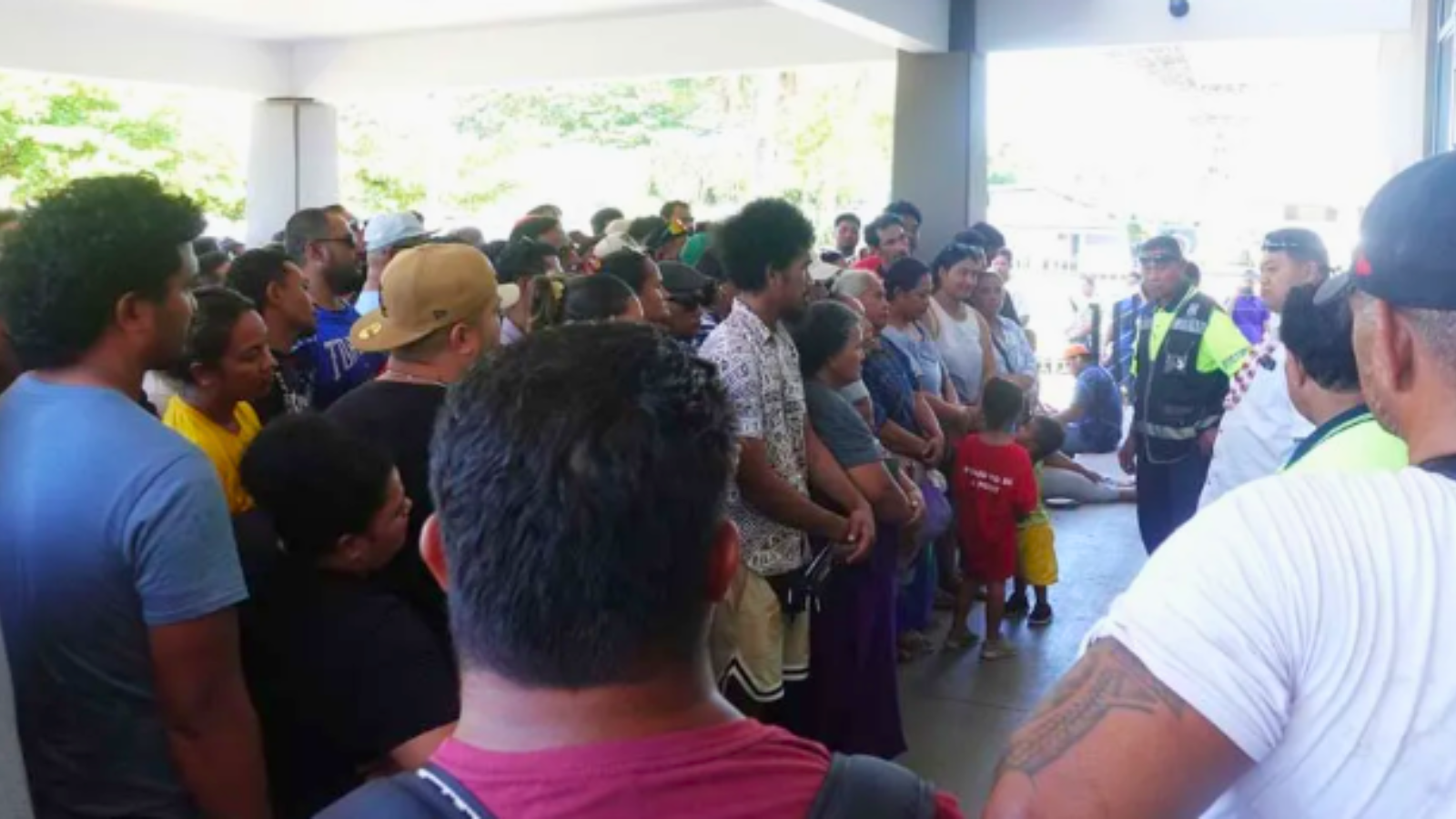
Unregistered voters queued at the Office of the Electoral Commission. Photo/Talamua Media
According to recent notices from Fono Faavae offices, the rollout has now started in many districts across the country. The exception is Faasaleleaga II, which remains suspended from the Fono Faavae programme.
Aana Alofi II was among the first districts to distribute payments, with MP Aiono Alec Ekeroma announcing on 28 February that ST$400,000 (NZ$248,000) was available for residents.
In Faleata II, officials addressed residents’ concerns about the payment delay and confirmed funds had arrived, with safe, orderly distribution being arranged.
Eligibility requirements for the payment are strict. Recipients must be Sāmoan citizens and registered voters within their district and must present valid identification to claim any money.
Officials say the electoral requirement has also prompted a surge in voter registrations.
Watch (Sāmoan) a press conference with Moefaauouo Julius Tafunai, Minister in charge of Women, Community and Social Development:
The Office of the Electoral Commissioner recently reported that more than 8000 previously unregistered voters turned up to register after being told they would not qualify for the payment unless they were on the electoral roll.
The scheme has also attracted criticism from the opposition Human Rights Protection Party (HRPP).
In a statement issued in February, HRPP leader Tuilaepa Sailele Malielegaoi said announcing the payments around the time of the by-elections risked influencing voters and raised concerns about the use of public funds during an election period.
The government has maintained that postponing the payout until after the polls was intended to prevent the programme from being interpreted as an electoral inducement.
As funds continue to be deposited into district accounts, Fono Faavae committees are organising verification and payout schedules, meaning residents in different constituencies may receive payments at different times in the coming weeks.