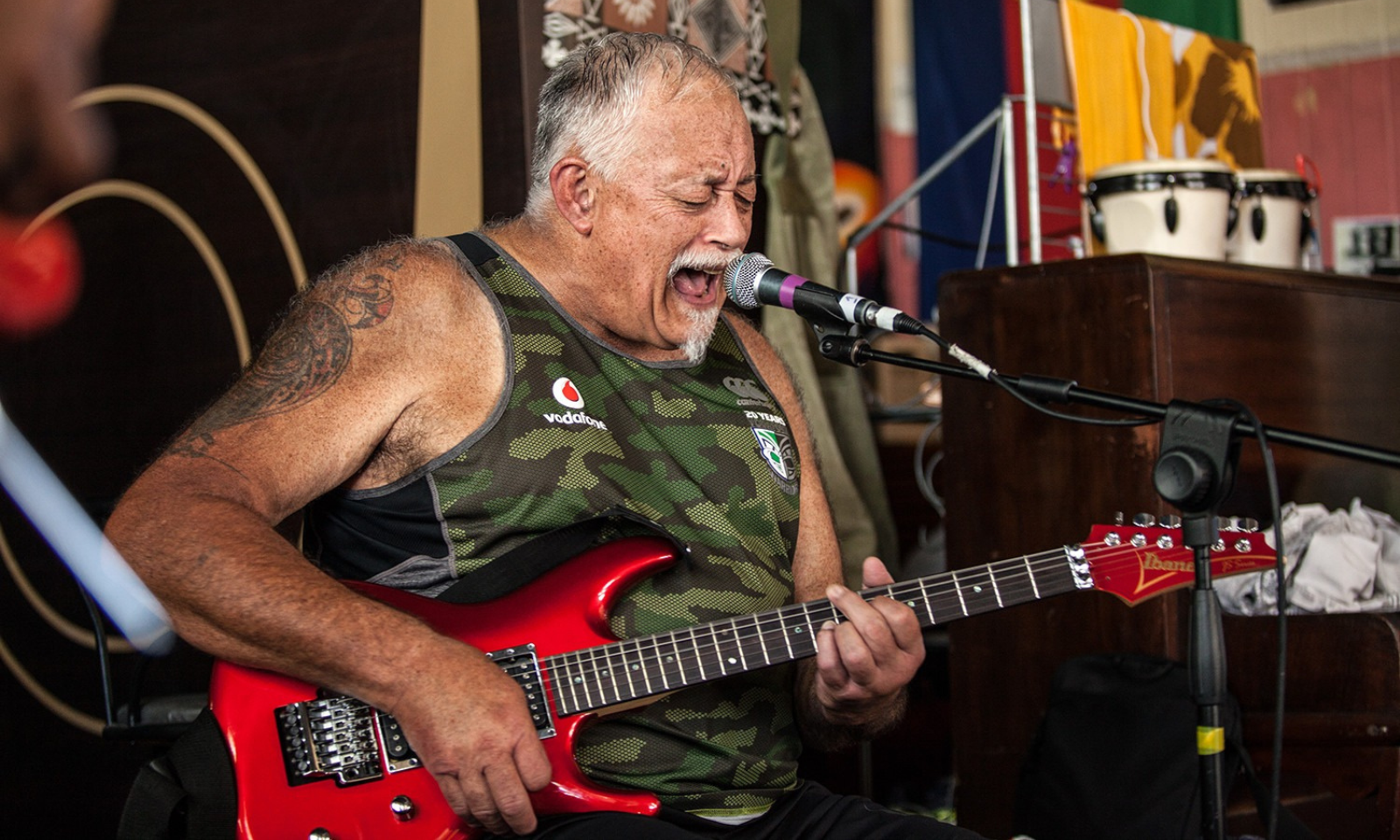
Dilworth Karaka brought the 'complete package' to Herbs.
Photo/Audioculture
Entertainment
‘Light of the Pacific’: Remembering Herbs' heart, Dilworth Karaka
Polynesian Panther leader and former Herbs manager, Will ‘Ilolahia joined Pacific Mornings to pay tribute to his “best mate” and “true brother”.

Atutahi Potaka-Dewes
Published
09 March 2026, 2:36pm
Share
Copy Link
Top stories
‘Sāmoan Scientist’ launches podcast to bring diabetes research into Pacific homes
Aui'a Vaimaila Leatinu'uFri, 05 Jun
Pacific Islands caught in growing security focus as Christopher Luxon meets Australia's PM
Christine RovoiFri, 05 Jun
Moana magic: Pacific Dance Festival 2026 opens in Māngere with biggest line-up yet
Atutahi Potaka-DewesFri, 05 Jun
Top stories
‘Sāmoan Scientist’ launches podcast to bring diabetes research into Pacific homes
Aui'a Vaimaila Leatinu'uFri, 05 Jun
Pacific Islands caught in growing security focus as Christopher Luxon meets Australia's PM
Christine RovoiFri, 05 Jun
Moana magic: Pacific Dance Festival 2026 opens in Māngere with biggest line-up yet
Atutahi Potaka-DewesFri, 05 Jun
The passing of Dilworth Karaka, the heart of the legendary band Herbs, has sent waves of mourning across the Pacific.
At 75, Karaka leaves behind a legacy that went beyond music, blending reggae and roots sounds with a strong voice for indigenous rights in Aotearoa New Zealand.
Polynesian Panther leader and former Herbs manager Will ‘Ilolahia joined William Terite on Pacific Mornings to share his memories of Karaka, calling him a “brother”.
“Dil’s my best mate,” ‘Ilolahia says. They stood together at the Bastion Point (Takaparawhau) occupation in 1977-78. That shared defiance set the tone for their decades-long brotherhood.
“[He was] a very stubborn man. He was a hard guy to work with, I must admit, but when we finally put our heads together and we were on the same note, if not the flat note, we would do what we'd done.”
It was ‘Ilolahia who brought Karaka into Herbs, recognising the technical gap in the band’s sound.
Karaka completed the group’s signature seven-part harmonies. “The rhythm guitar and the second lead guitar, he brought in the complete package,” ‘Ilolahia recalls.
While many musicians came and went since the band formed in 1979 with Spencer Fusimalohi, Fred Faleauto, and Toni Fonoti, Karaka remained its steadfast soul of Herbs.
For ‘Ilolahia, Karaka’s essence is captured in the track, Light of the Pacific. “Dilworth is the lead vocalist on that track…it illustrates Dil in regard to his Māoriness, he is the light of the Pacific.”
Watch Will 'Ilolahia's full interview below.
‘Before joining Herbs, Karaka’s connection to his culture was limited, ‘Ilolahia said. Through the band’s activism, he became deeply engaged with te ao Māori.
A journey that enriched the whole group’s own understanding of their Pacific roots.
Herb’s music carried strong political messages.
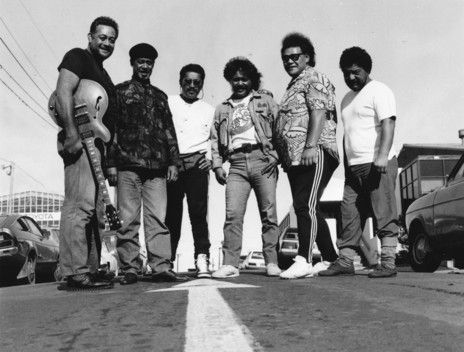
Herbs circa 1987. (Left to right) Dilworth Karaka, Charlie Tumahai, Thom Nepia, Willie Hona, Fred Faleauto, and Maurice Watene. Photo/Simon Grigg Collection/Audioculture
Their debut, What’s Be Happen?, addressed civil rights issues such as the Dawn Raids, while Azania (Soon Come) highlighted parallels between Māori and Pacific struggles and South African apartheid.
The 1982 hit, French Letter,became an anthem against nuclear testing, warning, Ki te la Pacific, get out of the Pacific.
The band also supported regional independence movements. ‘Ilolahia remembers sitting backstage in Sydney with the leader of the Kanaky Liberation Movement, organising songs to aid their struggle.
Tributes have poured in from across Oceania. Christchurch’s Pacific Underground praised Herbs for providing the soundtrack to standing up against injustice.
UK reggae icons UB40 shared memories of being welcomed "like family" during their 1981 tour of New Zealand.
‘Ilolahia says he will honour his “true brother" through Tongan traditions, committing to wear black for a year. A mark of respect for a man who helped light the way for Pacific music and activism.
Karaka lies in state at Ōrakei Marae. The family said on social media that preparations for his final resting place are underway and details will be confirmed soon.