
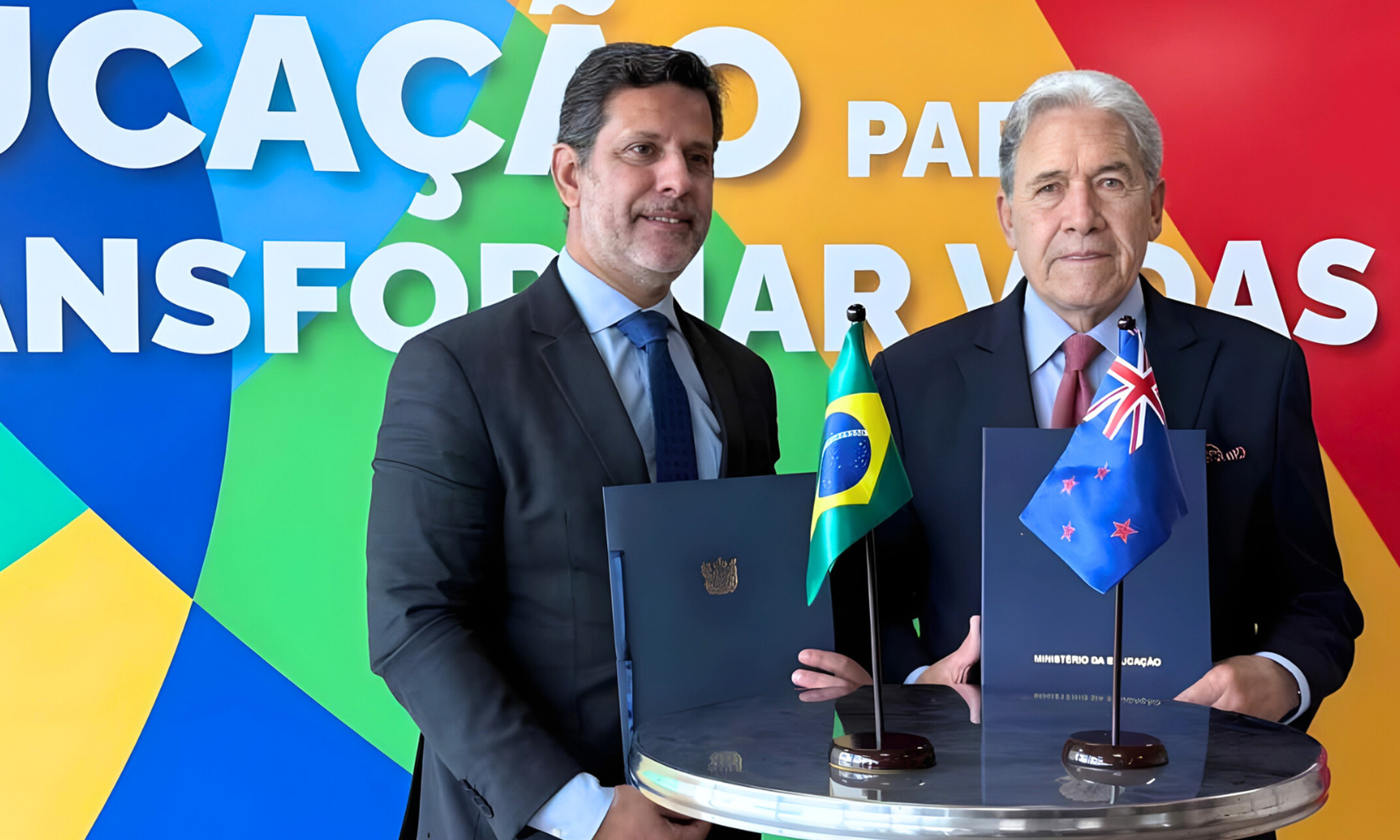
Dr Leonardo Barchini (left) and Vaovasamanaia Winston Peters (right).
Photo/PMN News/Ala Vailala
Politics
NZ and Brazil deepen education ties amid shared challenges
Student exchanges and multicultural education emerge as key areas for cooperation.

'Alakihihifo Vailala
Published
06 March 2026, 6:12pm
Share
Copy Link
Top stories
Wale's new govt takes shape amid shifting political loyalties in the Solomon Islands
Christine RovoiMon, 18 May

'A click in NZ can have consequences in Fiji': Film exposes serious impact of online abuse
Christine RovoiMon, 18 May
Sāmoa ministers pictured with crypto promoters as Pacific scam warnings grow
Renate RiversThu, 14 May
Top stories
Wale's new govt takes shape amid shifting political loyalties in the Solomon Islands
Christine RovoiMon, 18 May
'A click in NZ can have consequences in Fiji': Film exposes serious impact of online abuse
Christine RovoiMon, 18 May
Sāmoa ministers pictured with crypto promoters as Pacific scam warnings grow
Renate RiversThu, 14 May
New Zealand and Brazil say they are facing similar challenges in their education systems, with leaders from both countries highlighting inequality and student achievement as common issues.
Brazil’s acting education Minister, Dr Leonardo Barchini says the South American nation’s multicultural society creates challenges for its education system.
“[Our challenge] is to improve the quality of our eduction… We don’t want only part-time schools but full-time education,” Barchini tells PMN News.
Most schools in Brazil run on a shift system due to limited infrastructure and large student numbers.
A typical structure looks like a morning shift which runs from 7am to 12pm, afternoon shift from pm - 5pm and sometimes a third evening shift.
Students attend only one of these shifts.
Listen to Dr Leonardo Barchini's full interview below.
The South American nation wants to cooperate more with New Zealand and the Pacific region citing the search to develop English language skills.
“Our students want to study English, want to learn English because of globalisation, because of what the world needs now and what they need as a skill.”
The Brazilian Educational and Language Travel Association ranked New Zealand as the seventh most preferred educational destinations for Brazilian students in 2024 following a survey.
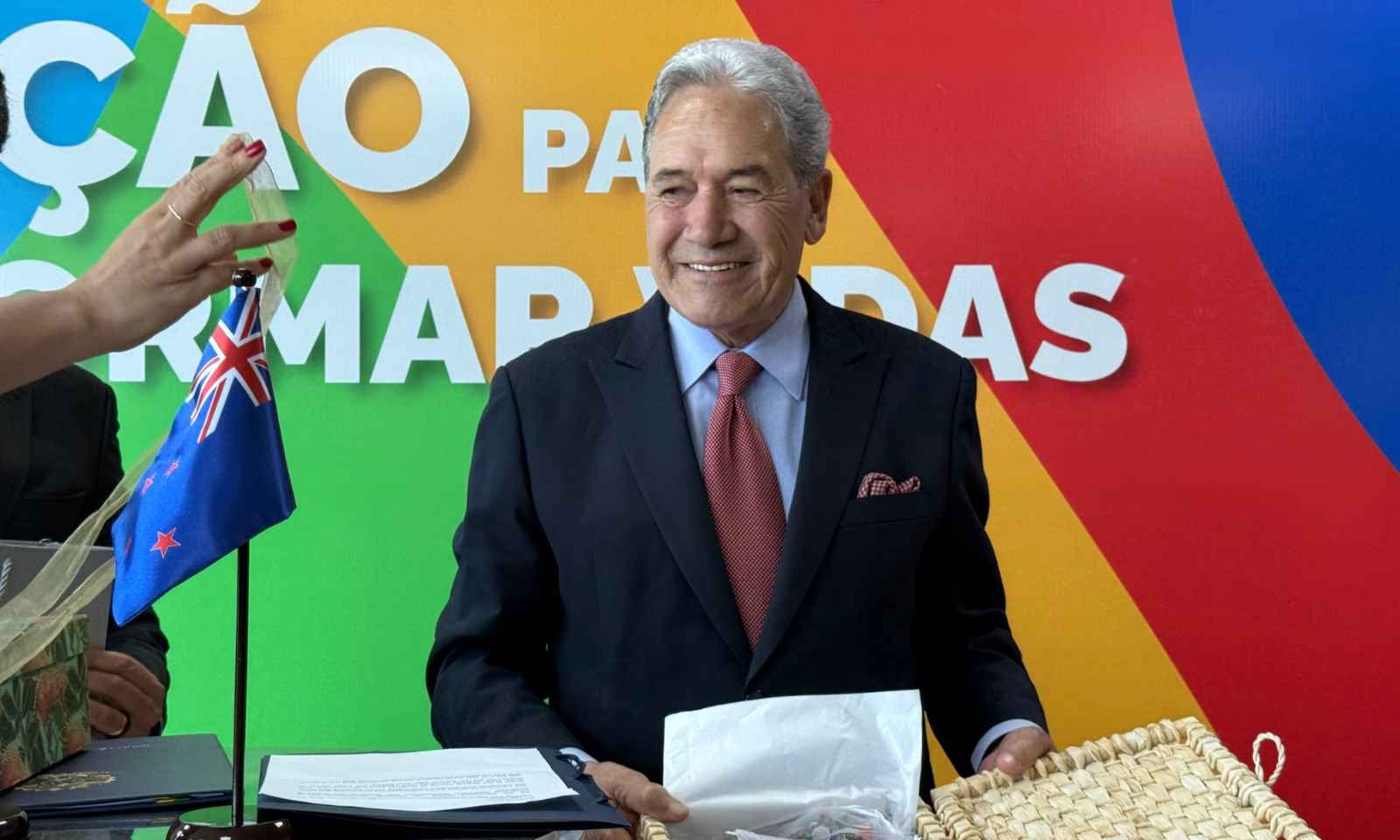
Winston Peters in Brazil, the third stop of his South America tour. Photo/PMN News/Ala Vailala
Foreign Affairs Minister, Vaovasamanaia Winston Peters says New Zealand wants to up its cross-student intakes on both sides to match pre-COVID levels.
“They [Brazil] have got certain massive difficulties [with their education system],” Peters says.
During his Brazil stop of his South America tour, Peters and Barchini signed a cooperation agreement between the two countries.
Deputy Labour Leader, Carmel Sepuloni, who’s part of Peters’ cross-party delegation for the tour, says discussions revealed strong similarities between the two nations’ education systems.
She says while New Zealand and Brazil have different contexts, both countries can learn from each other’s experiences, particularly in addressing cultural diversity and language preservation.
Brazil has hundreds of Indigenous languages across its population, creating additional challenges for education policy.
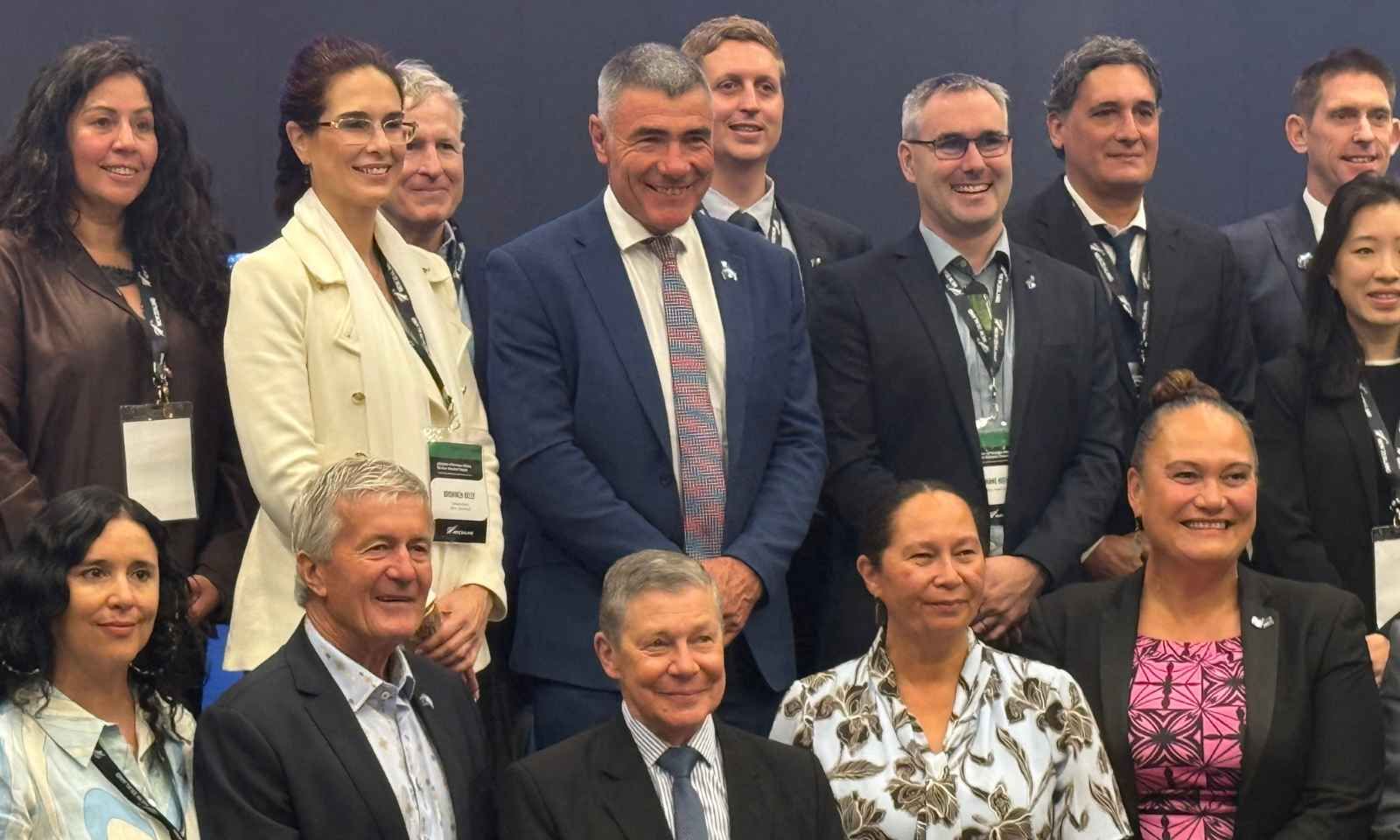
Labour Deputy Leader Carmel Sepuloni (bottom row, far right). Photo/PMN News/Ala Vailala
“With our indigenous language, New Zealand has shown that you can basically pull something back, which was almost gone,” Sepuloni tells PMN News.
“But that, of course, didn't come off the back of politicians.
“Politicians enabled it off the back of activists and Māori protesting and calling for it over a period of decades.”
Despite New Zealand’s experience with language revitalisation, Sepuloni says Brazil faces a far more complex challenge given the scale and diversity of its Indigenous languages.
Barchini says greater cooperation between the two countries could help strengthen education systems on both sides.
“In this globalised world we have to foster cooperation in all areas, especially with New Zealand… They are two Pacific nations.”