High blood pressure a silent killer, Solomon Islands calls for stronger action
Lachlan EddieFri, 23 Oct
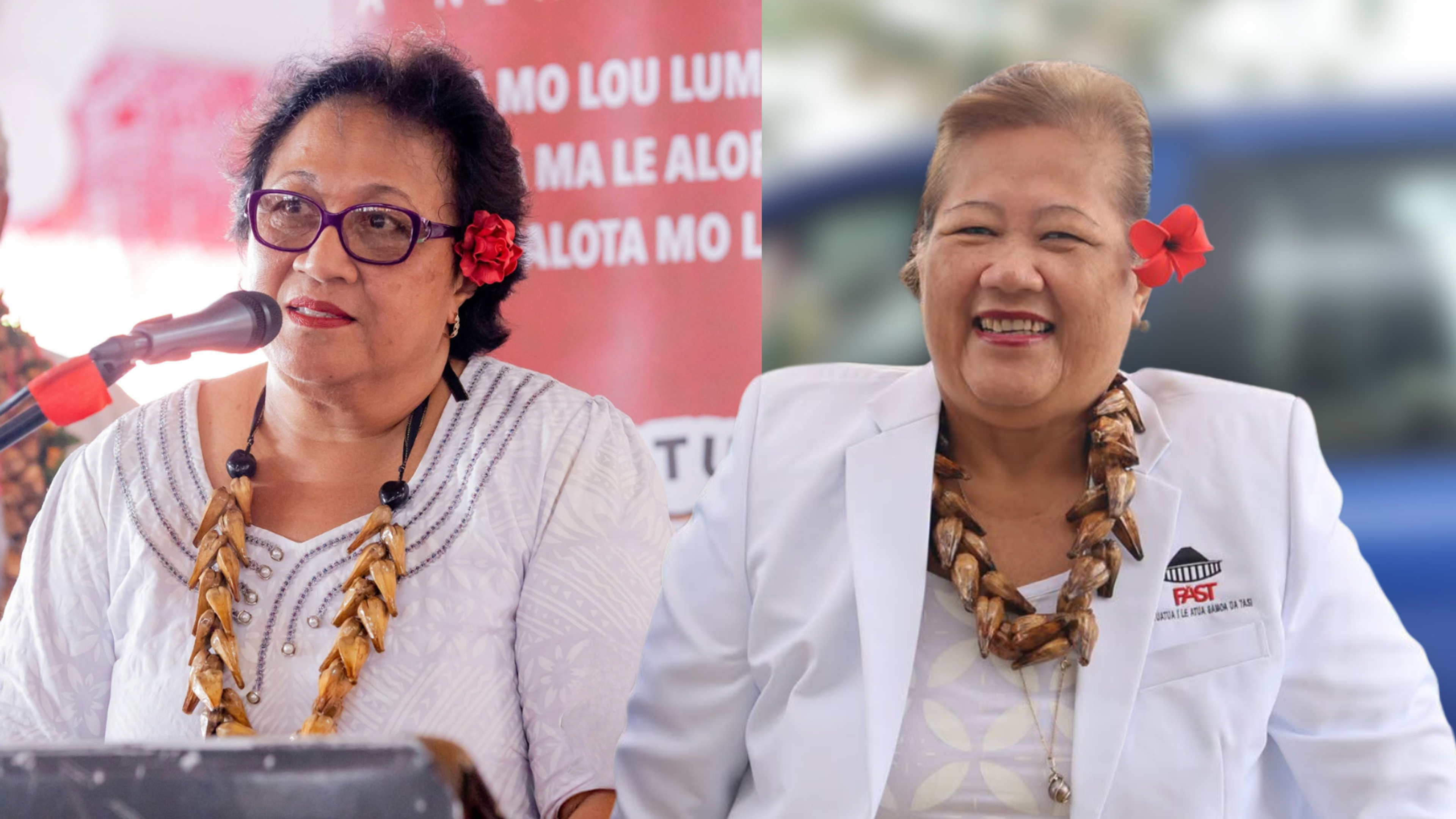
Pictured is former Safata I MP, Seve Te'i Fuimaono (left) and current MP Tunumafono Clare Tai Tin (right).
Photo/PMN Composite
A former MP co-signed the withdrawal after a new MP took office, raising questions over Sāmoa’s district funds.



A ST$750,000 (NZ$468,000) cash withdrawal from a Sāmoa district development account has raised fresh questions about who controlled public money after a new MP took office.
Four days after Tunumafono Clare Tai Tin was sworn in as the new MP for Safata I, her predecessor, Seve Te’i Fuimaono, co-signed the withdrawal from the constituency’s development account, according to bank statements verified by the Samoa Observer.
The money was withdrawn on 14 March, the same day the government deposited about ST$1.26 million (NZ$786,000), the first funding tranche for the district.
Seve and the district council’s principal executive officer, Vaelua Tafau, signed the cheque, according to the Observer.
Seve had won Safata I for the governing Faatuatua i le Atua Samoa ua Tasi (FAST) party in 2025, but the Electoral Court later voided her election.
Tunumafono won the by-election on 27 February 2026 and was sworn in as MP and Associate Minister of Revenue on 10 March.
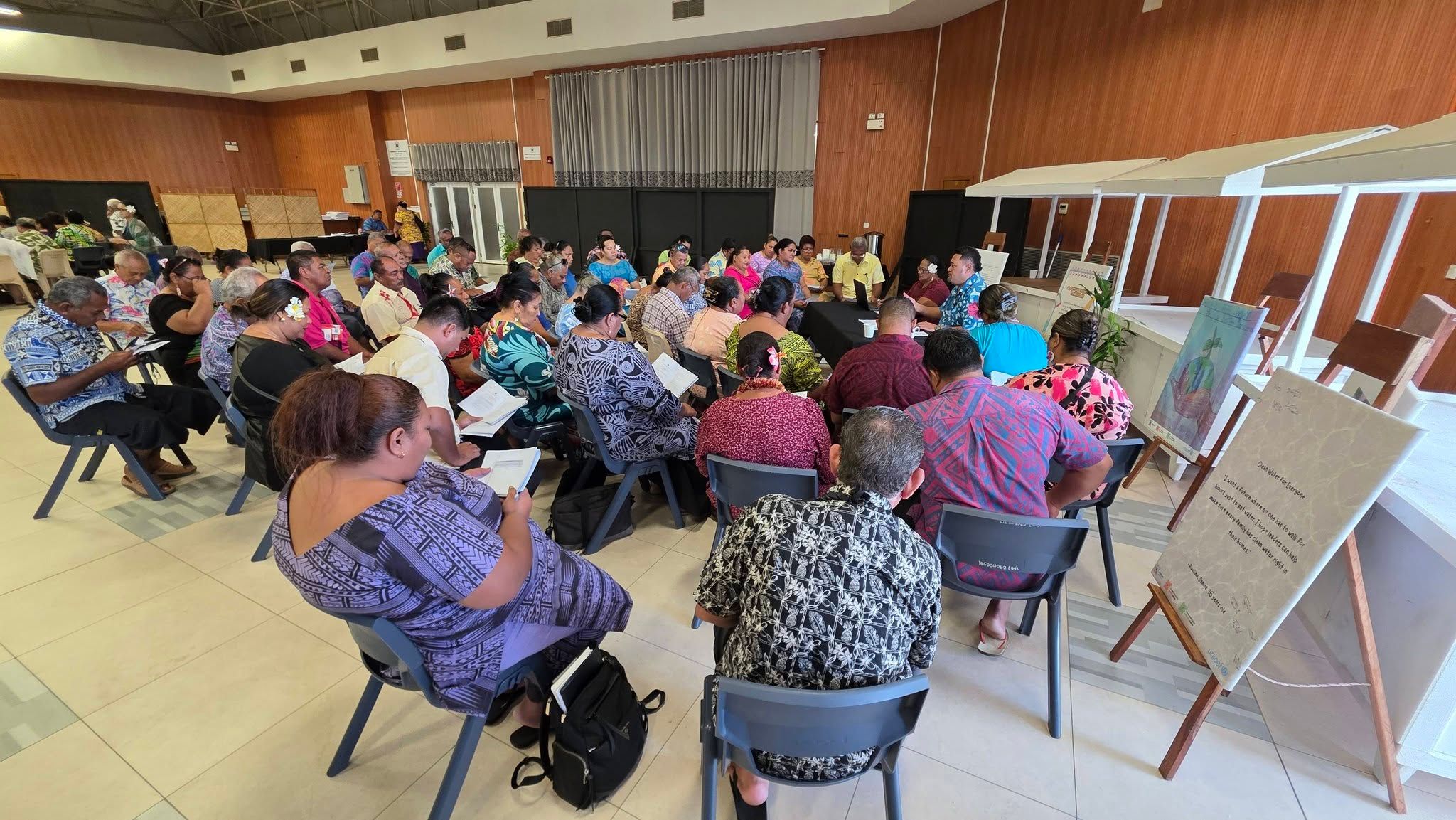
Earlier this year, officers from the Safata I district council attended a training programme on good governance practices including procurement, communications, payments and allowances and wider support for children returning to school. Photo/Ministry of Family and Social Affairs.
According to the Observer, bank statements show Seve continued to make withdrawals after her successor took office - ST$10,000 (NZ$6200) on 8 April, another ST$10,000 on 15 April and ST$5000 (NZ$3100) on 5 May.
The transactions raise a basic governance question: why did a former MP continue to have signatory access to a district account weeks after a new representative took office, and who was responsible for changing the authorised signatories?
The withdrawals were not limited to the former MP.
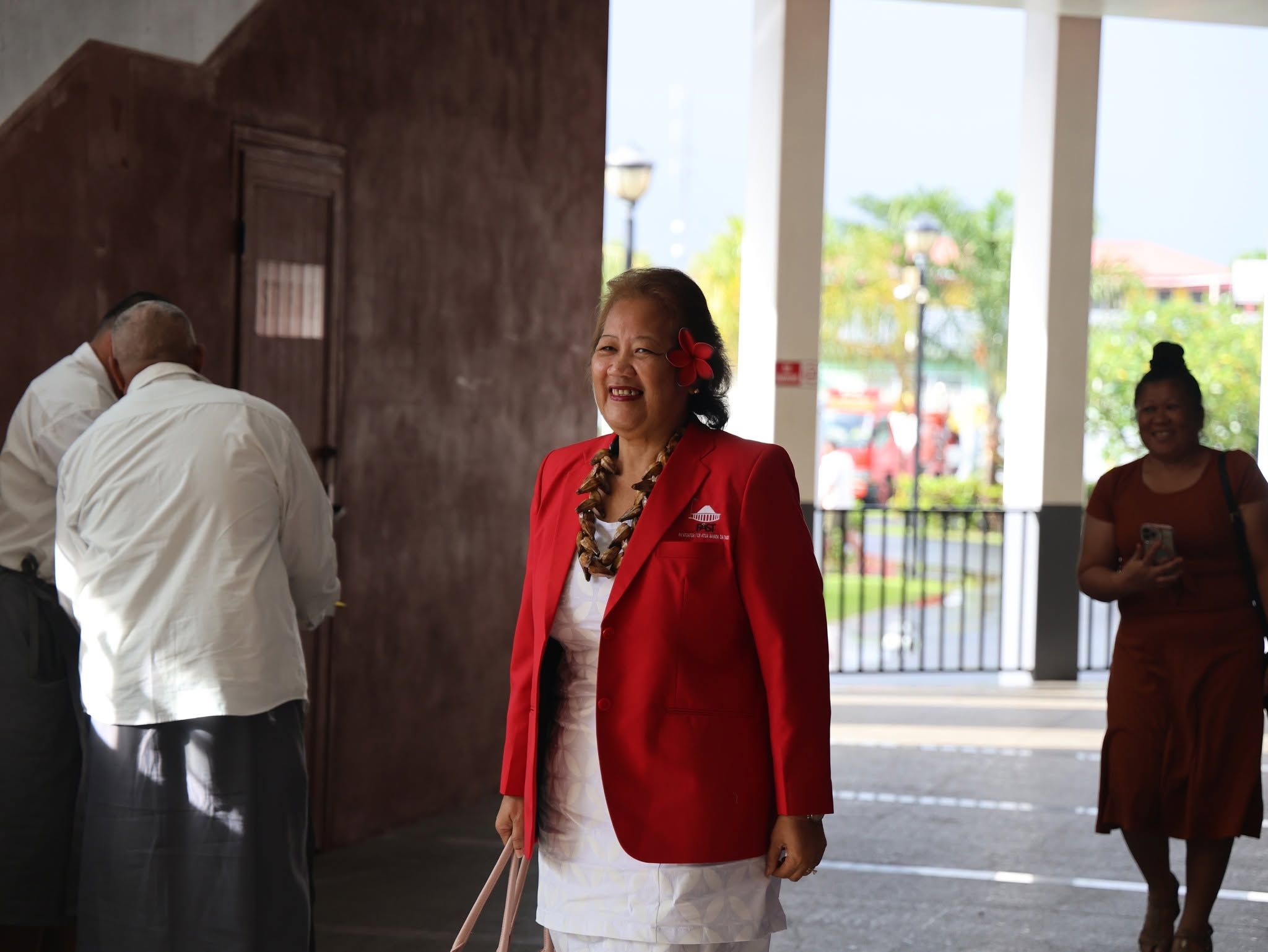
Current MP of Safata I, Tunumafono Clare Tai Tin. Photo/Parliament of Sāmoa.
On 27 May, Tunumafono withdrew ST$30,000 (NZ$18,700) in cash, the Observer reported. The newspaper said she wrote to the Alii ma Faipule the following day advising that a financial report would follow once spending reached ST$700,000 to ST$800,000.
But the bank statements showed more than ST$1m (NZ$624,000) had already left the account.
In Faleata II, the Observer reported that chairwoman Muaaufaalele Mary Tae’u withdrew more than ST$1.5m (NZ$936,000) in cash over four months, including five withdrawals of ST$300,000 (NZ$187,000).
The account was left with ST$1017.70 (NZ$635), according to the Observer, while no completed physical projects were reported from the district’s ST$1.8m (NZ$1.12m) allocation.
The transactions come as the International Monetary Fund (IMF) warns Samoa’s District Development Programme remains under-executed and says further expansion should depend on stronger execution and transparency.
The government has increased funding for the programme to ST$102m (NZ$63.69m), equal to ST$10m (NZ$6.24m) for each constituency over five years.
New legal safeguards came into force on 1 July under the District Development Act 2026 including offences carrying up to seven years in prison for receiving prohibited financial gain or converting grant money or council property.
The withdrawals documented by the Observer took place before those new offences came into force. Whether any conduct breached laws in place at the time would be a matter for Police and the Attorney-General.
HRPP leader Tuilaepa Sailele Malielegaoi called the IMF findings “a red flag for the nation” and criticised FAST-chaired district committees over public spending and a lack of audited accounts.
The IMF's concerns are about under-execution and accountability, rather than a finding that the withdrawals were unlawful.
PMN News has sought comment from the Ministry of Family and Social Affairs, previously known as the Ministry of Women, Community and Social Development, on the authority of the Safata I signatories, whether the accounts have been referred to Police or the Ministry of Finance, and what verified accounts exist for 2025/26 spending.