High blood pressure a silent killer, Solomon Islands calls for stronger action
Lachlan EddieFri, 23 Oct

The new law formalises how Fono Faavae operate.
Photo/Savali Newspaper
The District Development Act 2026 formalises the Fono Faavae programme, creates a central authority, and sets new rules for how districts plan, spend, and report on development projects.




Samoa’s Parliament this week passed the District Development Act 2026, giving the Fono Faavae, the government’s District Development Programme (DDP), a clear legal foundation.
The law also creates a central authority to oversee funding to ensure projects are properly planned, spent, and monitored.
The Act affects all 51 districts, introducing a more structured system for managing development funds.
Communities will have to prepare detailed plans before receiving money, while a new District Development Authority (DDA) and ministerial steering committee will oversee approvals and compliance.
What’s changing for districts
The District Development Authority (DDA) will administer the programme and issue guidance for councils.
A ministerial steering committee will review and approve district development plans before funding is released.
Councils must follow national grant rules and provide regular progress and financial reports.
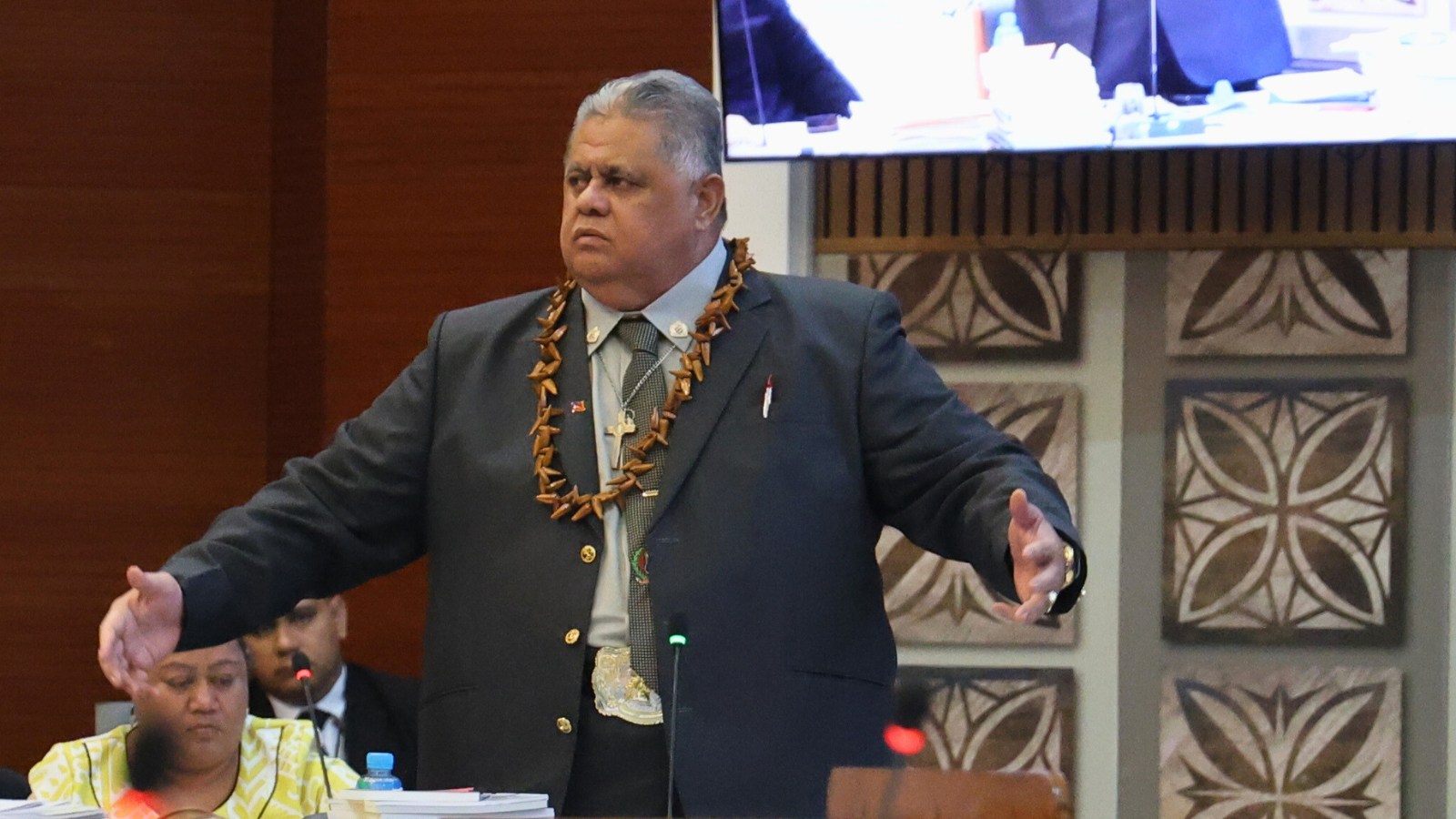
The FAST government's District Development Programme was passed in to law in Parliament this week. Photo/Parliament of Sāmoa.
From 1 July, funds will only flow once development plans are approved, and councils must meet structured reporting requirements.
District funding will now fall under Samoa’s Public Finance Management Act, which sets rules for proper use of money, establishes offences for misuse, and restrictions on contracts and grants during election periods to prevent political influence.
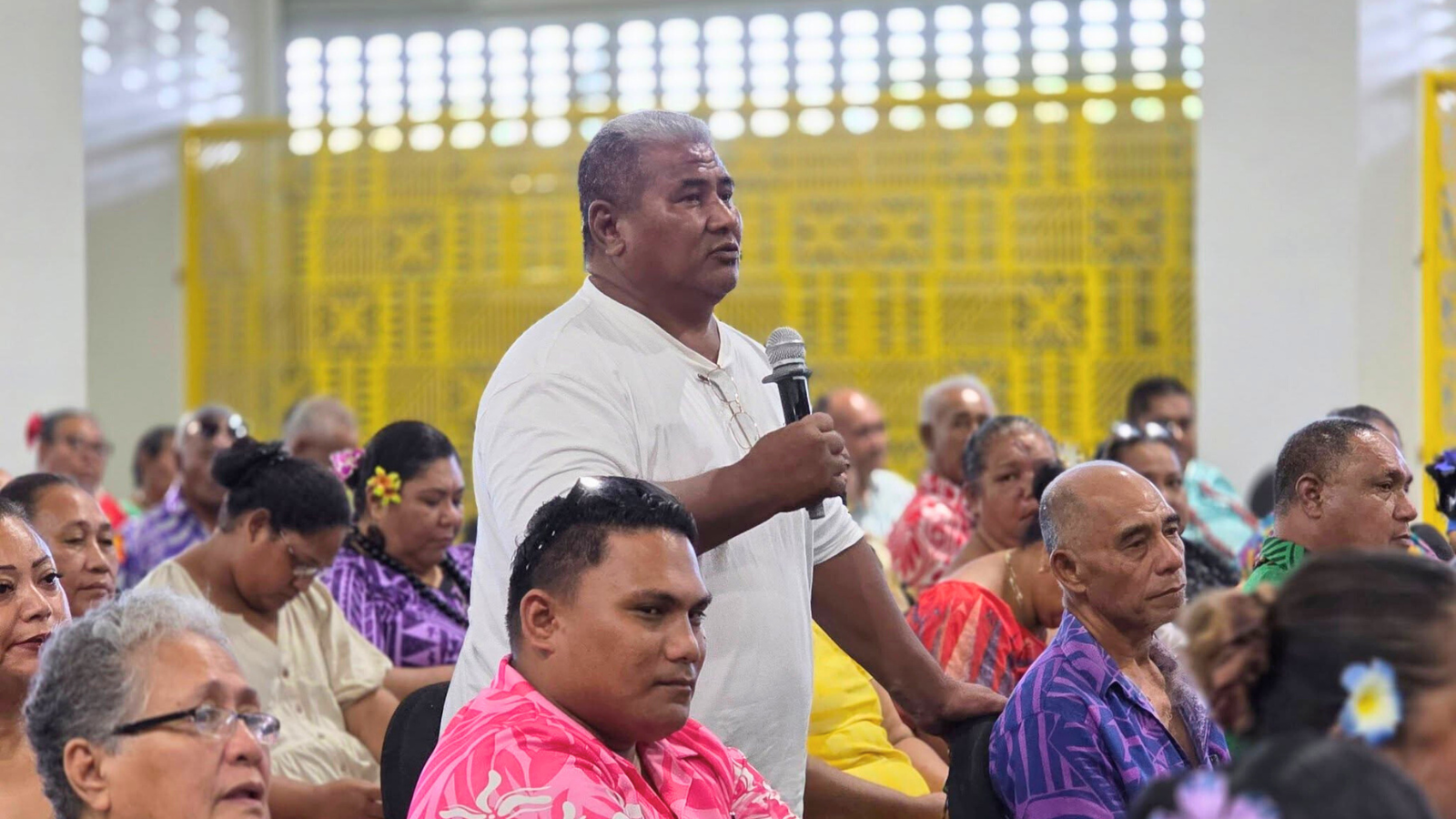
Public consultations on the district development legislation. Photo/MWCSD
What it means for communities
The legislation formalises how district councils operate, including membership, chairperson appointments, and office administration.
For residents, this means a more transparent system with locally planned projects that are carefully monitored and reported.
The Act aligns with national strategies, including the Faatuatua i le Atua Samoa ua Tasi (FAST) party manifesto and the Pathway for Development, which emphasise district-based development and community involvement.
Funding supports projects in agriculture, health, education, tourism, environment, and wellbeing - priorities set by communities themselves.
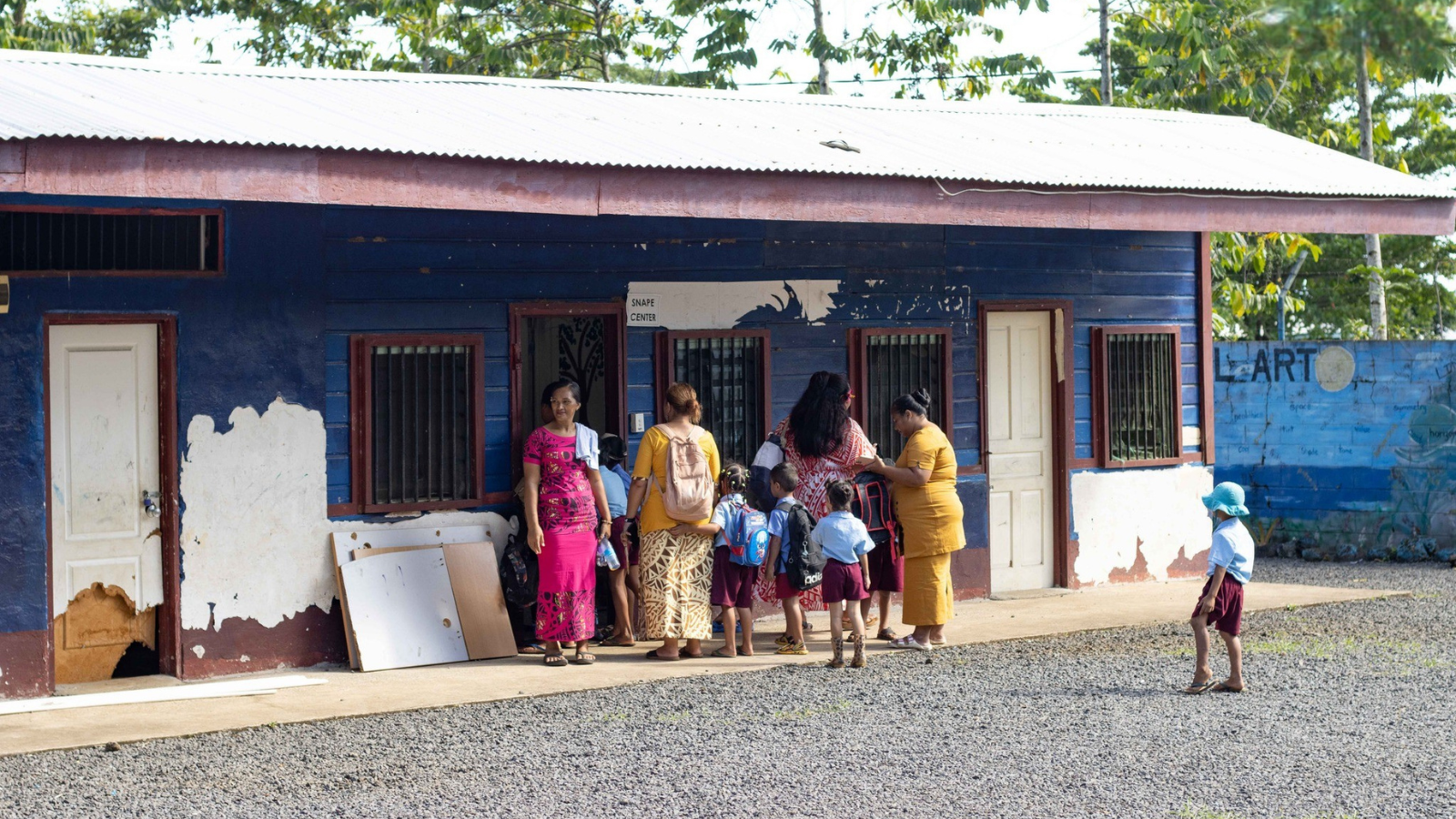
Support will be provided via the Fono Faavae for schools and students. Photo/Savali Newspaper/Leaosa Faaifo Faaifo
While district councils prepare projects, final approval rests with central government.
This creates a more centralised system than some earlier policy documents suggested.
Observers note that balancing community voices with government oversight will be a key challenge as the new system is implemented.
The Act focuses mainly on governance, financial control, and accountability rather than specific inclusion rules for women, youth, people with disabilities, or other vulnerable groups. These are areas highlighted in previous national policies.
Watch (Sāmoan) Parliamentary debate on the new Act below.
Looking ahead
The District Development Act 2026 strengthens planning, oversight, and reporting for Sāmoa’s district projects.
Communities now have a formal framework to guide development. But councils and government will need to work closely to ensure local voices are heard while maintaining accountability and transparency.