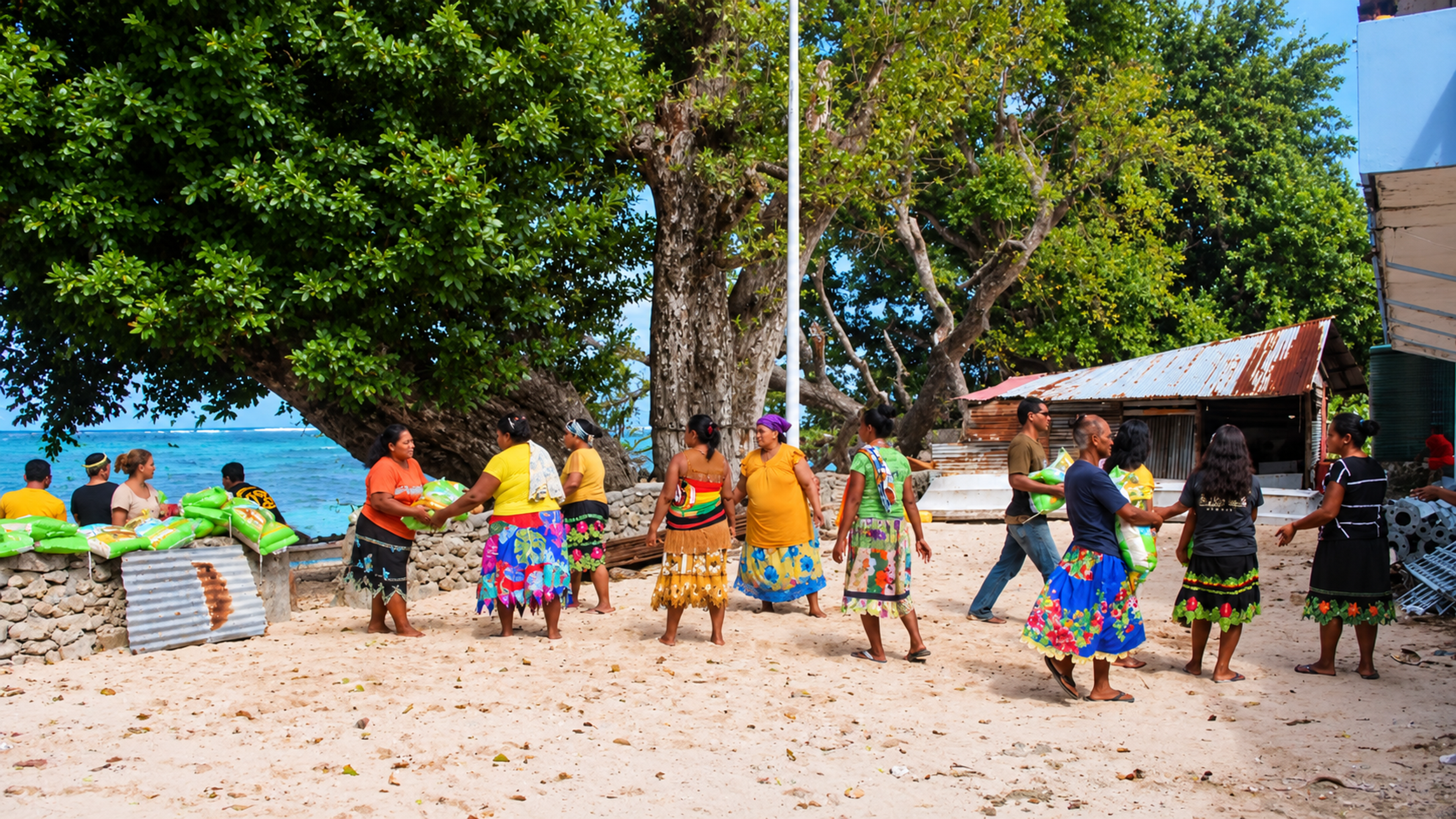
El Niño tightens grip on Pacific as authorities warn of drought and extreme weather
Lachlan EddieFri, 23 Oct
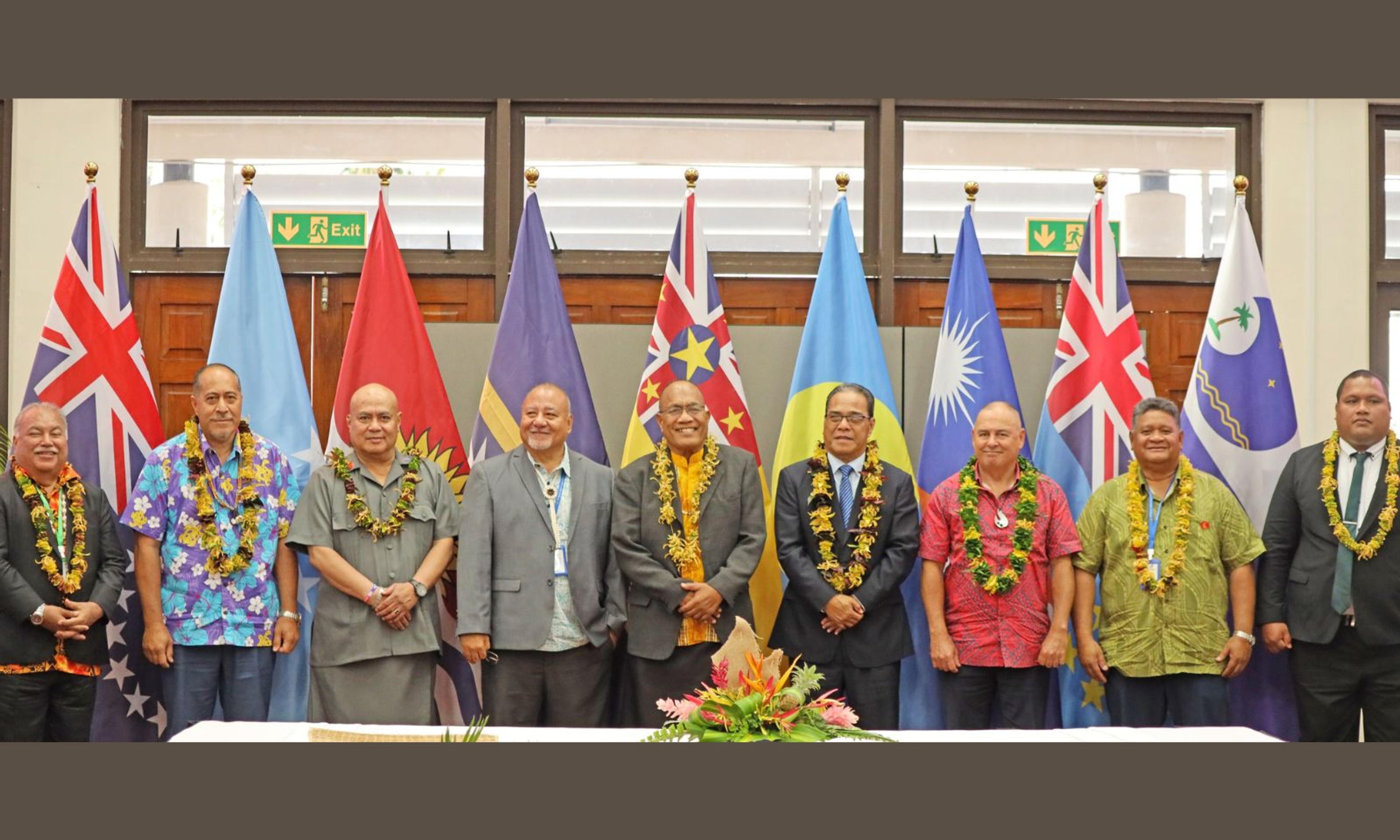
Pacific leaders are concerned about the impact of the United States’ withdrawal from key international organisations, including the Secretariat of the Pacific Regional Environment Programme (SPREP), which supports climate resilience and environmental protection in the region.
Photo/Supplied
President Donald Trump has ordered the United States to pull out of dozens of international organisations, including key climate and regional bodies.



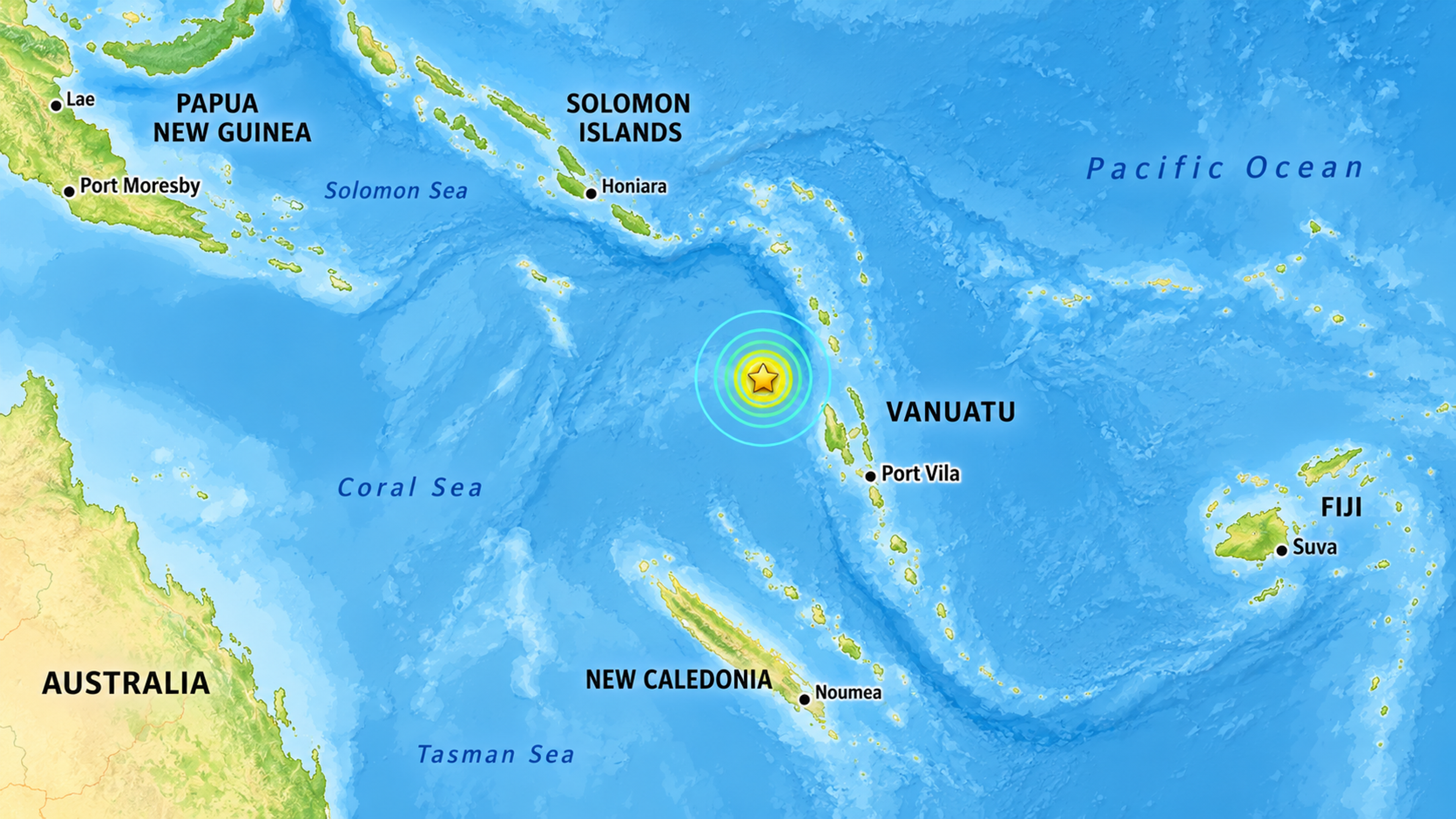
President Donald Trump has directed the United States to withdraw from dozens of international organisations and treaties, including bodies that support climate, environmental, and regional cooperation in the Pacific.
The move has raised alarm among Pacific leaders, who say the US plays a key role in helping island nations respond to rising seas, extreme weather, and other urgent climate challenges.
Trump’s memorandum, signed on 8 January 2026 (NZ time), instructs all US government departments and agencies to begin pulling out of a wide range of international bodies where continued participation is judged to conflict with US national priorities.
The withdrawal list includes both United Nations and non-UN organisations, covering climate, human rights, development, gender equality, oceans, and regional cooperation bodies.
Pacific Island nations are particularly affected by the US exit from the Secretariat of the Pacific Regional Environment Programme (SPREP).
Based in Sāmoa, SPREP coordinates environmental protection, climate resilience, and disaster preparedness for Pacific Island countries.
Sefanaia Nawadra, director-general of SPREP, told BusinessWorld the US remains a valued member but must follow formal procedures before it can withdraw.
He says the impact of the move will depend on the details of that process and that continued contributions from other partners could help the organisation maintain its work.
A Pacific Islands government minister, speaking on condition of anonymity due to diplomatic sensitivities, warned that US withdrawal could weaken American influence in the Pacific at a time when other powers, including China, are increasing their engagement in the region.
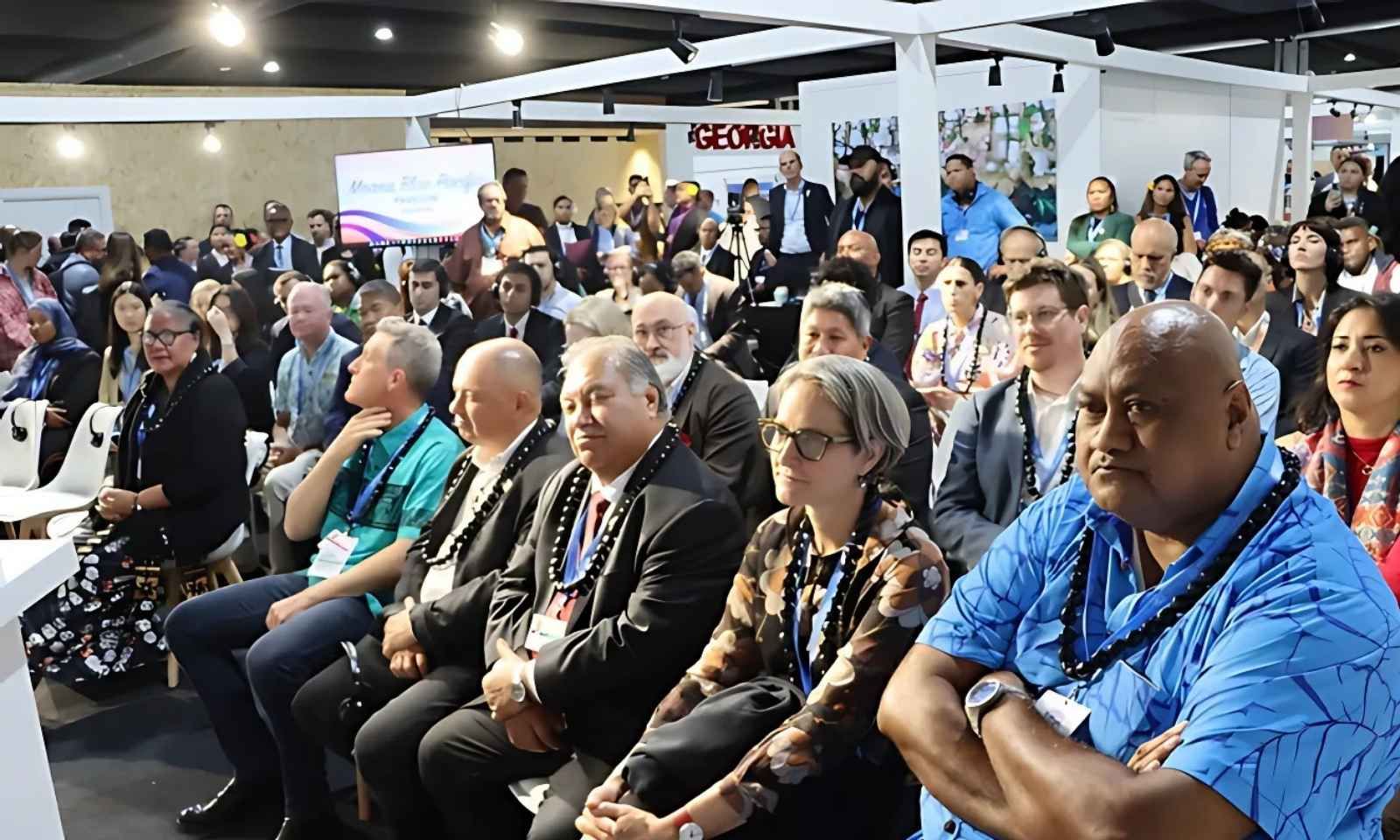
Pacific Island nations rely on organisations like SPREP to support climate and disaster preparedness projects, a role that may be affected by the US withdrawal from international bodies. Photo/Supplied
Climate advocates also voiced concern that leaving major climate frameworks such as the UN Framework Convention on Climate Change (UNFCCC), which underpins the Paris Agreement, could weaken global efforts to limit warming.
They say this is an urgent issue for low-lying Pacific states.
Jacynta Faʻamau, a Pacific climate campaigner, says while the US has historical responsibility for greenhouse gas emissions, island nations will continue building resilience and pursuing renewable energy with or without US leadership.
Pacific leaders have also warned that the decision highlights the critical importance of international cooperation for small island nations, which must continue to work together to face climate change and environmental threats, even as global politics shift.