
Is Pacific Ancestral Intelligence the speed bump needed for AI?
Thomas Tarurongo WynneFri, 25 Sep
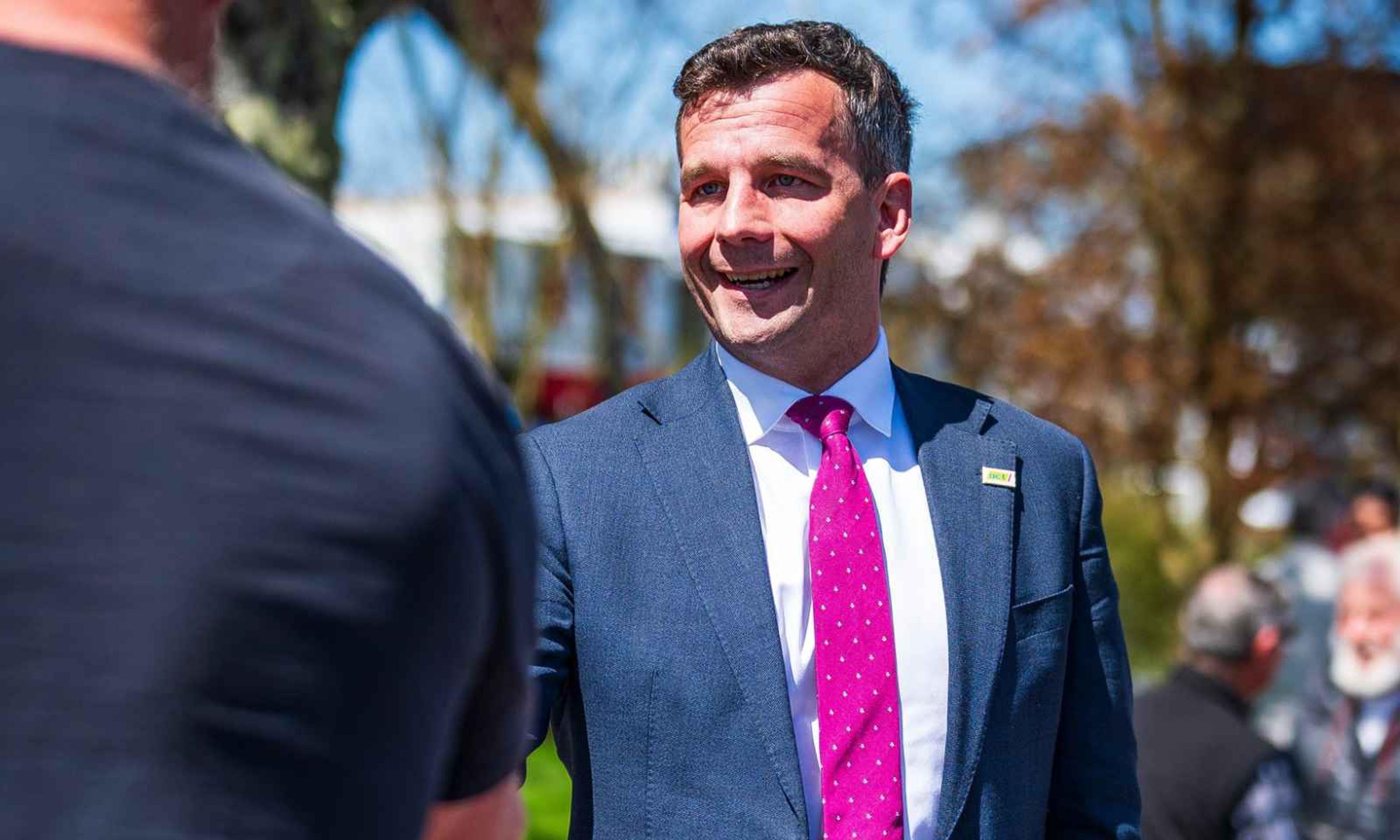
Deputy Prime Minister David Seymour.
Photo/Supplied
New data shows nearly one in three Pacific children are living in material hardship but David Seymour says government reforms will lift incomes and housing supply.


The Deputy Prime Minister says prioritising economic growth is the government’s strongest response to rising child poverty rates.
In an interview on Pacific Mornings, Seymour says while the figures are concerning, the government’s focus is on addressing the underlying economic causes of poverty.
“We’ve faced pretty hard conditions from the last five years but we’re doing a whole lot of stuff that’s going to make it easier to get homes built, easier to get a building inspection and easier to get more building materials,” Seymour says.

Stats NZ is New Zealand's official data agency. Photo/Supplied
“We inherited massive inflation, a recession and I can understand people saying they’re not feeling it but the government is doing the right stuff for economic growth.”
New child poverty data reveals nearly one third of Pacific children are living in material hardship, double the rate of all children in New Zealand.
Latest figures published by Stats NZ show material hardship for children has been trending upwards since 2022.
Children’s Commissioner, Dr Claire Achmad says the figures show worsening conditions for vulnerable children including Pacific communities.
“Behind these numbers are children going without the basics of life. Children are going hungry and sick because of poverty, growing up without the security every child needs,” Achmad says.
“We’re talking about 169,300 children living in material hardship – that’s enough to fill Eden Park more than three times.”
Watch David Seymour's full interview below.
When asked about the need to keep the school lunch programmes as a response to the latest child poverty statistics, Seymour reassures the government has helped to run the initiative more efficiently.
“Will we keep it in the next election? We’re not campaigning to get rid of it.
“If your goal is to reduce child poverty, then one meal in the middle of the day for 180 days a year… it's probably not really a child poverty program.
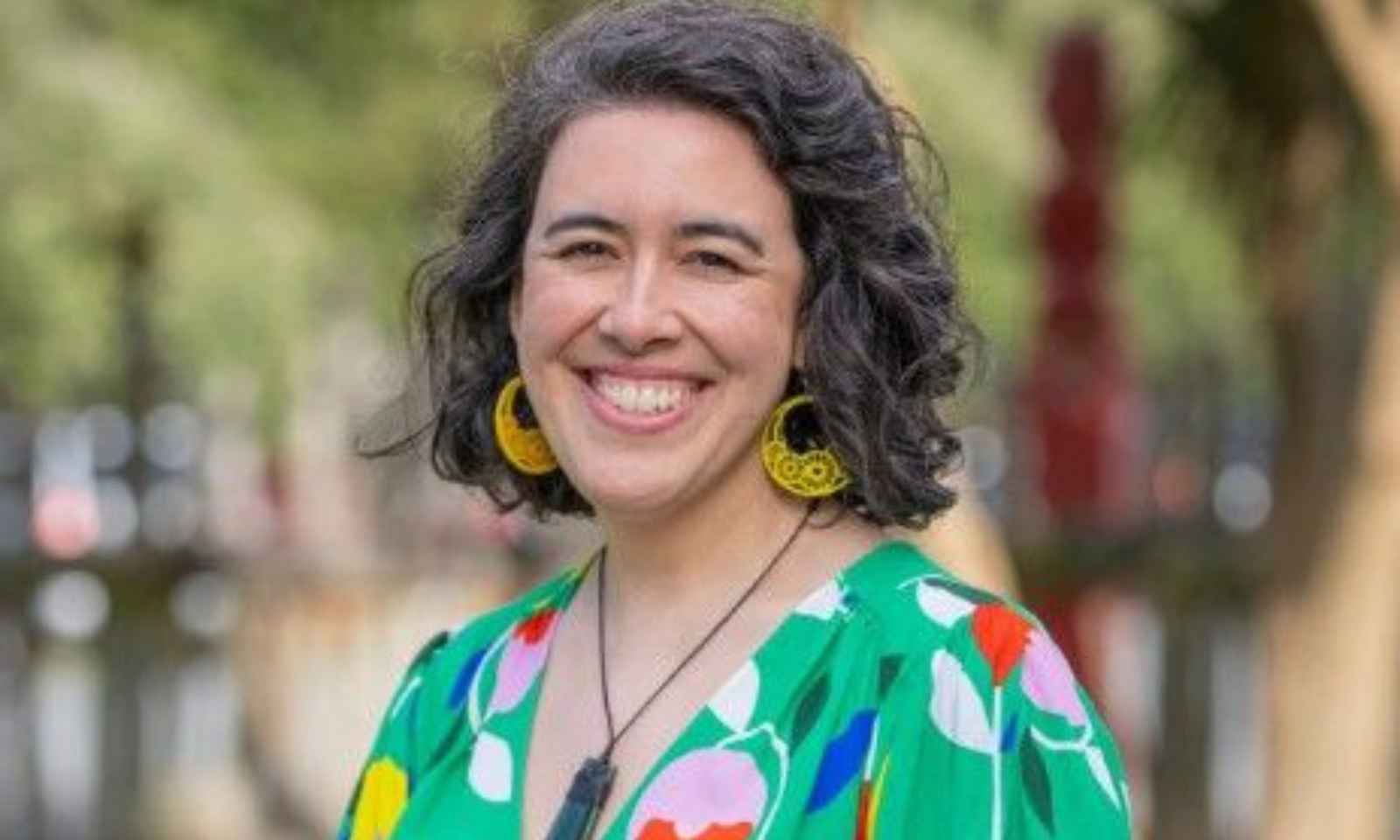
Dr Claire Achmad. Photo/Supplied
“It's supposed to be a learning program and that's why we've kept it going to date.”
Dr Achmad calls for reversing rising poverty levels as a national priority.
“This problem is solvable. We must make ending child poverty a project of national significance, with support across Parliament.
“Children need to know they come first, and urgently reducing material hardship needs to happen now for the children in greatest need.”