
Visa-free travel and wage freezes spark fresh split in Pacific candidates debate
Christine RovoiWed, 21 Oct

Business and community leaders are welcoming the proposed changes.
Photo/Supplied/File
Proposed changes aim to protect tradition, strengthen safety, and future-proof New Zealand’s kava market.


Pacific business and community leaders are backing proposed changes to New Zealand’s kava food standard, saying the reforms reflect traditional practice while protecting the reputation of a loosely regulated market.
There are concerns stricter rules could unintentionally lock small growers out.
Around 30,000 people in New Zealand drink kava regularly, though much of the trade has historically operated informally, making tracking and enforcement difficult.
Last year, 201,535 kilograms of kava in powder, root, or stem form were imported from Fiji, Vanuatu, Tonga, Papua New Guinea, Solomon Islands, and Sāmoa.
Tongan community leader Pakilau Manase Lua spoke to PMN News and says the reforms will strengthen safety without disrupting traditional use.
“Kava is safe, non-alcoholic, and a great beverage for people to sit in a circle and, in talanoa, have a good conversation,” he says.

Kava must meet strict food safety regulations. Photo/File
“The more important thing is safety, ensuring the kava we bring in isn’t mixed with harmful things like kratom or other byproducts that could harm the brand we've developed over the years.”
Todd Henry, co-owner of Four Shells Kava Lounge, says while rules are mostly clear, he welcomes formal clarification.
Speaking to Pacific Mornings, Todd adds, “MPI states that kava, if you sell it, can only be mixed with water and extracted in the traditional process, which is through squeezing. So there's no extracts or flavourings allowed.”
Watch Todd Henry's full interview below.
Henry’s business only sells noble kava sourced from Vanuatu, Tonga and Fiji. He supports banning other varieties.
“Tudei is another family of kava found in Vanuatu, Solomon Islands, and Papua New Guinea. Traditionally, it wasn’t used for social drinking. Many who mix it with noble kava to bulk it up don’t drink it themselves,” he says.
Henry adds that clearer labelling could improve kava’s public image: “People often see it in clear plastic bags and think it’s illegal; clearer labelling could help legitimise it.”
Kennedy Fakana'ana'aki Fualu, an advocate for Pacific growers, says the proposal protects consumers but could create hurdles for smaller producers.
He recommends a partnership between New Zealand and Tongan agencies to strengthen the supply chain, improve training, mapping critical control points, and guidance on record-keeping and certification.
“Many small-scale growers lack the financial resources, technical expertise, and documentation systems to maintain a fully compliant HACCP (Hazard Analysis and Critical Control Point) plan, even when producing noble kava in good faith,” he says in his submission. “Without structured support, stricter rules could lock them out of New Zealand and Australian markets.”
MPI response
Vincent Arbuckle, New Zealand Food Safety deputy director-general, says the changes would align New Zealand with Australia’s 2022 kava standards and the World Health Organization’s regional standard.
“We view the consultation as a non-urgent technical change. It's not based on complaints but ensures our kava rules are future-proof and fit for purpose,” he says in a statement.

The kava plant is part of the pepper family and native to the Pacific Islands. Photo/File
Arbuckle confirms noble varieties will continue to be safe for consumers. There is no record of tudei being imported.
The Pacific Trade Invest Kava review reports much of New Zealand’s kava also arrives in suitcases, complicating trade data.
Supply is expected to remain stable under the proposed changes. The debate highlights the ongoing challenge, to protect Pacific tradition while maintaining safe, regulated access and a resilient supply chain.
The Ministry for Primary Industries (MPI) is consulting on amendments that would ban non-noble kava varieties and clarify that food additives and processing aids cannot be used in kava prepared for sale. Submissions close on 13 March.
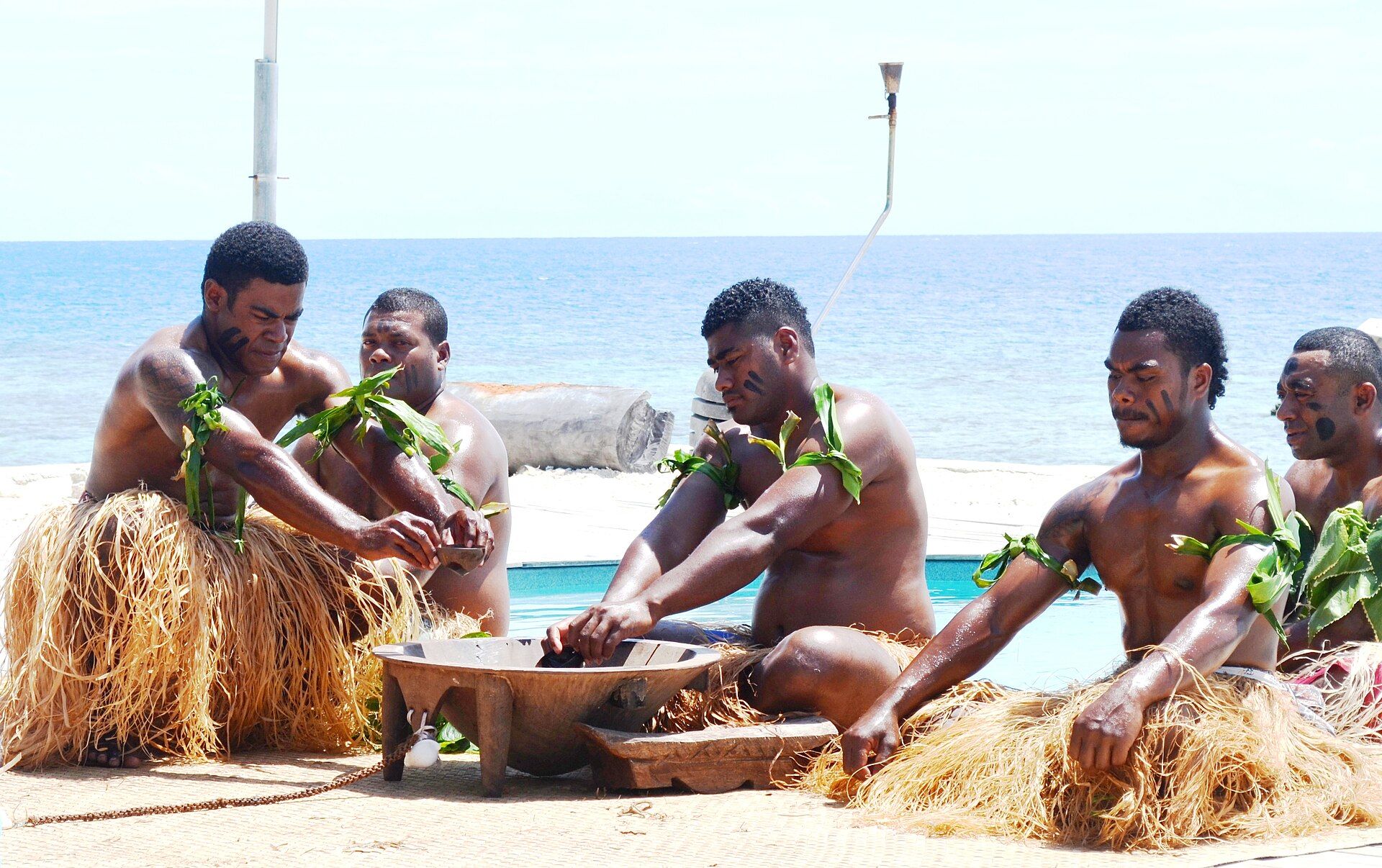
A kava ceremony for tourists in Fiji. Photo/Jaejay77/CC BY-SA 4.0
This article has been updated to clarify that Todd Henry is the co-owner of Four Shells Kava Lounge.