
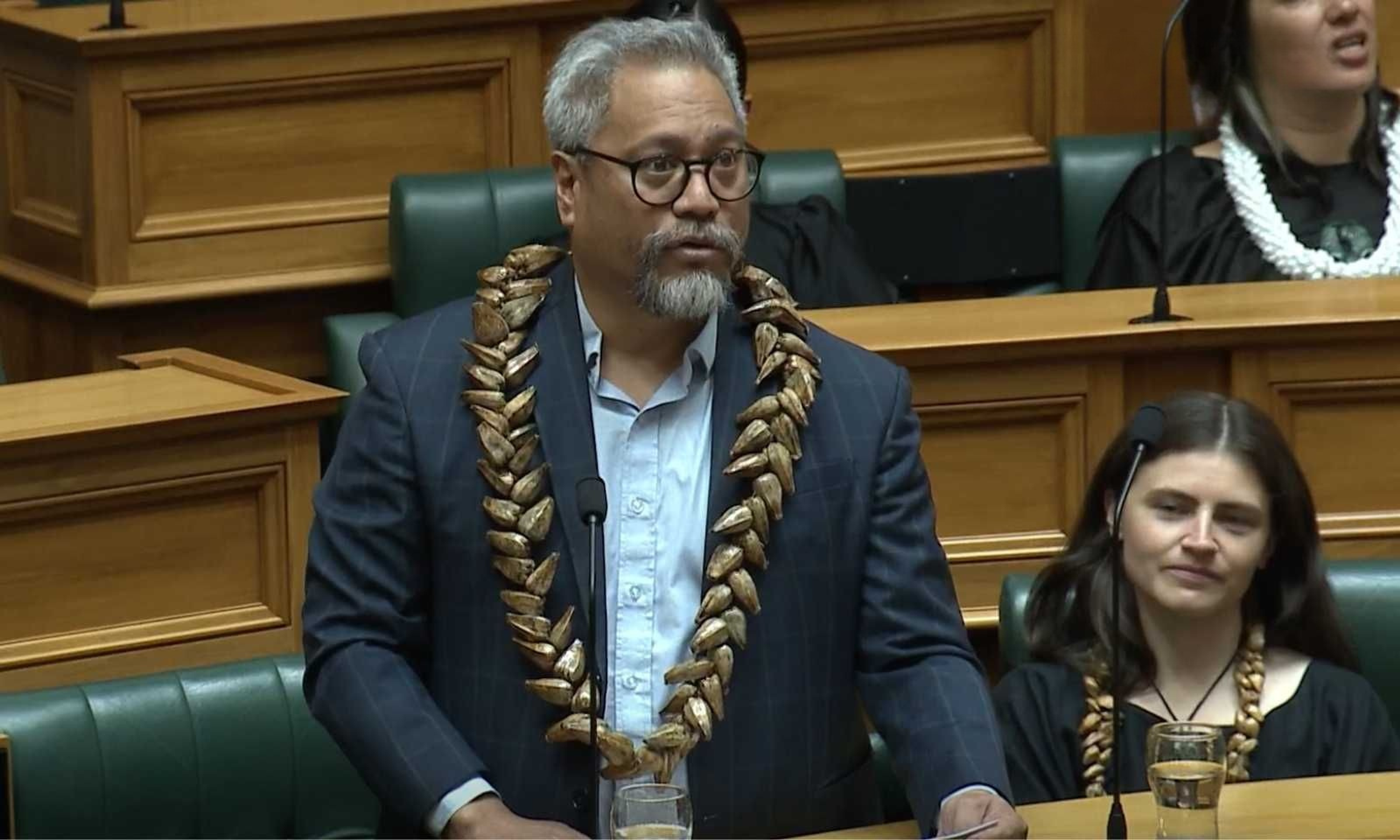
Green Party MP Teanau Tuiono (left) alongside co-leader Chlöe Swarbrick.
Photo/Parliament TV
Politics
Green MP says the proposed immigration changes risks reigniting Dawn Raids trauma
Green MP Teanau Tuiono warns that granting officers the power to demand identification inside private residences risks repeating a traumatic chapter of New Zealand’s history for Pacific families.

Aui'a Vaimaila Leatinu'u
Published
27 February 2026, 3:48pm
Share
Copy Link
Top stories

French Polynesia's Assembly backs UN mission to Tahiti
Christine RovoiTue, 29 Sep
Hunkin-Tagaloa wants health shakeup with prevention at the centre
Thomas Tarurongo WynneTue, 29 Sep
Top stories
French Polynesia's Assembly backs UN mission to Tahiti
Christine RovoiTue, 29 Sep
Hunkin-Tagaloa wants health shakeup with prevention at the centre
Thomas Tarurongo WynneTue, 29 Sep
Green MP Teanau Tuiono says the Government’s plan to expand immigration officers’ powers mirrors aggressive tactics seen in New Zealand’s history and the current reality in the United States.
The Immigration (Enhanced Risk Management) Amendment Bill will allow immigration officers to request identity-based information from a person when there is good cause to suspect they are in breach of their visa conditions or potentially liable for deportation.
The legislation is expected to be introduced into Parliament in March, with the government aiming to pass it into law before the end of the current term.
Immigration Minister Erica Stanford says these changes are necessary to address “gaps in the current compliance framework”. She says this will ensure the system can act more decisively when serious breaches occur.
Speaking with William Terite on Pacific Mornings, The Green Party spokesperson for foreign affairs, Teanau Tuiono says the move risks repeating the “living memory” of the infamous Dawn Raids.
“I would ask whether this is actually absolutely necessary. I remember us pushing out, in the last term, around immigration officers heading to people's houses at the crack of dawn, around overstayers' houses as well,” Teanau says.
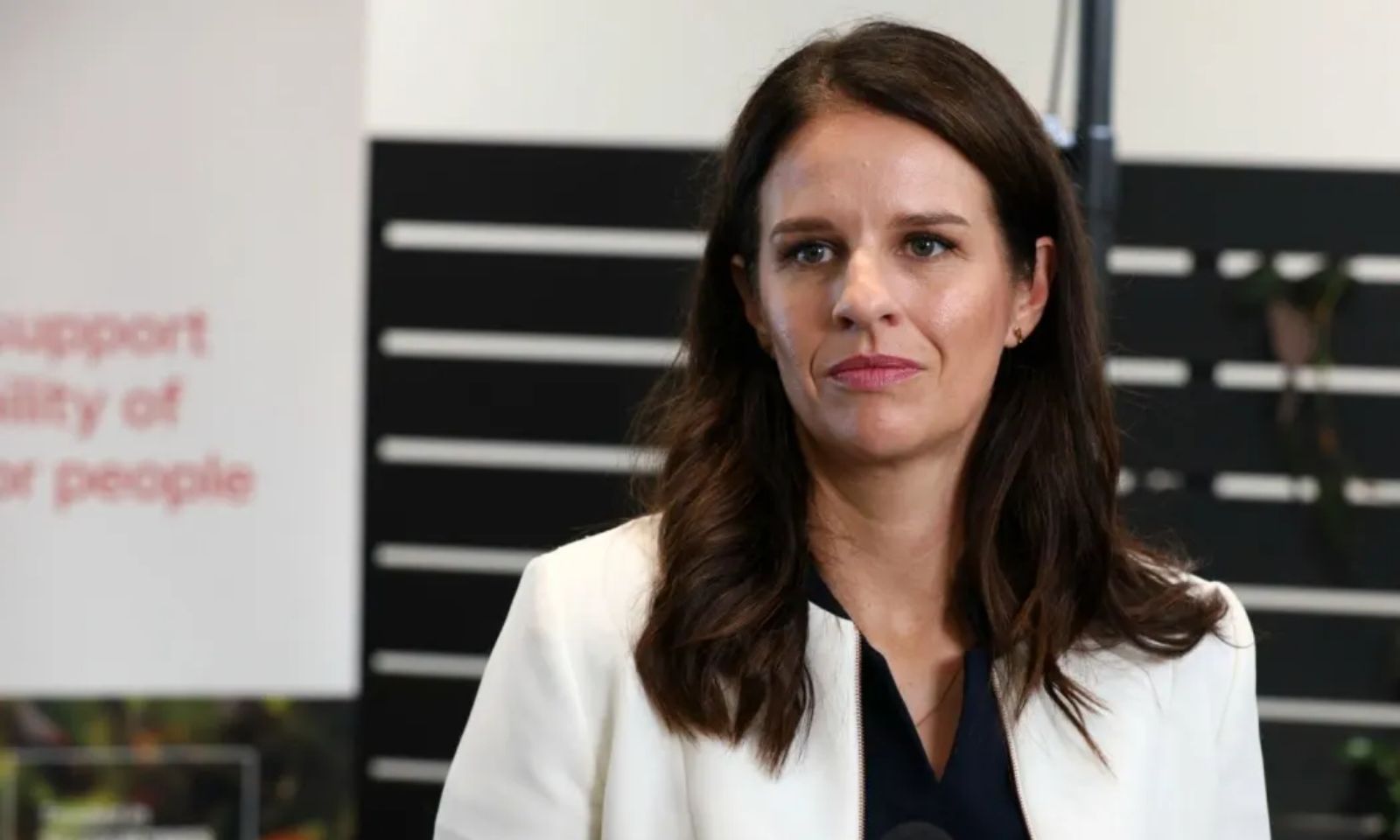
Immigration Minister Erica Stanford. Photo/RNZ/Nick Munro
“The issue there is, many people already [have] deep roots in the community. They're part of the community, have families and stuff like that. That can actually add to the trauma, particularly for the children.”
This policy arrives as Sāmoan and Tongan households are identified as the most impacted by overstaying figures.
New Immigration New Zealand data estimates there are 20,980 overstayers currently in the country.
Watch Teanau Tuiono’s full interview below.
While this is less than 0.20 per cent of all temporary visa arrivals, the percentage is significantly higher for Pacific nations.
Tongan nationals have an overstaying rate of 1.93 per cent, followed by Sāmoans at 1.66 per cent.
Speaking with RNZ, Immigration lawyer Alastair McClymont, says overstayers are a small problem in New Zealand and argues that legislation already provides officials with "almost unfettered discretion".

Alastair McClymont, an Immigration lawyer. Photo/RNZ/Lynda Chanwai-Earle
He warns that without clearly defined boundaries, the new law could allow for "dog whistle xenophobic politics" where specific migrant groups are targeted to score political points.
"They decide that they want to start making an example of particular migrant groups by using the legislation to be enforced in a very harsh way, which is basically what has happened now in the United States," McClymont says.
Tuiono says the government should be increasingly aware of the damage caused by following such examples, noting ICE incidents in the United States.
“It's not good at all. Arresting people, going into people's houses, killing people in some circumstances as well. That's not the example we should be following.
“It's a country we should be increasingly more aware of and careful with how we manage that relationship with them.
“The history of immigration [in New Zealand] with overstayers is not a good one,” says Teanau.