‘Soul resuscitation’: Pioneering Vagahau Niue and cultural connection down South
Atutahi Potaka-DewesFri, 23 Oct
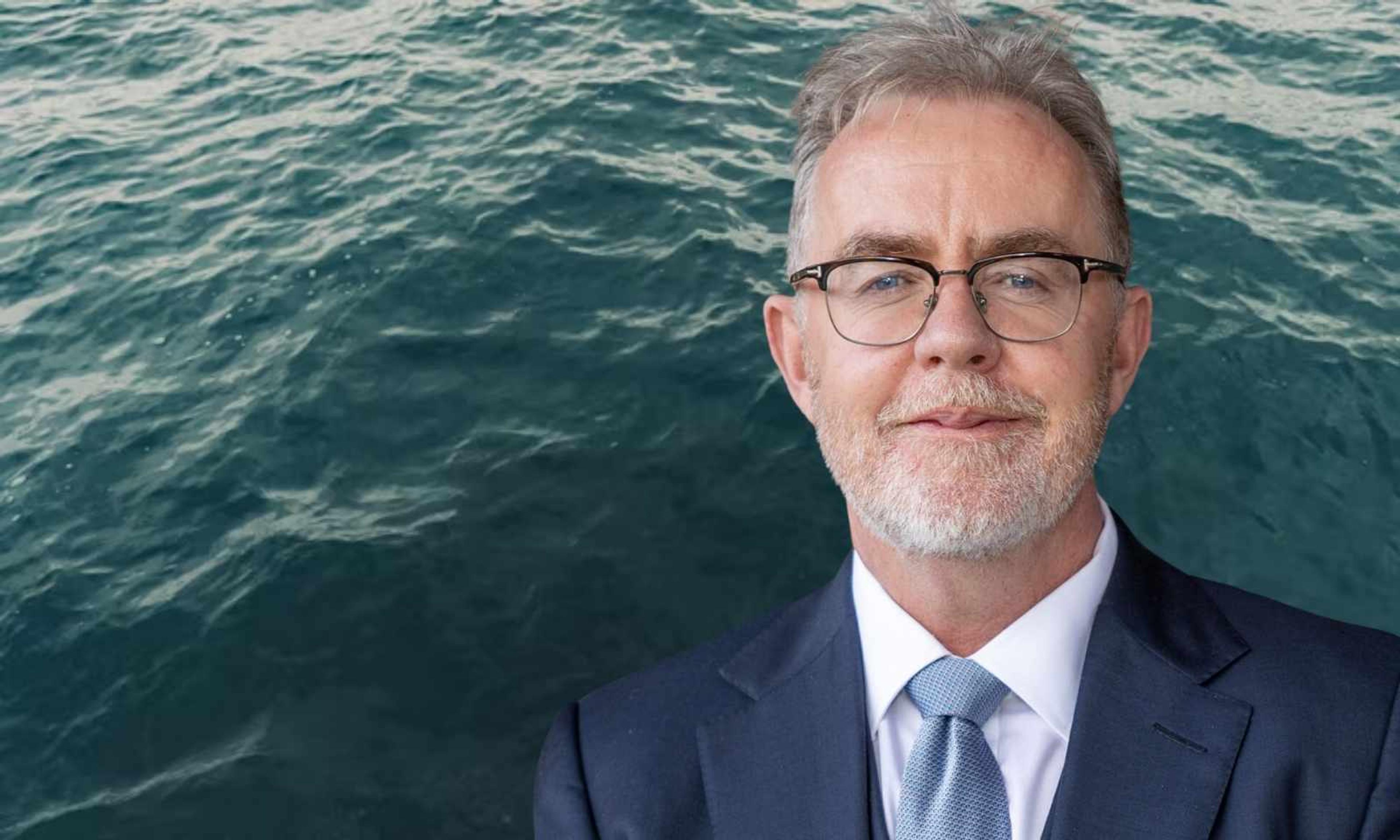
Al Gillespie.
Photo/Unplash/Borrin Foundation
Professor Al Gillespie says the killing of shipwrecked survivors shows why Pacific nations cannot stay silent, with drug trafficking rising in the region.

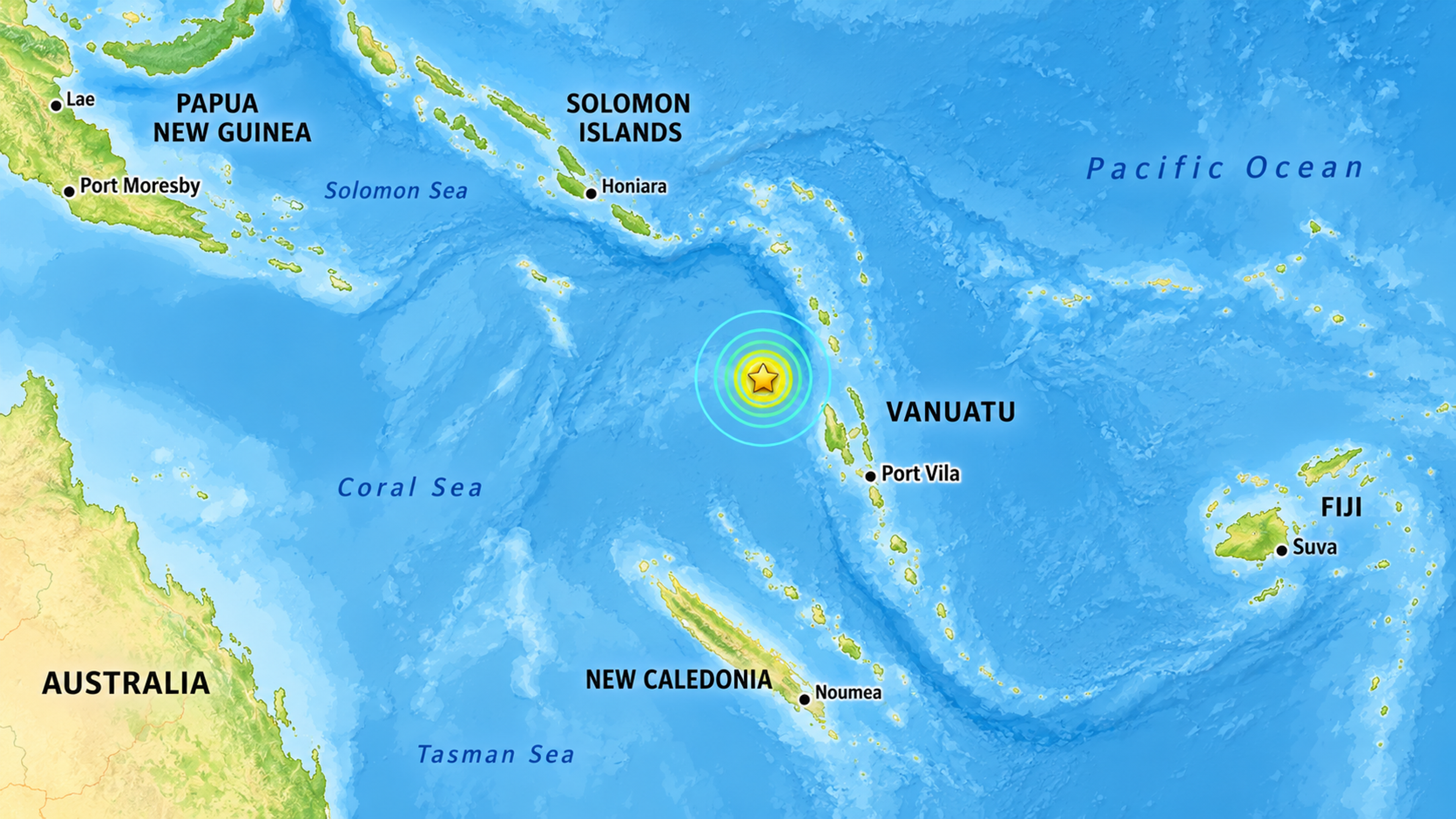
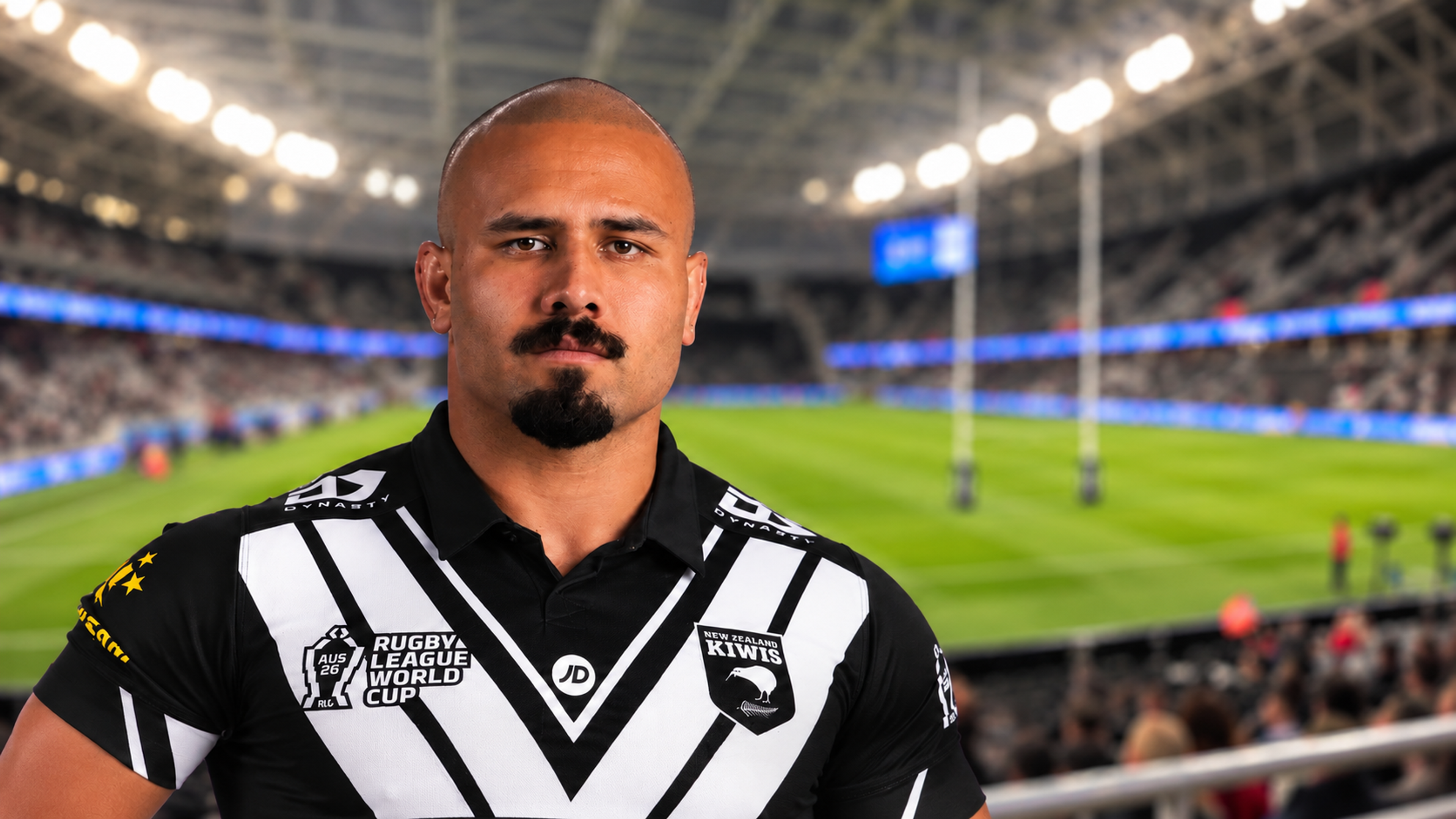
An International law expert says the Pacific can learn from the scrutiny over the United States’ deadly boat strike in September, as the region faces increasing drug trafficking.
The US strikes in the Caribbean and eastern Pacific resulted in the deaths of more than 80 people and involved a suspected Venezuelan narco-boat that was later hit a second time. The Washington Post reported that two survivors were killed while clinging to wreckage, triggering bipartisan calls for a congressional investigation.
Speaking with William Terite on Pacific Mornings, Al Gillespie says the strikes were unlawful and shows why the Pacific should pay close attention. He says Pacific communities face growing exposure to transnational crime syndicates.
“The problem is the obscene profits that can be made. You can see that these drugs, which were once rare in the Pacific and New Zealand, are coming in with greater frequency. Something like methamphetamine, [where] the use has doubled in the last couple of years, so we need to think differently,” Gillespie says.
An analysis by the Global Initiative Against Transnational Organized Crime found that the Pacific islands are no longer just transit points for drugs, but are now becoming domestic markets for methamphetamine, cocaine, and heroin.
According to the United Nations Office on Drugs and Crime (UNODC), transnational organised crime groups are now treating the Pacific as “an increasingly important transit route”. Gillespie says it may be tempting to react and “shoot them or kill them”, but such actions will not address the root problem.
Listen to Al Gillespie’s full interview below.
“It leads to a more lawless world and the collateral damage to both the legal system and innocent people is too great. We've got to fight illegal drugs, and we have to focus on those which are worse, but this is not the method to do it,” he says.
Gillespie says actions like the US September strikes have not effectively stopped drug trafficking for over a century, as the supply and demand continue to rise. Gillespie also says the strikes are legally weak, pointing to the United Nations Charter and the Law of the Sea.
The former is a foundational treaty of the UN, while the latter is a comprehensive international agreement that governs all aspects of ocean and sea use. Gillespie says there “is nothing” in either of those agreements that would justify attacking a boat suspected of criminal activity.
Al Gillespie says the US’s September boat strikes cannot be justified considering the United Nations Charter and Law of the Sea. Photo/United Nations
“You're violating a number of basic principles, and these are that people have a right to a trial, there is flag-state responsibility for the vessels on the high seas, and that the use of force must always be done as a last resort,” Gillespie says.
“But you're seeing an area which is just another push by Mr Trump into a very grey zone, as he expects other countries to play by the rules but doesn't apply them to the United States. I'm not saying that Mr Trump is wrong in the way that he is right to be concerned about the drug problem.
The family of Colombian fisherman Alejandro Carranza Medina has lodged a formal complaint with the Inter-American Commission on Human Rights, according to the Agence France-Presse (AFP). They rejected claims Medina was involved in narcotics trafficking and insisted he was “a fisherman just doing his job on the open sea”.
Medina’s widow, Katerine Hernandez, says he was “a good man” and had “no ties to drug trafficking”. The complaint also accused Defence Secretary Pete Hegseth for ordering the bombing of the boat.
CBS News reported that the White House denied Defence Secretary Pete Hegseth ordered the follow-on strike. Press Secretary Karoline Leavitt says the second strike occurred independently, but that Hegseth did not direct the killing of survivors. Instead, Admiral Mitch Bradley “worked well within his authority and the law”.
President Donald Trump says he “wouldn’t have wanted” a second strike, and that he believes Hegseth’s assurance that he did not order it. The unedited video has been viewed by lawmakers during a classified briefing.
Gillespie warns the killing of shipwrecked survivors breaches fundamental humanitarian norms. He says Trump could not execute a person within the US as “everyone has rights”.
He says Trump’s justification hinges on the strike occurring in international waters, implying different rules apply, but Gillespie argues that interpretation is incorrect.
“You've got the further transgression, where it appears that men who were shipwrecked have been targeted and then subsequently executed. There's nothing under the rules of war that actually says you can do that,” Gillespie says.
“Wounded people, shipwrecked people are vulnerable and they are entitled to life. You can't just execute them under false pretexts like self-defence. Even if they were shooting at the American boat, it's such a stretch to where you are now.
“Your bigger problem here is that if Russia or China was doing this, there would be uproar. But because it's America, we ring our hands and we're uncertain what to do. But you either live in a world with rules or a lawless world.”
Gillespie argues New Zealand and Pacific governments should not remain silent, saying the region often avoids criticising Washington for fear of backlash. He says nations should instead advocate for coordinated legal frameworks, intelligence support, and development pathways that reduce vulnerability to cartels.