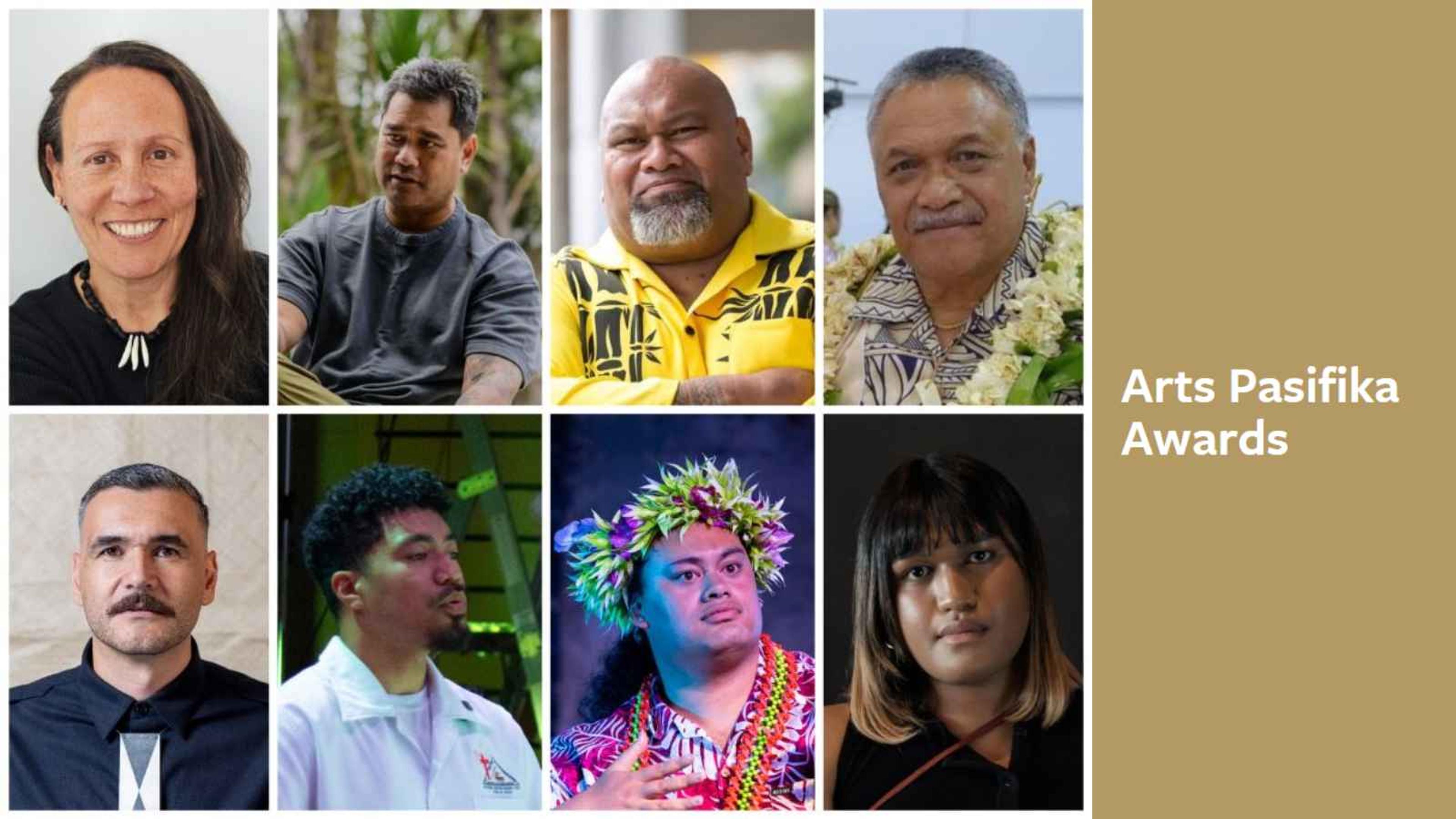
Tofiga Fepulea’i brings the laughs while taking top honours at Arts Pasifika Awards
Aui'a Vaimaila Leatinu'uFri, 23 Oct
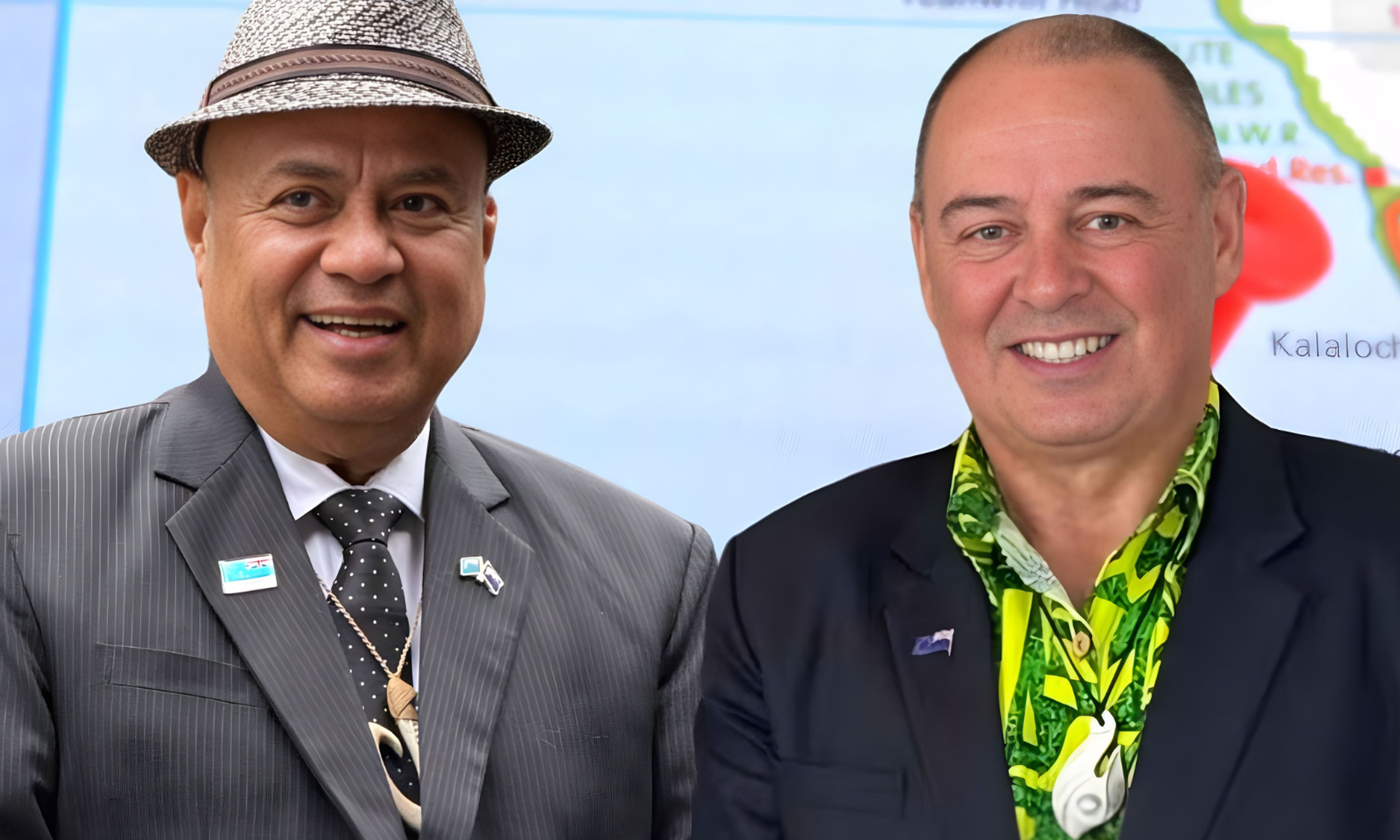
Tuvalu Prime Minister Feleti Teo (left) and Cook Islands Prime Minister Mark Brown (right).
Photo/PMN Composite
Tuvalu is pushing to deepen its ties with Wellington, while the Cook Islands faces unresolved tensions as NZ prepares to host Pacific leaders next year.

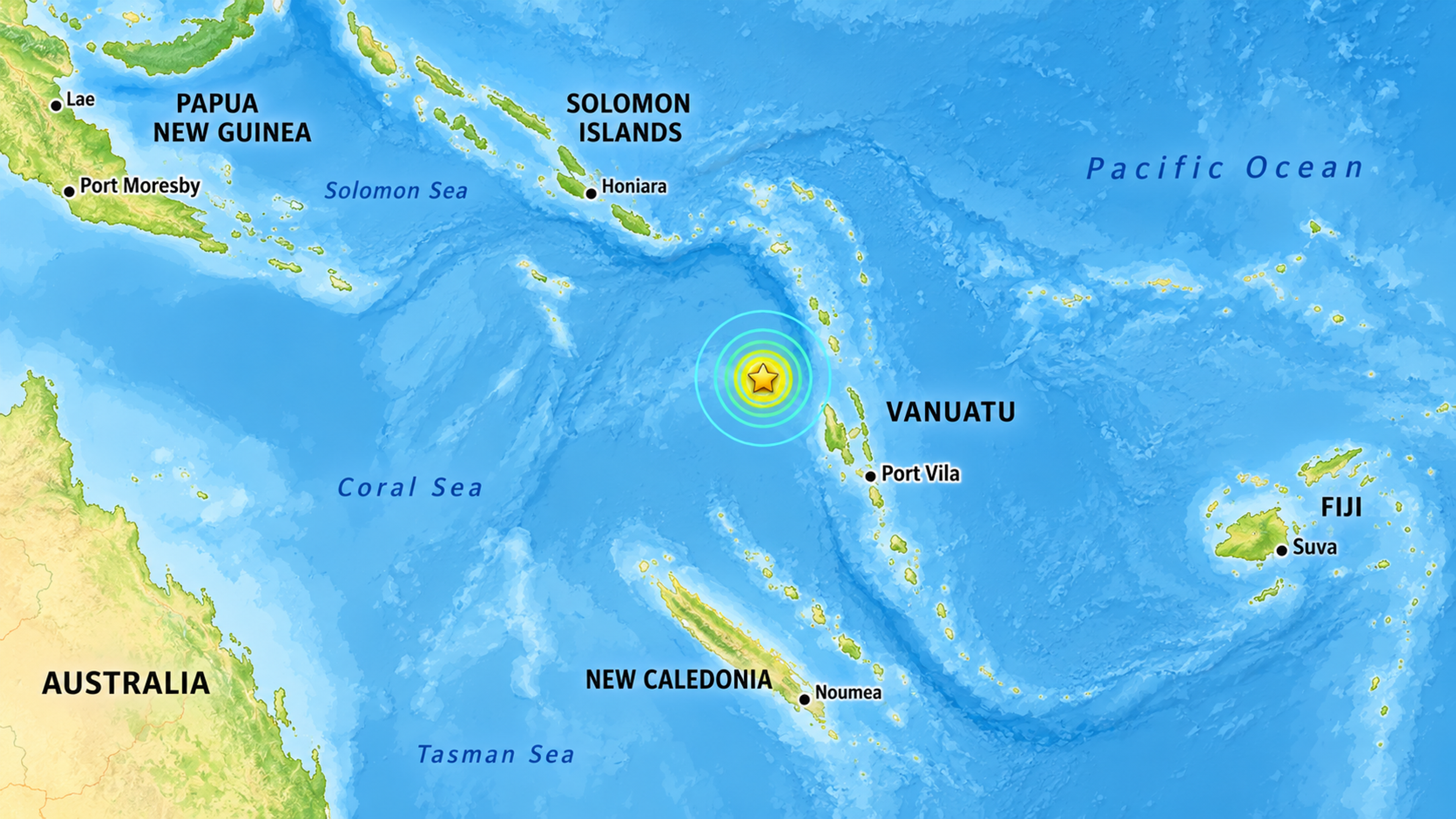

Two Pacific leaders have recently spent a week in New Zealand but their visits tell very different stories about the country’s relationships in the region.
Tuvalu Prime Minister Feleti Teo is seeking a closer, more formal partnership with Wellington, while Cook Islands Prime Minister Mark Brown is navigating a relationship under strain.
For Tuvalu, the visit is both diplomatic and strategic. Teo is set to meet Prime Minister Christopher Luxon, with the pair expected to sign a refreshed statement of partnership.
Despite this, Teo told PMN News that he is pushing for a treaty-level relationship.
“I have expressed the wish that we need to elevate that partnership to a much more concrete level in the form of a treaty which shows our commitment to the relationship,” Teo says.
He says Tuvalu continues to face major development challenges, particularly around climate change.
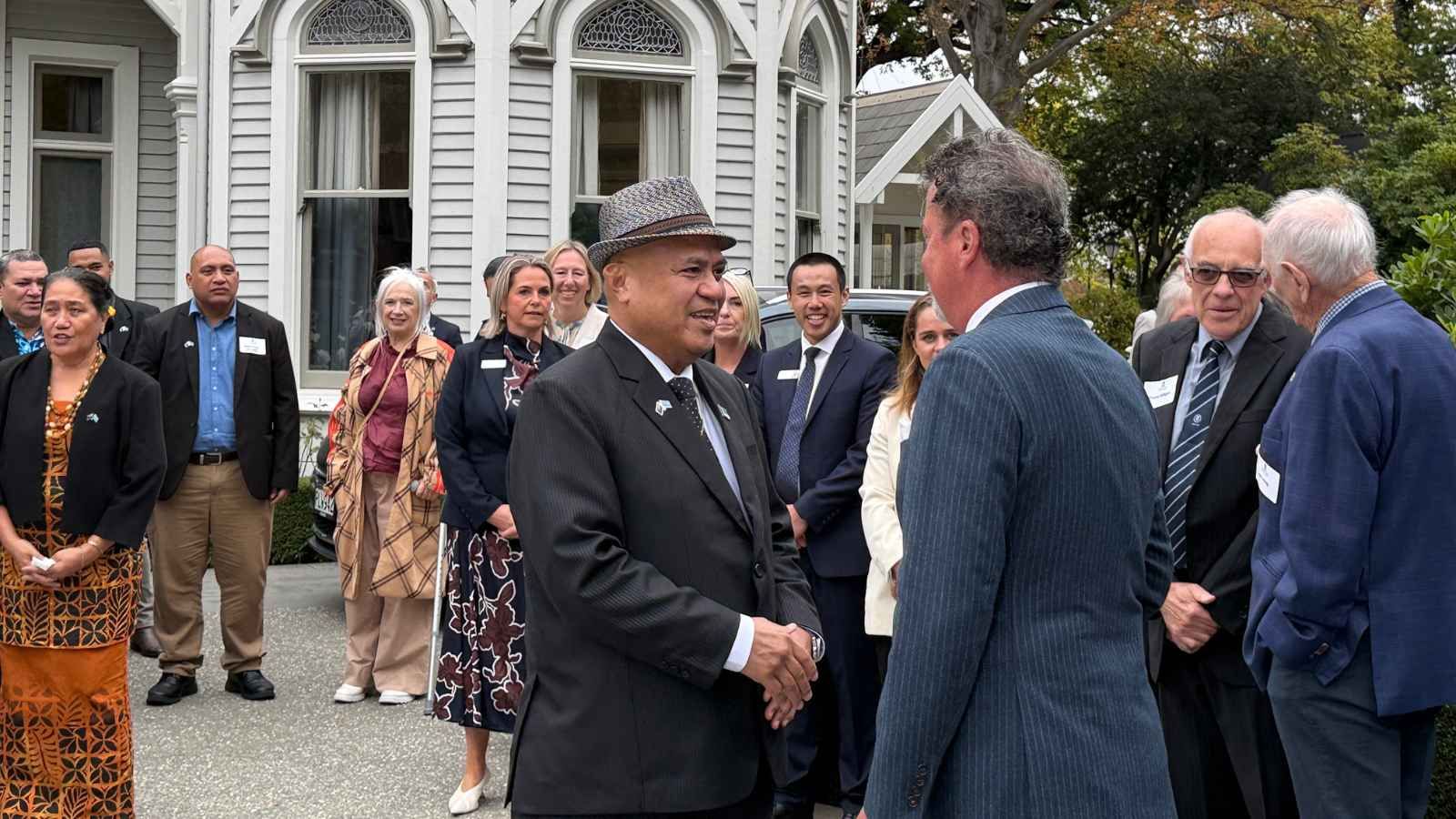
Feleti Teo meets with former school friends at St Andrews in Christchurch. Photo/PMN News/Ala Vailala
“We do have our own development challenges that we hope that New Zealand will continue to help us, especially in terms of climate change adaptations,” he said.
Alongside strengthening ties with Aotearoa, Teo reaffirmed Tuvalu’s long-standing diplomatic relationship with Taiwan, which spans more than four decades.
Most recently, Taiwan’s Foreign Minister, Lin Chia-Iung, visited Tuvalu in March as a special envoy of President Lai Ching-te.
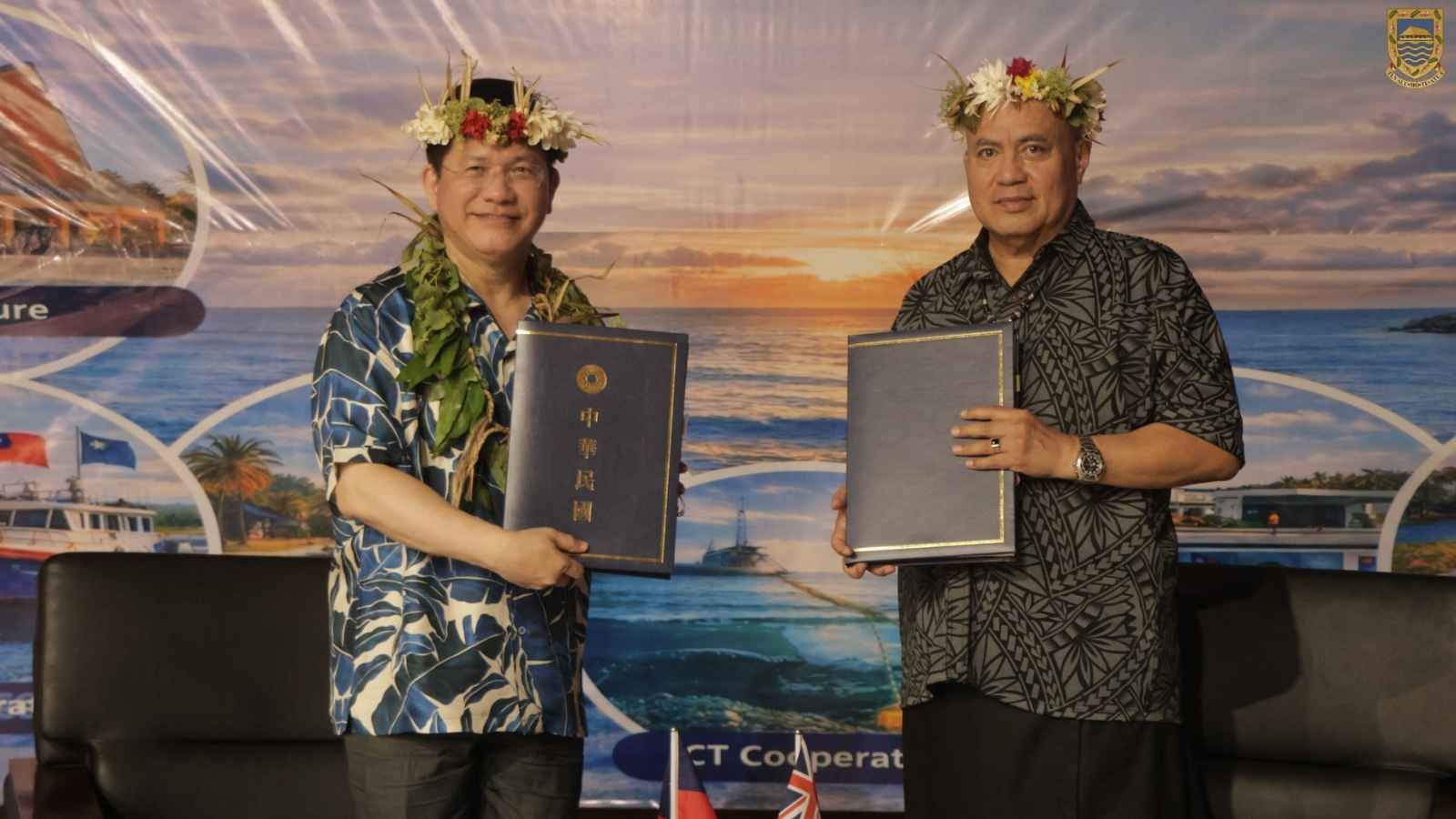
Feleti Teo hosted Lin Chia‑Lung, the Special Presidential Envoy of Lai Ching‑te in Funafuti earlier this month. Photo/Supplied/Tuvalu government media
It was his third visit, with talks focusing on digital development, cybersecurity, healthcare, and climate change collaboration.
“We've held on to those principles as the basis of our relationship, not being swayed by the economic powers of China,” Teo says. “So we value those democratic principles and China has been a good partner for us.”
Climate change remains Tuvalu’s central concern. The island’s highest point is just 4.5 to 4.6 metres above sea level. According to UNICEF, 95 per cent of the nation will be underwater at high tide by 2100.
Teo highlighted the Falepili Treaty with Australia as a landmark agreement, binding the two countries through security, climate adaptation, and migration.
It offers a special pathway for up to 280 Tuvaluans annually to live and work in Australia.
“Most of our resources are marine-based,” Teo says. “Fisheries provides about 40 per cent of our domestic revenue so we value the integrity and protection of our preservation of our marine resources.”
Listen to Feleti Teo's most recent interview on Pacific Mornings.
Meanwhile, the Cook Islands’ visit comes amid tensions with New Zealand.
This follows a diplomatic rift that saw millions of dollars in funding suspended.
Concerns over the Cook Islands’ growing ties with China including transparency around cooperation agreements remain unresolved.
Brown met informally with New Zealand’s Foreign Affairs Minister, Vaovasamanaia Winston Peters, in Auckland.
In a joint statement, they said they discussed "fundamental challenges facing the New Zealand-Cook Islands relationship over the past 18 months" but offered no resolution.
"Political dialogue between the two countries will continue in the coming weeks in order to determine whether these challenges can be resolved in the present circumstances," the statement read.
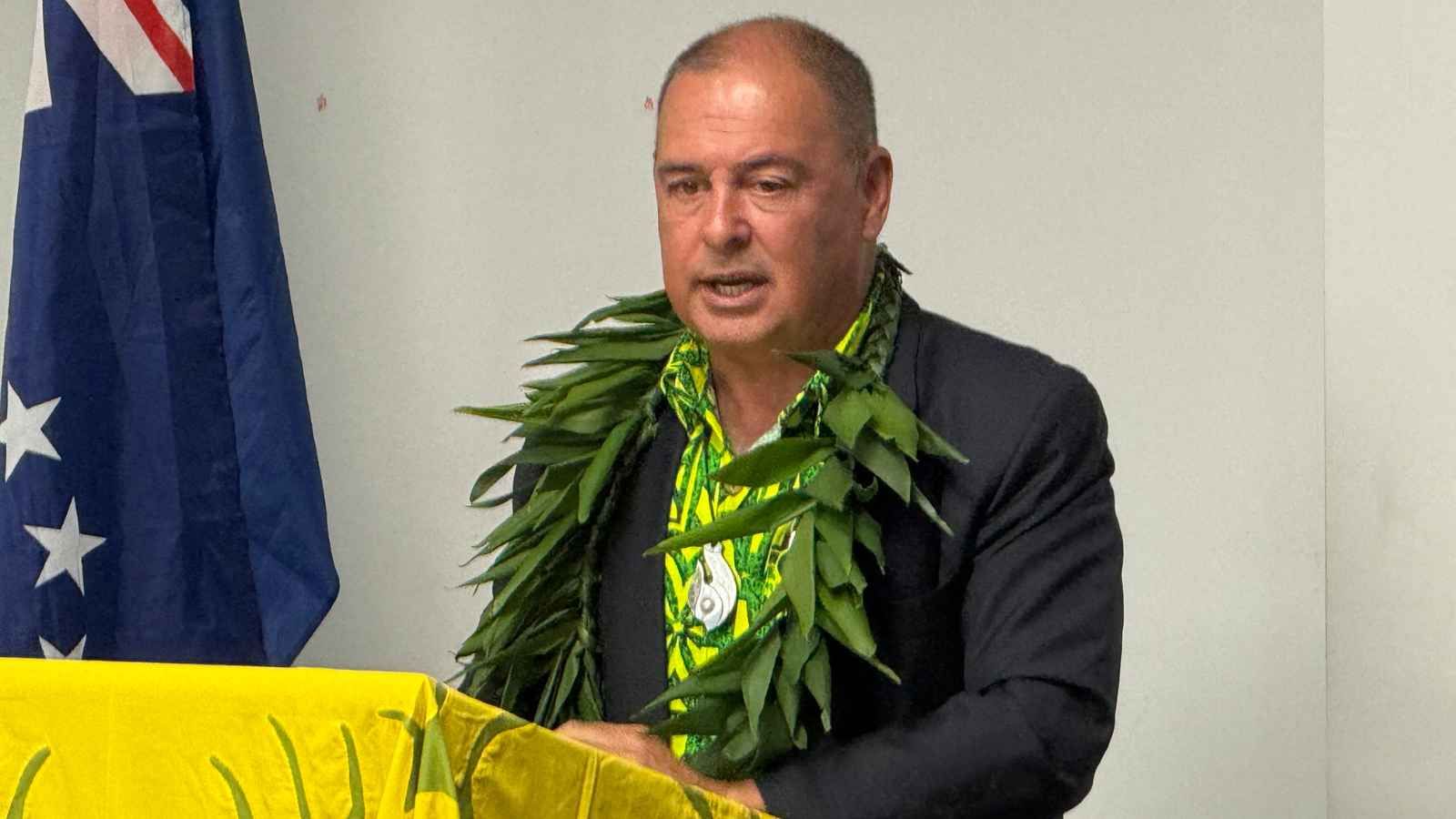
Mark Brown speaking at an event in Auckland during his visit to New Zealand. Photo/PMN News/Ala Vailala
"In the meantime, the Governments of the Cook Islands and New Zealand will not be providing further comment."
Brown’s week included stops in Wellington, Auckland, and Ngāruawāhia, alongside community events marking 60 years of Cook Islands self-governance.
During the visit, he announced steps to support Cook Islanders living in Aotearoa. These include internships in Rarotonga’s government agencies, expanded online access for births, deaths, and marriages, and a plan to process Cook Islands status stamps in New Zealand from 2027.
“The majority of our people who consider themselves Cook Islanders live here in New Zealand,” Brown told PMN News. “It's important for us to know that when our people leave the islands, they don't diminish our islands, they grow and expand our borders.
“The visit has reaffirmed that connection, and we move forward with confidence in what we can achieve together.”
Watch Mark Brown's interview below.
Prime Minister Luxon has also recently visited Sāmoa and Tonga, where he was bestowed the chiefly title of Tu’isinavemaulumoto’otua in Apia.
Earlier this year, Niue’s Prime Minister Dalton Tagelagi visited New Zealand to formalise relations with Germany.
Taken together, these visits show a Pacific region actively shaping its partnerships and New Zealand strengthening ties in some areas while facing pressure to respond more clearly in others.
As Aotearoa prepares to host the Pacific Islands Forum Leaders Meeting next year, the visits underscore both the opportunities and challenges for New Zealand as it seeks to maintain its role as a trusted Pacific partner.