

Stats NZ's Tia Warbrick and economist Filipo Katavake-McGrath say representation and collaboration in data collection is important.
Photo/File/Supplied
Community
Expert calls for real Pacific power in New Zealand data overhaul
A Pacific advisory group is being formed as Stats NZ changes how it collects data, but questions remain whether Pasifika will have decision-making power.

Khalia Strong
Published
12 May 2026, 6:29am
Share
Copy Link
Top stories

Fiji’s new tourism services tax eases pressure on travellers but airline costs remain
Elenoa TuragaiviuWed, 02 Sep

Pacific Forum leaders agree on regional action as Naoero breaks ranks over China missile test
Thomas Tarurongo Wynne in PalauFri, 04 Sep

All Blacks and Warriors face big tests against Springboks, Sea Eagles
Cedric TausingaFri, 04 Sep
Top stories
Fiji’s new tourism services tax eases pressure on travellers but airline costs remain
Elenoa TuragaiviuWed, 02 Sep
Pacific Forum leaders agree on regional action as Naoero breaks ranks over China missile test
Thomas Tarurongo Wynne in PalauFri, 04 Sep
All Blacks and Warriors face big tests against Springboks, Sea Eagles
Cedric TausingaFri, 04 Sep
Economist Filipo Katavake-McGrath is questioning whether a new Stats NZ advisory group will have real influence in shaping national data or simply act as a voice on the sidelines.
Stats NZ is overhauling how it collects population data, which will replace the traditional five-yearly census with a new system using administrative data and annual surveys.
As part of the change, a Pacific Data Advisory Group is being set up, alongside similar groups for the rainbow and homeless communities.
Katavake-McGrath says lived experience needs to sit at the centre of how data is designed and used.
He says people who understand hardship first-hand can help improve how systems interpret information and make decisions.
“I’ve been the person in health funding discussions that says ‘a person with psychosis doesn't think like that, because when I had psychosis I thought like this’,” he tells William Terite on Pacific Mornings.
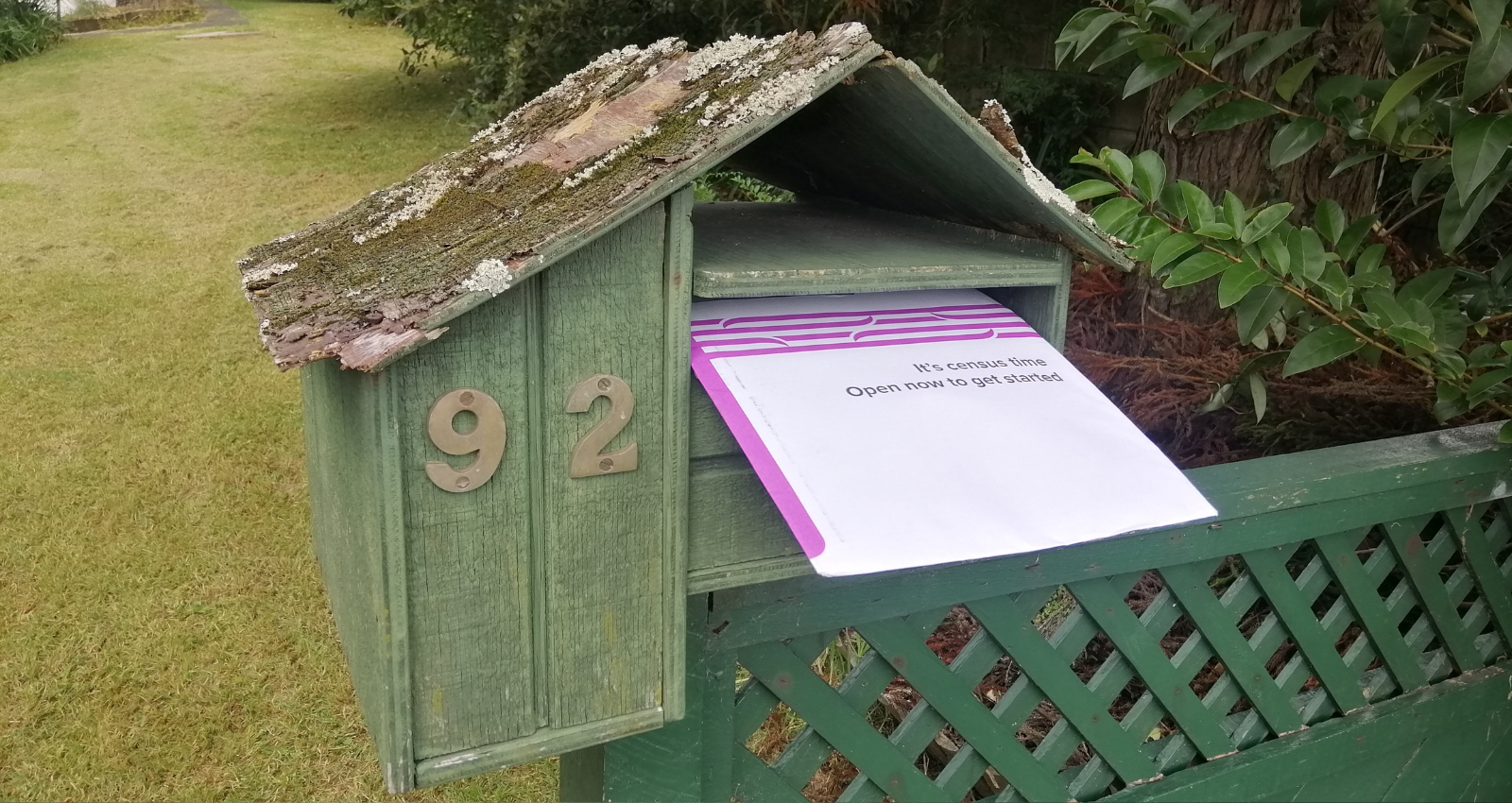
The five-year census was scrapped in 2025. Photo/File
“And I tell you what, when someone cuts through the bureaucracy with something really scary like that, it gets the decisions really crisp.”
He says this kind of insight is especially important for Pacific communities, which have been undercounted or misrepresented in official statistics.
The 2023 Census recorded an estimated 89 per cent national response rate, up from 82 per cent in 2018. But participation among Pacific people was lower at 79 per cent.
Watch Filipo Katavake-McGrath's full interview below.
Katavake-McGrath says those gaps reflect long-standing barriers that have not been properly addressed.
“There were people who felt considerable concern that their immigration status would affect their relationship with the census,” he said. “There were also people who said ‘we live in a garage so we can't qualify’, and over so many decades we’ve had this handbrake on Pacific participation in the census.”
Stats NZ says the new advisory group will bring together up to 12 members with expertise in statistics, Pacific data governance, research, ethics, policy and community knowledge. It will meet about six times a year and be supported by a Stats NZ secretariat.
Tia Warbrick, Stats NZ Deputy Chief Executive for Strategic Engagement, says collaboration is central. “Working in partnership with communities is essential. We can’t do this alone,” she says in a statement.
“Bringing community voices into the design process helps build trust, understanding, and participation.”

Data on transactions can be used to create a picture people are spending their money on. Photo/Canva
Katavake-McGrath says the shift away from the traditional census is part of a wider move towards using administrative data, information already collected through government systems alongside annual surveys.
He says this approach could make data more accurate and more useful for communities.
“We don’t need a survey to work out where the footpaths are wearing down fastest… we have Google analytics, GPRS and card payment data all on tap 24/7.”
Growing Pacific presence in data sector
Despite concerns about influence, Katavake-McGrath says representation in the data sector is improving.
“As someone who has sometimes been the only brown person in the room, to now being part of networks where there are Pacific peoples all over the country dealing in data and also overseeing how data warehousing is managed … it's actually a golden time for many younger Pacific people.”
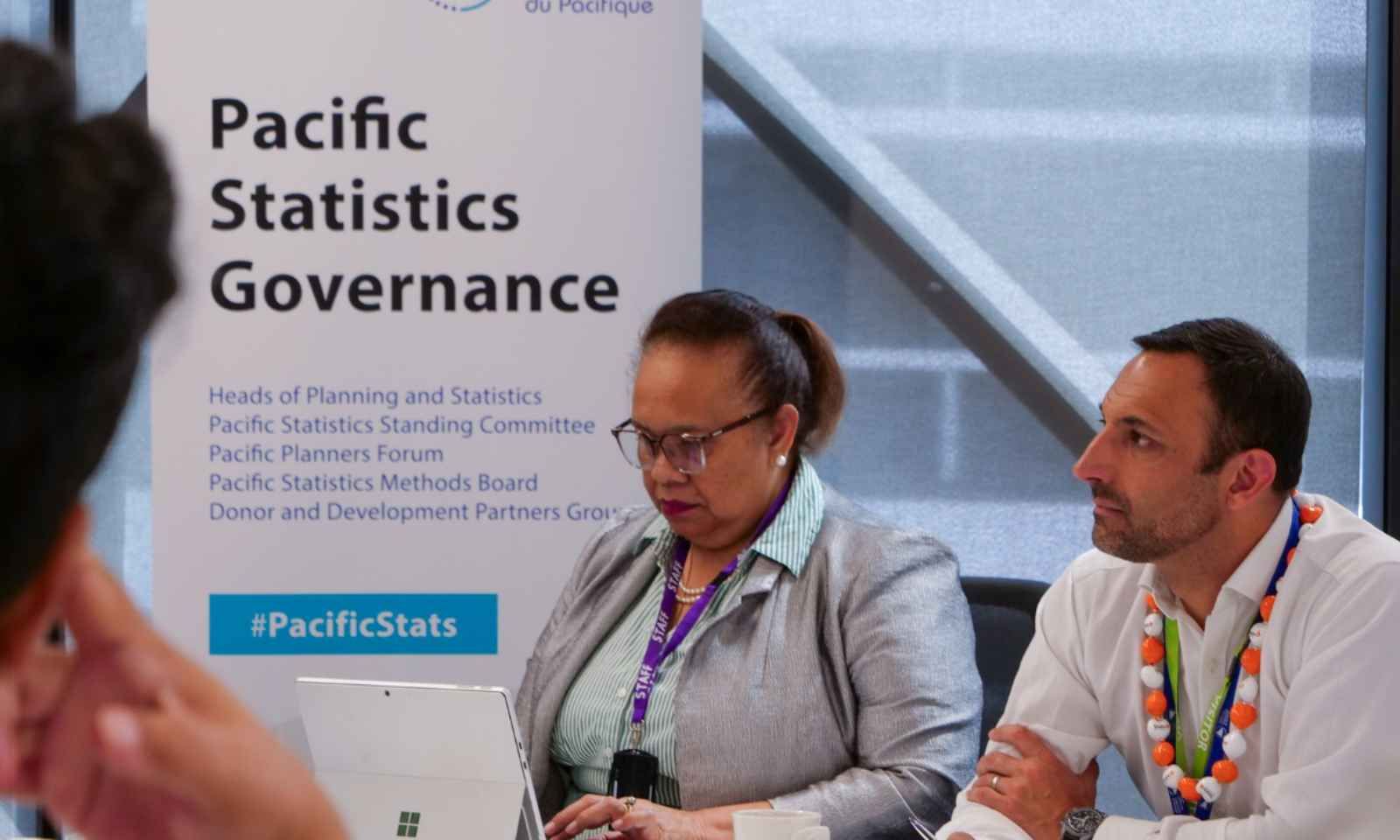
Leaders at a meeting on Pacific Statistics Governance. Photo/SPC
But he warns the advisory group must not become a ticking-box exercise focused on language or surface-level consultation.
“I think the risk… is that they could be pushed towards just talking about language, and that is box ticking in 2026, whereas actually a Pacific perspective… is much more innovative.”
As the new system takes shape, the key question is whether Pacific communities will help shape how data is built or continue to be consulted without real decision-making power.
Expressions of interest for the Pacific Data Advisory Group close on 31 May 2026.