
Tongan workers in line for jobs as FIFA-backed soccer turf takes shape
Elton Lonaratha JnrThu, 08 Oct

Students and university leaders weigh in on the move to scrap fees-free tertiarty study.
Photo/Supplied/University of Auckland/PMN
There are fears the Government’s move will push more young people into debt and make university harder to reach for families under financial strain.

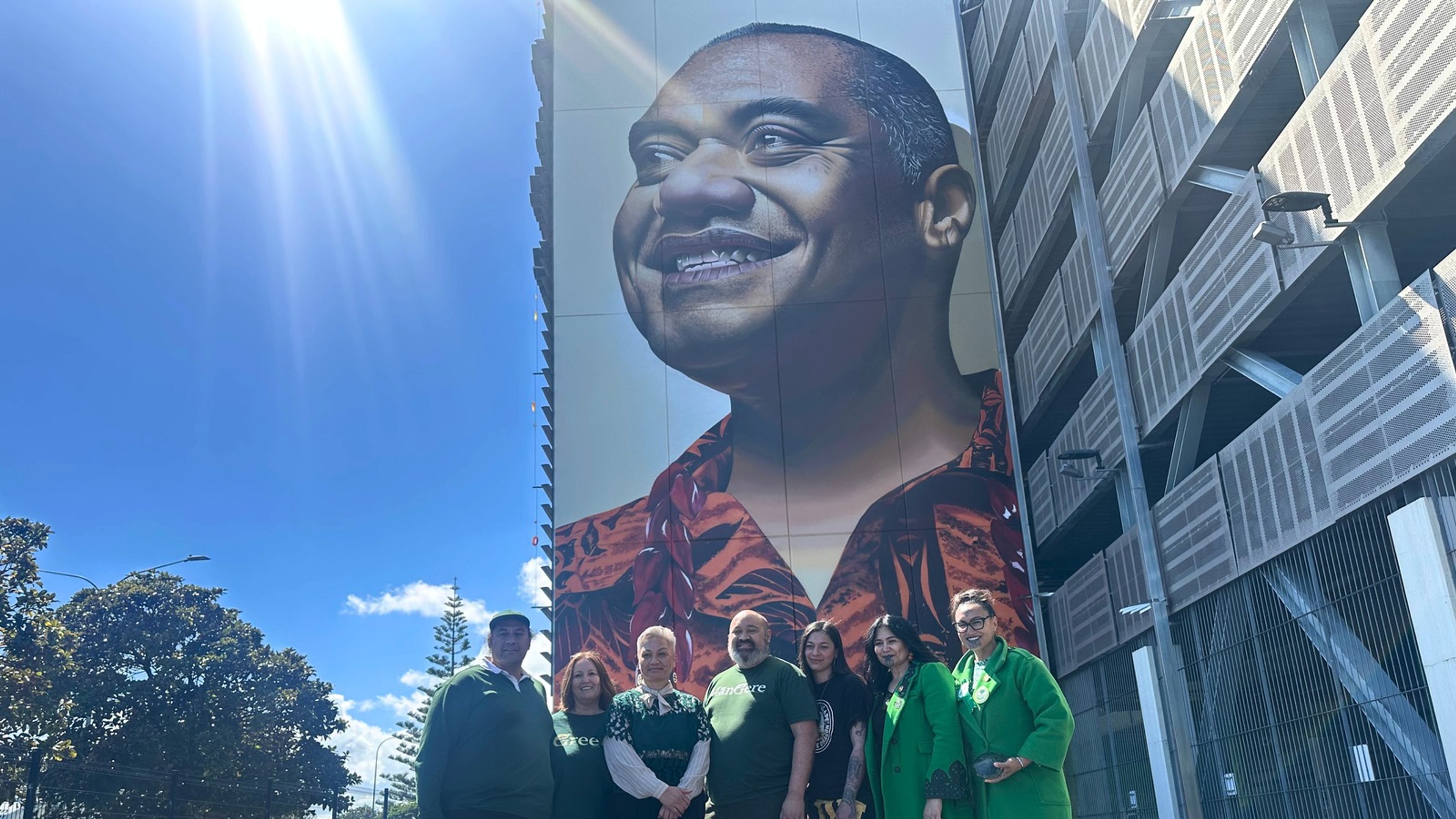


Pacific students say they are bracing for more debt and fewer opportunities after the Government confirmed it will end the final year of fees-free tertiary study in this month’s Budget.
The scheme currently covers final-year university fees but will be scrapped after being shifted last year from first-year support.
It was introduced in 2018 to encourage more students into tertiary study and has cost nearly $350 million a year.
For many students, the change means thousands of dollars more in loans.
Rona Vasili, a second-year Sport and Recreation student at the Auckland University of Technology (AUT), says the impact is already clear.
“I’ve already paid the first year and the second year, but now with my third year, that’s another $8000 added,” she tells PMN News. “It’s annoying.”
Education leaders say the change comes at a time when Pacific learners are already facing barriers to higher education.
Between 2020 and 2022, University Entrance rates for Pacific and Māori students fell from 40 per cent to 34 per cent, compared with a national drop from 53 per cent to 50 per cent.
Professor Jemaima Tiatia-Siau, University of Auckland’s Pro Vice Chancellor Pacific, says removing fees-free support adds to that pressure.
Watch Jemaima Tiatia-Siau's full interview below.
“Fees-free is not a charity move. It’s really about national investment,” she tells William Terite on Pacific Mornings.
“For Pacific students, it sends the signal universities are unattainable. A lot of our students take out student loans and work full-time while studying, which means extended hours and balancing a lot.”
“It kind of sends a message that New Zealand doesn’t see their worth.”
She says the change could also affect long-term Pacific representation in key professions.
“Although the Government has directed funding towards the trades, that limits choice now into programmes like medicine or law.
“It has an impact on building Pacific leadership.”
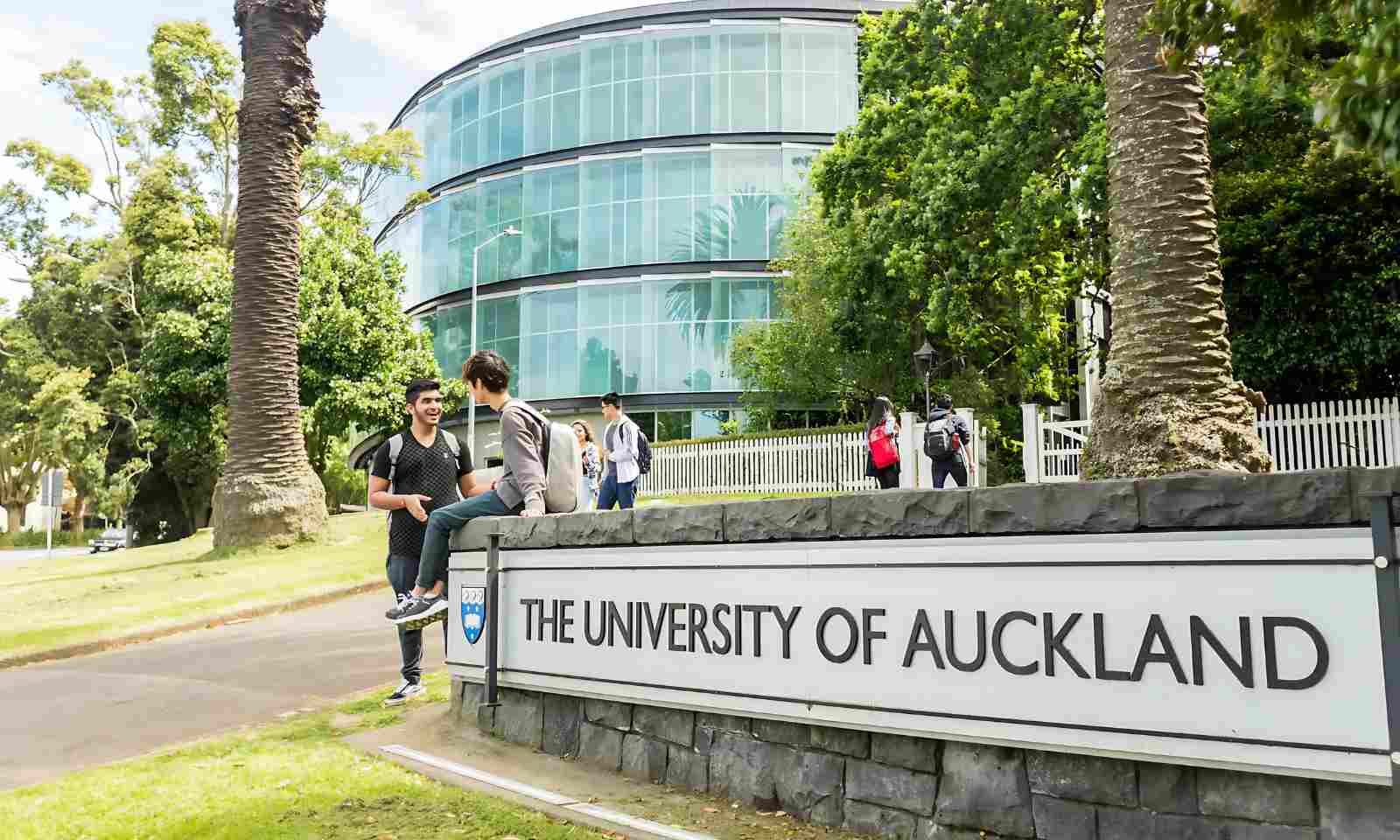
Pacific universities are evolving into institutions grounded in culture and community, writes Professor Jemaima Tiatia-Siau. Photo/Supplied
Fuimaono Nova Tagi, AUT student representative and AUT Pasifika Law Students Association president, says students are being left out of decisions that directly affect them.
She says it is too early to fully measure the success of the scheme, especially when policies keep changing.
“Removing fees-free support risks discouraging students from pursuing higher education,” she tells PMN News.
“For Pacific students and many communities, education is about uplifting families and future generations. Decisions around affordability have a real impact on whether students feel tertiary education is something they can realistically pursue. ”
Finance Minister Nicola Willis says students completing study this year will still be eligible for support, and told TVNZ the scheme “never achieved its goal of increasing participation” and was “particularly bad” at reaching disadvantaged learners.
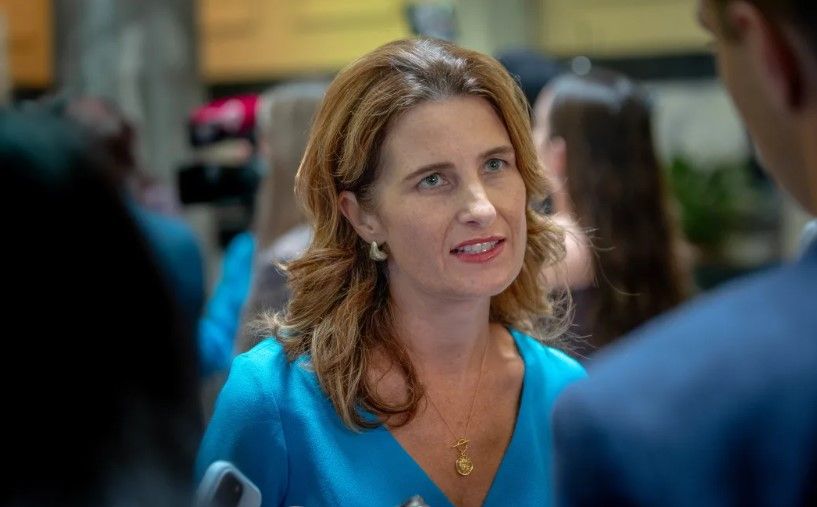
Finance Minister Nicola Willis confirmed the fees-free scheme would be scrapped at the end of 2026. Photo/RNZ/Mark Papalii
Sandra Grey, Council of Trade Unions President, says removing the support will widen inequality.
“This burdens young people with thousands more dollars of debt,” she says in a statement. “They start their working lives behind their better-off peers.”
For Pacific students, the concern is simple: higher costs could mean fewer pathways into university and fewer opportunities to move into careers that shape the future of their communities.