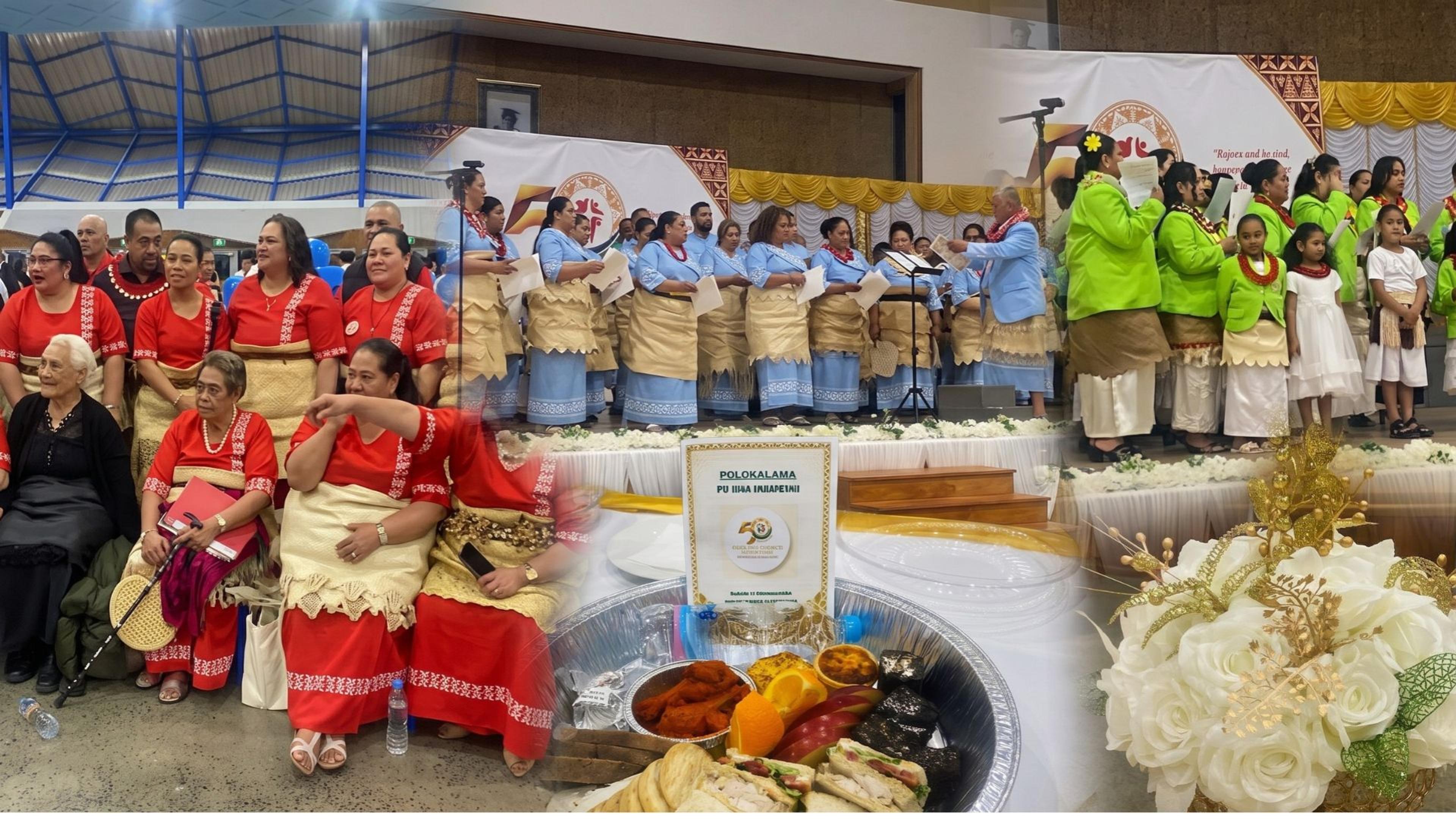
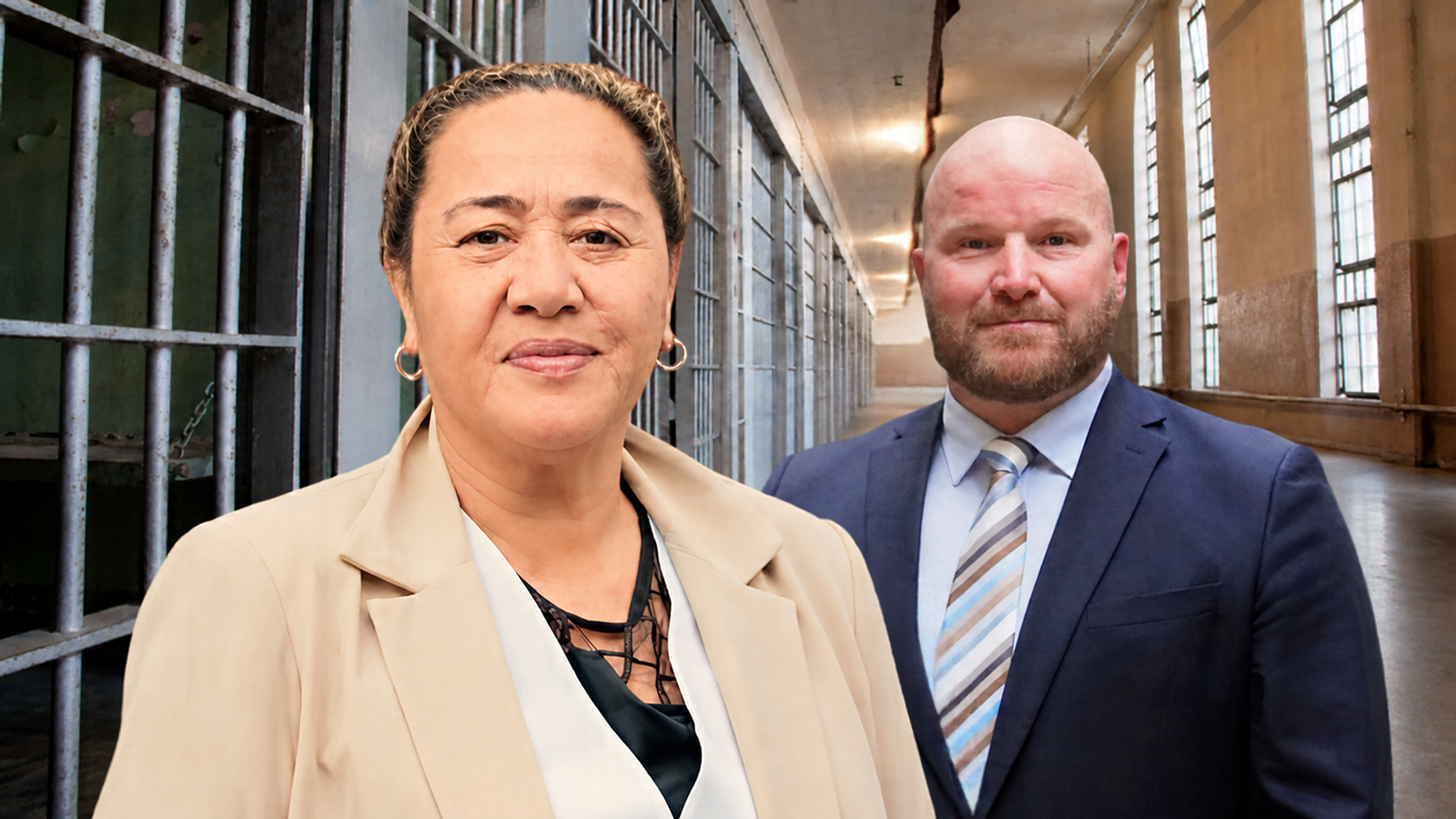
Road to Freedom CEO Julienne Johnstone, left, and Corrections Deputy Chief Executive Communities, Partnerships and Pathways, Sean Mason, discuss the support available to Pacific people in the justice system.
.Photo/PMN News/Composite
Law & Order
Corrections rejects call for specialist Pacific probation team in NZ
Researchers say youth need culturally grounded support while the department says staff should be equipped to work with communities.

Thomas Tarurongo Wynne
Published
25 November 2026, 3:55pm
Share
Copy Link
Top stories

World Rugby suspends Oceania Rugby from council over internal governance concerns
Christine RovoiTue, 24 Nov

Pacific child protection comes under pressure as violence remains widespread - experts
Christine RovoiTue, 24 Nov
Top stories
World Rugby suspends Oceania Rugby from council over internal governance concerns
Christine RovoiTue, 24 Nov
Pacific child protection comes under pressure as violence remains widespread - experts
Christine RovoiTue, 24 Nov
Corrections is rejecting a recommendation for a specialist Pacific probation team as new research says young Pacific people serving community sentences need more culturally grounded rehabilitation and stronger family support.
The peer-reviewed study, "My passion is our Pasifika people", written by researchers Rayna Tuina Tuunaifo Phillips and Professor Julia Ioane and published in MAI Journal, is based on talanoa with four Pacific probation officers working with Pasifika people aged 17 to 24 serving community sentences for violent offending.
The study found a shortage of Pacific-specific programmes in the community and recommends a Pacific non-violence programme, a specialist Pacific probation team, and wider support across agencies, including Whānau Ora.
Sean Mason, the Deputy Chief Executive Communities, Partnerships and Pathways at Corrections, says the department would rather build the cultural capability of its entire frontline staff.
“We believe this is more effective than having a specialist team in one location, as our probation officers are required to work with individuals across the country,” Mason said in a statement.
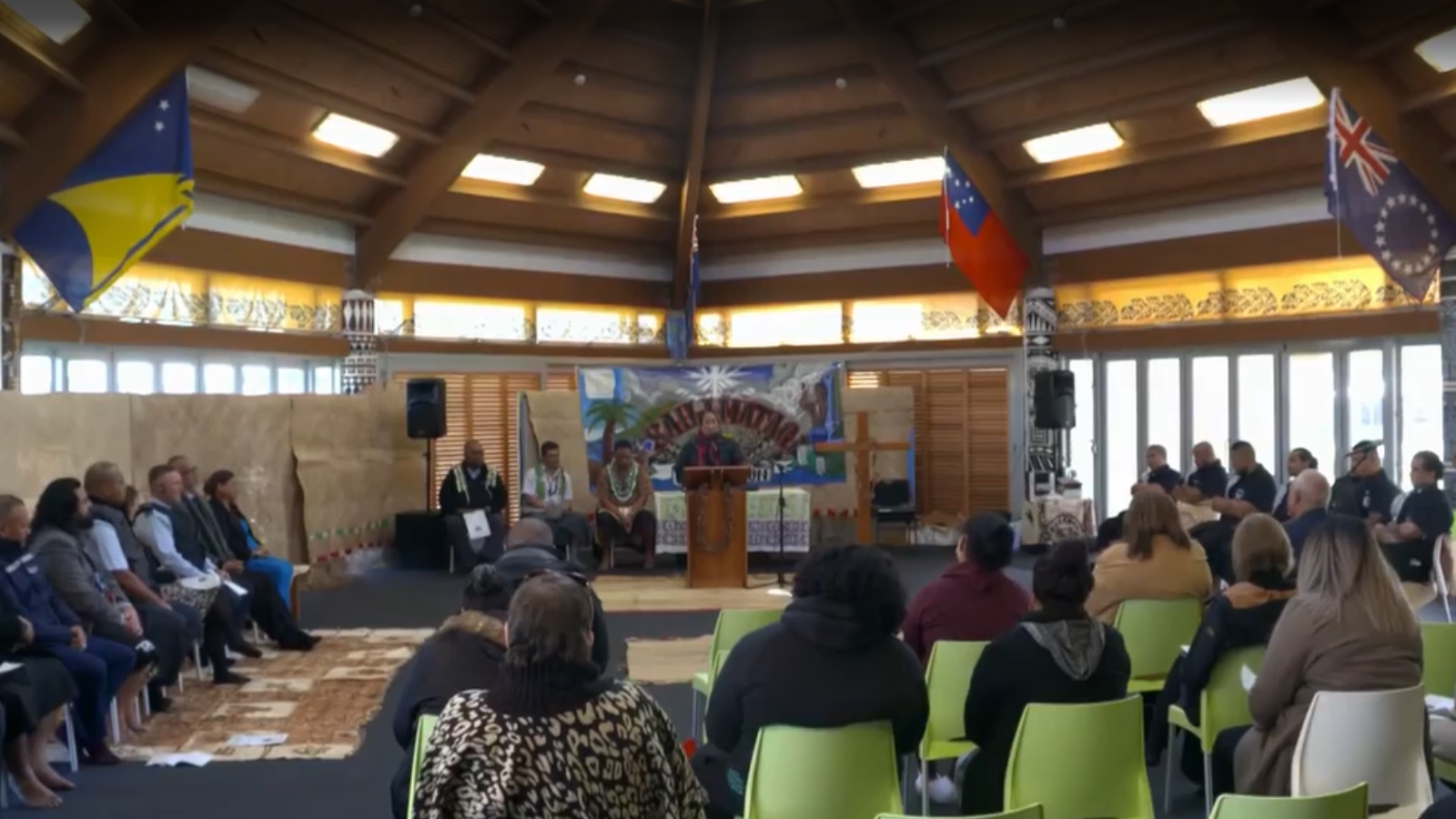
The study says Pacific responses to offending “must be vā-driven”, with respectful relationships at the centre of work with young people and their families.
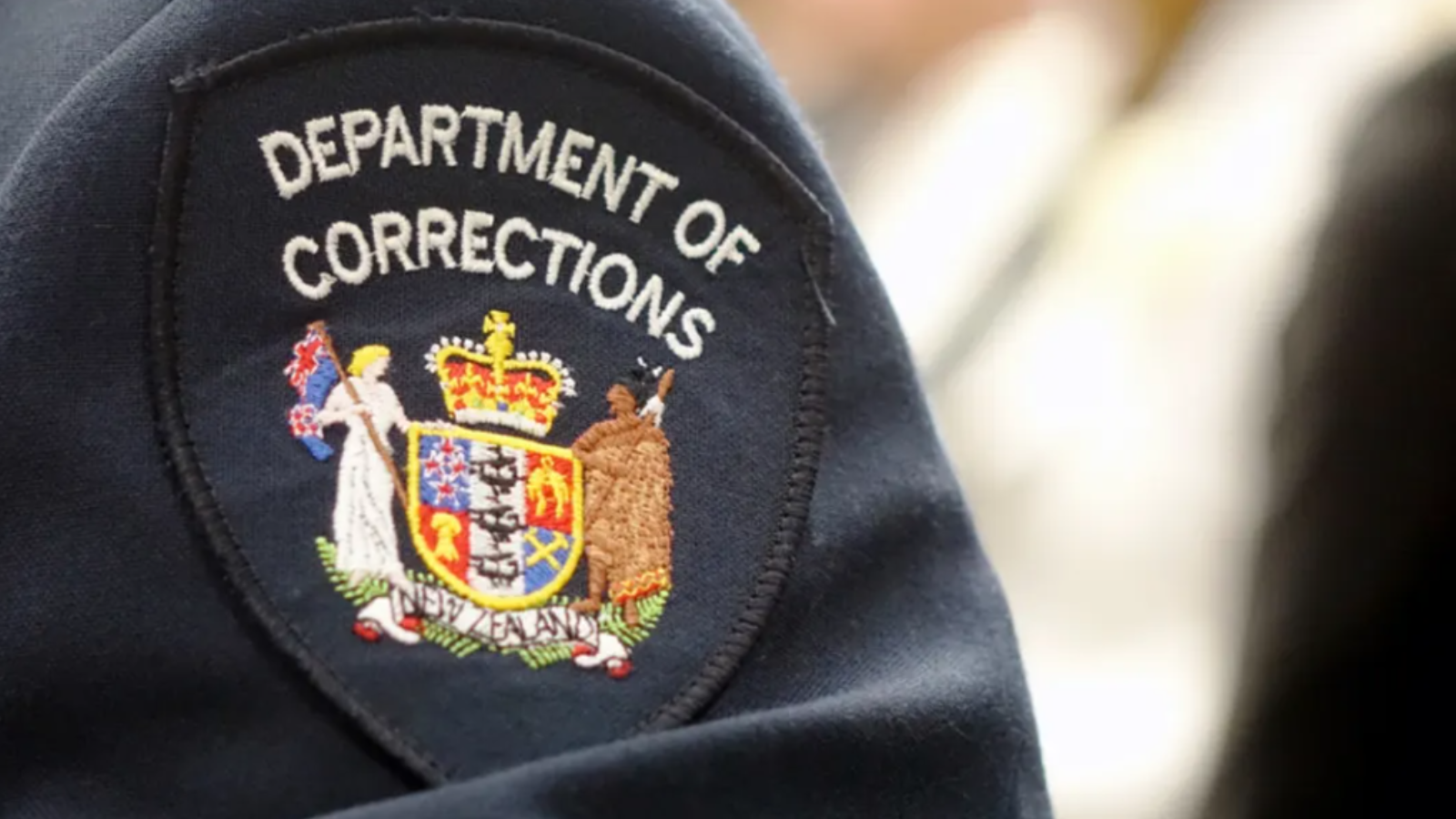
The study says Pacific responses to offending “must be vā-driven”, with respectful relationships at the centre of work with young people and their families. Photo/RNZ/Kim Baker Wilson
The Pacific probation officers interviewed for the research say existing community programmes do not go far enough.
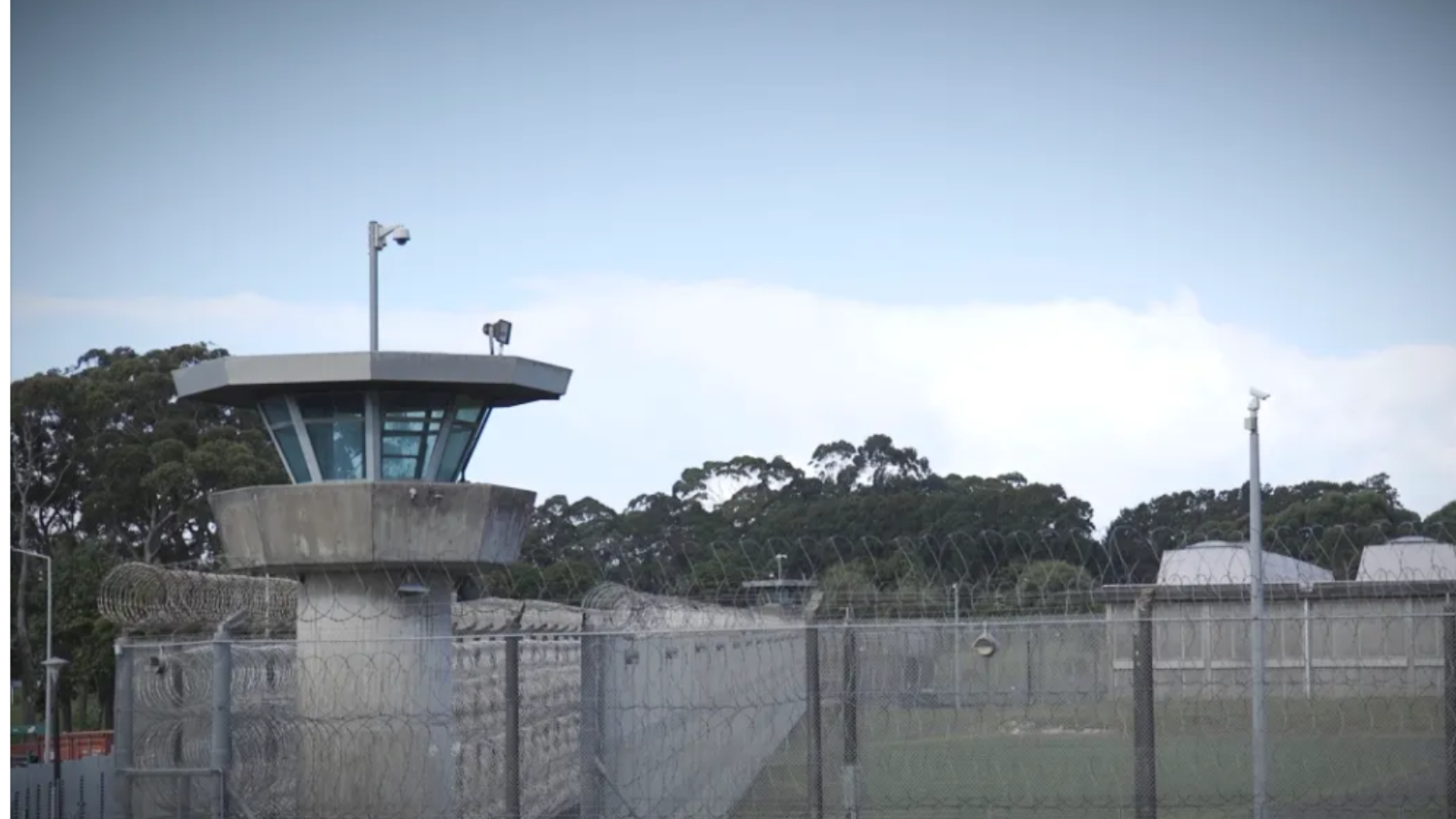
One officer, identified as ‘Ane’ in the study, says Saili Matagi, a Pacific violence programme, is available in prison but not in the community.
“We don’t have a specific programme like Saili Matagi, that they run in the prison, out in the community. And I think a lot of us POs want to see something like that in the community.”
Prison officers interviewed said Spring Hill Prison's Saili Matagi programme is available inside but not out in the community. Photo/1News/screengrab
Mason confirms this, but says Pacific-led providers in Auckland, Waikato and Wellington offer mentoring, mental health, family violence and Whānau Ora support.
He says the Pasifika Identity Programme is currently the only Pacific programme identified by Corrections as operating in the community, with the department planning to start in Christchurch in 2027.
The research also found that pairing Pacific probation officers with Pacific young people, and working closely with families can improve engagement.
“You have to create that safe environment, so they know we are actually here to help. My passion is our Pasifika people,” says another officer identified as “Langi.”
The officers say heavy caseloads can make it difficult to build those relationships while support can end when a person’s sentence finishes.
Mason says the average probation caseload is 27 people, or 22 when community work cases are excluded.
Prison officers in the study say heavy caseloads can make it difficult to build those relationships while support can end when a person’s sentence finishes. Photo/RNZ/Samuel Rillstone
It says officers also connect people and their whānau with community services after sentences end.
Road to Freedom chief executive Julienne Johnstone says support needs to begin even earlier when people first appear for bail.
“I don’t believe that it should start at sentencing either. It should start at bail.”
Johnstone, who has worked in the sector for 37 years, says finding a suitable bail address can be one of the biggest challenges for young people.
She says young people aged 18 to 24 receive lower benefits than people aged 25 and over, even though accommodation costs are the same.
“How can we expect young people to comply with bail conditions, attend appointments and make positive changes if they’re struggling to meet their basic needs? I really think MSD, Corrections and the Ministry of Justice need to look at this together.”
Listen to Julienne Johnstone's full interview below.
Johnstone says relationships are central to helping people through the justice system.
“You can’t go and help people if you don’t respect them first and respect their space. And this takes time to build.”
She says many people leave court without anyone to help them navigate what happens next.
“We will meet you outside that court door. We will hold your hand and we will walk you through this process.”
Corrections figures show 2352 Pacific people are serving community sentences or orders, including 271 of them aged 18 to 24.
The study’s authors acknowledge their research involved only four probation officers and say future research should include Pacific young people and their families.