
Tonga and PNG step up drought response as an El Niño threat grows
PMN NewsFri, 20 Nov
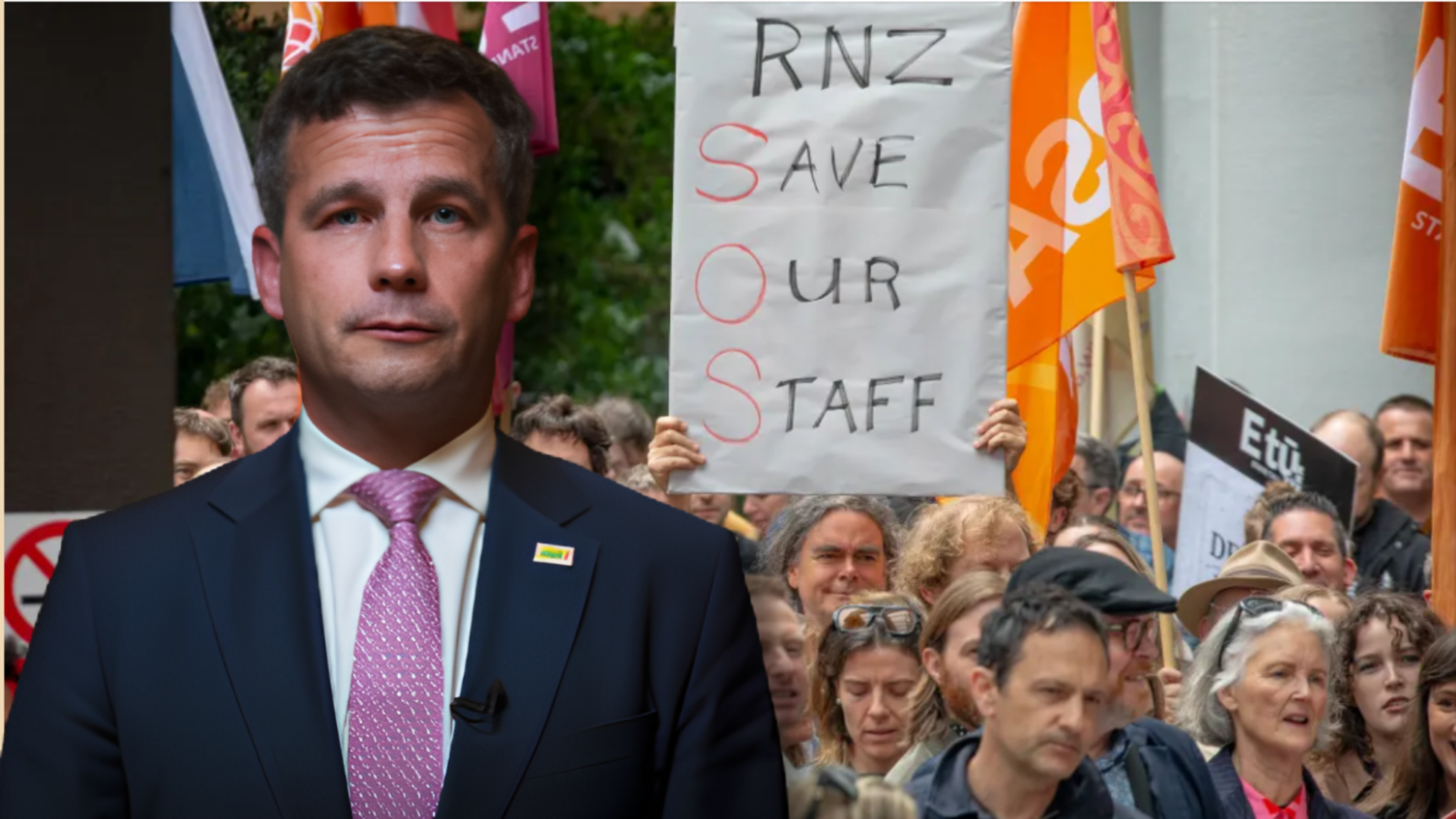
Deputy Prime Minister David Seymour says the Government needs to ask a bigger question after RNZ reported an $11.8 million loss
Photo/PMN News/Composite
The Deputy Prime Minister says an investigation into who knew about RNZ’s financial problems and when begins this week while pointing to PMN as an alternative way to fund public-interest broadcasting.

Deputy Prime Minister David Seymour says the Government needs to ask a bigger question after RNZ reported an $11.8 million loss: does New Zealand need to own a radio and television broadcaster at all.
Seymour says an investigation into "who knew what when" will begin this week after the broadcaster’s deficit came in more than 25 times higher than the $470,000 it had forecast.
“These are all adults, the auditors, the audit committee, the accountants, the management, the board, all of these people involved. It's extraordinary that it got as far as it did.”
The financial problems have put RNZ staff and its future under fresh pressure, with the broadcaster planning to cut the equivalent of 58 full-time roles by March 2027.
Seymour says the blowout has let down taxpayer, listeners and staff.
"It is a real disappointment for the taxpayer, because remember, it's ultimately the taxpayer's money, for the audience, because the taxpayer's money went to get a quality product, and for many good people at Radio New Zealand who are going into Christmas uncertain about their job."
Watch David Seymour's full interview below.
Seymour does not believe the answer is simply to scrap public broadcasting.
He says there is still a place for publicly funded content that allows people to “can hear their own voices and see their own faces”, rather than relying only on British or American programming.
But he questions whether that requires the Government to own a broadcaster.
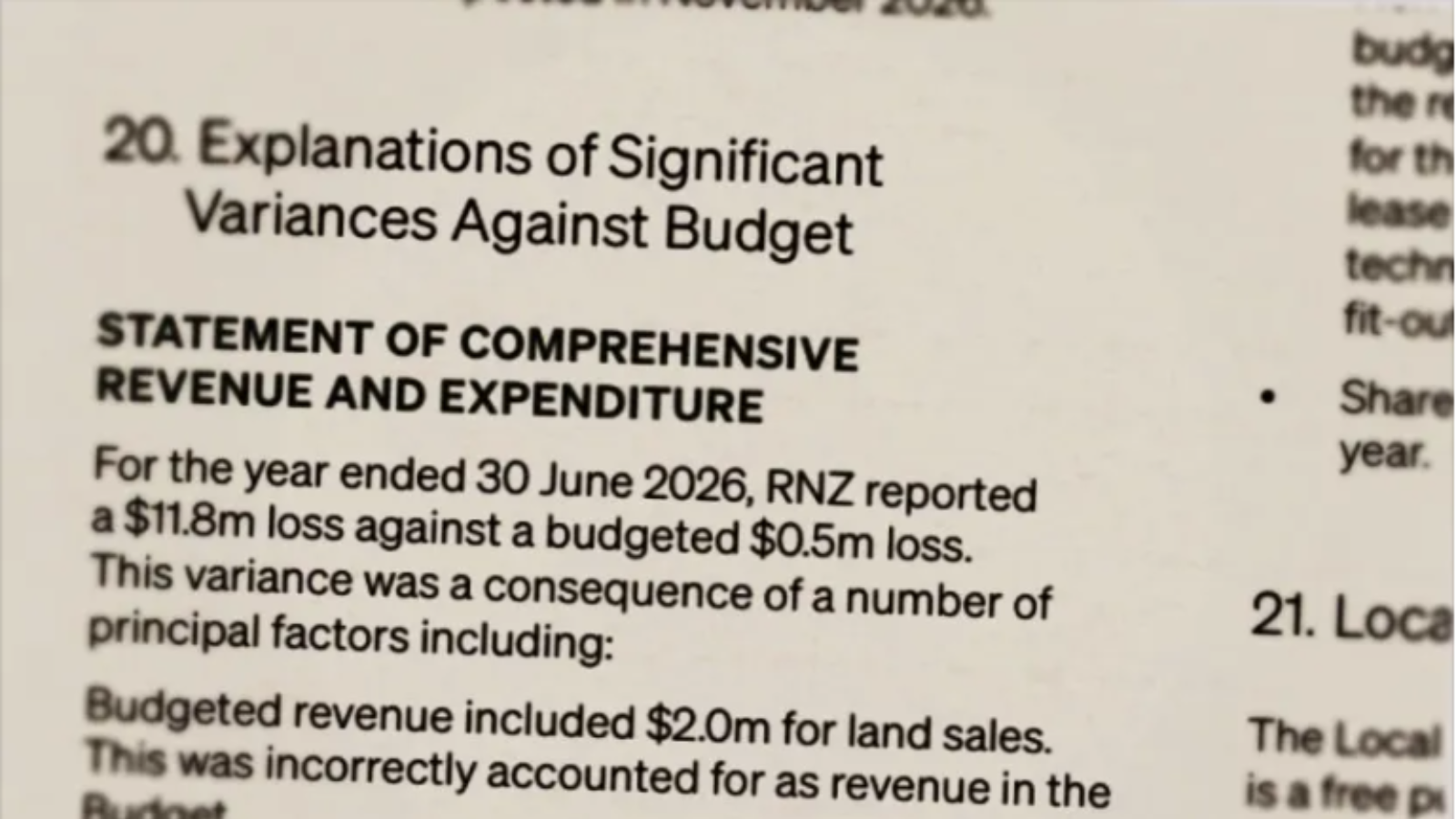
Financial problems have put RNZ staff and its future under fresh pressure, with the broadcaster planning to cut the equivalent of 58 full-time roles by March 2027. Photo/RNZ/Mediawatch
“The question is not should we scrap it. The question is, do we have a clear idea of why we have it?
“PMN, in a way, is a model of how we can get the outcome or the product that we need, which is people can hear a different perspective that might not be there in a commercial marketplace. That's achievable without owning the whole dog and pony.”
For PMN's Pacific audience, Seymour's comparison is significant because it puts the focus on what public funding is meant to deliver, rather than simply who owns the organisation.
His comments come as RNZ faces an independent review into what it has called an "organisational failure" in its financial reporting, accounting and governance.
Media Minister Paul Goldsmith has said RNZ must fix its own accounting problems.
"They broke it. They need to fix it," he told RNZ’s Morning Report.
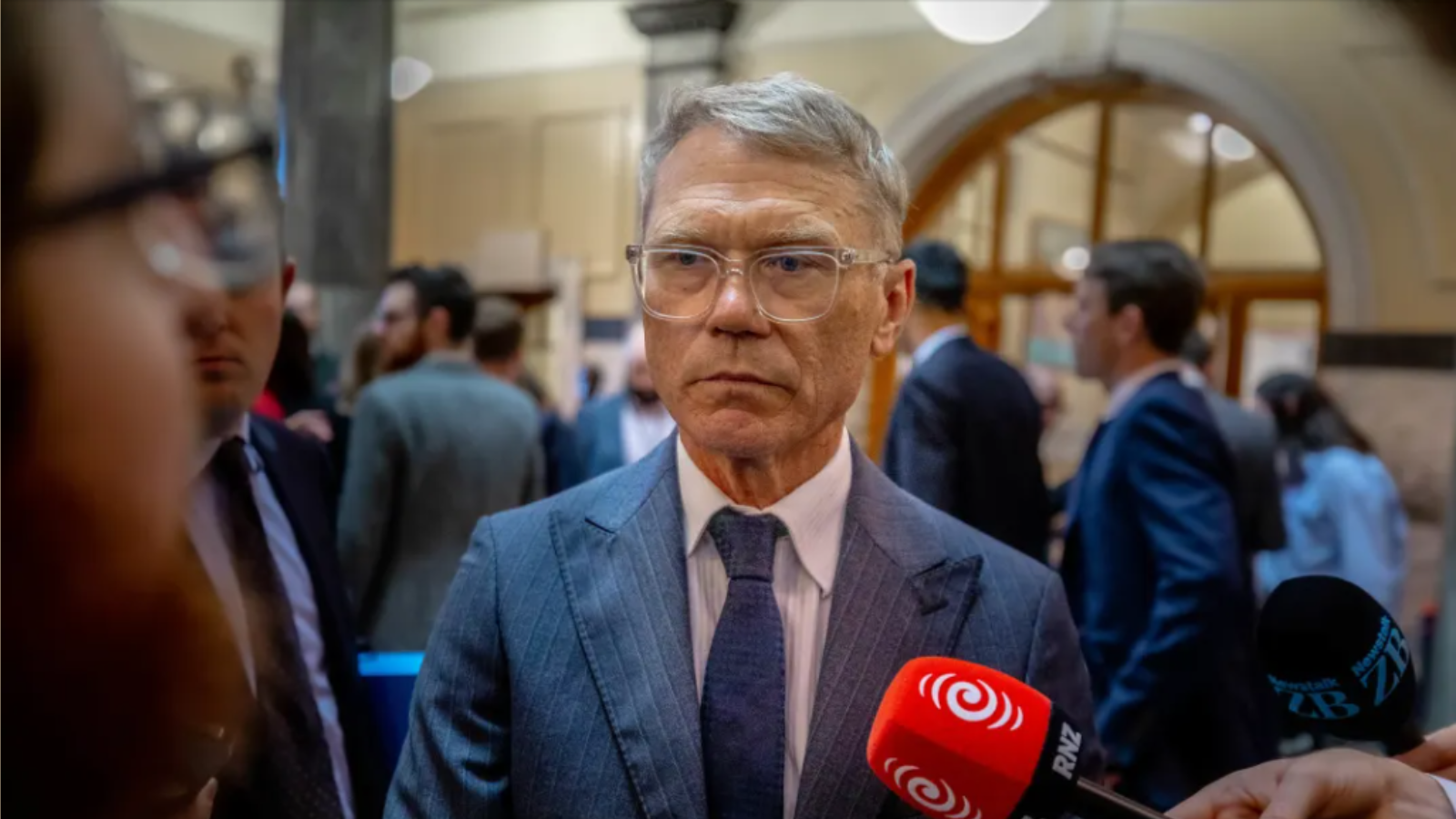
Media Minister Paul Goldsmith has said RNZ must fix its own accounting problems. Photo/RNZ/Mark Papalii
Caretaker Prime Minister Christopher Luxon has ruled out a Government bailout, saying: "That's their problem to deal with".
NZ First deputy leader and Associate Finance Minister, Shane Jones, also criticised RNZ’s management, saying the broadcaster is in decay and predicting "a cleanout".
RNZ workers and members of the Public Service Association (PSA) and E tū have protested outside the broadcaster's Auckland and Wellington offices over the planned cuts.
Fleur Fitzsimons, PSA National Secretary, told the Wellington rally that staff should not be left to carry the consequences of decisions made at the top.
"When workers make mistakes, they face disciplinary action and dismissal." She called the financial mismanagement a "scandal."
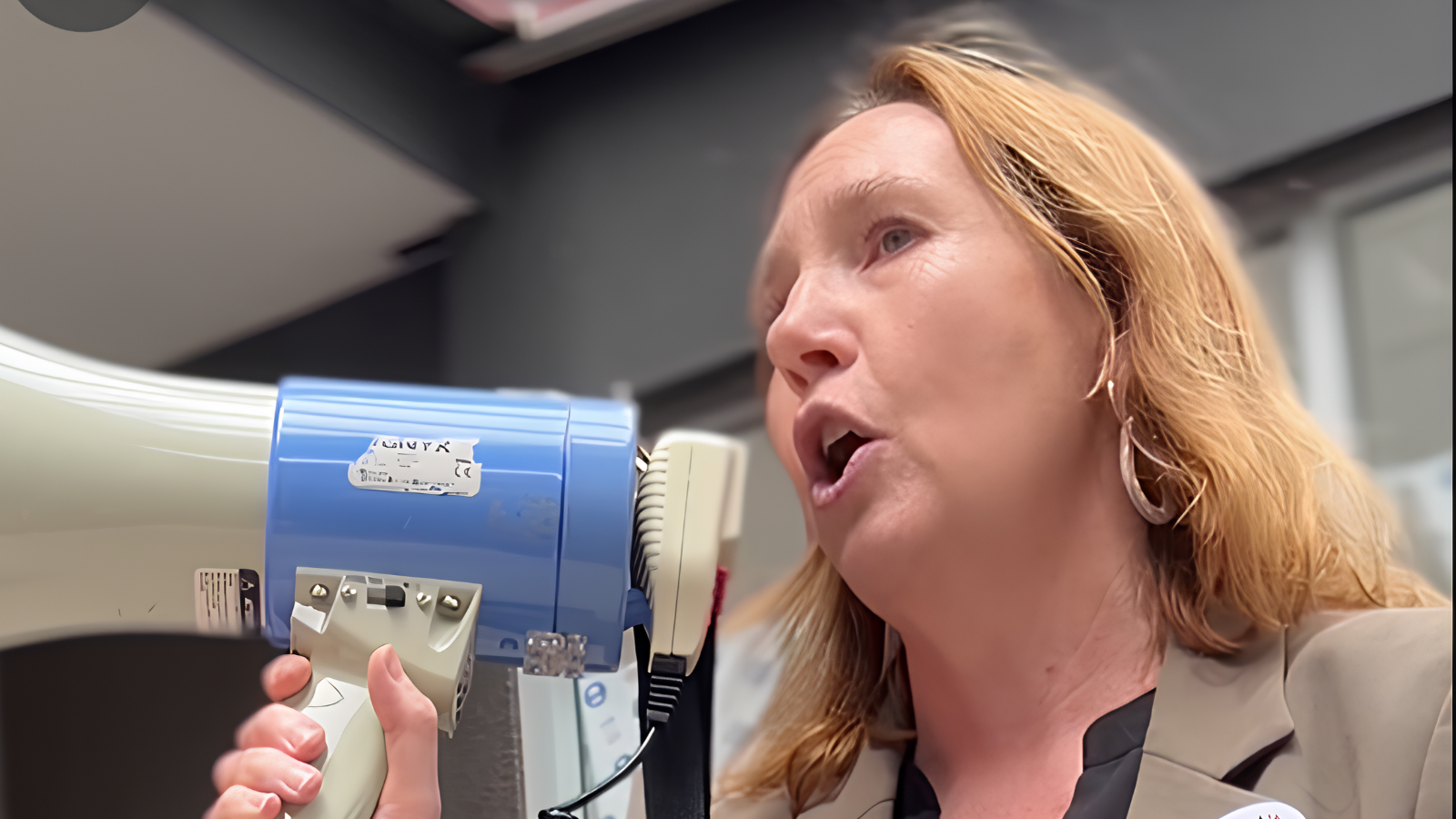
Fleur Fitzsimons, PSA National Secretary, told the Wellington rally that staff should not be left to carry the consequences of decisions made at the top. Photo/Facebook/PSA
Labour's broadcasting spokesperson, Reuben Davidson, has called for an "immediate halt" to the planned redundancies until new leadership is in place.
Goldsmith's office says consultation is not needed because the Government is not intervening in RNZ’s operations.
For now, Seymour says the immediate questions are about how RNZ's financial problems were allowed to grow and what taxpayers are ultimately being asked to fund.
The investigation is expected to begin this week.