Rotuma backs Fiji constitutional changes but wants more powers, path to self-reliance
Elenoa TuragaiviuWed, 18 Nov
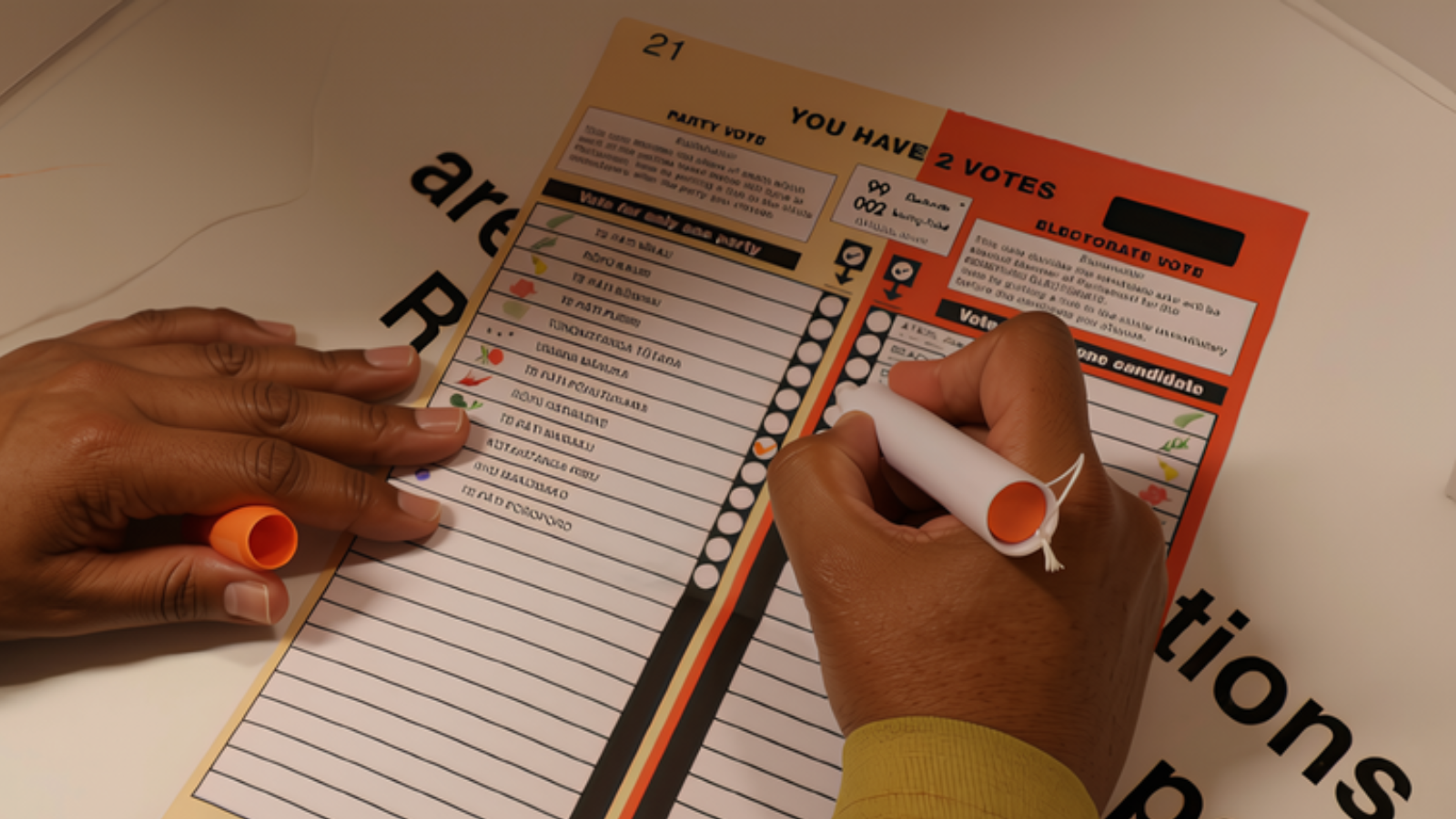
Former Prime Minister Helen Clark said of MMP, "New Zealand could well be deemed by observers to have had a flawed election."
Photo/PMN News/Composite
Calls to change MMP are growing after a record 11-seat overhang. But is it just doing what it was meant to do: giving voters two ways to change course?



Long before ballot papers, Pacific politics moved on water, and the vessel that carried the most power was the Fijian drua. Up to 36 metres long and capable of carrying hundreds of people, these great double-hulled canoes were used for long voyages and warfare.
The drua was shaped by Tongan, Sāmoan and Fijian craftsmen in the Lau Islands. Its design allowed the sail to be shifted so the vessel could change direction without turning the hull. That ability to change course gave the drua an advantage on the moana, and Tongan navigators later adopted the design.
Thirty years after New Zealand's first Mixed Member Proportional (MMP) election, voters are being told their own vessel is sinking.
Former Prime Minister Helen Clark wants a thorough review of electoral, campaign finance and voting laws. "New Zealand could well be deemed by observers to have had a flawed election," she told AAP.
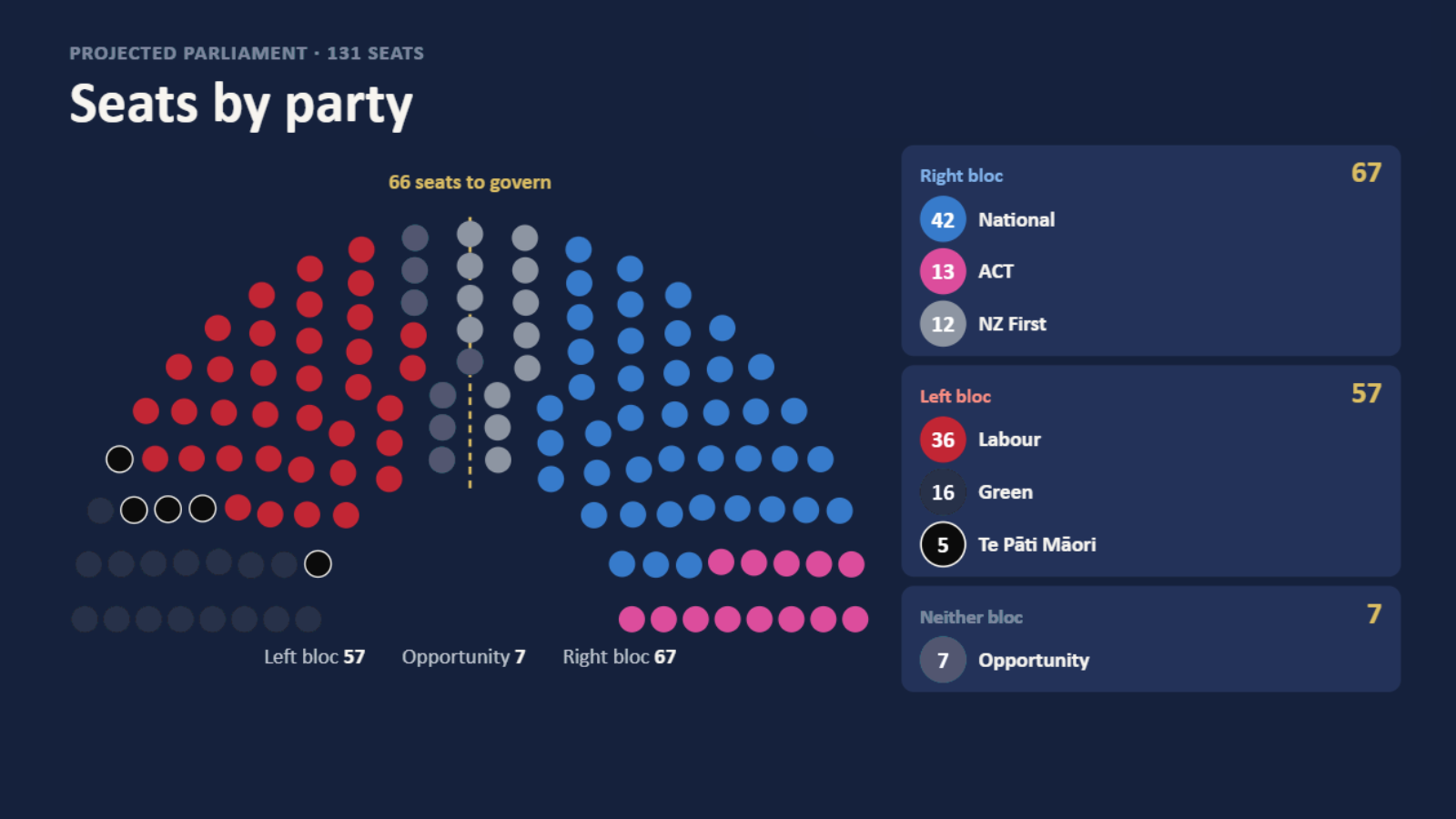
On the provisional numbers, Parliament has an overhang of 11 seats. National won 42 electorates on about 29 per cent of the party vote, giving it seven overhang seats and no list MPs. Te Pāti Māori won five Māori electorates with about 0.57 per cent of the party vote, four of them overhang seats.
Dr Oliver Hartwich, Executive Director of The New Zealand Initiative, warned of "the wrong-winner election MMP was introduced to prevent". Prime Minister Christopher Luxon has promised a referendum on MMP if he is re-elected.
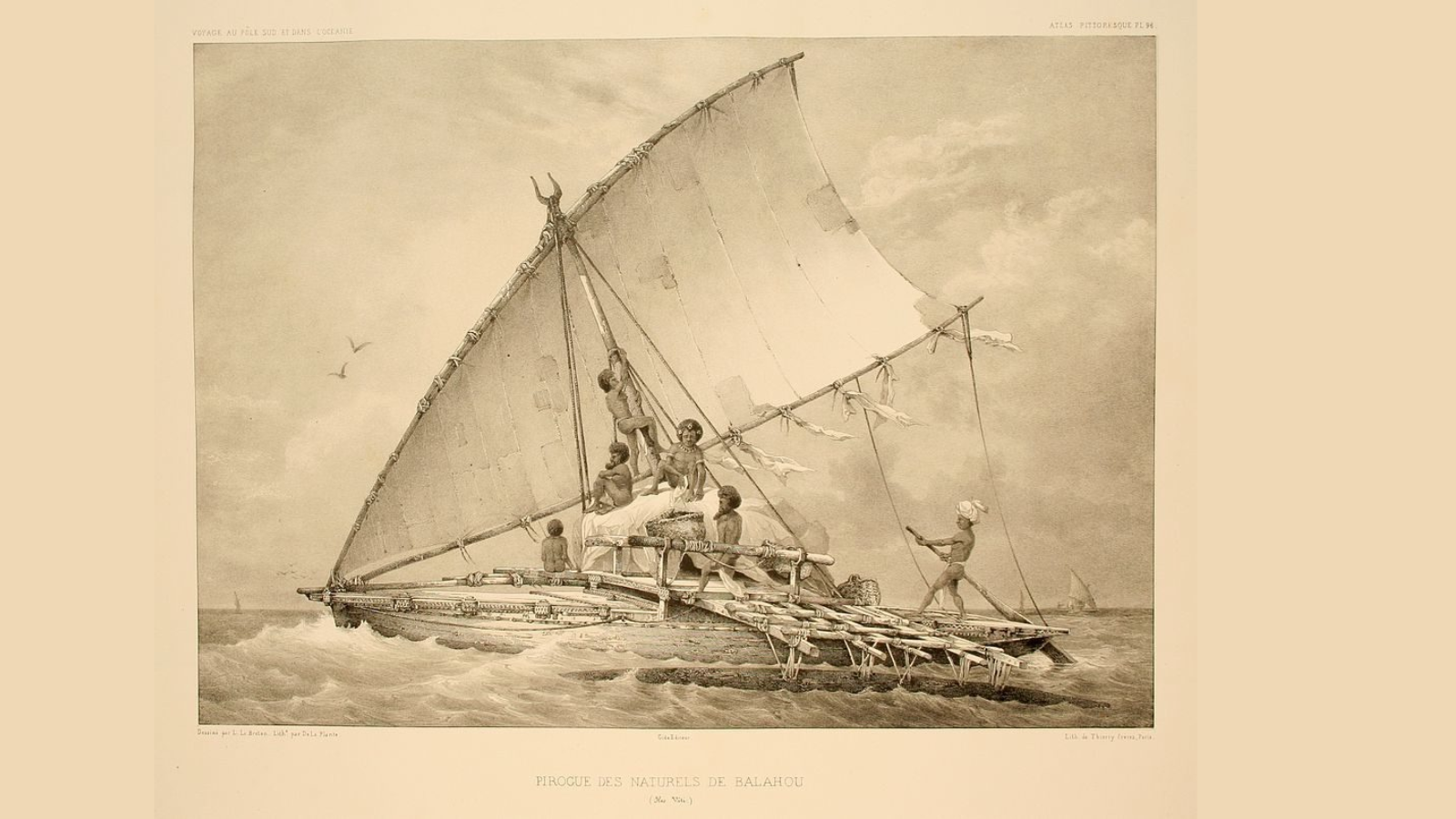
An 1846 drawing by Jules Dumont d'Urville of boats in Fiji. Its strength was its ability to pivot and change course quickly. Photo/Wikipedia
MMP's defenders want change too.
An open letter titled "Keep the 'P' in MMP", signed by 46 experts and led by Andrew Geddis, Lara Greaves and Max Rashbrooke, calls for a dedicated select committee to fix the overhang before the next election.
"Now that people have seen that it is at least possible to engineer an overhang the very real likelihood is that next election that will just become an arms race," Rashbrooke told RNZ.
David Seymour backs the voters’ right to use the system as they choose. "Ultimately, the vote belongs to the people. Voters are entitled to use their two votes however they choose. Photo/PMN News/Composite
But the rules are the same for every party and voters are free to use their own two votes differently.
Te Pāti Māori openly asked supporters to vote for the party in Māori electorates while giving their party vote to Labour, the Greens or another left-leaning party. In Epsom, National and ACT have also benefited from an electorate voting arrangement that the MMP rules allow.
Geddis draws a line between the two overhangs. He says Te Pāti Māori's four seats came from a deliberate campaign, while National's seven were "more like an organic result of the National Party continuing to do reasonably well in individual electorates, while its party vote fell off".
In sailing terms, one vaka was carried where the wind took it, while the other set its sail and steered into the wind on purpose.
ACT leader David Seymour backs the voters’ right to use the system as they choose. "Ultimately, the vote belongs to the people. Voters are entitled to use their two votes however they choose, and political parties should respect their decisions," he says.
MMP has been formally reviewed three times. A 2001 select committee split on the big questions and nothing changed. After 57.8 per cent of voters chose to keep MMP in 2011, the Electoral Commission recommended in 2012 a four per cent threshold, an end to the one electorate seat rule and, with it, an end to overhang seats.
Two independent reviews share a theme: lower the one-party vote threshold, close the electorate-seat shortcut and stop Parliament growing to absorb an overhang. Photo/RNZ/Nate McKinnon
The 2023 Independent Electoral Review proposed a 3.5 per cent threshold, the same end to the one-seat rule, and covering overhangs with fewer list seats rather than adding extra MPs.
Both independent reviews share a theme: lower the one-party vote threshold, close the electorate-seat shortcut and stop Parliament growing to absorb an overhang.
Neither review's proposed overhang fix became law.
Deborah Hart, who chaired the 2023 review, framed the task as repair: "Now, we need to make sure it remains as strong and healthy as possible for the future."
Voters have found their own pivot.
Under first-past-the-post, a voter whose preferred party no longer reflected their views had limited ways to change course. MMP's two votes let them put an electorate vote on one party and a party vote on another.

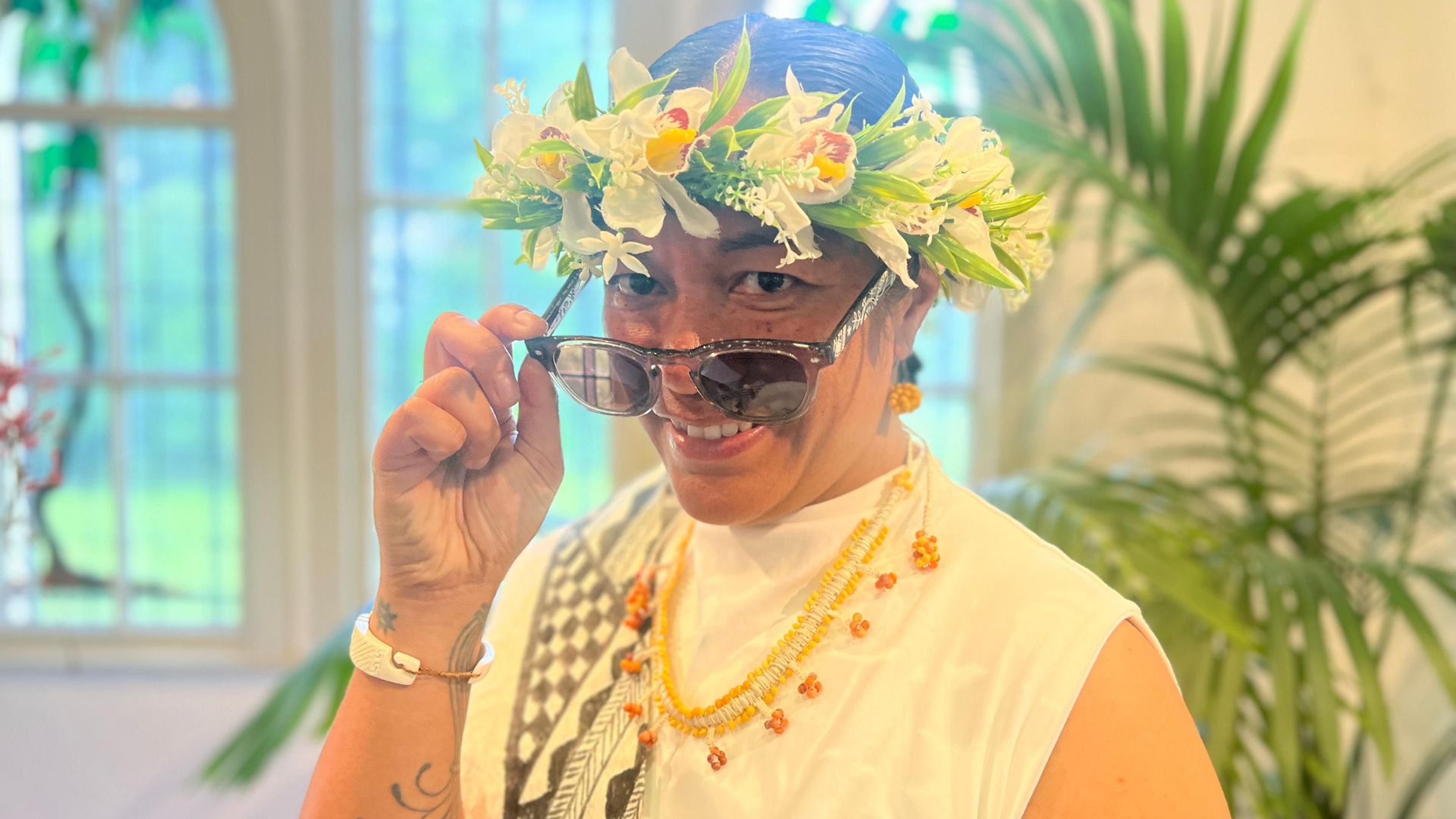
"Now that people have seen that it is at least possible to engineer an overhang the very real likelihood is that next election that will just become an arms race said Max Rashbrooke" .Photo/Fiji Tourism
Is that a waka working as it was built, or one whose course has been changed by the choices of its crew and navigator?
When Ratu Seru Cakobau, the Vunivalu of Bau, died in 1883, his grandson later recounted that the king’s sons broke his great double canoes apart and buried them in a swamp.” Power that could not pass to anyone else went back into the ground.
The tongiaki served Tonga for generations, and when a different vessel proved useful, its navigators adopted it and kept sailing.
As the final count lands on 27 November, the choice before New Zealand may be the same one: bury the fleet, or fix the rule that allowed these waka ,va'a or drua to overload.