
The Fale Malae funding stays but Pacific project faces long road to build
Thomas Tarurongo WynneWed, 18 Nov
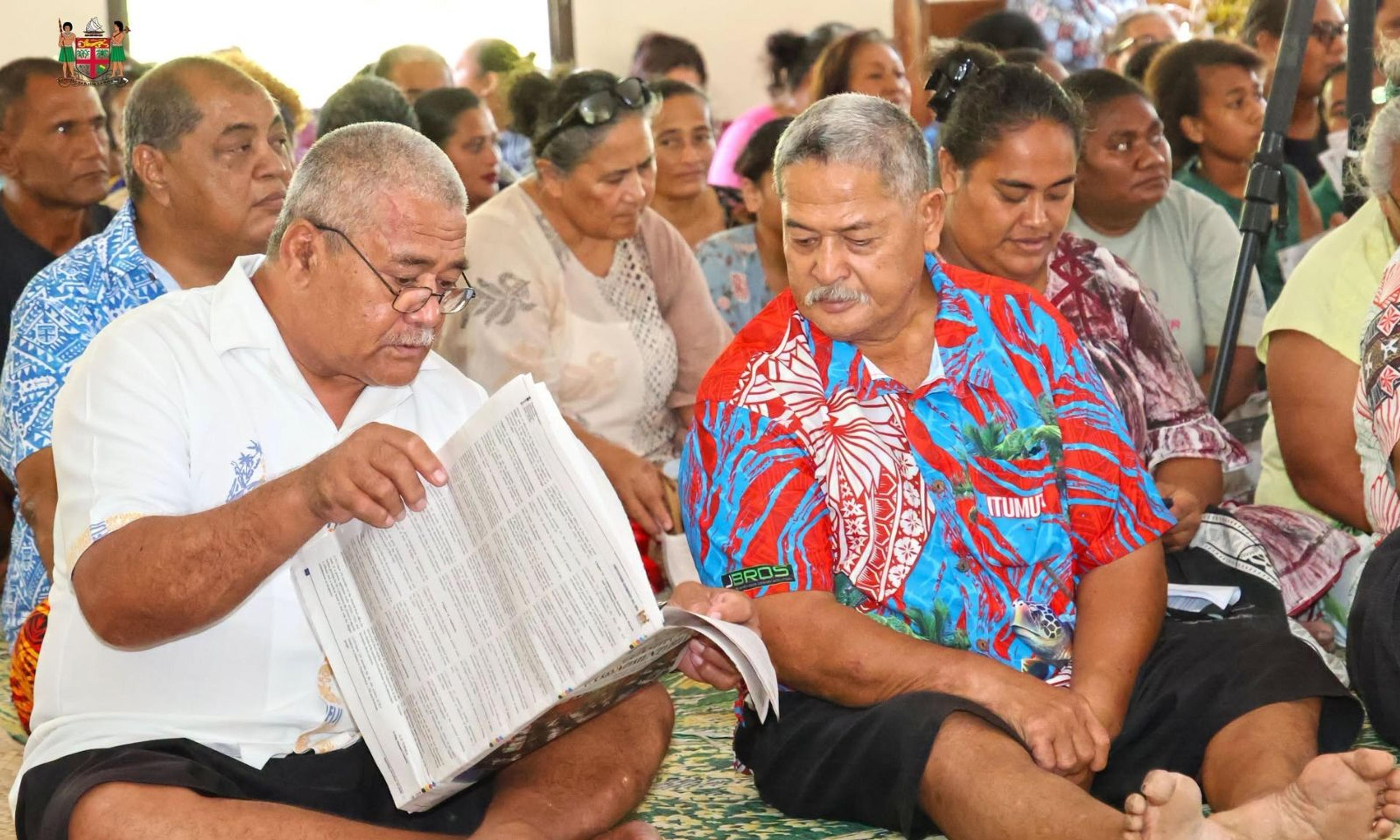
Rotumans have told the Parliamentary Standing Committee that Chapter 9 is a landmark and have thrown their full support behind it.
Photo/Fiji Government
District representatives demand stronger safeguards, clearer maritime boundaries and a deadline for Rotuma to become less dependent on the government.



Rotumans have thrown their support behind Fiji’s proposed constitutional changes but island representatives are pushing for stronger guarantees over their powers, waters and future.
Rotuma lies about 500 kilometres north of Fiji’s main islands, making it one of the country’s most remote communities. The island is about 650km by sea from Suva and just under 2000 people live on Rotuma.
Submissions to the Parliamentary Standing Committee on the Constitutional Amendment Bill 2026 have welcomed a dedicated constitutional chapter for Rotuma while calling for changes to make those arrangements harder to weaken or overturn.
One of the strongest calls came from Joane Varea from Oinafa, who said Rotuma should have a clear timeframe to become self-reliant.
“I would recommend that a time limit of 10 to 15 years from the time the bill is passed in Parliament, we Rotumans should be able to stand on our feet,” she said
“We cannot leave it open and continue to piggyback on the Fiji government all the time.”

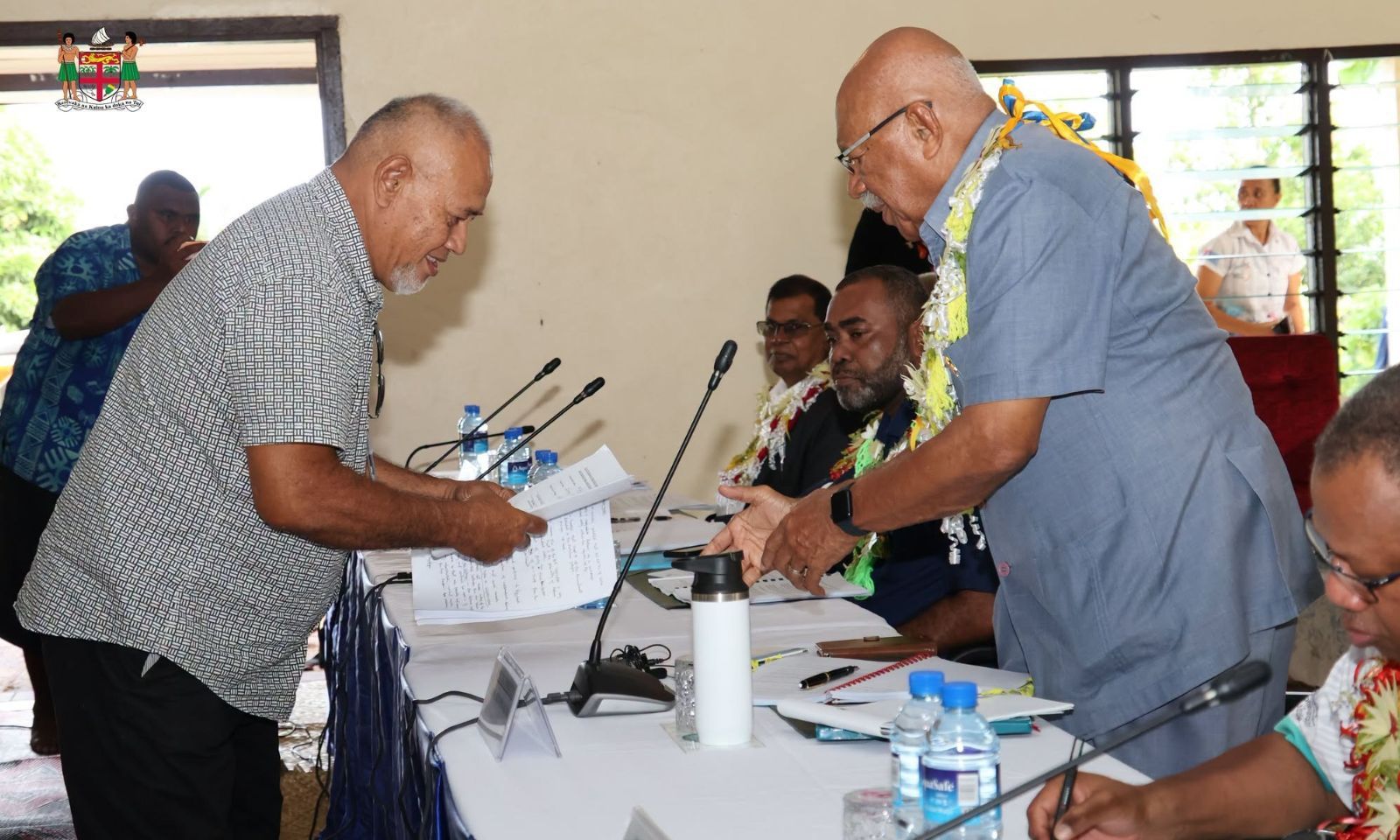
Representatives from the island’s districts have told the Parliamentary Standing Committee they welcome a chapter of their own, while pressing for enforcement, maritime boundaries and a timeline for self-reliance. Photo/Fiji Government
Varea said greater self-reliance would not mean cutting ties between Rotuma and Fiji.
She pointed to Tuvalu as an example of a small island nation standing on its own.
“If Tuvalu can, with their small resources, stand on their own two feet, why can’t Rotuman people stand on their own two feet?”
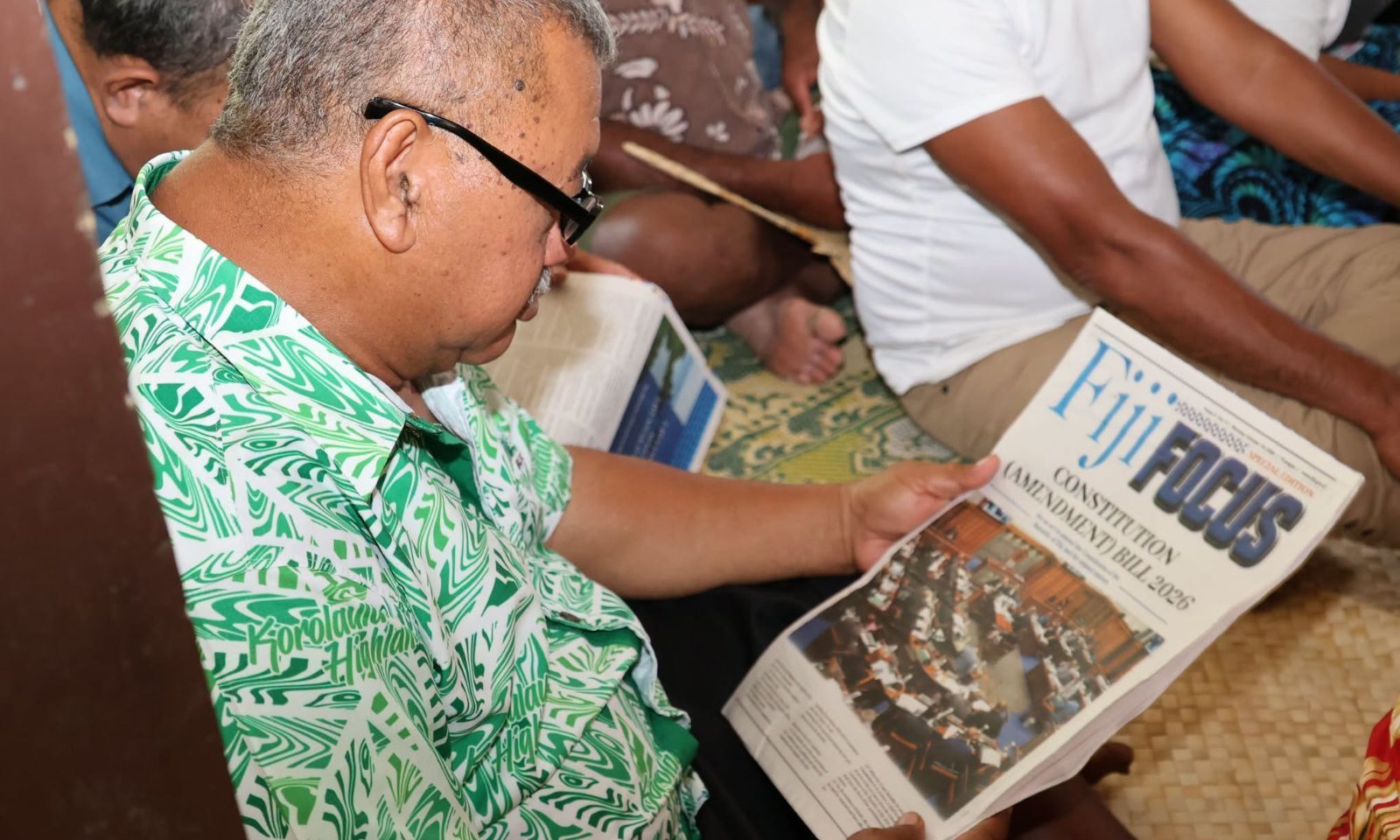
Traditional leaders in Rotuma have told the Parliamentary Standing Committee they want to know what happens if the wider constitutional reform does not pass. Photo/Fiji Government
The proposed Chapter 9 would give the Rotuma Island Council (RIC) responsibility for the island's internal government, administration and welfare.
It would also give the council powers over peace, order and good governance, internal revenue, land and the island’s territorial and archipelagic waters and resources.
But traditional leaders want to know what happens if the wider constitutional reform does not pass.
District Chief for Itu'ti'u, Gagaj Vakatua, asked what legal protection would remain for Rotuma’s government arrangements and representation if the proposed bill fail.
“If the comprehensive bill (32) of 2026 fails, which standalone legislative instrument could Parliament enact to the government provisions of Chapter 9?
“If the bicameral structure featuring the Senate seat for Rotuma is rejected, what interim mechanism could secure guaranteed representation for the Rotumans in the interest of national policymaking?”
Under the proposed process, any move towards independence would first require a unanimous decision by the Rotuma Island Council after consultation with Rotumans. Photo/ Fiji Government
Revi Tiuhea of Malhaha also called for stronger protection of Rotuma’s constitutional arrangements including its waters.
Tiuhea wants the Rotuma archipelago entrenched in administrative laws and jurisdiction, a 200- nautical-mile marine boundary under the Marine Spaces Act, and coordinates set out to clearly separate the island’s archipelagic waters from Fiji’s maritime zone.
“I hope this bill will provide a lasting foundation for the protection and future of our people,” Tiuhea said.
Under the proposed changes, the council would also have a role in protecting the Rotuman language, culture, customs, traditions and heritage.
Government decisions on laws, policies or development affecting Rotuma would require the free, prior and informed consent of Rotumans, with the council deciding whether consent has been given.
The State would also be required to provide adequate funding for the council.
Watch the Constitution Amendment Bill consultation in Rotuma below.
The proposed changes follow calls from the council for formal recognition of the island’s unique constitutional position.
In its submission to the Constitutional Review Commission, the council described Rotuma’s relationship with Fiji as a “de facto” arrangement - “a marriage without a marriage certificate”.
The council also sought protection against its powers being removed through ordinary legislation as well as a reserved parliamentary seat elected by Rotumans.
But while the proposed amendments create a constitutional pathway towards independence, the council has made it clear that it is not seeking independence at this time.
Under the proposed process, any move towards independence would first require a unanimous decision by the Rotuma Island Council after consultation with Rotumans.
It would then require the agreement of the Fiji government, a referendum of Rotumans, a two-thirds vote of council members and a further constitutional amendment.