
Fiji declares national state of disaster as drought puts water supplies under pressure
Elenoa TuragaiviuWed, 18 Nov
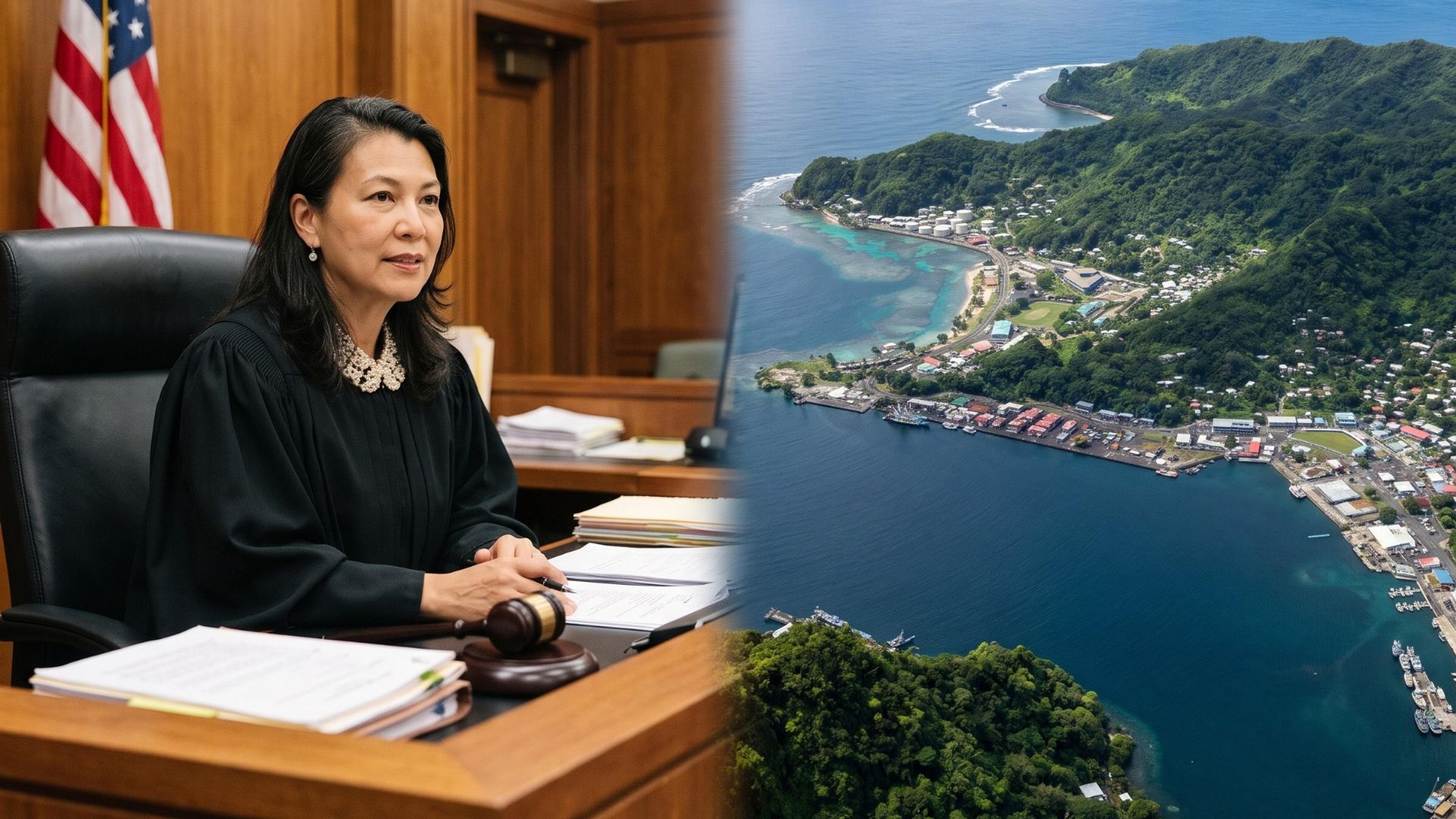
US District Judge Jill Otake has thrown out a federal approval for a planned deep-sea mining lease sale off American Sāmoa.
Photo/PMN News composite
A US judge has thrown out the environmental clearance for the first US deep-sea mining lease sale, just one day before seabed areas near American Samoa were due to go under the hammer.


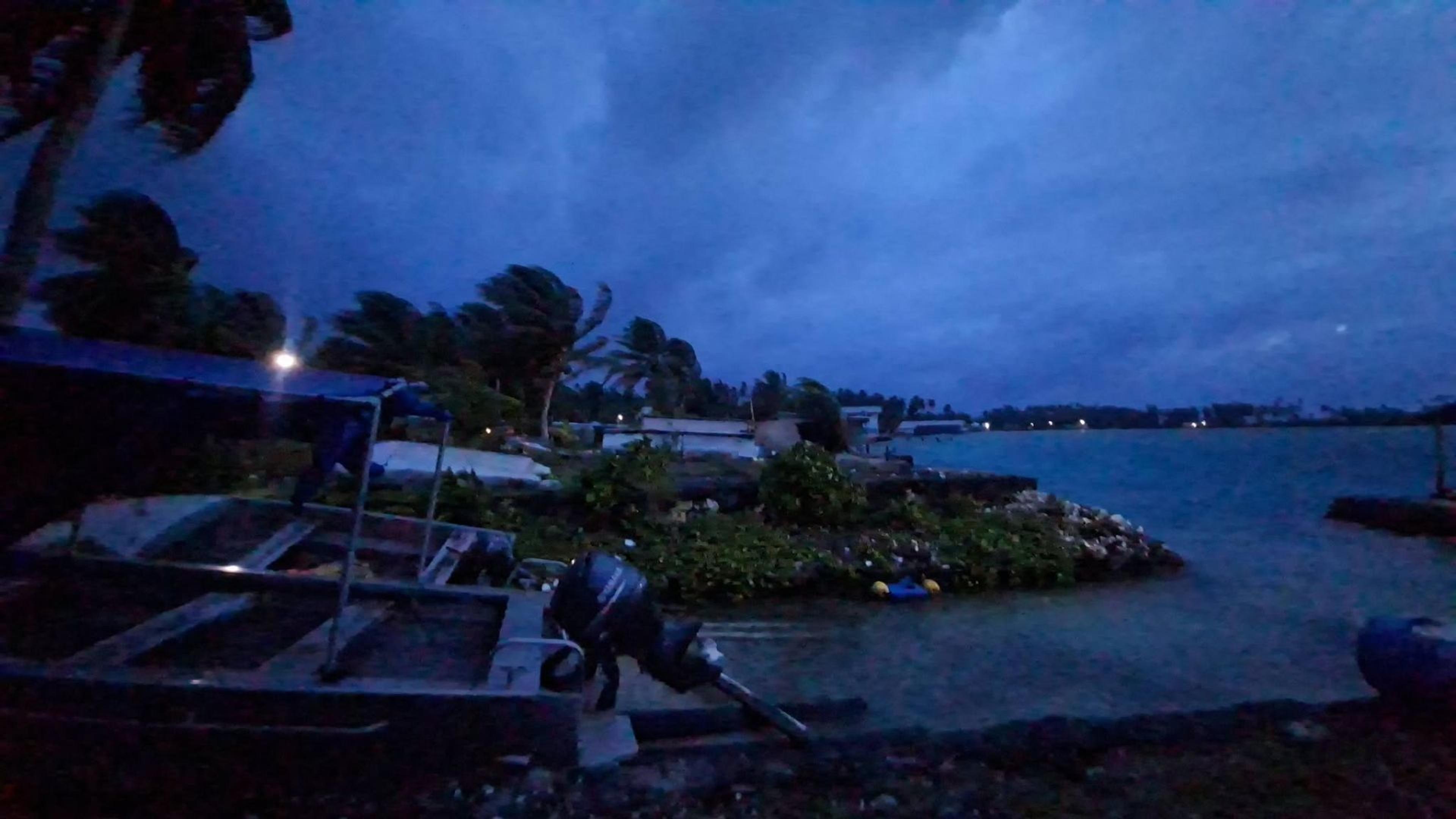

A federal judge in Hawai'i has thrown out a United States government approval for deep sea mining leases near American Sāmoa.
Wednesday's ruling puts a planned auction of more than 31 million acres in doubt.
Judge Jill Otake ruled the US National Marine Fisheries Service broke the Endangered Species Act when it approved the lease sale without properly considering what could happen after the leases were issued.
The auction was scheduled for Thursday 19 November with two areas of about 16.3 million and 15.2 million acres to be offered, each with a minimum bid of US$3 million (NZ$5.46 million).
Otake said the agency had looked only at early survey work allowed under a lease and not the possible effects of exploration and mining.
The judge described the agency's consultation as “cramped, expedited, informal consultation” and said its error was “fundamental”.
The government had asked the judge to leave the approval in place while the agency fixed the problem. She rejected that approach, saying the fisheries service “needs to do the bulk of its consultation duty for the first time".
The ruling cancels the agency's February 2026 Letter of Concurrence, which had found the lease sale and initial activities were not likely to harm protected species.
But the decision did not issue an injunction against the auction. Bloomberg Law reported the administration may not legally be able to proceed. The planned leases cover seabed deposits including polymetallic nodules and ferromanganese crusts.
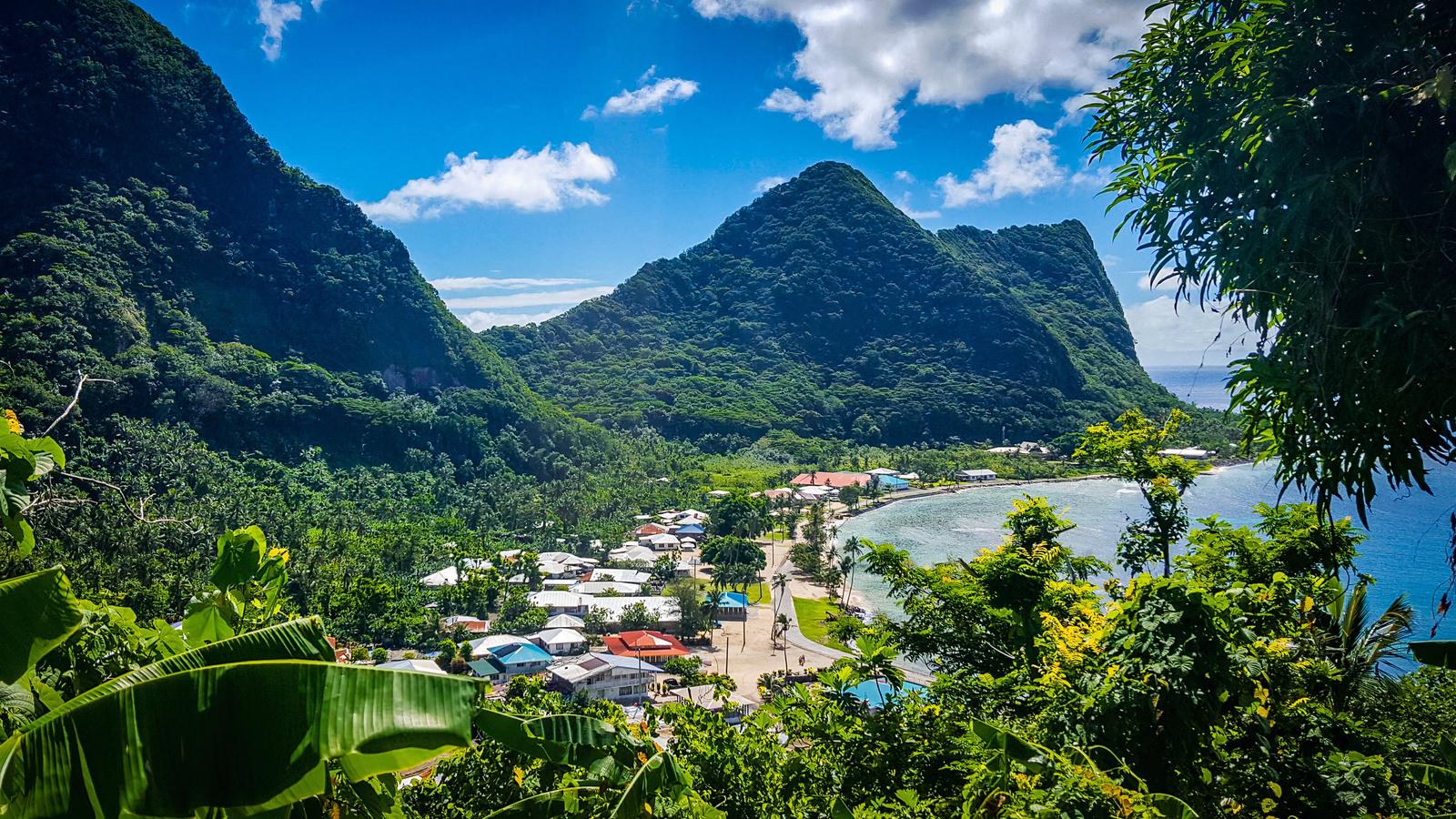
American Sāmoa: The US National Marine Fisheries Service is required to carry out further environmental consultation after a judge ruled its approval process breached the Endangered Species Act. Photo/thetravel.com
A lease would initially allow surveys, mapping and limited sampling. Further exploration, testing and commercial mining would each need separate plans, environmental reviews and federal approval.
The court found the agency needed to consider the wider effects of the action and this included its potential impact on protected species in waters around American Sāmoa.
Those species include whales, sea turtles, sharks, giant manta rays, the chambered nautilus and several coral species.
The ruling was welcomed by environmental groups such as Fa‘asao Amerika Sāmoa, which brought the case with the Conservation Council for Hawai‘i.
“This ruling is a win for communities in American Sāmoa, as well as the whales, sharks, and sea turtles who call the waters surrounding these islands home,” Chris Eaton, an attorney at Earthjustice, said.
“American Sāmoans share a profound cultural and spiritual bond with the ocean, which Sāmoans have stewarded for thousands of years. We are relieved by this ruling,” Seumalu Dr Elora Raymond, a cofounder of Fa‘asao Amerika Sāmoa, said.
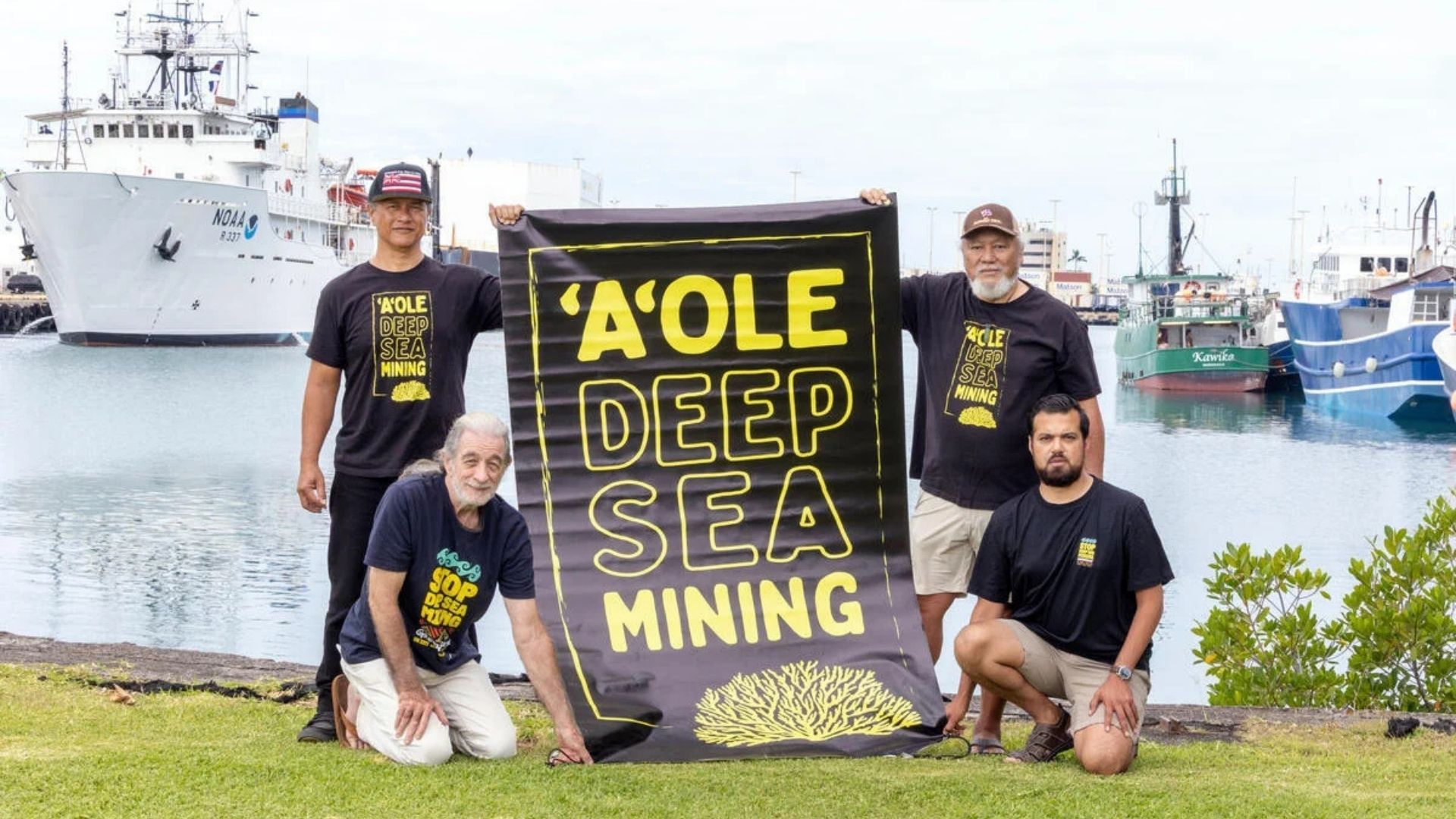
Advocates have welcomed the court ruling, saying American Sāmoans have a deep cultural and spiritual bond with the ocean. Photo/Greenpeace
But American Sāmoa's political leadership has not taken a single position on what should happen next.
Delegate Aumua Amata Coleman Radewagen has said she opposes seabed mining, saying: “I represent our people, and most of our people are opposed.”
American Sāmoa Governor Pulaali‘i Nikolao Pula has taken a different position, focusing on safeguards and the distinction between leasing and actual mining.
In a statement, he called the sale “a historic moment for American Sāmoa and for our nation.”
“Let me be clear: this is not approval to mine our ocean floor,” he said, describing it as an opportunity “to learn what resources may exist, understand the environment in which they are found, and determine whether future development can occur responsibly.”
Pula has also pointed to American Sāmoa's economic challenges and said his administration is exploring ways to make Pago Pago a regional maritime and logistics hub for deep sea minerals activities.
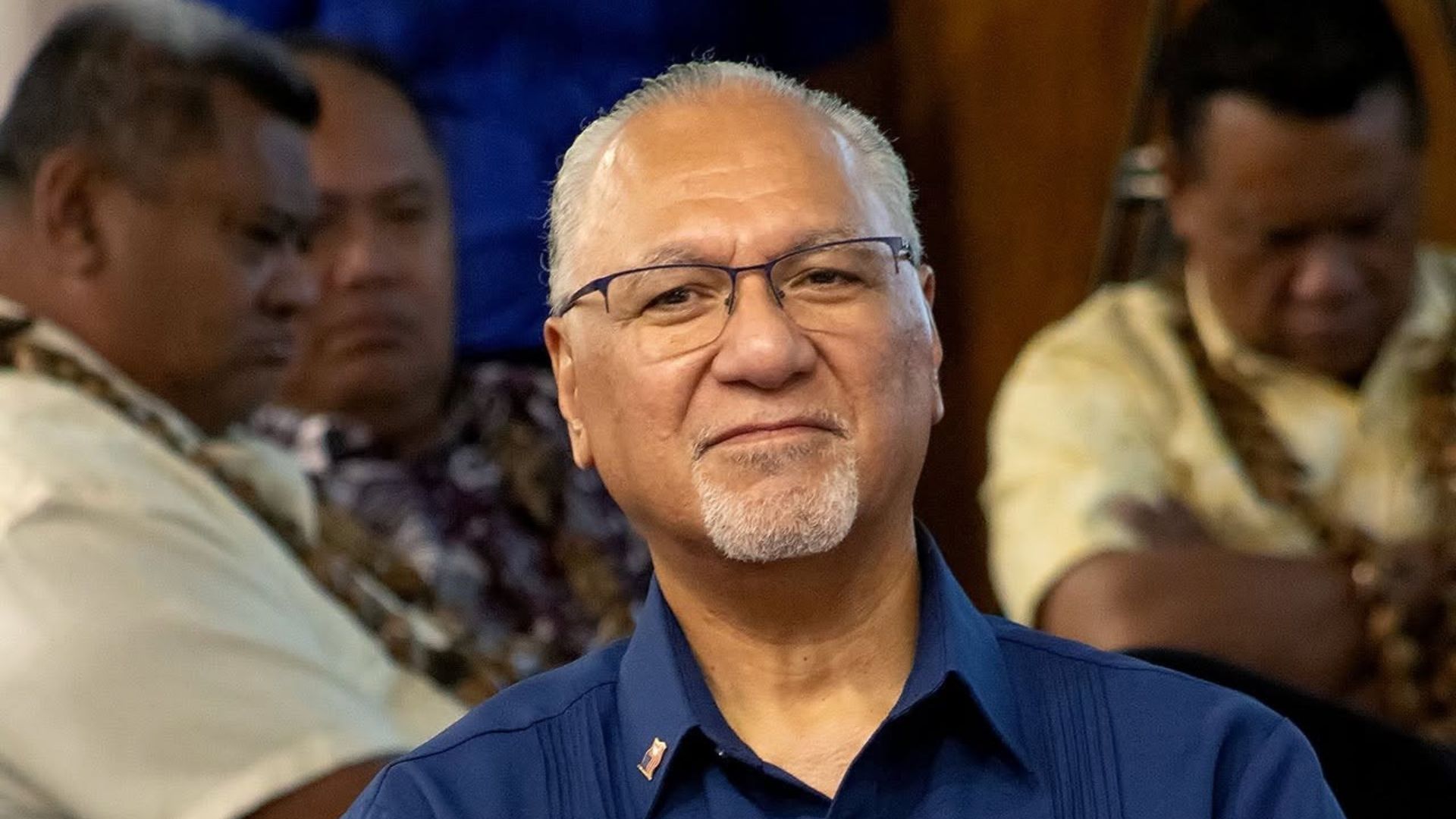
American Sāmoa Governor Pulaali‘i Nikolao Pula has described the planned lease sale as an opportunity to assess seabed resources while stressing that it does not itself approve commercial mining.
The court battle is not over. A second lawsuit argues that US law does not allow mineral leasing in US territories and that treaty requirements must be met before leasing can take place in American Sāmoa.
The Hawai'i ruling could also have consequences for Guam and the Northern Mariana Islands, where a separate deep sea mining sale is planned for 16 December.
Both territories have raised concerns about that proposed sale, adding to a growing Pacific debate over who gets to decide what happens in the region's waters and what protections must be in place before seabed mining moves ahead.