
Why has Vanuatu been dropped from the Pacific visa scheme?
Christine RovoiWed, 24 Jun

Labour deputy leader Carmel Sepuloni (left) and Prime Minister Christopher Luxon (right).
Photo/Supplied
As the Prime Minister announced 7 November 2026 as voting day, Labour’s deputy leader says rising public frustration could lead to historic political outcome.


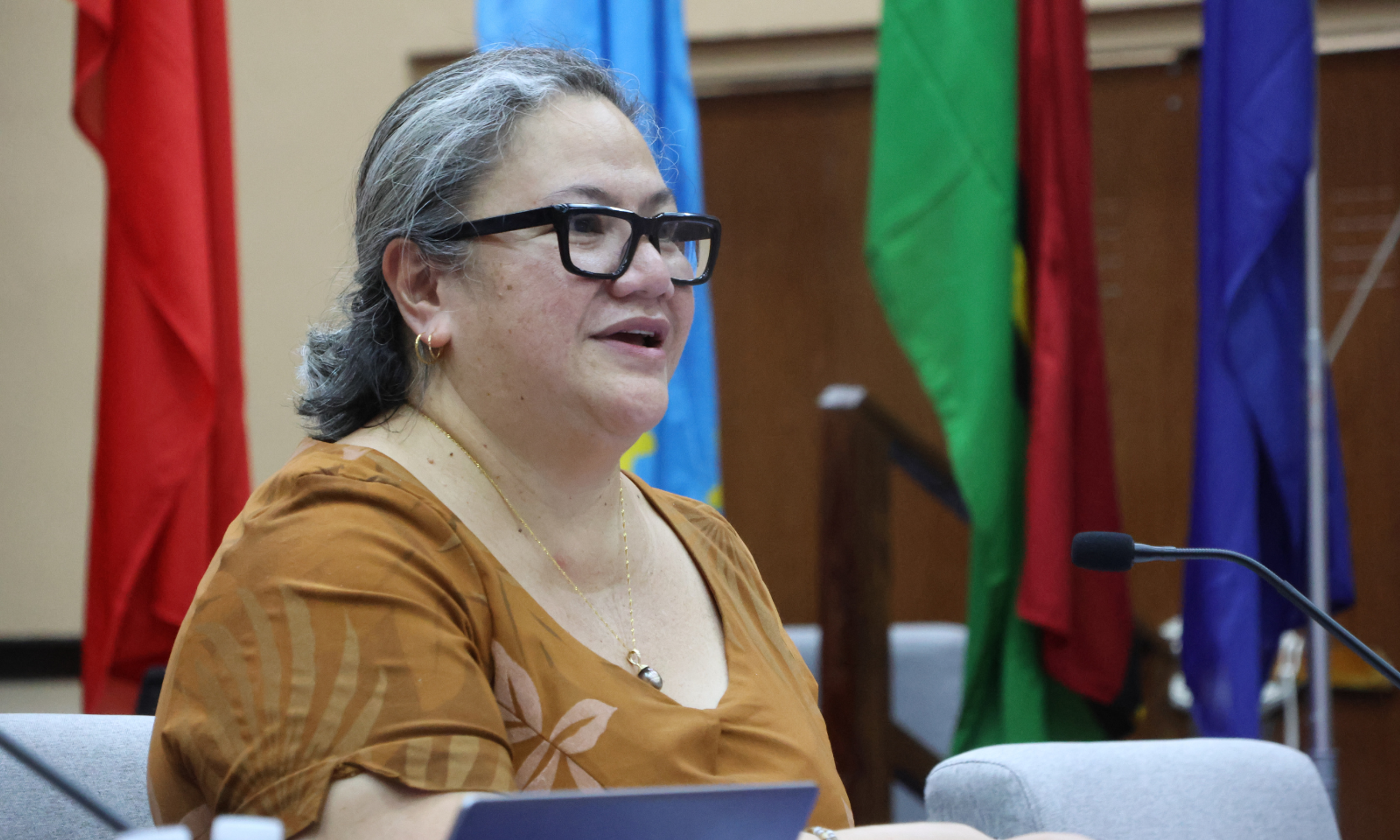
Labour's deputy leader warns New Zealand could be heading towards its first one-term government after Prime Minister Christopher Luxon formally confirmed the date of the 2026 General Election.
Luxon announced voters will go to the polls on Saturday, 7 November 2026, saying the early notice would provide certainty as the government continues its work.
Speaking to media at the National Party’s caucus retreat in Christchurch, Luxon said his government remained focused on economic delivery.
“Through careful economic management and by stopping wasteful spending, inflation has fallen from over 7 per cent under Labour to just 3 per cent now – resulting in considerable interest rate drops, taking pressure off homeowners,” Luxon says.
Under the election timeline, Parliament will rise on 24 September and dissolve on 1 October with advance voting beginning on 26 October ahead of polling day.
But Labour’s deputy leader, Carmel Sepuloni, says the government’s optimism does not reflect the reality many New Zealanders are facing.
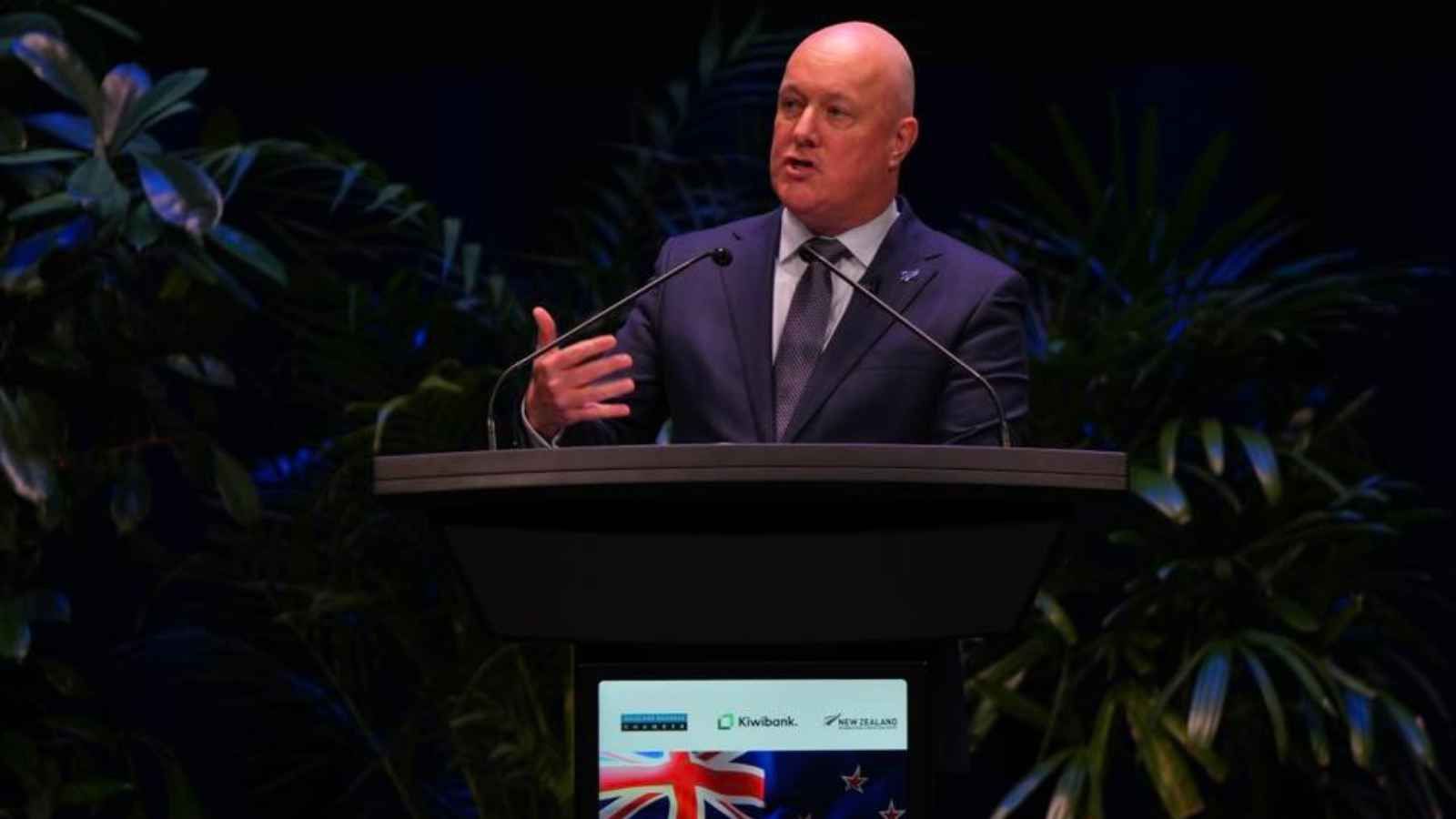
Luxon delivered the state of the nation address this week. Photo/Supplied
Speaking on Pacific Mornings ahead of Luxon’s announcement, Sepuloni said voters were “fed up and let down” by the National-led government.
“We're seeing business closures at a 17-year high, we're seeing thousands of New Zealanders still unemployed, despite the promises that the economy was going to be made better,” Sepuloni says.
“And then on top of that, we're seeing so many of our friends and relatives packing up and making the choice to move overseas, because they just do not see the opportunities here in New Zealand for them.”
Watch Carmel Sepuloni's full interview below.
She believes the growing frustration could translate into a historic political outcome. “I think that we're going to make history here, and there's a real possibility that what we'll see is our first one, in a long time, one-term government.”
No modern New Zealand government has failed to secure a second term after winning office, making the prospect of a one-term government highly unusual.
Sepuloni says Labour’s early policy announcements, including a proposal to provide three free GP visits a year, reflect the party’s priorities heading into the campaign.
She says Labour is the only party that genuinely values Pacific communities. “You can see who values our Pacific community by who, as a political party, has that reflected in their line up and currently, it's only the Labour Party.”
There are no Pacific MPs in government. At the last general election, former National candidate for Māngere, Agnes Loheni, was the highest-ranked Pacific candidate on the party’s list, placed at number 25.
The 2026 election will be the first held under the new electoral rules passed last year, which close enrolment 13 days before election day.
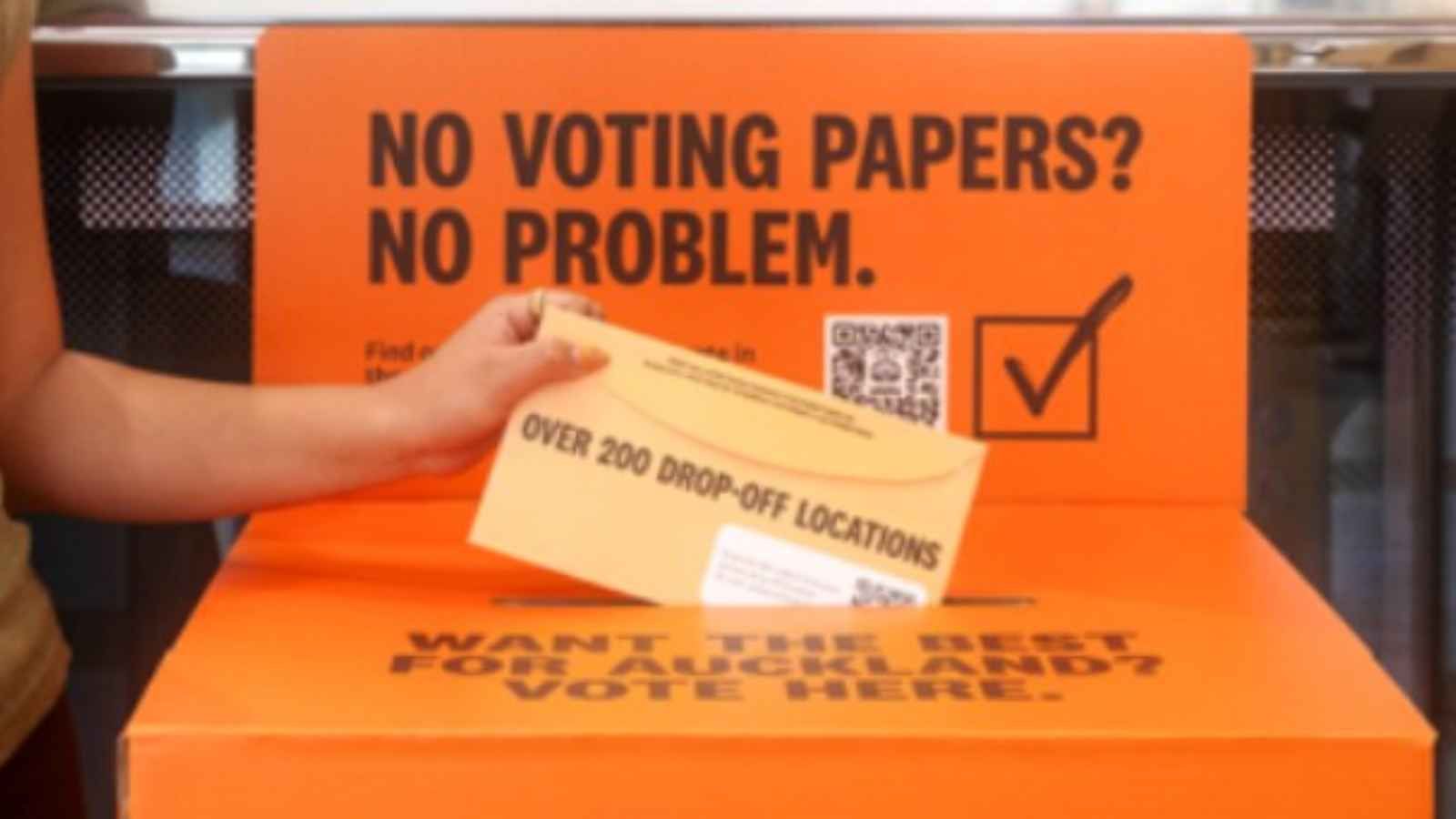
The government's electoral reforms passed into law last December. Photo/Supplied
Key dates include advance voting beginning on 26 October, with voting places open from 9am to 7pm on election day.
Preliminary results will be released from 7pm on election night, with official results declared on 27 November.
The regulated period for election advertising will begin on Friday 7 August when spending limits apply. Political parties must be registered, and party logos approved, by Thursday 6 August.
Māori voters already enrolled will have until midnight that day to switch between the Māori and General rolls.
Candidate nominations will open on Monday, 7 September and close at noon on 8 October, while overseas voting begins on 21 October.
Anyone enrolling after the writ is issued on 4 October will be required to cast a special vote.