‘Soul resuscitation’: Pioneering Vagahau Niue and cultural connection down South
Atutahi Potaka-DewesFri, 23 Oct
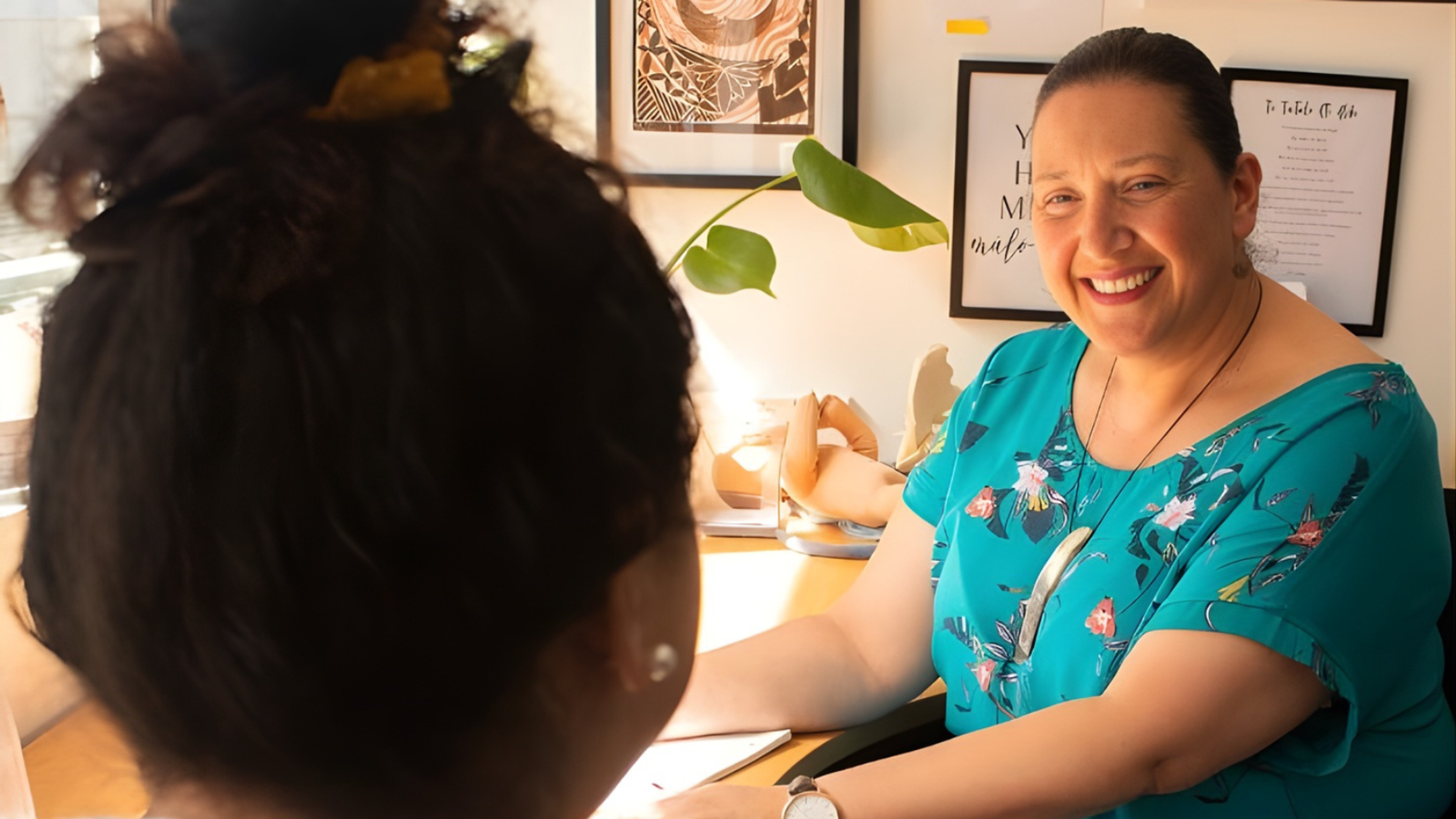
An expectant mother visits Penina Fitisemanu at her Newtown office.
Photo/Supplied
From just one to eight, the growing Pacific midwifery workforce gives mothers in Wellington and the Hutt Valley culturally aligned care and greater choice.




Pacific families in Wellington and the Hutt Valley are gaining greater access to culturally grounded maternity care, with the number of Pacific midwives in the region growing from one to eight.
The Midwifery Workforce Survey shows the number of midwives identifying as Pacific nationwide has increased from 33 in 2017 to 56 in 2023.
Penina Fitisemanu, veteran midwife, says the shift is significant after decades of underrepresentation.
“For a long time, almost 30 years, I’ve been practising as a lone wolf in the Wellington region as the only Pacific midwife. There have been numbers where they’ve gone up and down, but generally there’s only been just one or two of us,” she tells Pacific Mornings.
“In the last couple of years we’ve started to really increase those numbers. So I’m so excited because it’s responding to the needs in the community.”
Figures from Stats NZ show Pacific women have the highest fertility rate in Aotearoa in the 12 months to March 2025. Immigration has also contributed to the growth of the Pacific population, which now makes up 8.9 per cent of the country.
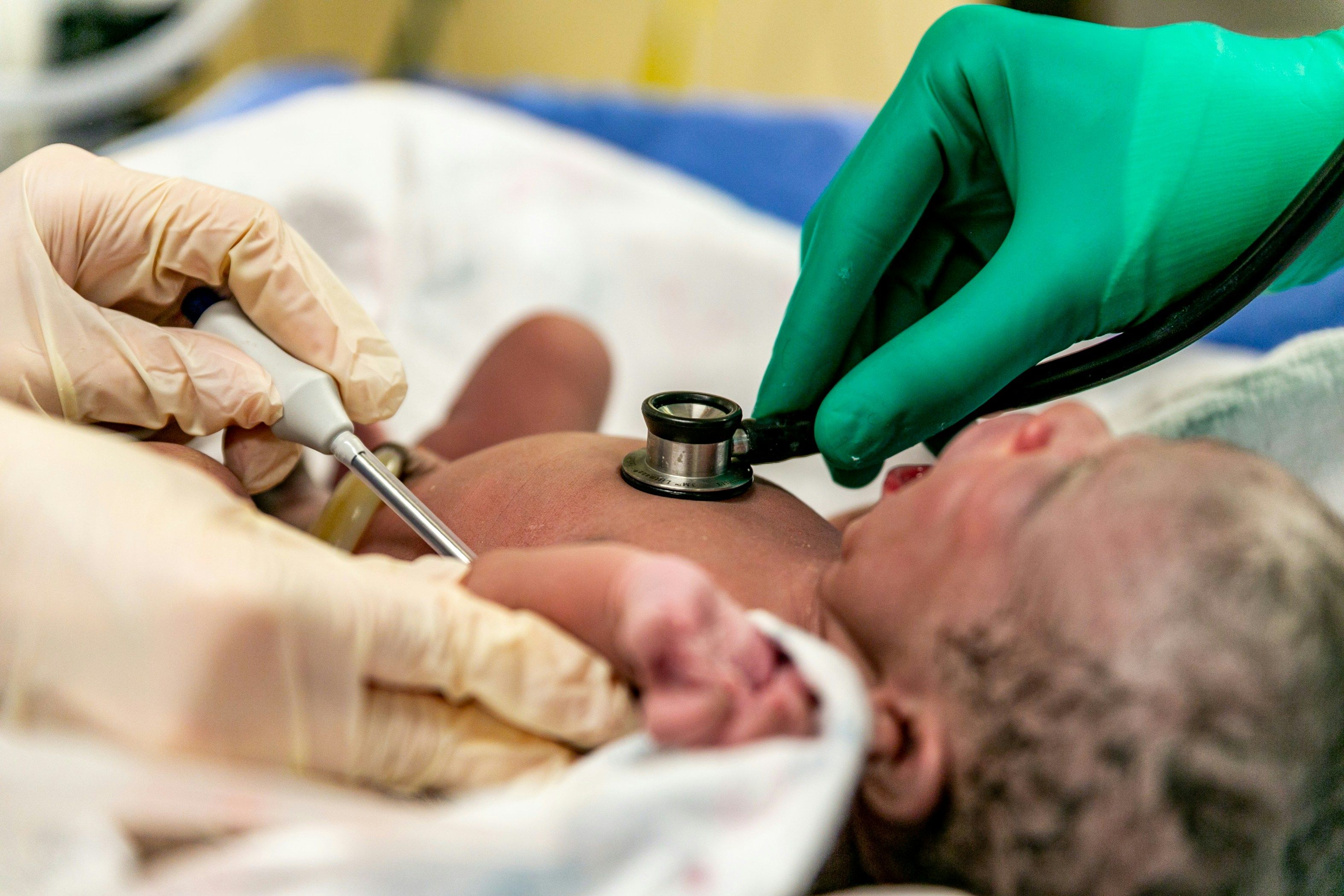
Pacific communities have some of the highest fertility rates in the country. Photo/Unsplash
Fitisemanu says having a midwife who understands a person's culture, language and customs can make a real difference in removing barriers.
"When women see you, they automatically feel comfortable, and they feel that they can disclose things that they probably wouldn't with a different health provider.
"When you walk into someone's home, you just automatically take your shoes off. If they offer you a cup of tea, you accept, it's these cultural things that have been built innately because we've grown up with it."
Listen to Penina Fitisemanu's full interview below.
Ngatepaeru Marsters, National Coordinator of Tapu Ora, a support network for Pacific and Māori midwifery students, says demand for culturally aligned care has shifted in the last generation.
“When I first started working as a midwife … they might have sought out someone who was a Pākehā. Now you’ve got families seeking out someone of their ethnicity,” she said in an earlier interview.
“Now, families and whānau want to engage with someone who looks like them, understands them, understands their community.”
Wider services to meet community needs
From February, midwives are now able to deliver a wider range of vaccinations to mothers, babies and eligible family members during routine visits.
Health Minister Simeon Brown says this will help to ensure timely protection against vaccine-preventable diseases for "mothers after birth, babies, and eligible family members until the baby is 12 months old,” Brown says in a statement.
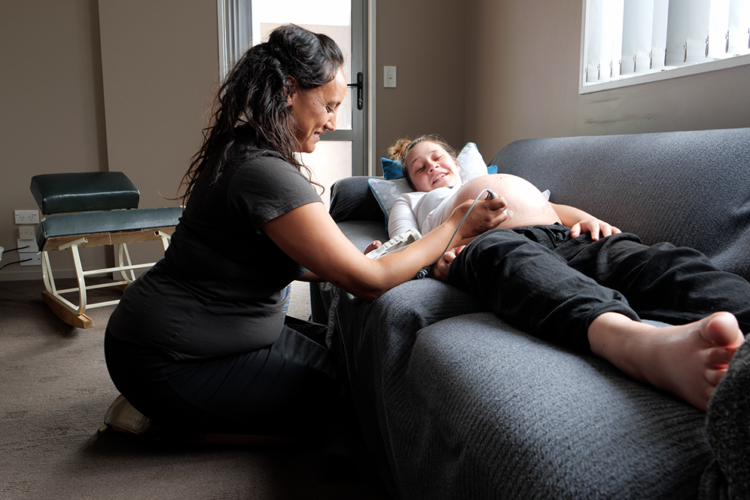
There are calls for more Pacific and Māori midwives. Photo/InternationalMidwives.org
As of June 2024, only half (49.6 per cent) of Pacific 18-month-olds were fully immunised. Fitisemanu says the change could remove practical barriers many Pacific families face.
“When you have to take your children to the GP for vaccinations, it’s actually quite a big deal to make an appointment, travel to the appointment, find a park. Having a one-stop shop, your midwife who can do those when you’re coming along to your appointments anyway, that’s going to make a huge difference.”
A future, diverse workforce
Training numbers are also rising. Across Victoria University of Wellington and the University of Otago midwifery programmes, and Fitisemanu says there are now about 20 Pacific students in training.
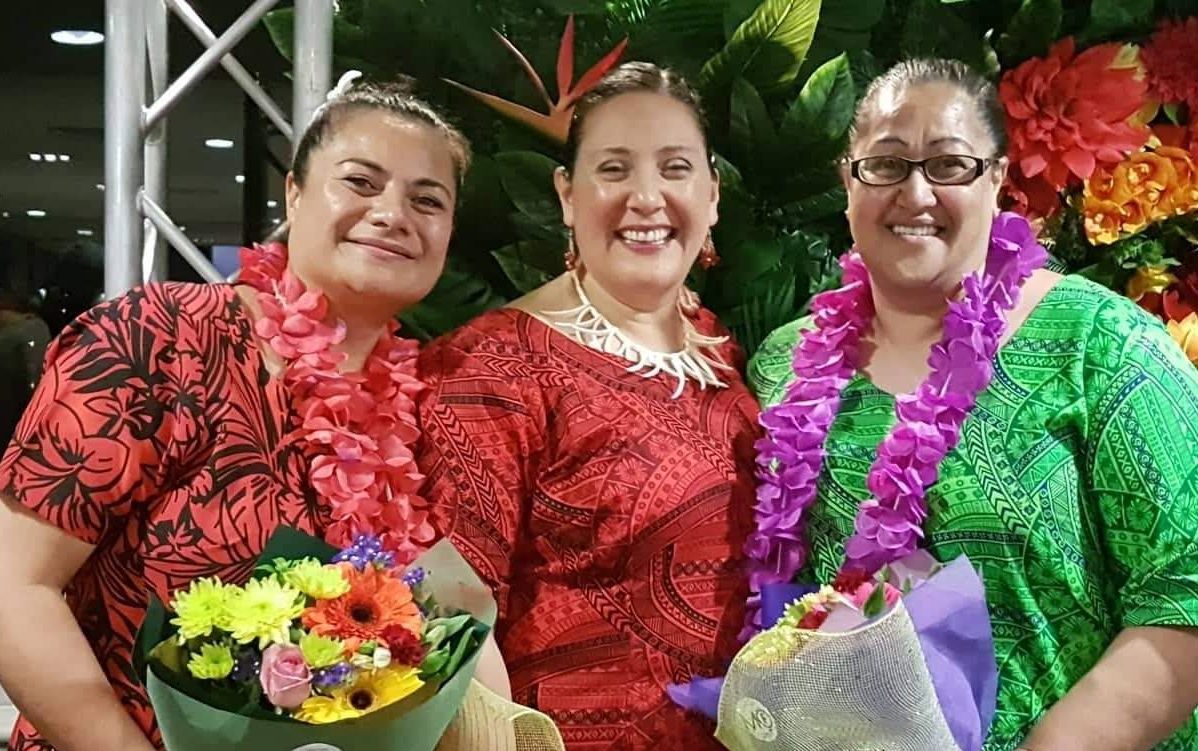
From left: Therese Stowers, Penina Fitisemanu and Fana Temese To'omaga founded the Pacific Collective to run Pasefika Talanoa Antenatal classes in Wellington. Photo/Supplied
“That is huge, because there’s only been one or two trickling through every year, and I just hope that we can keep that momentum coming.”
Fitisemanu says raising awareness of midwifery as a career has been one of the biggest challenges, and commends the new cohort of Pacific midwives who are balancing study with family responsibilities. She recalls one graduate who was called out to assist with a birth during her own graduation dinner.
“She managed to get through her mains, but then she had to leave before dessert was served, but that’s the commitment that these students and the sacrifices that they have to give to complete their degree.”
For Fitisemanu, the growing workforce means Pacific mothers will finally have more choice in who supports them through pregnancy and birth.