
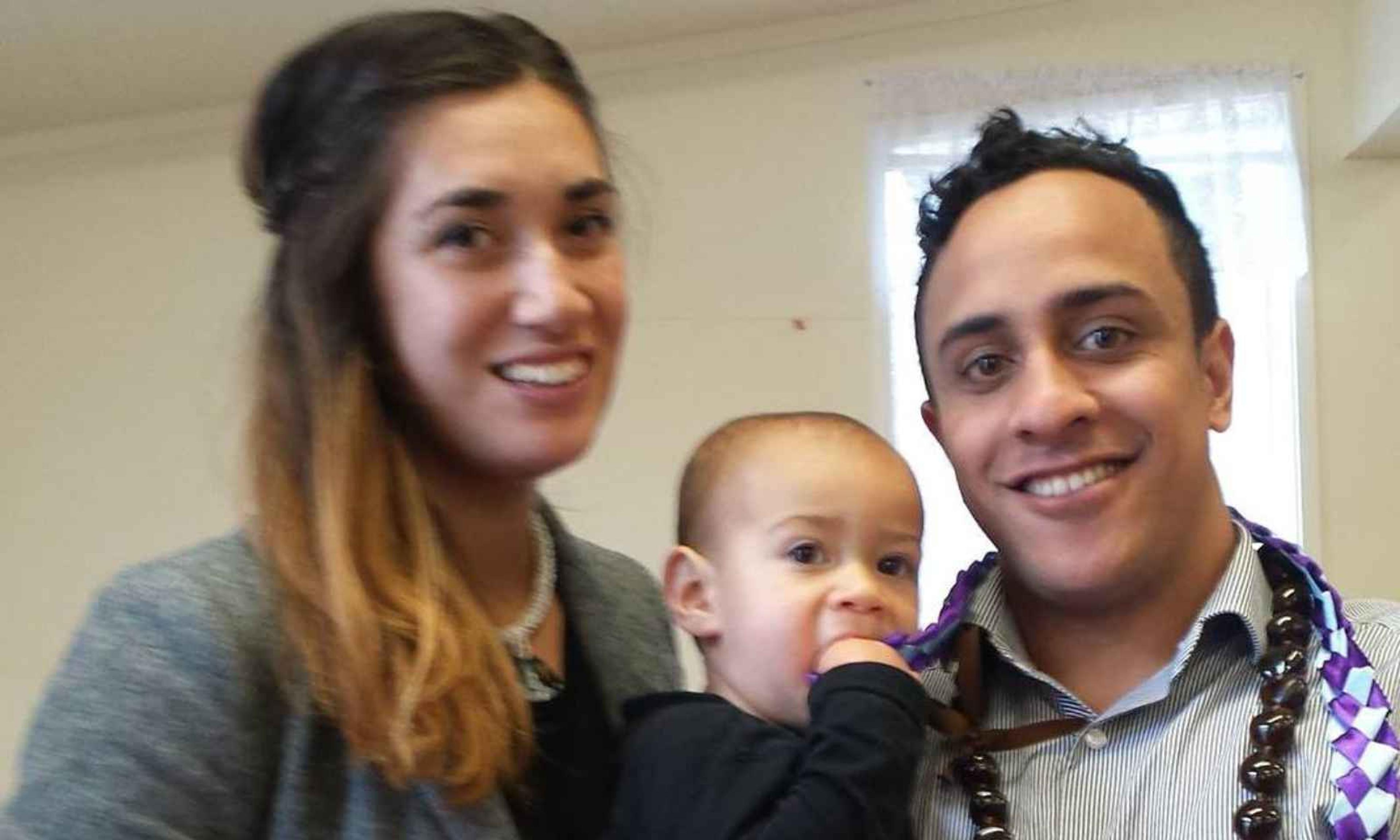
Sage Magele (far right) with wife Sinsemillia Magele and child.
Photo/Supplied
Politics
Pacific communities in Gulf region on edge as missile threats intensify
Pacific Islanders in Kuwait and Dubai describe sirens, intercepted missiles and mounting anxiety as Middle East tensions escalate.

'Alakihihifo Vailala
Published
06 March 2026, 6:28pm
Share
Copy Link
Top stories
'Let us speak for our own': Taitosaua Bill Peace pushes for youth voice in Papatoetoe
Taelegalolo'u Mary AfemataThu, 02 Apr
Crusaders run riot over Fijian Drua in historic Christchurch farewell
Tuilagi William Leolahi, Pacific HuddleFri, 03 Apr

Top stories
'Let us speak for our own': Taitosaua Bill Peace pushes for youth voice in Papatoetoe
Taelegalolo'u Mary AfemataThu, 02 Apr
Crusaders run riot over Fijian Drua in historic Christchurch farewell
Tuilagi William Leolahi, Pacific HuddleFri, 03 Apr
Pacific people living across the Gulf say missile threats and air-raid sirens have created anxiety and uncertainty as tensions escalate in the Middle East, with many now looking for ways to return home.
Sage Magele, who works as a teacher and relative Pauline Toleafoa, who live in Kuwait, originally from New Zealand, say they have been on edge as missiles and drones have been fired across the region.
“It's a bit tedious, we're on edge,” Magele tells William Terite.
“We have to remind ourselves that this is the norm for them.”
The tensions come amid escalating conflict between Iran, Israel and the United States, with missile and drone strikes across the region raising fears the fighting could spread to parts of the Gulf.
Magele says hundreds of projectiles have been launched toward targets around Kuwait in recent days, although most have been intercepted.
Watch the full interview below.
“We’ve had about seven or eight hundred missiles or drones directed or targeted at various places around Kuwait,” he says.
“Less than 50 have landed, so there is a degree of safety, but it’s not our norm. We’re on edge here.”
Toleafoa says the constant sirens and explosions have disrupted daily life.
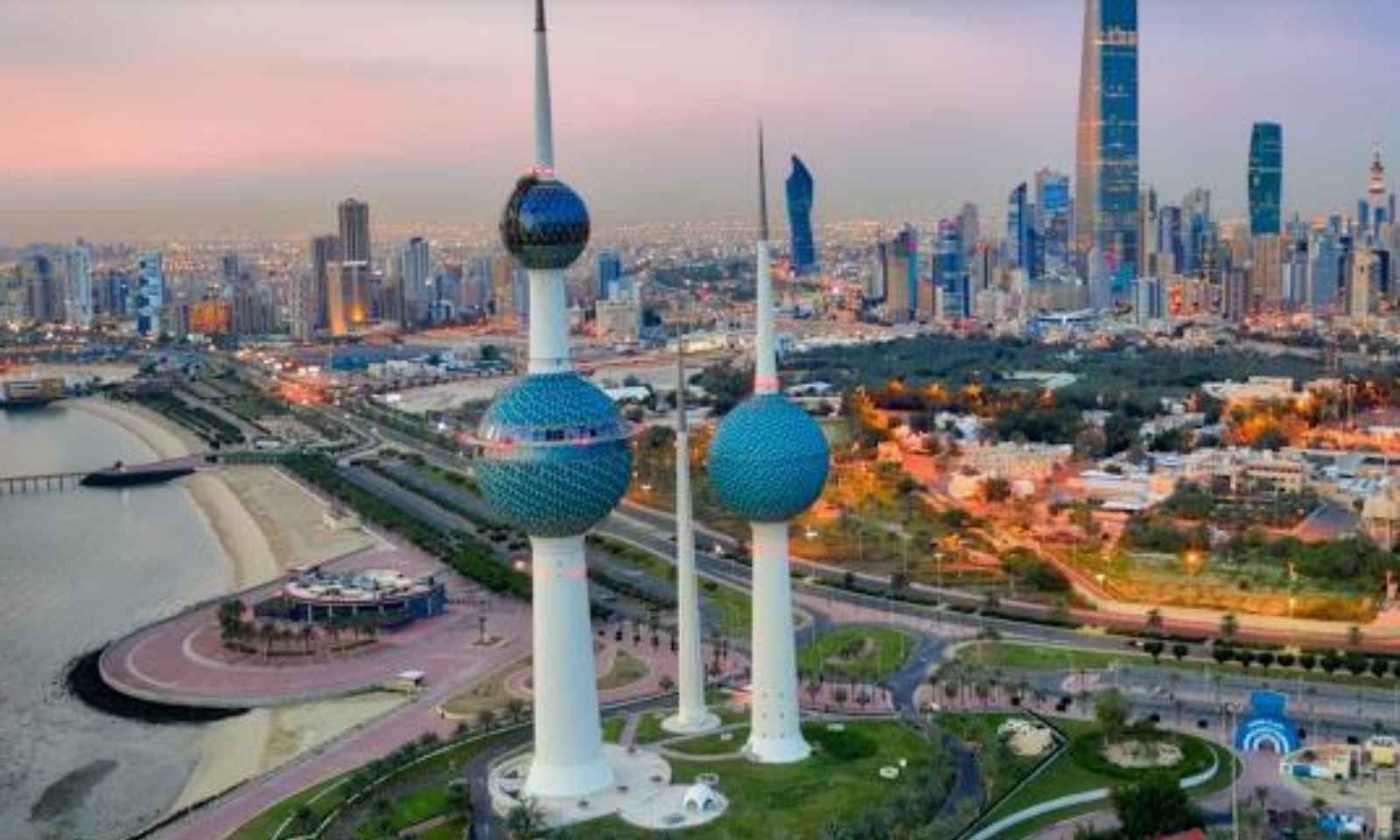
With a coastline of approximately 500 km (311 mi), Kuwait also shares a maritime border with Iran, across the Persian Gulf. Photo/Supplied
“In the last 24 hours it’s quietened down a bit, but probably about 20 minutes ago the sirens went off again,” she says.
“When they hit, they hit for hours on end. It can be every hour through the night.”
She says the uncertainty has taken a mental toll.
“The main battle is probably the psychological side,” Toleafoa says.
“We don’t know what is happening or how long this is going to go for. Our parents back home are beside themselves, and we’re trying to show them that we’re okay.”
Both say disrupted sleep and the responsibility of continuing to teach their students has made the situation even more challenging.
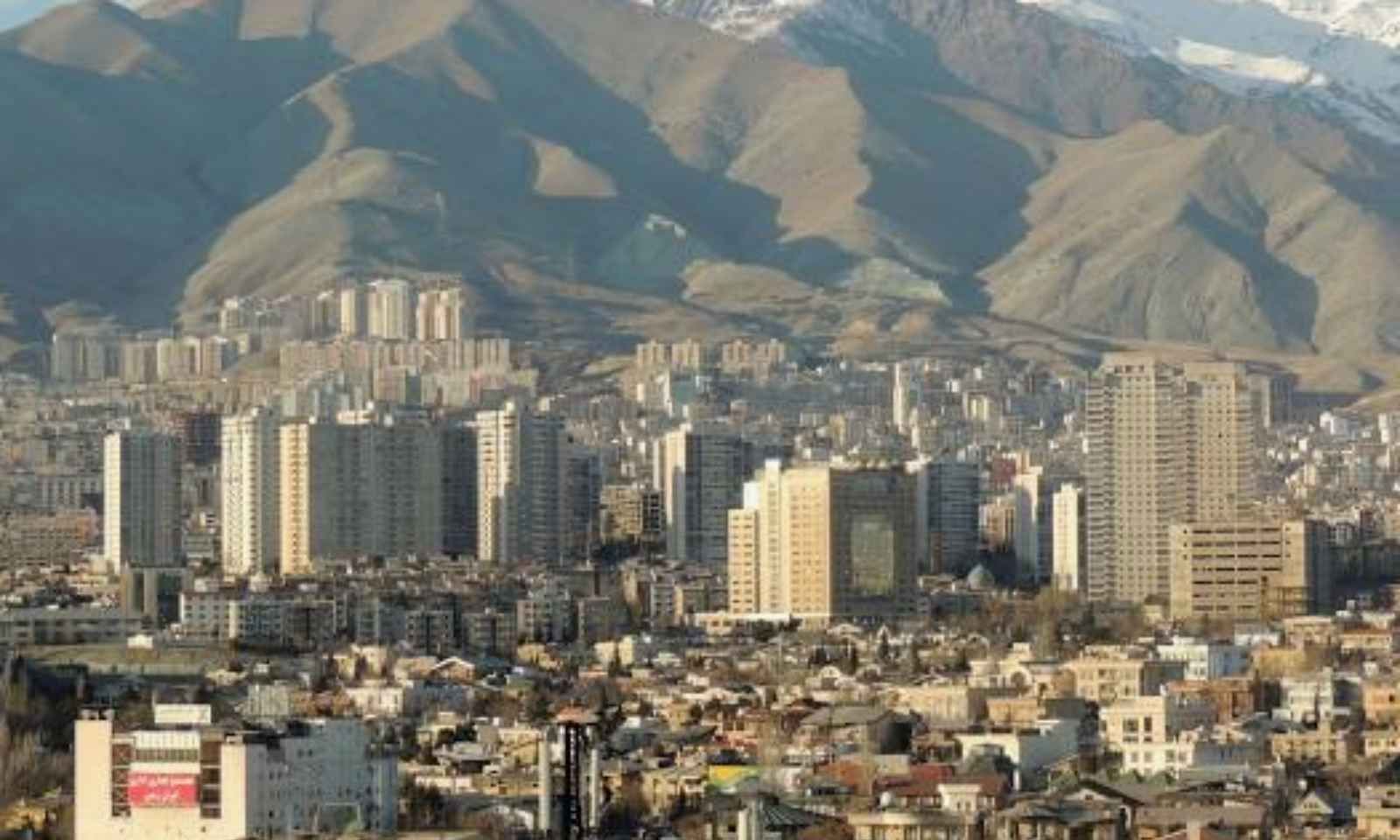
A rapidly escalating conflict is unfolding in the Middle East, with Iran exchanging missile and drone attacks with Israel and the United States after major strikes on Iranian targets, raising fears of a wider regional war. Photo/Supplied
“We’re trying to uphold our mana as teachers and still be there for our students,” Magele says.
Toleafoa moved to Kuwait six years ago for professional and financial opportunities.
Magele says his decision was partly about gaining global experience.
“I remember saying to my wife, how can I teach kids about being a global citizen when I haven’t even experienced the world myself?” he says.
However, leaving Kuwait has proven difficult.
Toleafoa says commercial travel options involve multiple complex steps.
“You have to drive eight hours, hope to get a visa, then jump on another flight to Oman, Oman to Bangkok, then Bangkok to New Zealand,” she says.
“So there are a lot of layers to it.”
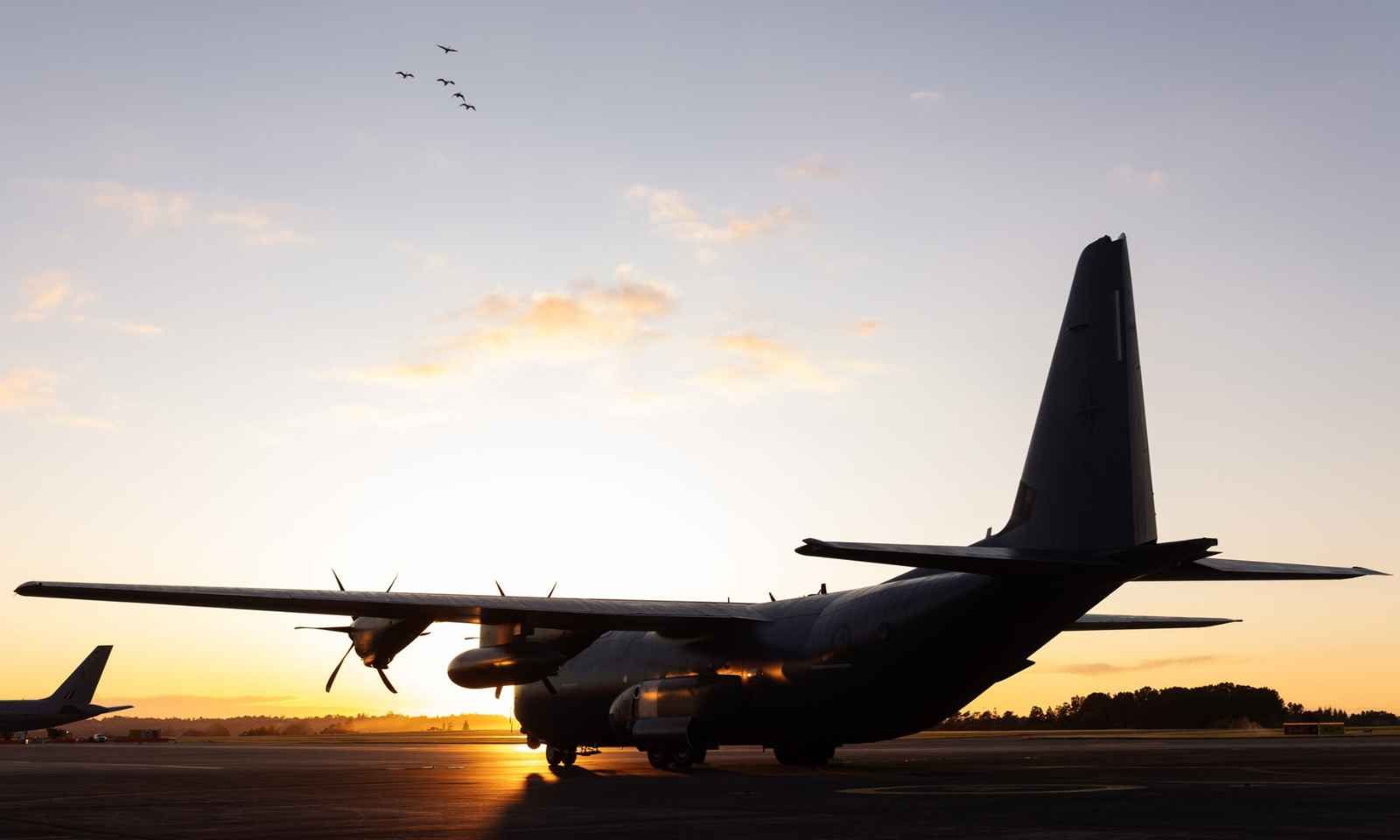
This deployment of consular staff and two NZDF C-130J aircraft is part of New Zealand’s contingency plans in preparation for supporting New Zealanders wishing to leave the Middle East. Photo/Supplied
Foreign Affairs Minister Winston Peters says the government is expanding evacuation options for New Zealanders in the region.
“We’ve had offers now from private airlines to help out, so we’ve expanded our capacity,” Peters says.
Peters confirmed two New Zealand Defence Force C-130J aircraft are being pre-deployed to the region.
The number of New Zealanders registered with SafeTravel has surged in the last 24 hours from 2400 to 3000 with Peters saying he expects numbers to continue to rise.
The Ministry of Foreign Affairs and Trade is running a 24/7 response operation to events in the Middle East, including via teams in the region.
Meanwhile, in Dubai, former Manu Samoa rugby star Afamasaga Apolo Perelini says the missile threats have been frightening but residents remain largely calm.

Apollo Perelini is a former dual-code international rugby union and rugby league footballer who played in the 1990s and 2000s, and has coached in the 2000s and 2010s. Photo/Supplied
“It has been quite scary at parts because no one has really gone through an experience like it,” Perelini says.
“We’ve had rockets and missiles being intercepted in midair above us. You hear the booms every now and then.”
During the first nights of attacks, Perelini says he and his wife took shelter inside their home.
“We found a storage room with solid concrete walls and put a mattress in there and just stayed there for the night,” he says.
“But we’ve been reassured that many of the loud bangs we hear are missiles being intercepted far away.”
Despite the tensions, Perelini says daily life in Dubai has largely continued.
Watch missiles being intercepted in Dubai below.
“People are still going to the malls, still out in the parks,” he says.
“There’s a lot of confidence in the leadership here and the investment they’ve made in defence systems.”
He says Pacific communities in the Gulf are supporting each other through the crisis.
“We’re keeping in contact with everyone in our Samoan community, making sure everybody’s okay,” Perelini says.
“If someone needs support, we go over and visit or they come over to our place.”
Perelini says while the situation is unsettling, many residents believe the city will recover.
“Dubai has always said that we’re safe and that we have strong defence systems,” he says.
“And now they’re being tested, you realise it actually is a pretty safe country.”