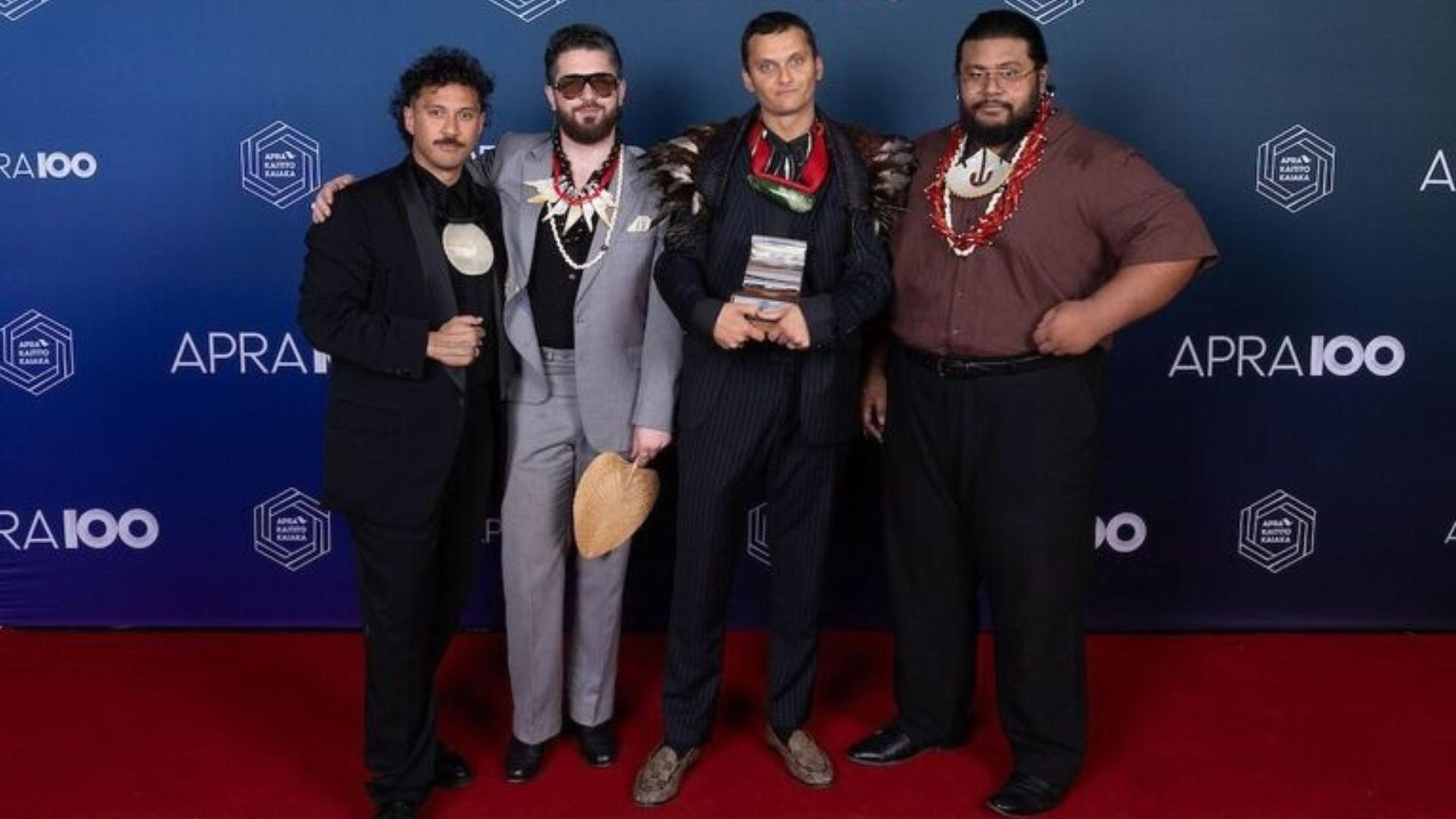
LEAO claims Silver Scroll with first pure Gagana Sāmoa winner
Brooke FonotiWed, 21 Oct

Esther Tofilau-Tevaga is running for the Manurewa electorate under New Zealand First.
Photo/Facebook/NZ First/PMN Composite
Entrepreneur and NZ First candidate, Esther Tofilau-Tevaga, says Pacific and Māori communities sit at the centre of her push for “common sense” politics ahead of the 2026 election.

A Sāmoan business owner stepping into politics says she wants to help turn Manurewa from what she calls a “Rewa hard” into a more prosperous future driven by stronger community voice and practical leadership.
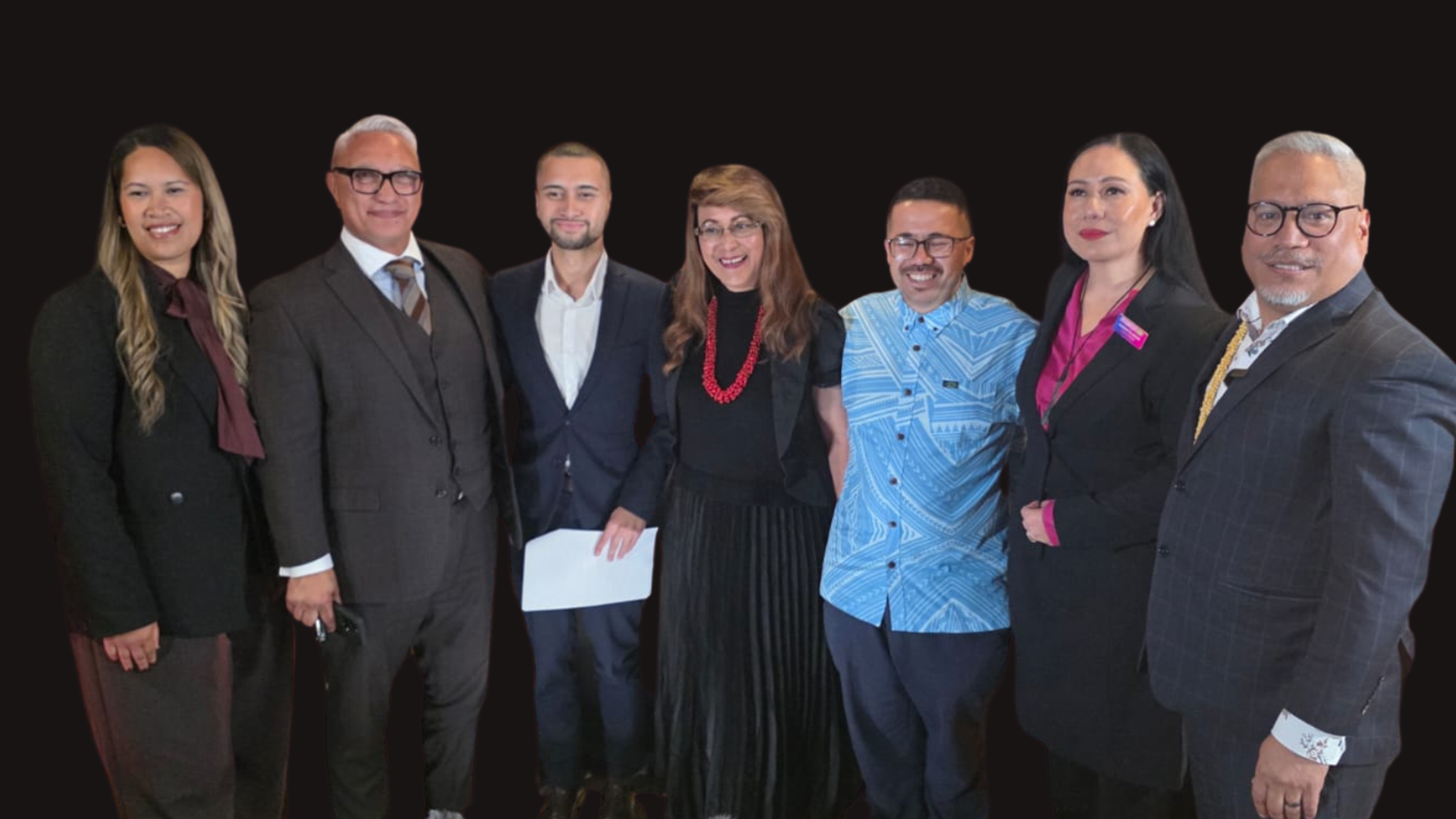
Esther Tofilau-Tevaga is contesting the Manurewa electorate for New Zealand First in the upcoming 2026 general election, joining fellow Pacific candidates Vicky Hau for Māngere and Elliot Ikelei for Takānini.
Launching her campaign at Fale o Sāmoa in Māngere last month, Tofilau-Tevaga positioned herself as a community-first candidate, drawing on more than 20 years of grassroots work alongside her roles as a mother, grandmother and entrepreneur.
Speaking with Seiuli Tone Peseta on PMN Sāmoa, Tofilau-Tevaga says she intends to bring “common sense” back into decision-making and lift South Auckland communities.
“I've served in the community for over 20 years. So I see and understand what is needed from grassroots up. I know I can add value to help transform our community from ‘Rewa hard’ to a prosperous ‘Rewa,” she says.
“My goal is to help shape policy, influence positive change and ensure that all New Zealanders, including our Pacific community, are heard, valued and empowered.
“I believe in the party's goal in bringing back common sense to the Government and ensuring that our nation's future is guided by fairness, opportunity and self-reliance.”
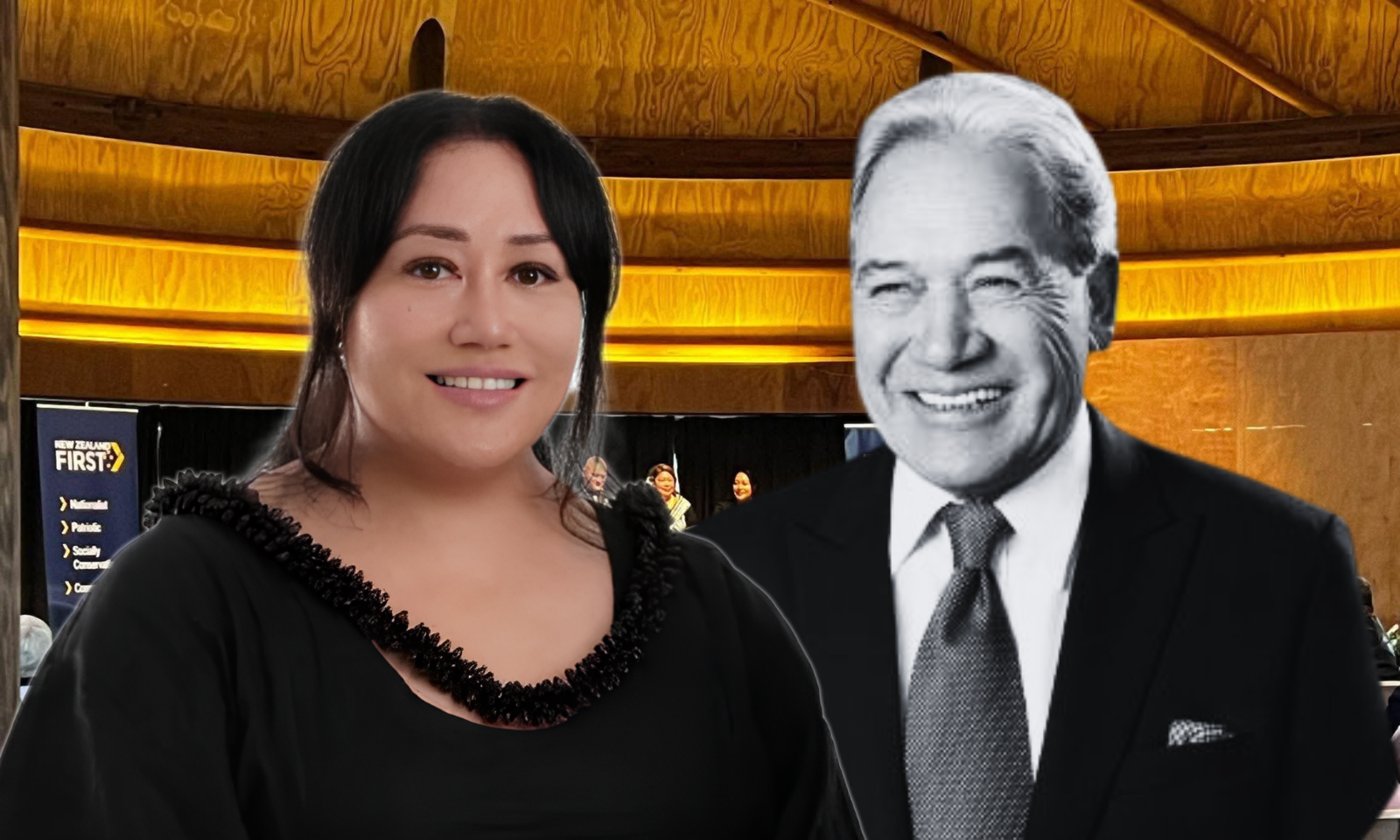
Vicky Hau (left) is the Māngere candidate for New Zealand First, led by Vaovasamanaia Winston Peters. Photo/Composite/X/File
Her candidacy comes as political support continues to fragment with smaller parties gaining ground.
Speaking with William Terite on Pacific Mornings, Josie Pagani, the Chief Executive of ChildFund New Zealand, says voters are increasingly moving away from major political parties.
She says this year’s election has become a “snooze fest”, as everything the ACT Party and Labour Party announced for example, was expected.
“There was nothing that kind of made you go, ‘this is really different’. Voters, when you see the polling, they're going off into the small parties: NZ First, Opportunity, the Greens. So the smaller parties are rising up.
Watch Esther Tofilau-Tevaga’s full interview on PMN Sāmoa below.
“Because they're being a bit more radical, punchy [and] risky. People are looking for the sensible people to be a bit more radical, and the radical people to be a bit more sensible.
“But we do want systemic big changes. That’s what politicians need to realise. We're looking at the rise of the small parties as we get closer to the election, so that you'll end up with weaker big parties, because neither National or Labour are exciting anybody at the moment.”
This domestic political shift coincides with severe economic challenges across the region. The OECD confirms an unprecedented 23.1 per cent contraction in global development assistance, leaving small island states in the Pacific facing a projected 33.4 per cent funding drop between 2024 and 2026.
Listen to Josie Pagani’s full interview below.
While major international donors cut budgets, Pagani praises Minister Peters as a “great friend of the Pacific”, for maintaining New Zealand's aid contributions to cushion the regional blow.
Beyond domestic politics, Tofilau-Tevaga’s campaign also sits against a backdrop of tightening global aid.
OECD figures show development assistance has fallen sharply, with Pacific island states projected to face a 33.4 per cent drop between 2024 and 2026.

OECD data shows Pacific island nations facing some of the steepest aid cuts globally as development funding falls to a decade low. Photo/NZDF/file
While some major donors are cutting back, ChildFund’s Pagani has praised New Zealand’s continued aid spending, describing Foreign Minister Winston Peters, who is also NZ First leader, as a “great friend of the Pacific”.
Tofilau-Tevaga also backs that position, saying NZ First has supported funding that benefits Pacific communities.
She has also spoken on immigration amnesty for overstayers, describing proposed changes around overstayers as a “work in progress” and says long-term solutions must come through law reform rather than short-term fixes.
Tofilau-Tevaga points to the Citizenship (Western Sāmoa) (Restoration) Amendment Bill, introduced by Green MP Teanau Tuiono, as an example of structural change through Parliament.
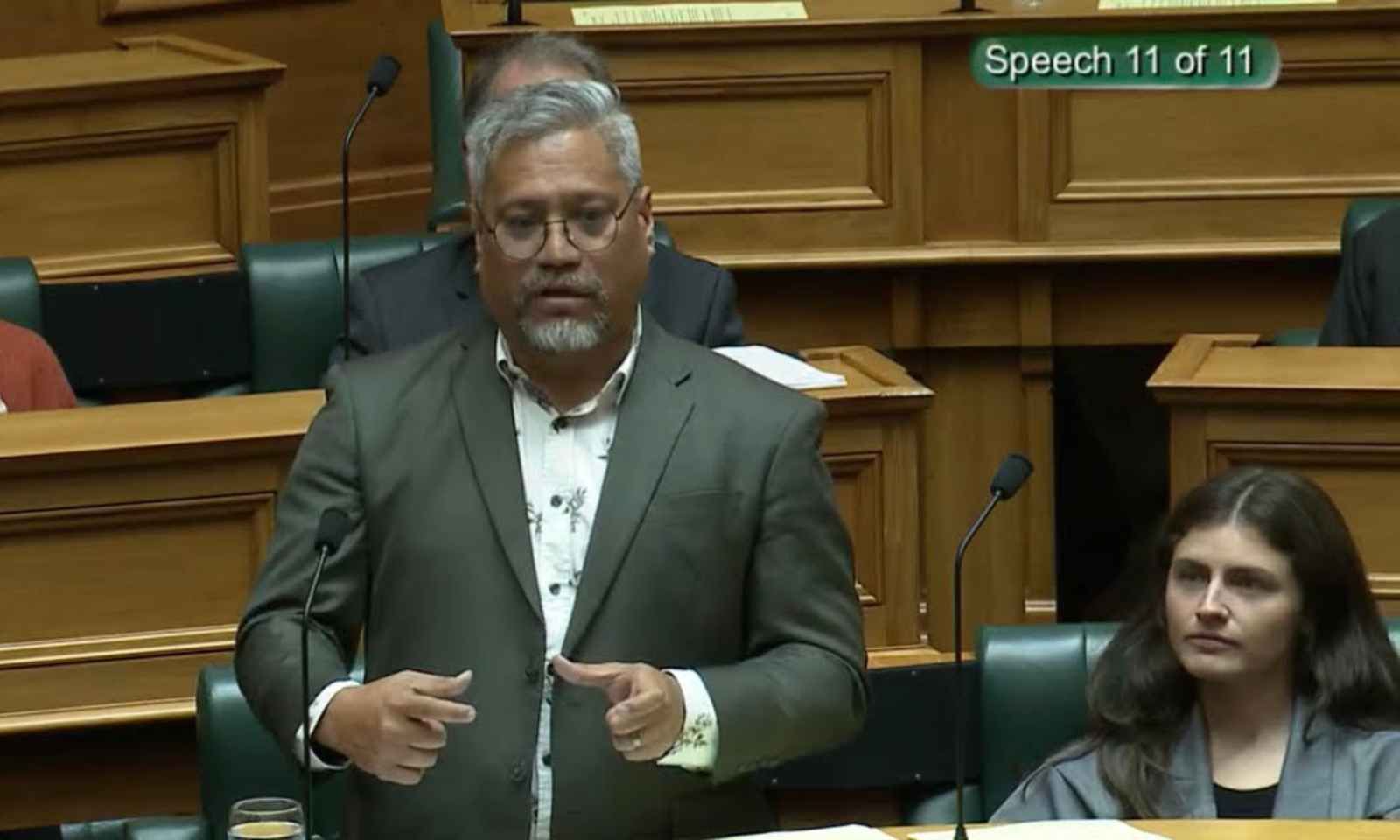
Teanau Tuiono. Photo/File
Elder care is another key focus of her campaign, linked to NZ First’s SuperGold Card scheme, which was introduced in 2008, to provide free off-peak public transport for seniors.
Tofilau-Tevaga will host Senior Minister Casey Costello at a community meeting at Manurewa Sports Centre on Monday to discuss support for older people.
The meeting follows the National government’s announcement of a four per cent funding increase for aged residential care worth NZ$79 million in the 2026/27 financial year.
Tofilau-Tevaga encourages people to attend the meeting to have their say. For more information click here..
This year’s general election takes place on Saturday, 7 November, with advance voting opening on Monday, 19 October. For more information, visit the Electoral Commission’s website.