High blood pressure a silent killer, Solomon Islands calls for stronger action
Lachlan EddieFri, 23 Oct
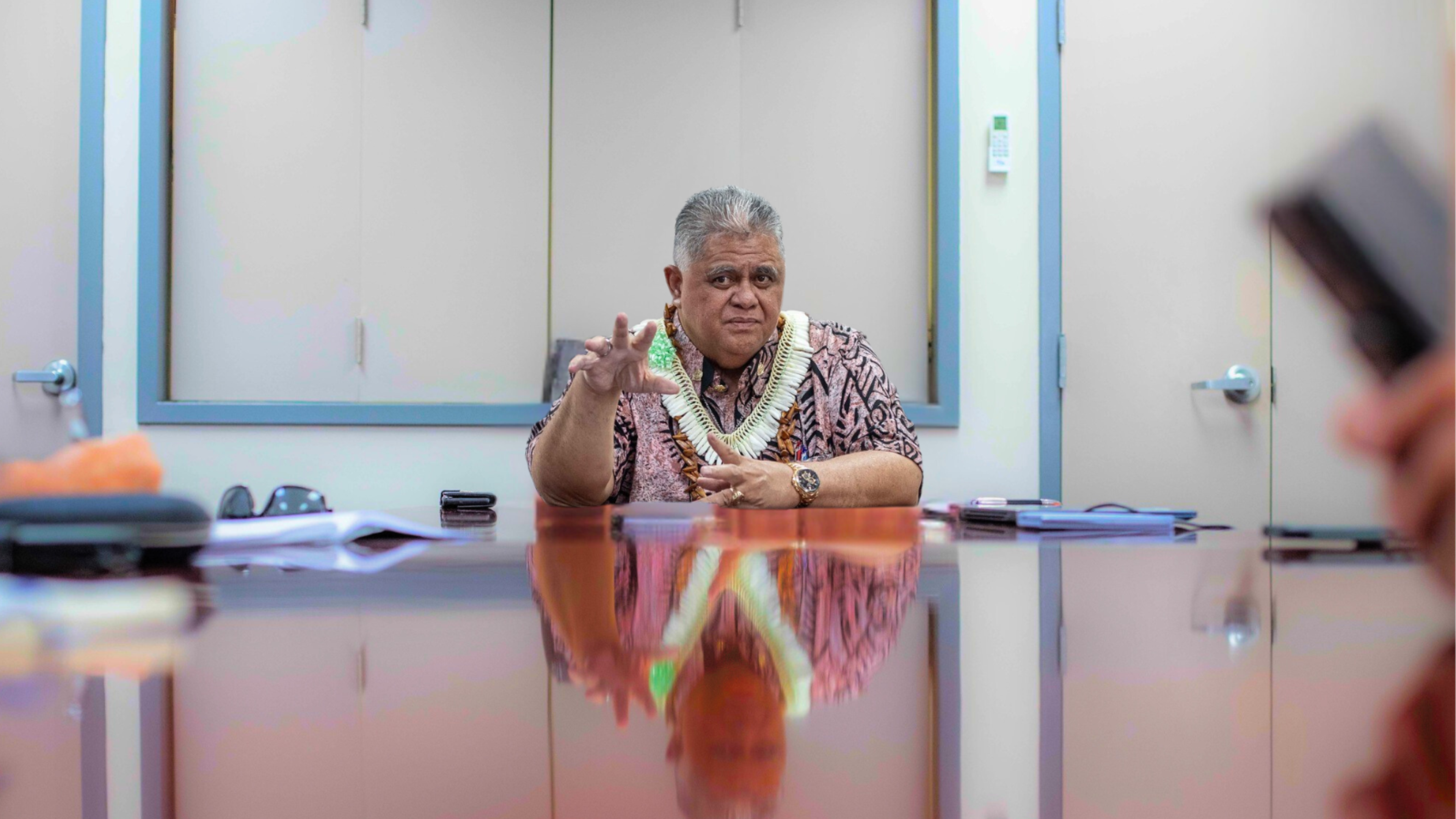
Prime Minister Laaulialemalietoa Leuatea Polataivao Schmidt said tighter controls followed compliance concerns raised at the end of the previous parliamentary term.
Photo/Government of Samoa/Facebook
New funding agreements confirm DDP money remains government property and allow Cabinet to step in where funds are misused.



The Sāmoa government has rewritten the rules for its multimillion tala District Development Programme (DDP), making clear that district funds remain state property and giving itself new powers to seize money if it is misused.
The changes, announced this week in Apia, mark the biggest overhaul of the programme since it began in 2021.
They strengthen Cabinet oversight and introduce clearer enforcement measures across all 51 districts.
Prime Minister Laaulialemalietoa Leuatea Polataivao Schmidt and Attorney-General Mauga Precious Chang outlined the amendments at a meeting of district representatives on Monday.
Forty-eight districts were expected to sign updated agreements covering ST$91.8 million (NZ$56.2m) in funding.
Mauga said 18 changes had been made to the standard Funding Agreement.
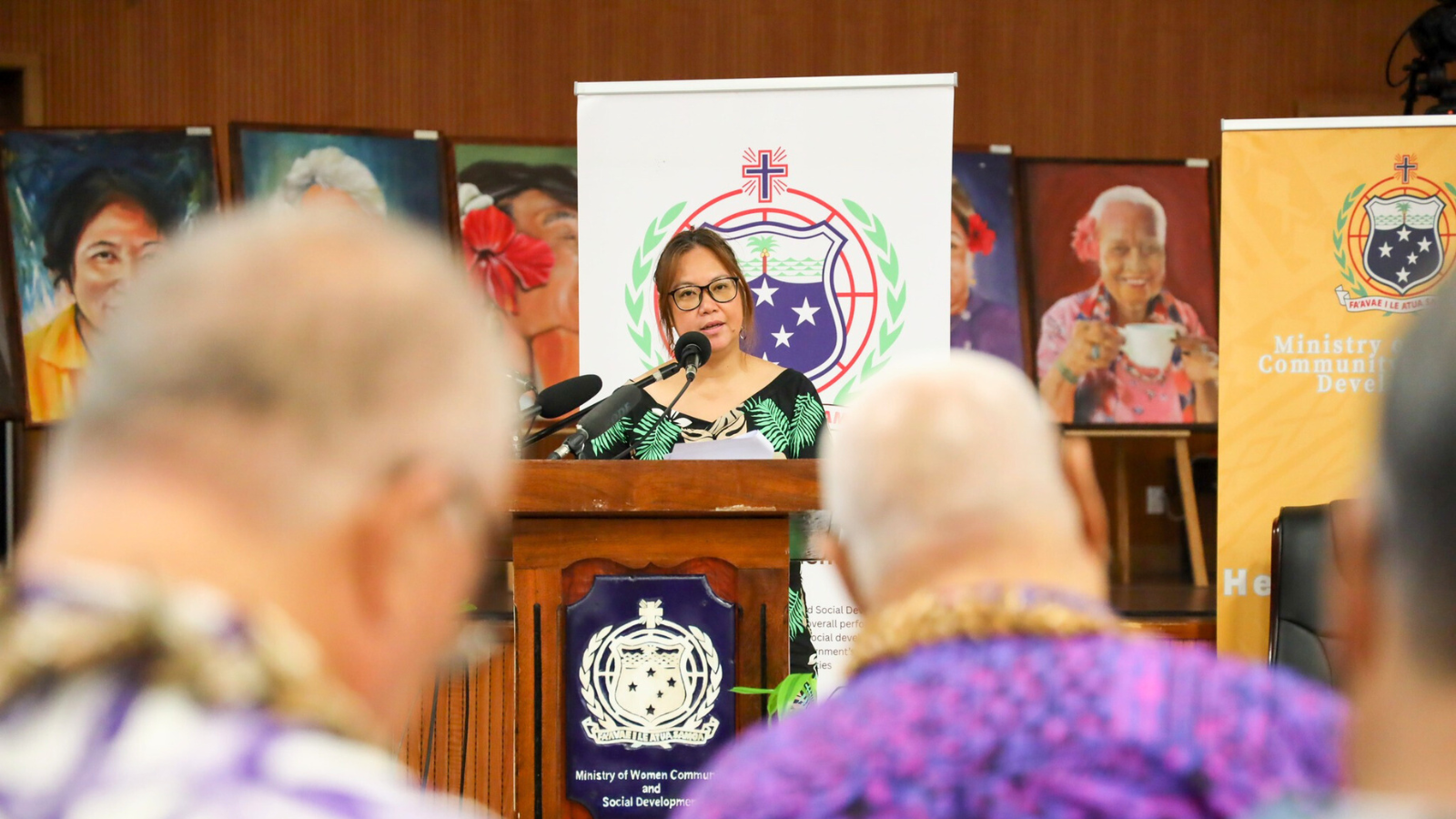
New Attorney-General, Mauga Precious Chang, has confirmed 18 changes to the new funding agreement. Photo/Laaulialemalietoa Leuatea Polataivao Fosi Schmidt
“The first major change is this agreement mentions the District Development Authority, which hasn’t been established yet in law, but we have added it,” she said. The provision will take effect once enabling legislation is passed.
One of the most significant amendments clearly states that DDP funds do not transfer ownership to districts.
“That money remains the property of the government. Ownership of the money is not changed over,” Mauga said.
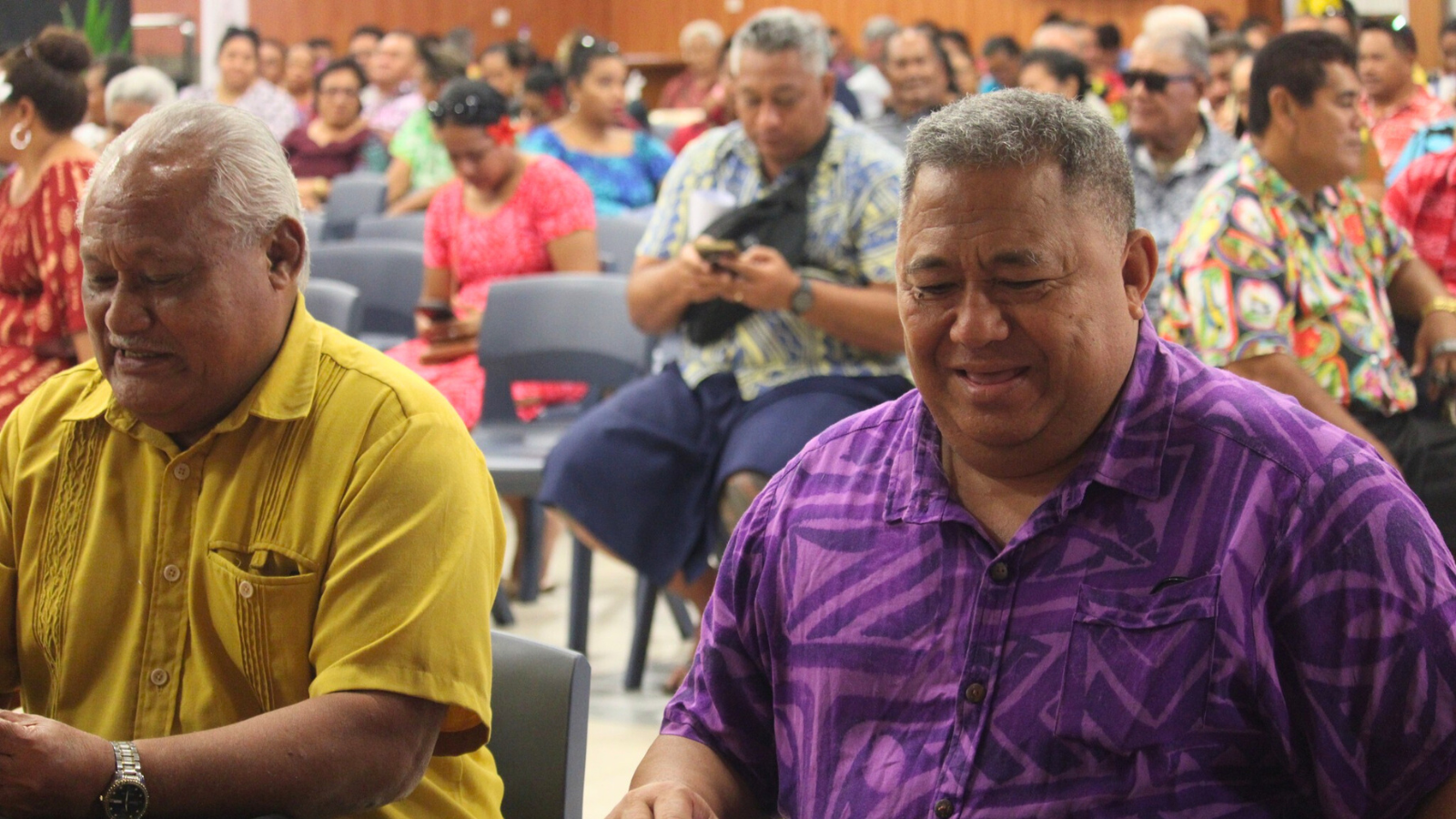
Seen signing the new funding agreement: Chairpersons of the Faasaleleaga III Fono Faavae, (L-R), Chairperson 1, former MP Papalii Lio Masipau, and Chairperson 2, current MP Namulauulu Sami Leota. Photo/Ministry of Women Community and Social Development
The clarification confirms that districts administer the funds but do not legally own them, reinforcing the government’s authority to intervene if rules are broken.
Mauga says the revised agreement also introduces enforcement provisions, including the power to suspend or recover funding. “There is also a provision that funds can be seized,” she said.
No public objections were raised during the livestreamed signing ceremony, which was attended by Cabinet ministers.
The Prime Minister said tighter controls followed compliance concerns raised at the end of the previous parliamentary term.
“At the end of the last government term, more than 25 Fono Faavae did not submit final reports,” he said.
Laaulialemalietoa also told district leaders the government had seen cases where district funds were used during election periods.
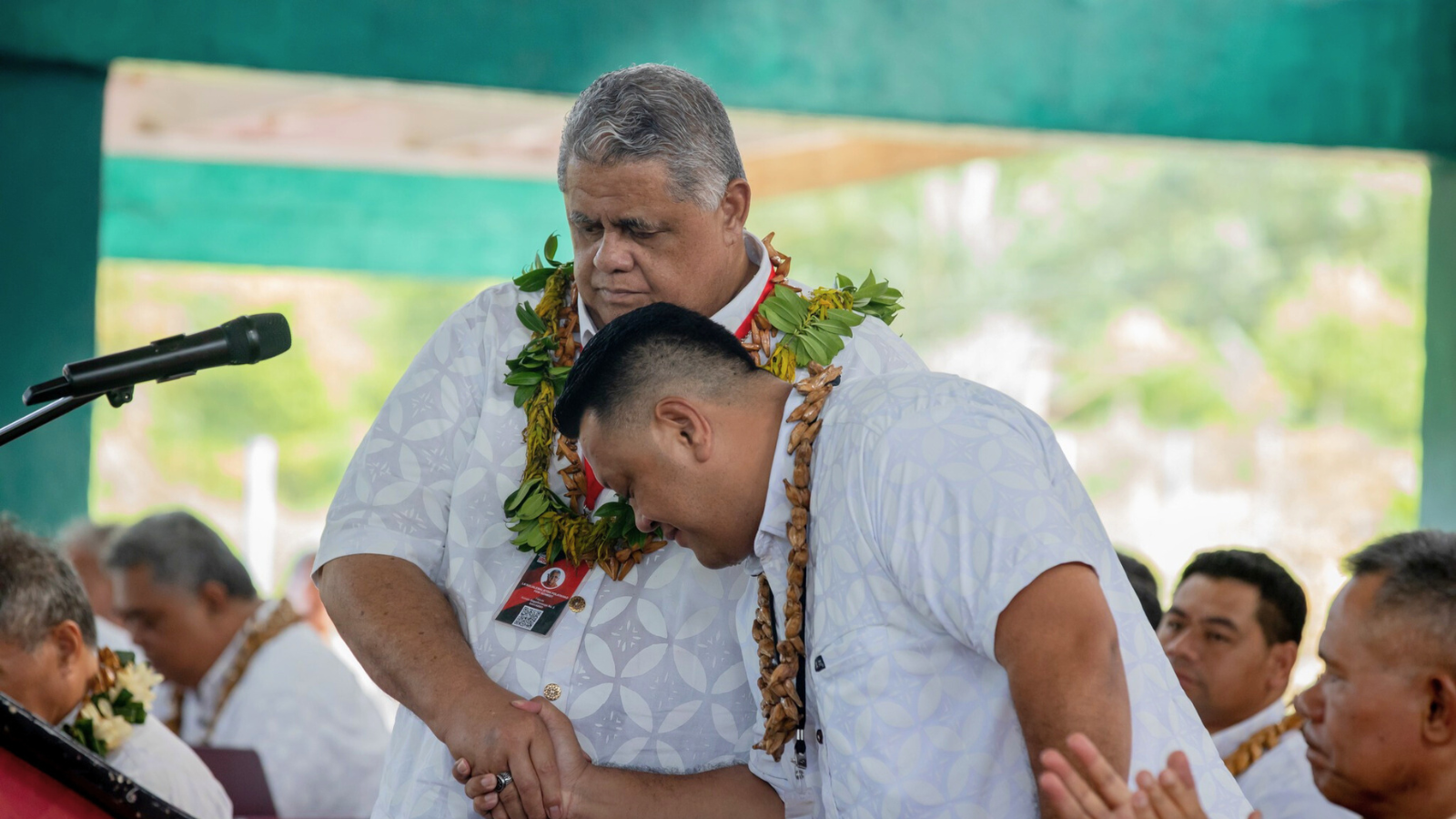
Laaulialemalietoa and Magele. Photo/Facebook
Recent tensions have centred on Faasaleleaga II. In November 2025, the Supreme Court ruled that former MP Magele Sekati Fiaui had breached electoral law in relation to the use of Fono Faavae funds during the August general election.
In January 2026, he was appointed chair of the Faasaleleaga II DDP, which drew criticism from opposition figures and some district leaders.
Cabinet has since halted funding to Faasaleleaga II, while two other districts are under discussion.
“Government has seen fit to make it possible to step in to stop funding, to protect government assets from being used illegally,” Laaulialemalietoa said.
The Prime Minister also confirmed plans to amend the Village Fono Act to further strengthen oversight of the DDP.
The Act recognises the authority of village councils (Alii ma Faipule) to govern village affairs in line with custom, while operating within national law.
Watch the funding agreement changes announced by Attorney-General Mauga Precious Chang, below:
Any amendment affecting district development oversight would affect how customary authority and Cabinet control interact over public funds.
The DDP now makes up most of the Community Sector budget and allocates funding to each district for local projects.
Under the revised agreements, all ST$91.8 million (NZ$56.2m) allocated this financial year must be used by June.
Opposition representatives were contacted for comment but had not responded at the time of publication.