
El Niño tightens grip on Pacific as authorities warn of drought and extreme weather
Lachlan EddieFri, 23 Oct

Satish Ranchhod and Pasitaua Haufano discuss the upcoming official cash rate announcement.
Photo/LinkedIn/File
From higher food and rent bills to cultural obligations, Pacific households are feeling “the squeeze”. Experts warn that Reserve Bank decisions could affect families already stretched financially.




For Pacific families, rising bills aren’t just numbers, they’re trade-offs between feeding the children, paying rent, and keeping cultural obligations alive.
Pasifika households are juggling higher bills, cultural responsibilities, and family support. And the Reserve Bank’s first interest rate decision of the year could make things even harder.
“Food, power, rent, rates, those are the constant pressure points,” Pasitaua Haufano, a Sāmoan-Tongan business owner, tells PMN News.
“People are now forced to make those trade-offs. Do I use this money for gas or do I use it to buy food?”
Haufano, Chief Executive and founder of Zeducation, says Pacific families are paying the price not just financially, but emotionally.
“It’s squeezing people, their choices, their peace of mind,” he says. “Your obligations to your aiga don’t stop even if prices go up.
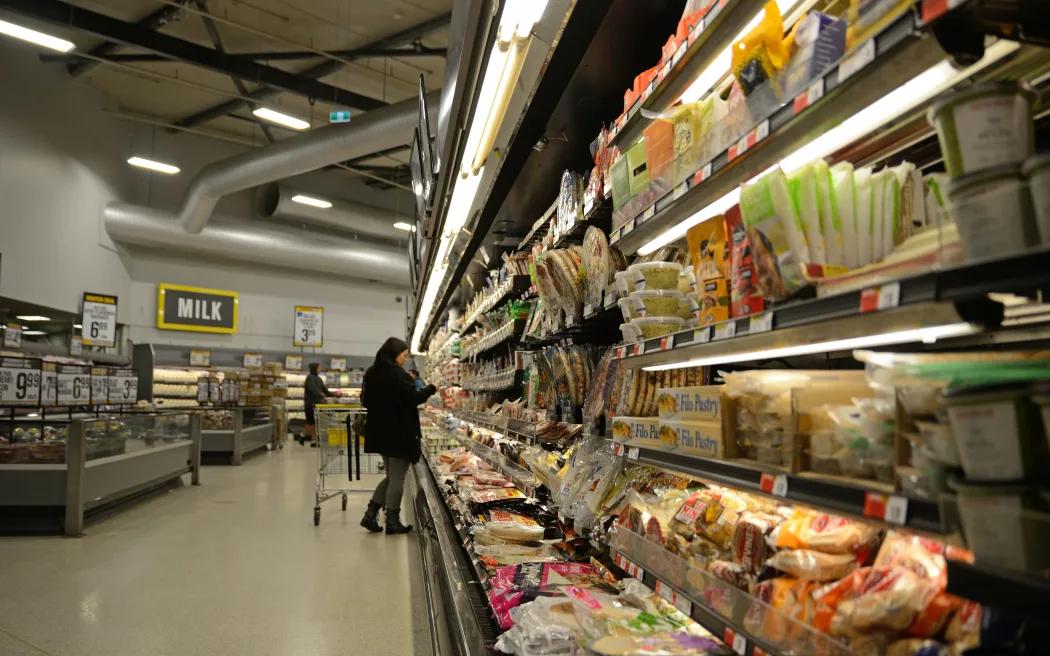
Families notice the impact of price increases first-hand in their supermarket shopping. Photo/File
“People still show up for church, birthdays, fa’alavelave, funerals. They’re supporting families overseas and families here at the same time.”
His comments come as the Reserve Bank prepares to release its first monetary policy statement of the year on Wednesday. The official cash rate, currently 2.25 per cent, influences what banks charge for mortgages and loans.
Haufano says even families who don’t follow monetary policy closely can feel the impact. “If you’re renting from somebody and their mortgage goes up, there’s a ripple effect on our people as renters as well.”

Changes to the official cash rate can impact rent and mortgage costs. Photo/Awhi Homes
Satish Ranchhod, Westpac Senior Economist, says inflation, now at 3.1 per cent, has remained higher for longer than expected.
“We have seen high food and fuel prices,” Ranchhod told William Terite on Pacific Mornings. “But under the surface, we’re seeing price increases in areas like electricity and consumer goods.”
Markets are watching for signals from the Reserve Bank about when rates might rise. Ranchhod expects a measured tone from the new Governor, Anna Breman, with potential increases later this year.
“I think rates are probably going to start rising in the latter part of this year, most likely in December. We’re starting to see signs that the economy is getting on a better footing.”
There may be some relief for renters. Ranchhod says increased housing supply and slower population growth in cities such as Wellington and Auckland are placing downward pressure on rents.
“Rental inflation is going to remain pretty subdued for some time,” he said.
Listen to Satish Ranchhod's full interview below.
Unemployment hitting Pacific communities
Despite early signs of economic recovery in construction, manufacturing, and business confidence, Pacific unemployment sits at 12.3 per cent, more than double the national average.
Ranchhod says the labour market remains a concern. “There’s still a lot of people who are unemployed. I’d like to see stronger wage growth, giving families a more stable backdrop to work with.”
For Haufano, the conversation must go beyond policy. Families need support to manage costs and build incomes.
“There’s only so much water in the bucket,” he says. “We’ve got to ask, how do we help people put more water back in?”
Through Zeducation’s financial capability and home ownership programmes, Haufano helps grow money skills as a buffer against uncertainty.
“When incomes get tight, having the skills to budget, reduce debt and build emergency savings improves stability in the long run. If you can grow your skills, it’s more likely you can grow your income as well.”
For Pacific families, the squeeze is real: rising prices, cultural obligations, and family obligations all collide.
Experts say building financial skills, boosting incomes, and careful policy decisions will be key to easing the pressure on households already feeling stretched.