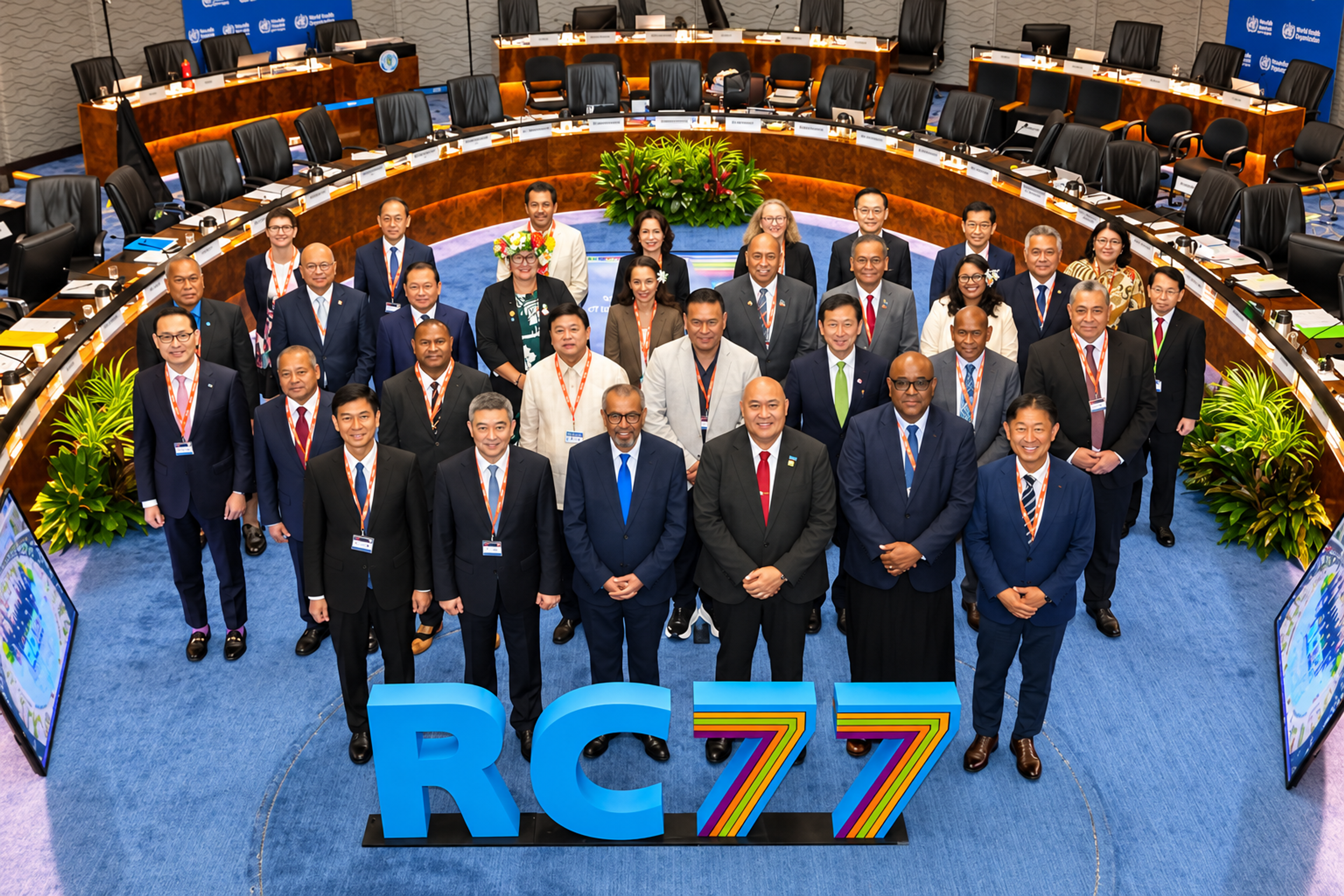
High blood pressure a silent killer, Solomon Islands calls for stronger action
Lachlan EddieFri, 23 Oct
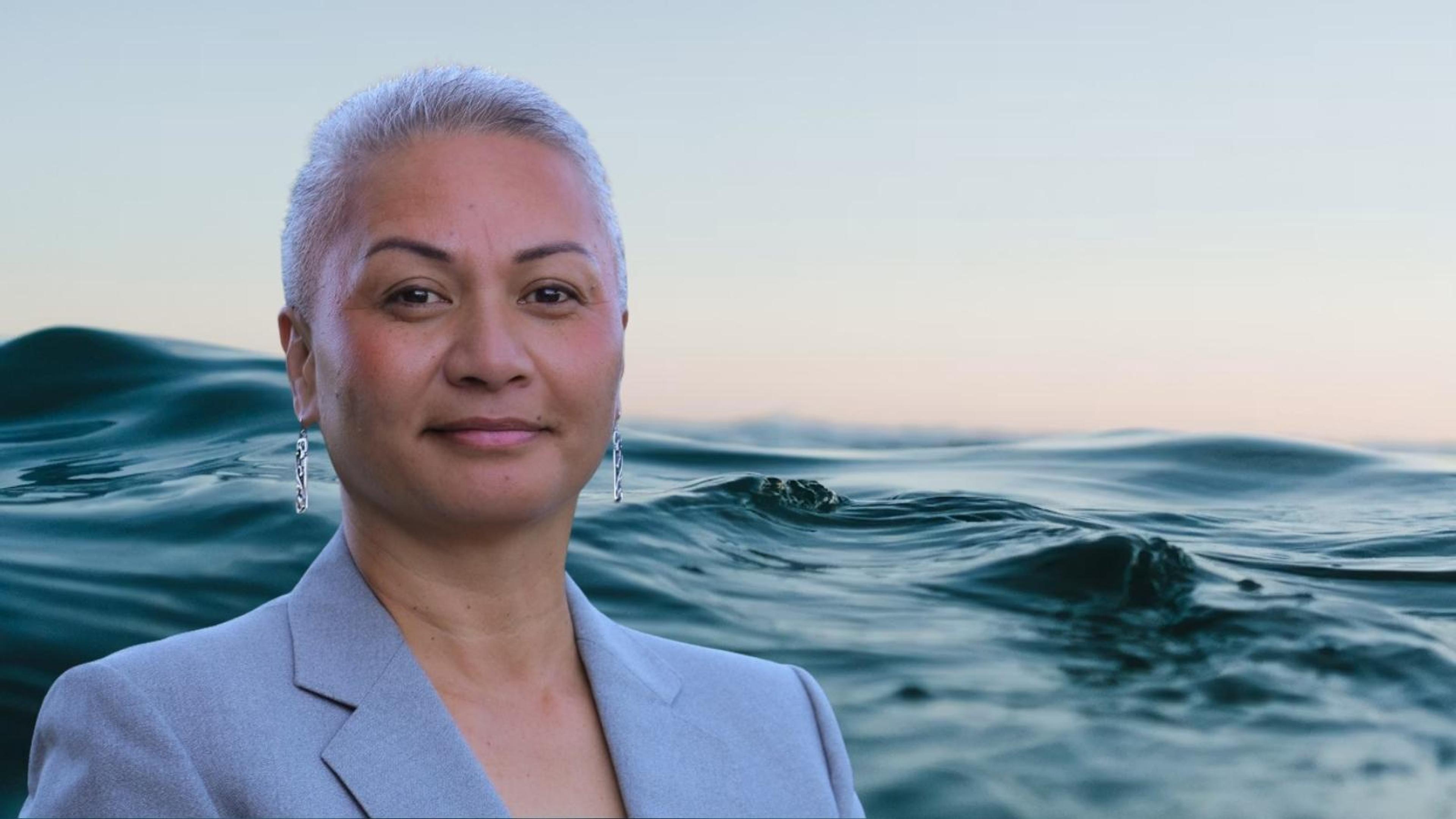
Marama Davidson.
Photo/Green Party/Unsplash/PMN Composite
Green Party Co-leader Marama Davidson says protecting Aotearoa New Zealand’s waterways and oceans is about more than environmental rules.



For Pacific communities, the ocean is not just a resource. It is a source of food, culture, identity and connection passed down through generations.
Now, as New Zealand heads towards a general election, the future of the country’s waterways and marine environment has become a major political debate.
The Green Party says its "Drink Swim Fish" campaign is about restoring clean drinking water, healthy rivers and a protected ocean for future generations.
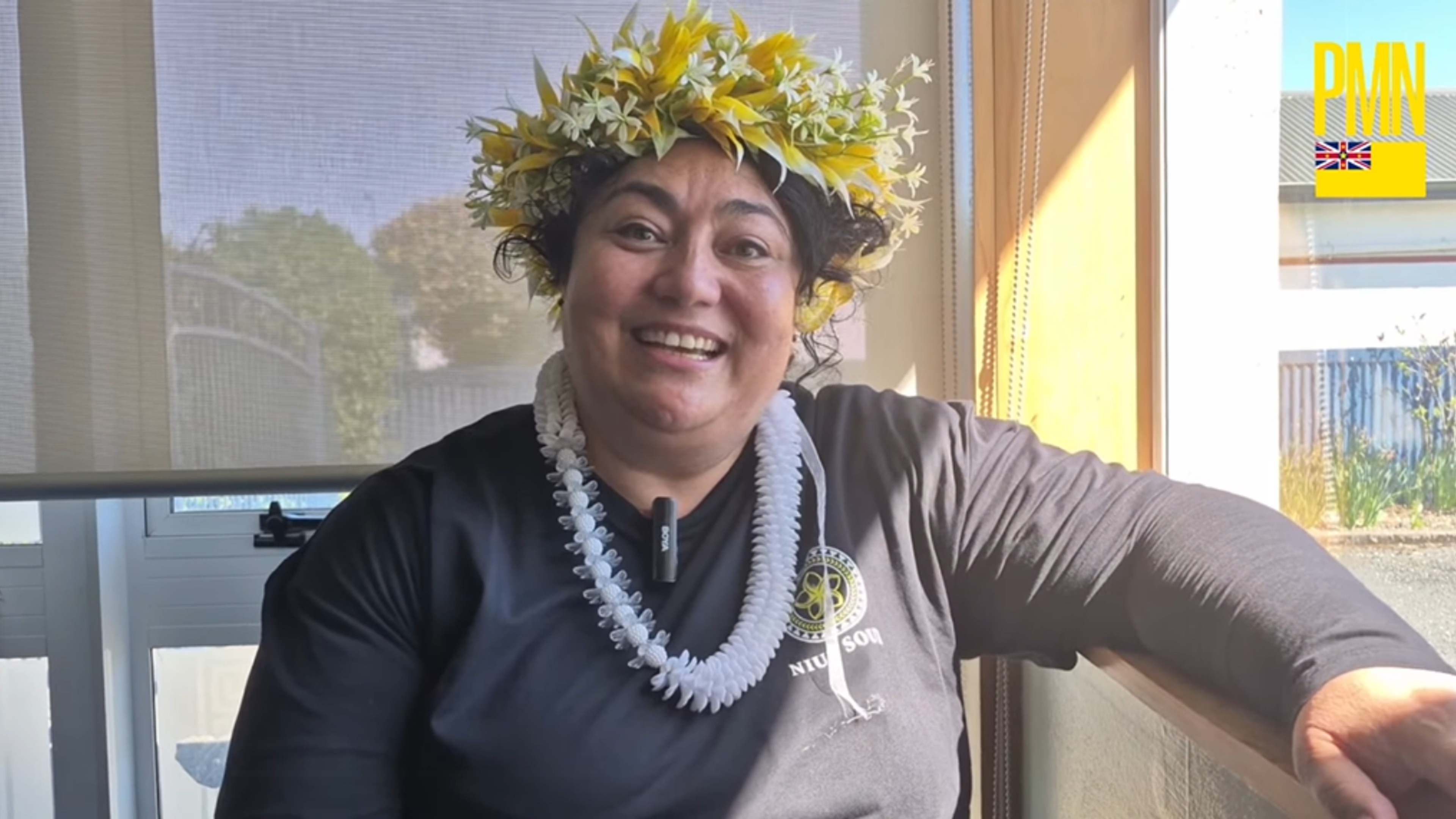
Speaking with William Terite on Pacific Mornings, Green Party Co-leader Marama Davidson says protecting the moana requires changes to the way New Zealand manages its natural environment.
“We understand that we need to protect snapper and tarakihi and orange roughy and oysters for our mokopuna to come. Our approach to planning to live in a way that balances the restoration of our seas and our waters and rivers is an important part of our policy,” Davidson says.
“We know that with that ancient knowledge that we have, we have to share with everyone, we can protect our oceans and our rivers for everyone's mokopuna, not just for Māori and Pasifika mokopuna.”
Watch Marama Davidson’s full interview below.
Davidson says nearly half of the total length of New Zealand rivers is currently in poor health and completely unsafe for swimming.
According to the Green’s policy, up to 100,000 people fall sick every year from consuming unsafe drinking water, while 9000 children in schools and early childhood centres face strict boil water notices.
The party’s eight-part policy package includes giving water regulator Taumata Arowai stronger enforcement powers, reducing pollution in waterways and phasing out “destructive bottom trawling”.
The Green Party aims to phase out bottom trawling. Photo/Unsplash
“Banning bottom trawling is something that is going to help restore the fish stocks in our sea for everyone,” Davidson says.
“We want to lower the nitrate levels in drinking water. We've got research that shows that when farming moves towards regenerative practices that restore the health of waterways and soils, that that can also lead to higher profits as well.”
However, the government has pushed back against a complete ban, saying the fishing sector remains an important part of the economy and supports thousands of jobs.
In a public address on Monday, Prime Minister Christopher Luxon says moving away from bottom trawling completely would create economic pressure for coastal communities, arguing the focus should instead be on using technology to improve fishing practices.
Oceans and Fisheries Minister Shane Jones also defended the industry, saying in a May press release thatcommercial fishing remains tightly managed.

Shane Jones. Photo/Facebook/PMN Composite
The ministry reported that commercial trawling only affects 1.7 per cent of New Zealand’s marine area during the 2024-25 fishing year.
Davidson argues that people cannot restore extinct species following damaged ecosystems, when the industry scrapes out all the fish there would be no jobs left.
“Seamounts are beautiful underwater mountains that have formed over millennia, corals and hot spots for biodiversity and marine life,” Davidson says.
“Bottom trawling destroys those in moments, those that have taken millennia to build and to grow.”
Davidson says a clear line must be established in this decision, where the price for the commercial industry surviving is not at the cost of habitat and species damage in the ocean.
For Pacific communities, the debate reflects a wider regional question: how countries protect the ocean while ensuring people can continue to rely on it for food, livelihoods and culture.
As New Zealand voters prepare to go to the polls in November, ocean protection is set to remain part of a bigger conversation about the future of the Blue Pacific.
This year’s general election takes place on Saturday, 7 November, with advance voting opening on Monday, 19 October. For more information, visit the Electoral Commission’s website.