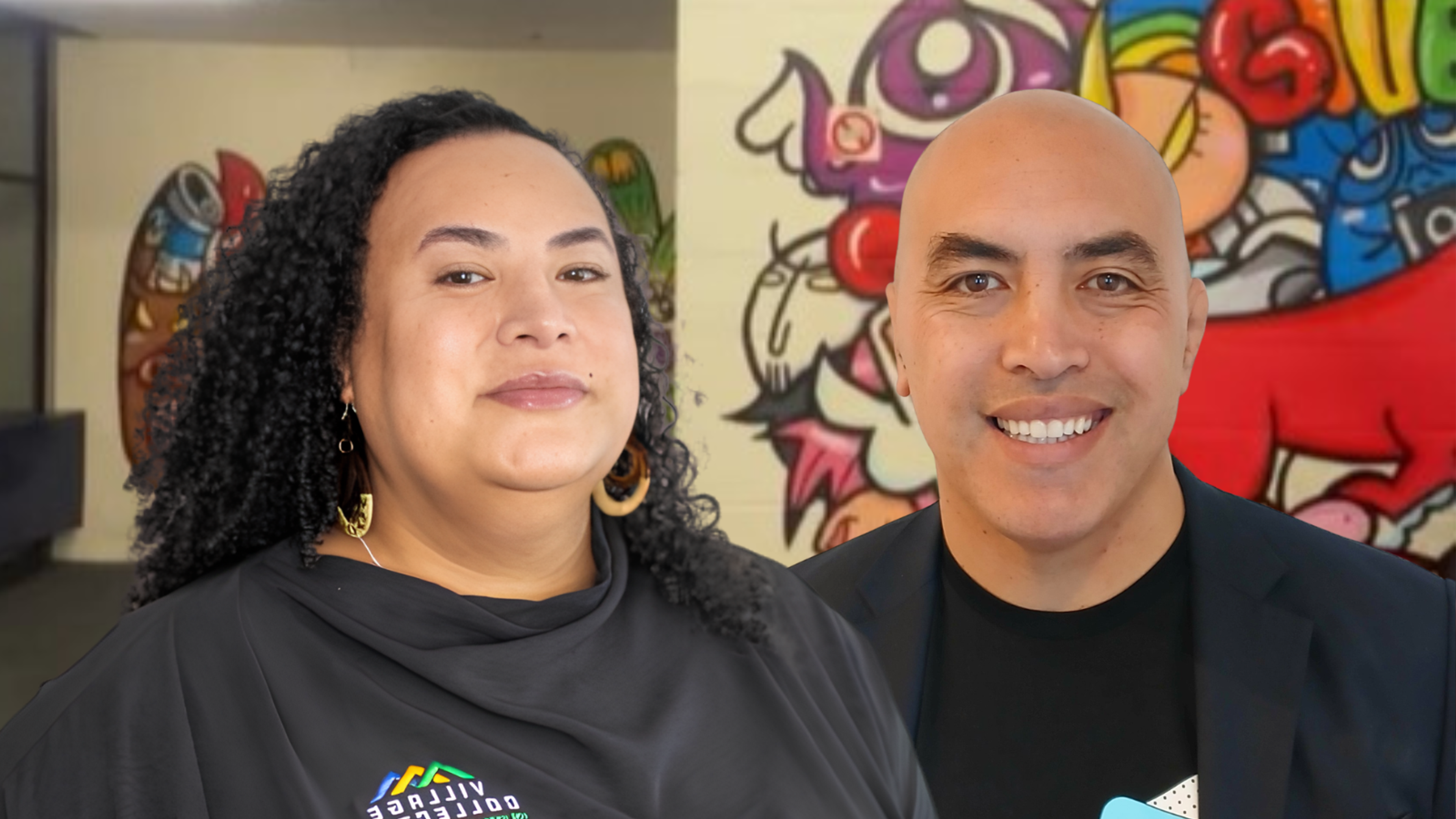
Clinical psychologist Dr Penni Wolfgramm and Youthline's Jack Nielsen say improving wellbeing includes meeting cultural needs.
Photo/Village Collective/Supplied
Health
Pacific providers want mental health support for youth before crisis
With almost one in four Pasifika reporting high psychological distress, providers say a new strategy must prioritise culturally grounded care.

Khalia Strong
Published
17 August 2026, 12:59pm
Share
Copy Link
Top stories
Deep sea mining could give investors a legal route to challenge climate action - experts
Christine RovoiThu, 08 Oct
'Cheap as chips' but Pacific families face big barriers to treating gout
Thomas Tarurongo WynneThu, 08 Oct
Top stories
Deep sea mining could give investors a legal route to challenge climate action - experts
Christine RovoiThu, 08 Oct
'Cheap as chips' but Pacific families face big barriers to treating gout
Thomas Tarurongo WynneThu, 08 Oct
Pacific mental health providers say young people need support that understands who they are, where they come from and what keeps them connected before distress reaches crisis point.
The call comes as the Government rolls out its 10-year Mental Health and Wellbeing Strategy, which says 23.8 per cent of Pacific people report high or very high levels of psychological distress.
Dr Penni Wolfgramm, a clinical psychologist, says Pacific young people's wellbeing cannot be separated from family, faith, identity and culture.
“Our Pacific young people have taught us that their wellbeing is not just about one thing,” she tells Carolanne Toetu’u on Pacific Days.
“It includes family, it includes faith, identity, school, culture, and so much more.”
Wolfgramm leads Sei Lelei at Village Collective, a talanoa therapy service supporting Pacific Rainbow+ youth and their families.
Watch Penni Wolfgramm's full interview below.
She says the service creates a space where families can talk about mental health without shame or blame.
“We invite our families into a space where we don't shame or blame them, debate them or argue with them,” she says.
“We start from that place of aroha, alofa, and we ask our families to look within their faith-based traditions and ask themselves: ‘What is life-saving and life-giving, and what is life-taking and life-depleting?’”

Youthline is reporting a record number of calls. Photo/File
The Government's strategy, launched on 6 August, sets the direction for mental health and addiction services over the next decade.
It acknowledges Pacific people face cultural, language and accessibility barriers, with specific measures to be “established through implementation planning”.
Wolfgramm says cultural care is not an optional extra. It can help young people understand that their culture and identity are part of their wellbeing.
“When we weave cultural care into mental health delivery, we're declaring to that young person that you have always been part of a long Pacific history,” she says.
“It moves our young people away from ‘do I belong to my culture?’ to a question of ‘well, I've always belonged, I just need to find out where’.”
The pressure on young people is also showing up on Youthline's 24-hour helpline.
Jack Nielsen, Youthline Community Engagement Lead, says the service answered more than 28,000 calls and contacts last year, while an average of four young people a day are now being connected with emergency services because they are at immediate risk of harm.
One in 10 callers is now under 12.
Speaking to Nemai Tagicakibau on Pacific Days, Nielsen says his Sāmoan father used to tell him, “‘Don't fa'amā us, don't embarrass our family’, but we're here to say, ‘look, these days, it's okay not to be okay’.”
Nielsen says young people need support before problems become crises and should have a say in how services are designed.
“The solutions and a lot of the answers to helping our young people are our young people themselves,” he says.
That approach is reflected in the Government's strategy, which includes a commitment to co-design a youth mental health and addiction roadmap with young people.
Watch Jack Nielsen's full interview below.
Mental Health Minister Matt Doocey says the Government is working to improve access to mental health support for Pacific communities, while acknowledging that inequities remain.
“I want all New Zealanders to have faster access to support and receive a better crisis response, and that includes our Pacific communities.”
Doocey says Pacific people experience inequitable mental health outcomes and higher suicide rates than many other population groups.
He points to the Government's Suicide Prevention Action Plan, which includes a new suicide prevention community fund targeting groups experiencing higher levels of suicidal distress, including Pacific communities.
He says additional funding has also been provided through Top Up grants for Māori, Pasifika, rainbow, rural and disability communities, with a focus on early support and the Five Ways to Wellbeing.
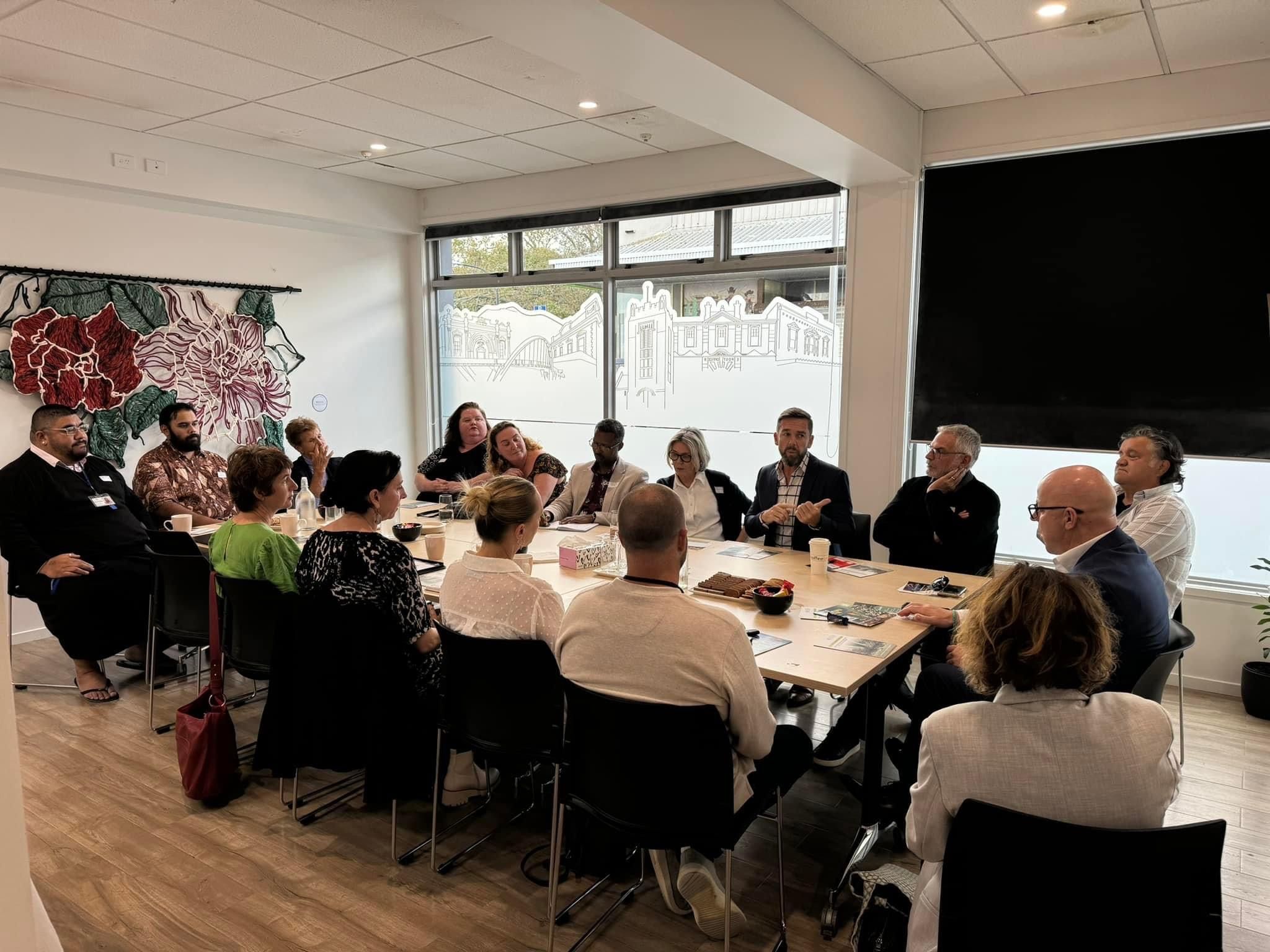
Mental Health Minister Matt Doocey meeting with mental health service providers in 2025. Photo/File
Doocey says the Government is also tracking mental health targets by population group rather than relying only on national results.
“If there is a region or group not meeting a target, I expect additional focus to be put into that area.”
The latest quarterly figures show almost 86 per cent of Pacific people are accessing primary mental health support within one week, above the 80 per cent target.
Nearly 87 per cent are accessing specialist support within three weeks, also above the 80 per cent target.
But Doocey says more work is needed to ensure services are culturally appropriate.
“We know there is more to do to ensure our services are culturally appropriate, and I am committed to continuing to work to make sure this is happening, whether it is through the recently launched Mental Health and Wellbeing Strategy or the Suicide Prevention Action Plan, or through our general mental health plan.”
Pacific mental health service providers say wellbeing is about the whole person, including their cultural connection. Photo/File
For Wolfgramm, the real test is whether young Pacific people feel they belong.
“You were never broken, you were never a burden, and you were never outside of the village,” she says.
Providers say the challenge now is turning that message into accessible, culturally grounded support before a young person’s struggle becomes a crisis.
This article has been updated to include the response from Minister of Mental Health.