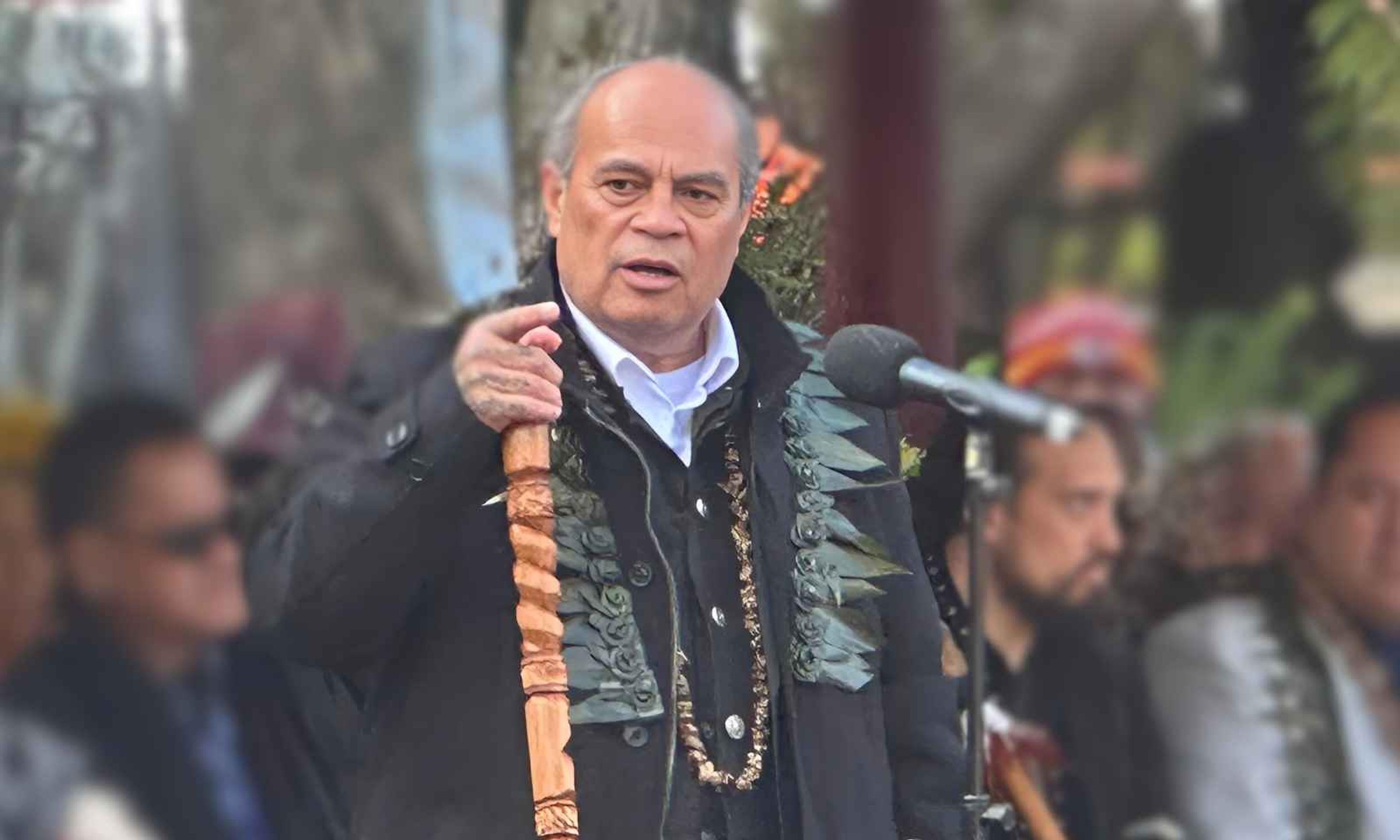
Former Pacific Peoples Minister Aupito William Sio says ACT's proposed public service reforms risk stripping away cultural knowledge and Pacific perspectives.
Photo/PMN News/file
Politics
Aupito: ACT public service plan risks stripping out Pacific cultural knowledge
The former Pacific Peoples Minister says Pasifika must be heard as ACT pushes to remove what it calls race-based hiring and cultural requirements from the public service.

Christine Rovoi
Published
17 August 2026, 10:31am
Share
Copy Link
Top stories
From Ōtara, NZ to Los Angeles: David Liti lifts up the next generation
Elton Lonaratha JnrMon, 19 Oct
Washington warnings mount as four Pacific nations risk loss of US aid
Christine RovoiTue, 20 Oct

'Watch out': Silver Ferns issue clear warning to Diamonds ahead of Christchurch clash
Brooke FonotiMon, 19 Oct
Top stories
From Ōtara, NZ to Los Angeles: David Liti lifts up the next generation
Elton Lonaratha JnrMon, 19 Oct
Washington warnings mount as four Pacific nations risk loss of US aid
Christine RovoiTue, 20 Oct
'Watch out': Silver Ferns issue clear warning to Diamonds ahead of Christchurch clash
Brooke FonotiMon, 19 Oct
Pacific communities risk losing valuable knowledge and experience from the public service if ACT's proposed reforms go ahead, former Pacific Peoples Minister Aupito William Sio says.
The ACT Party wants to “reset” the public service including ending what it calls race-based hiring, removing cultural requirements it considers irrelevant and stopping employers from requiring or funding practices such as karakia or prayer.
But Aupito says the debate is about more than the size or cost of government.
He says there are valid questions about whether the public service is working well. But he adds those should be answered with evidence rather than by treating culture as a problem.
“I mean it feels less like fixing the public service and more like using the public service to fight culture war,” Aupito tells William Terite on Pacific Mornings.
“There could be legitimate questions about the public service size, but those questions should be answered with evidence about what improves services and not by turning te reo Māori and tikanga into symbols of bureaucratic failure.”
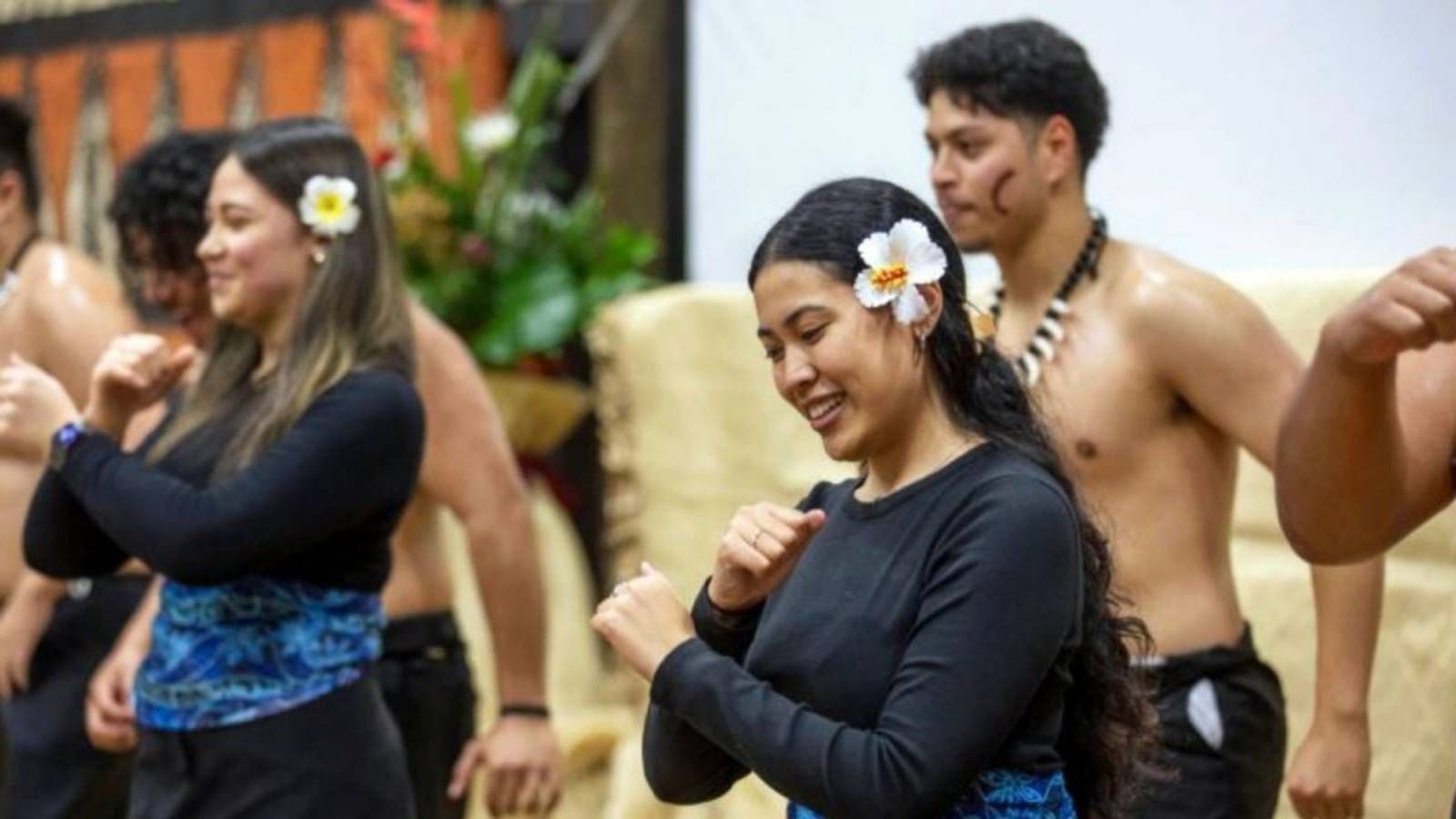
Pacific language, culture and lived experience are being debated as ACT pushes for changes to cultural requirements across the public service. Photo/University of Auckland
Aupito says cultural knowledge is part of how public servants understand and serve the communities they work with.
“Te Reo Māori isn't political ideology. It's an official language of this country.”
He says there is also a difference between stopping compulsory religious observance and removing cultural practices from public life.
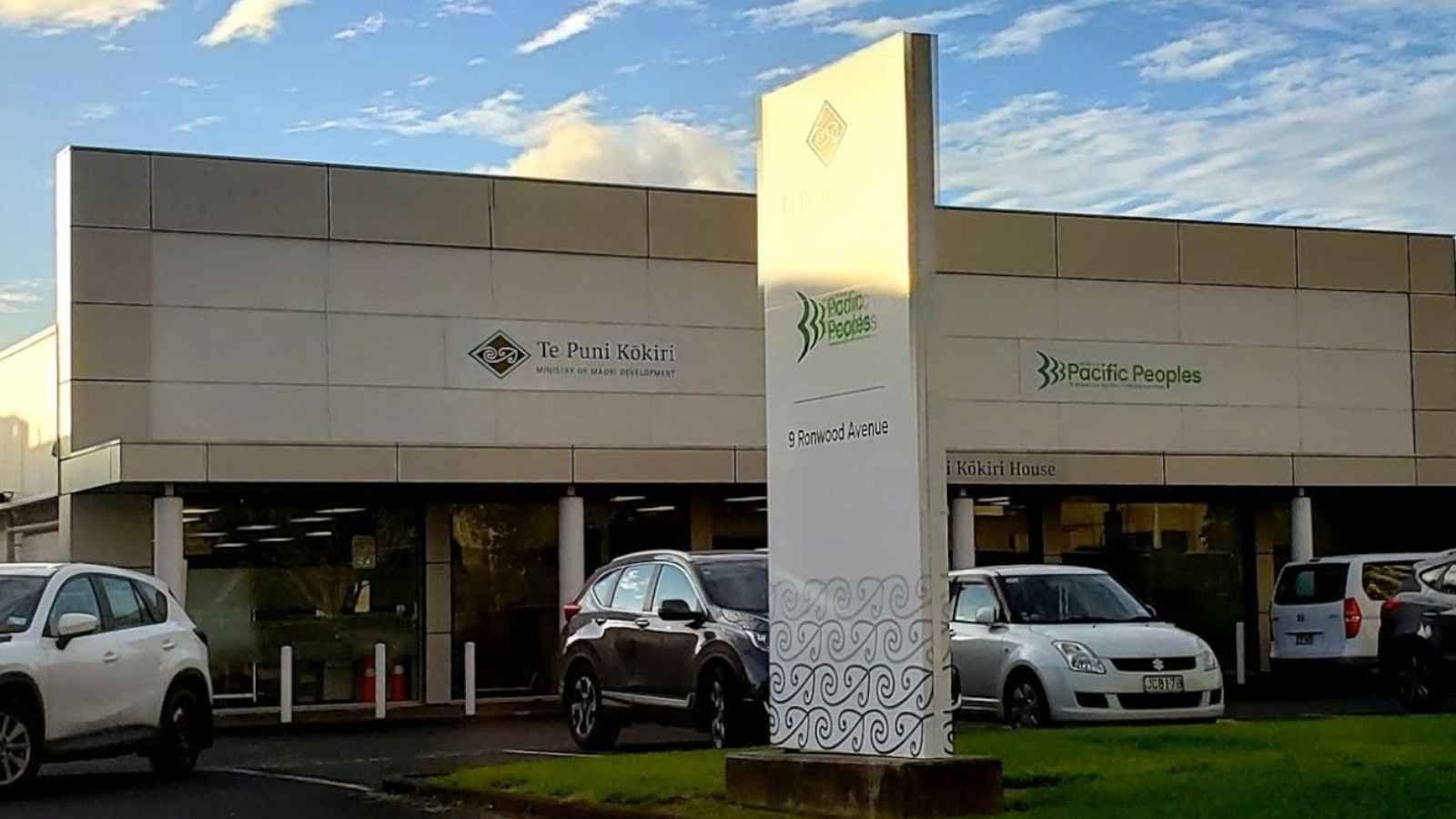
The Ministry for Pacific Peoples is at the centre of debate over the future of Pacific-focused government services and representation. Photo/Supplied
For Pacific communities, Aupito says language, culture and lived experience can bring skills that may not be obvious on a traditional CV.
“Yeah, we bring a different perspective. We bring added value.”
He says Pacific cultural knowledge can also be an advantage for New Zealand as it builds relationships across the region and with countries in Asia.
“Language and culture is something that the rest of the world, particularly when you look to Europe and Asian countries that New Zealand is trying to, you know, engage in an economic trade agreement, those countries celebrate it and see it as an added value.”
Aupito says New Zealand should not be trying to remove the very cultural strengths that can help it engage with the wider world.
“And here we are, we're wanting to engage with the cultural world, and yet we're trying to destroy the very thing that would add value to those negotiations.”
Listen to Aupito William Sio's full interview below.
ACT has previously argued on Pacific Mornings that the public service needs fewer departments and clearer lines of responsibility.
ACT leader David Seymour said the goal was to make it clear who was responsible for delivering results.
“So over there, you know who's in charge, you know who you're reporting to, the voters know which minister is responsible for getting a result.”
Seymour was speaking during a debate over the future of the Ministry for Pacific Peoples.
Aupito also rejects the argument that a smaller public service is automatically a better one. “The question is what capability disappears and who pays the price?”
He says a public service should reflect the communities it serves and have the skills needed to deliver services effectively.
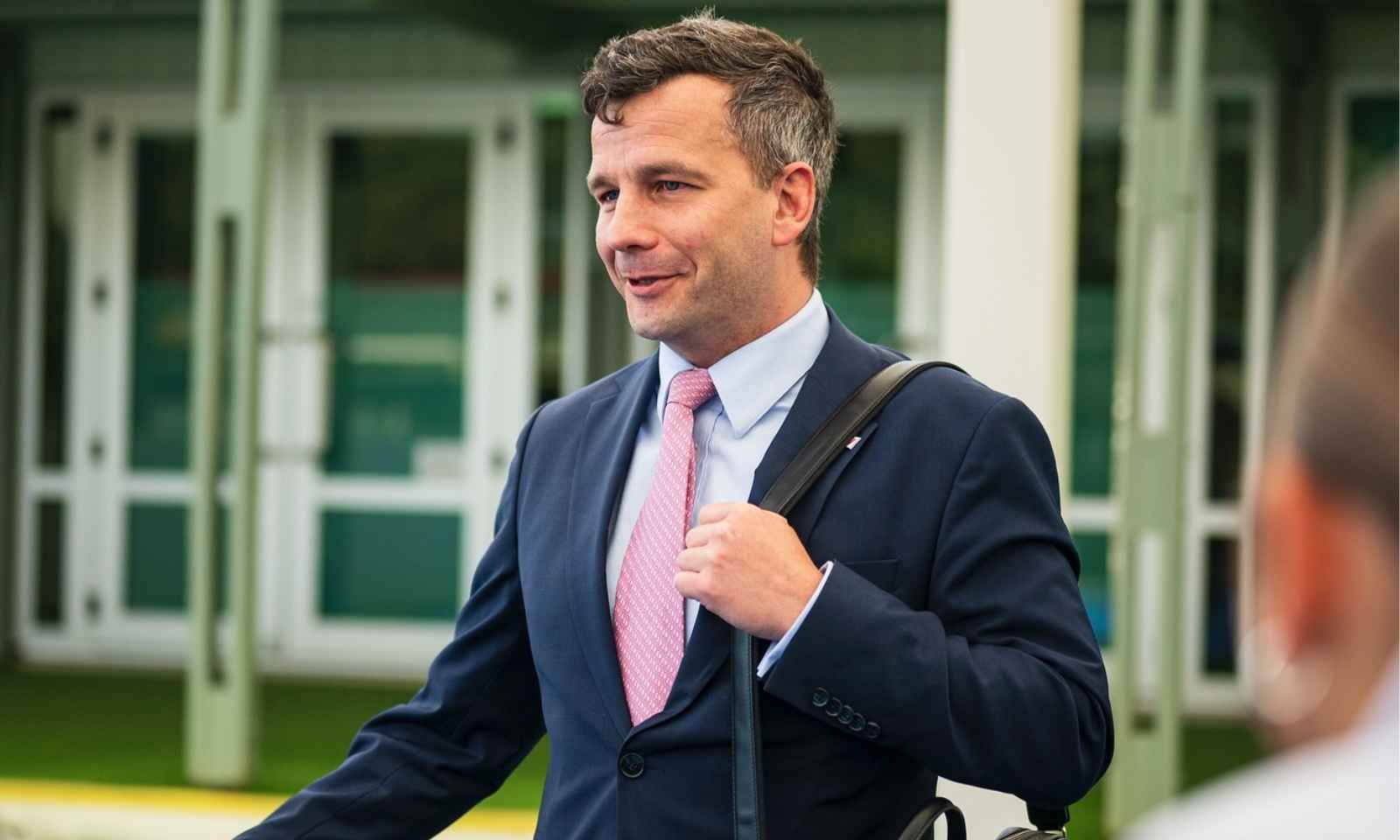
ACT leader David Seymour says the public service needs clearer lines of responsibility and greater focus on delivering results. Photo/Supplied
“New Zealand's public service should reflect New Zealand, our languages, our history, and the community it serves.”
He says treating everyone in exactly the same way does not always lead to equal outcomes when people's circumstances are different.
“And if you strip out cultural capability, you don't remove politics from the public service. You remove knowledge from it.”
Former Equal Employment Opportunities Commissioner, Saunoamaaliʻi Dr Karanina Sumeo, says the public service should not be viewed simply through a business lens, particularly in a country as culturally diverse as Aotearoa New Zealand.
“From a Pacific perspective (at least) the public service is not a business; it exists to serve, respect, protect and uphold the best interest of all in our diverse society who also happen to be shareholders & stakeholders in our nation,” she told Terite.
Sumeo says cultural knowledge and lived experience bring value to the public service that cannot always be captured through formal qualifications.
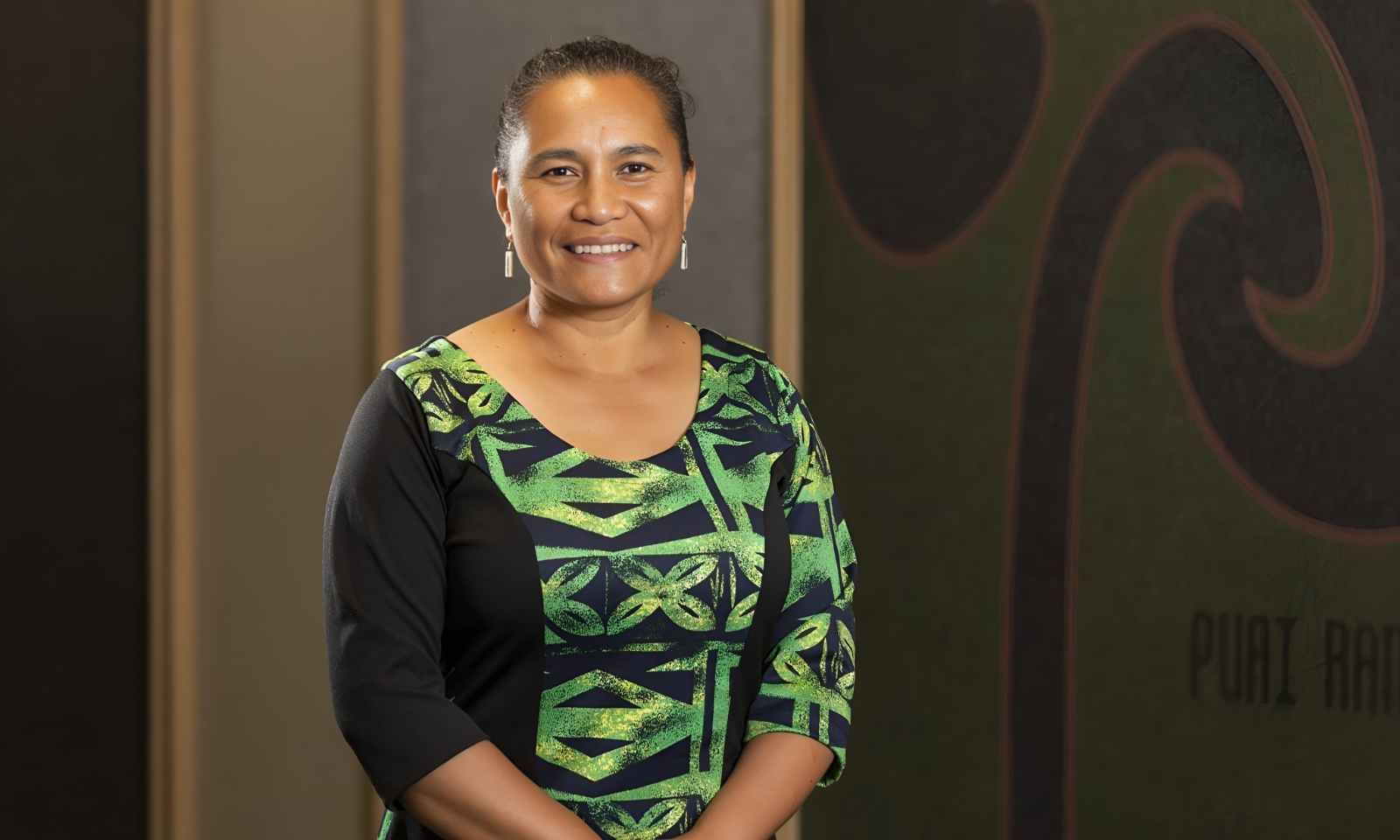
Former Equal Employment Opportunities Commissioner Dr Karanina Sumeo says cultural knowledge, lived experience and relationships bring valuable skills to New Zealand’s public service. Photo/New Zealand Human Rights Commission
“A culturally rich public service workforce equips the state with identity/lived experience/style/relationships & professional skills that can’t be taught via a degree but are valuable to servicing the needs of the diverse public, on behalf of the state.”
She also questions the way the debate around "race-based' policies is being framed.
“The ‘race-based anything’ line I feel is being used to cover up intentions to perpetuate unequal opportunity, preserve traditional privilege (economic, political, social, cultural).”
Green MP Teanau Tuiono has also warned that cutting Pacific-specific services risks losing support designed around the needs of Pacific communities.
Speaking on Pacific Mornings earlier this year, Tuiono said the Government was cutting Pacific-specific programmes and cultural support.
“We need specific, culturally appropriate programmes to support our people.”
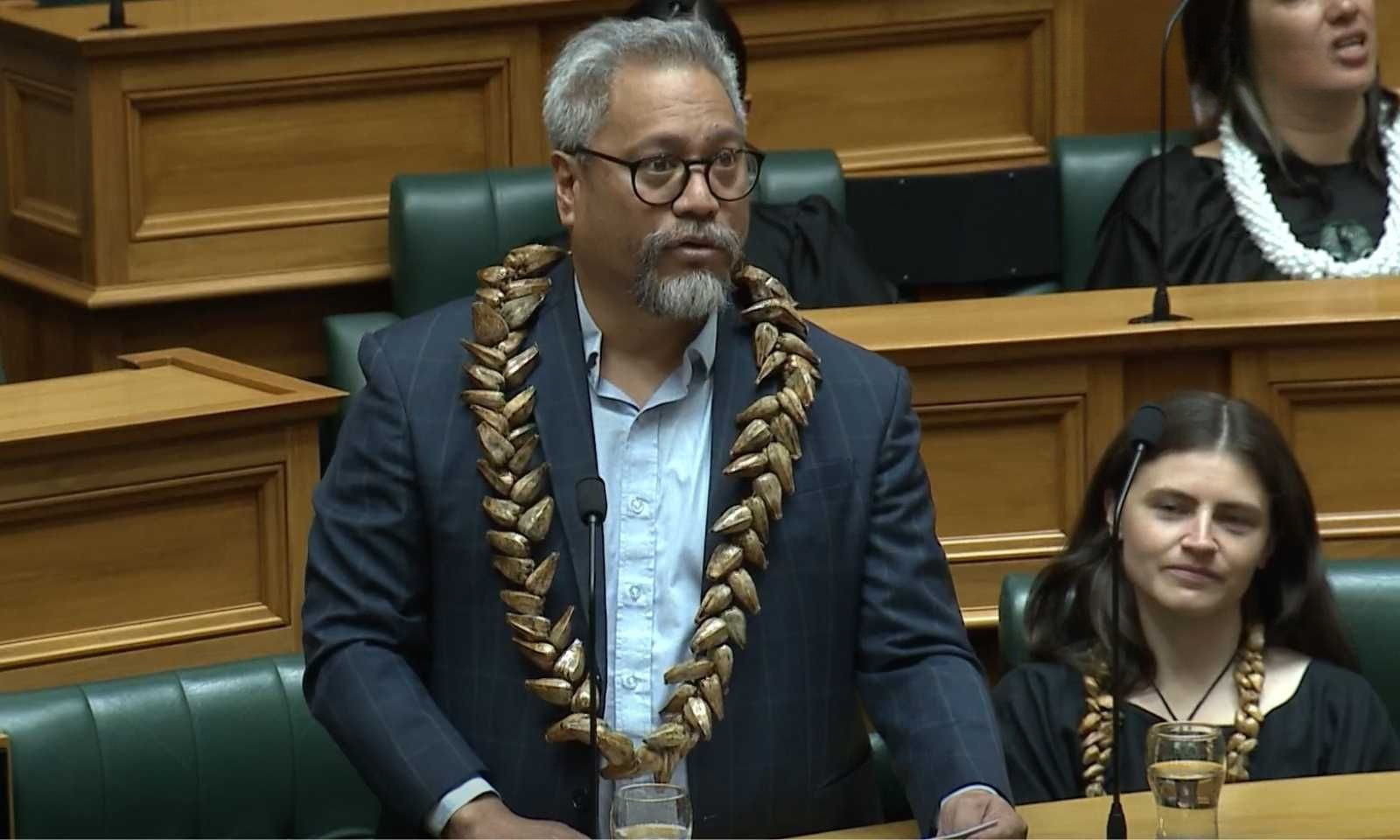
Green MP Teanau Tuiono says Pacific communities need specific, culturally appropriate programmes and support. Photo/Parliament TV/screengrab
Tuiono said Pacific communities should not be expected to rely only on broader government services that may not be designed around their needs.
Aupito says the debate should also be a chance for Pacific communities to make their voices heard about the future of Aotearoa New Zealand.
“I think for the Pacific, we really, this is the time to make our voices heard about what kind of government do we want to see, what kind of future do we want to build for our children and the future of Aotearoa New Zealand.”
He says a strong public service remains essential to delivering health, education and other services and needs people who understand the communities they serve.
“You need a robust public sector to deliver it, and you need people who are doing the work, who understand the people that they're serving.”
The debate now puts a bigger question before Pacific communities: whether a public service built around equal treatment can also recognise the different languages, cultures and experiences of the people it is there to serve.