
Pacific Rugby Council officially secures voting rights with NZ Rugby
Latonya Lole, Sports ReporterThu, 11 Dec
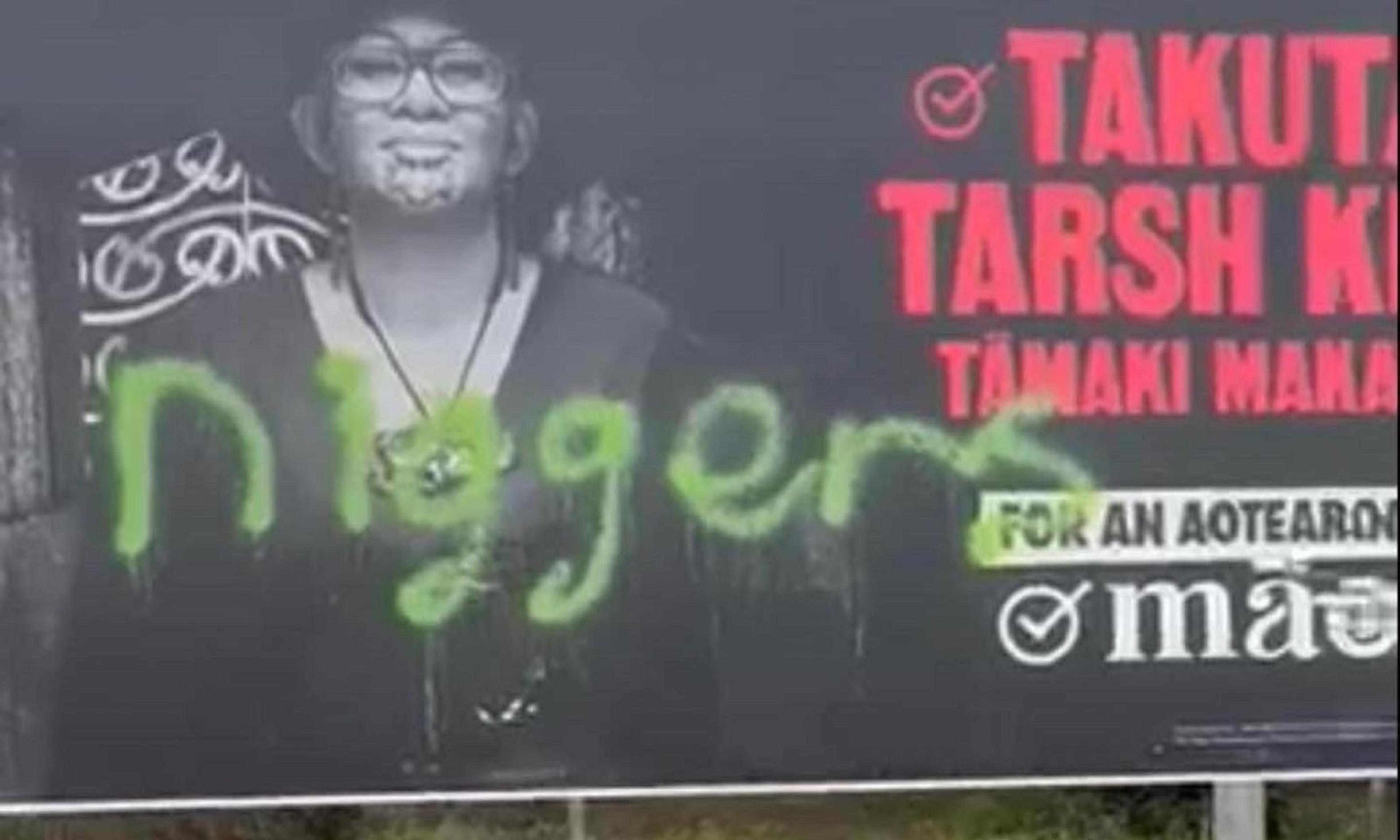
There are fears racist rhetoric could fuel further attacks on Pacific and Māori peoples.
Photo/ David Letele Facebook
Race relations commission urges politicians to choose words carefully, in a bid to curb race-baiting and division on their path to government




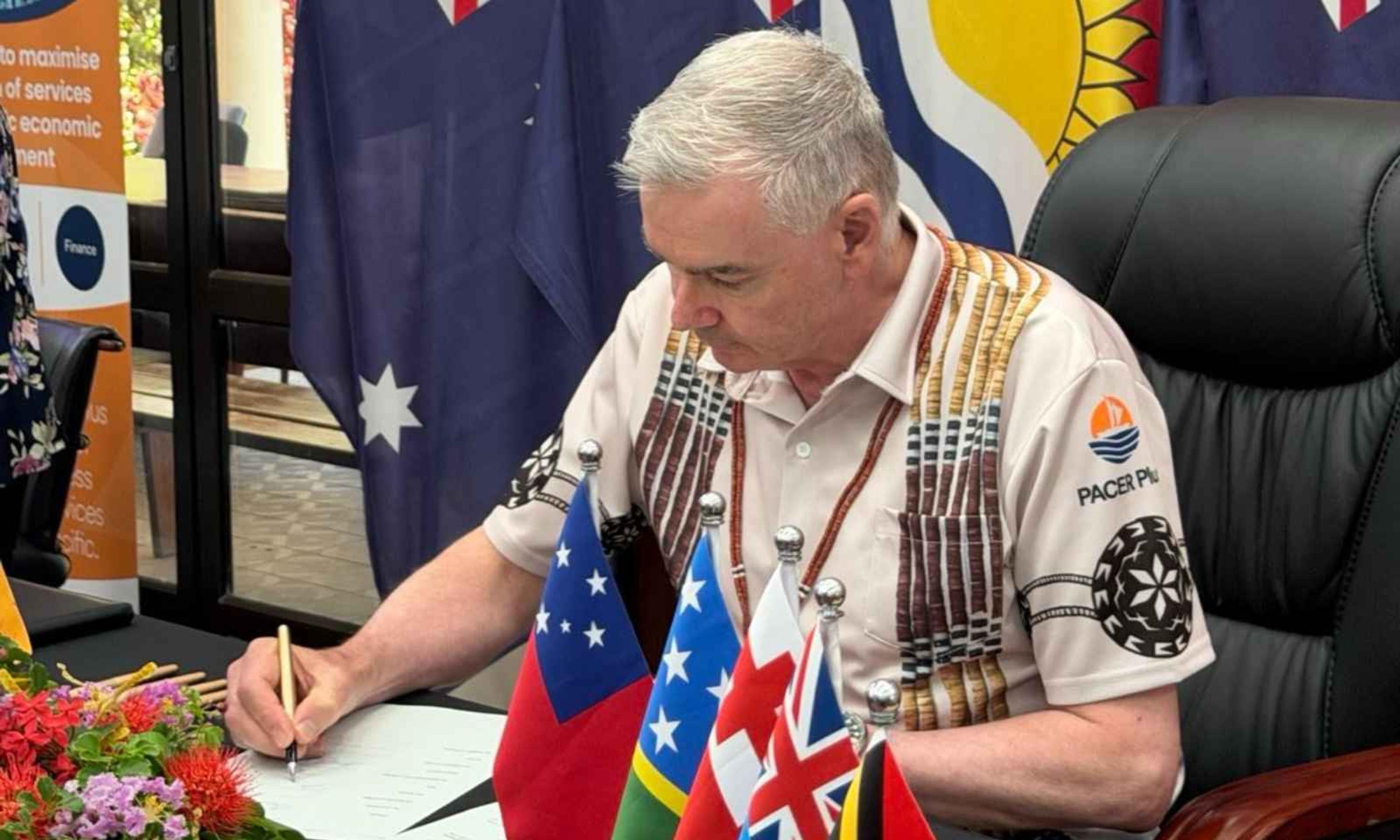
Politicians are being asked to be more careful about what they say, following concerns there's been escalation in racist rhetoric by both candidates and supporters.
The ACT party is campaigning on ending race-based policies, while the National Party is promising to ensure people receive health services based on need, rather by ethnicity.
Speaking on 531pi, Acting Race Relations Commissioner Saunoamaali'i Dr Karanina Sumeo says they’re fielding a number of concerns from the public regarding the recent attention on Māori and Pacific issues.
“We don’t want people to feel that they’re going to miss out, we have fundamental rights for everyone, but already there is inequality, especially for Pacific people, and we want that to end.
“So we need our political leaders to please think about the words that they’re saying.”
Green Party candidate Teanau Tuiono says it’s been a toxic election campaign.
“You’ve seen it with vandalising of billboards and the sorts of comments that people are leaving. Some of the candidate [events] that I’ve been at, people have said racist things and that’s not good that we’ve seen the politics dragged in that direction.”
Speaking to Levi Matautia-Morgan on Pacific Mornings, Saunoamaali’i says more education is needed for the wider population to understand how ethnicity can be a factor in social outcomes such as health.
“We got a number of calls and complaints from members of the public who feel concerned that, in their eyes, that’s not equal treatment. But perhaps if they understood that already, we are unequal.”
Saunoamaali’i says politicians may not be aware they are making racist comments, but it's causing harm and division.
“We have to not have this one blanket way of talking about issues, because people come with different experiences and different backgrounds and - those who’ve suffered trauma in terms of racism, colonisation, sexism, they may take your comments in a different way to someone who hasn’t experienced that.”
When words become actions
Meanwhile, police are investigating five reports of concern about behaviour towards Te Pāti Māori candidate Hana-Rāwhiti Maipi-Clarke, but have been quick to say the incidents are not racially motivated.
Saunoamaali’i says inflammatory comments can be dangerous, and it’s not just about race.
“It’s racism, it’s sexism, and I’m also hearing some rhetoric that tends to target those who are less advantaged, like beneficiaries, so it’s the combination of those things that make me worried.”

Acting race relations commissioner Sauanoamaali'i Karanina Sumeo is telling politicians to be careful about what they say. Photo/File
Last week, 17 Māori leaders signed an open letter to politicians, saying leaders have a responsibility to call our racism and race-baiting and publicly condemn it.
Brown Buttabean Motivation founder Dave Letele was one of the signatories, calling comments from David Seymour, Winston Peters and their MPs an "absolute disgrace".
“Stop using Māori as your political football, and stop creating division. ACT and New Zealand First have dragged New Zealand into blatant, race-related politics. Attack on beneficiaries, knowing that over a third are Māori, attack on Māori over Three Waters, on Māori over bi-lingual signs, on gangs … does that sound like trying to bring New Zealand together?”
Voting for the future
New Zealand’s population is changing, with forecasts showing one in five children will have Pacific heritage by 2038, and the Māori population will surpass one million.
Saunoamaali’i says it's crucial to build an inclusive future that has equitable outcomes for Pacific and Māori peoples.
“When you look at the ongoing economic prosperity of our country, it’s a brown demographic that’s going to be paying taxes, building our businesses, helping this country be prosperous.
“This is not the time to make them feel scapegoated, because what happens? They leave … and that’s a huge loss to our economy, that’s a huge loss to us as a country.”