Seymour targets office karakia as Aupito warns of a ‘culture war’
Thomas Tarurongo WynneFri, 23 Oct
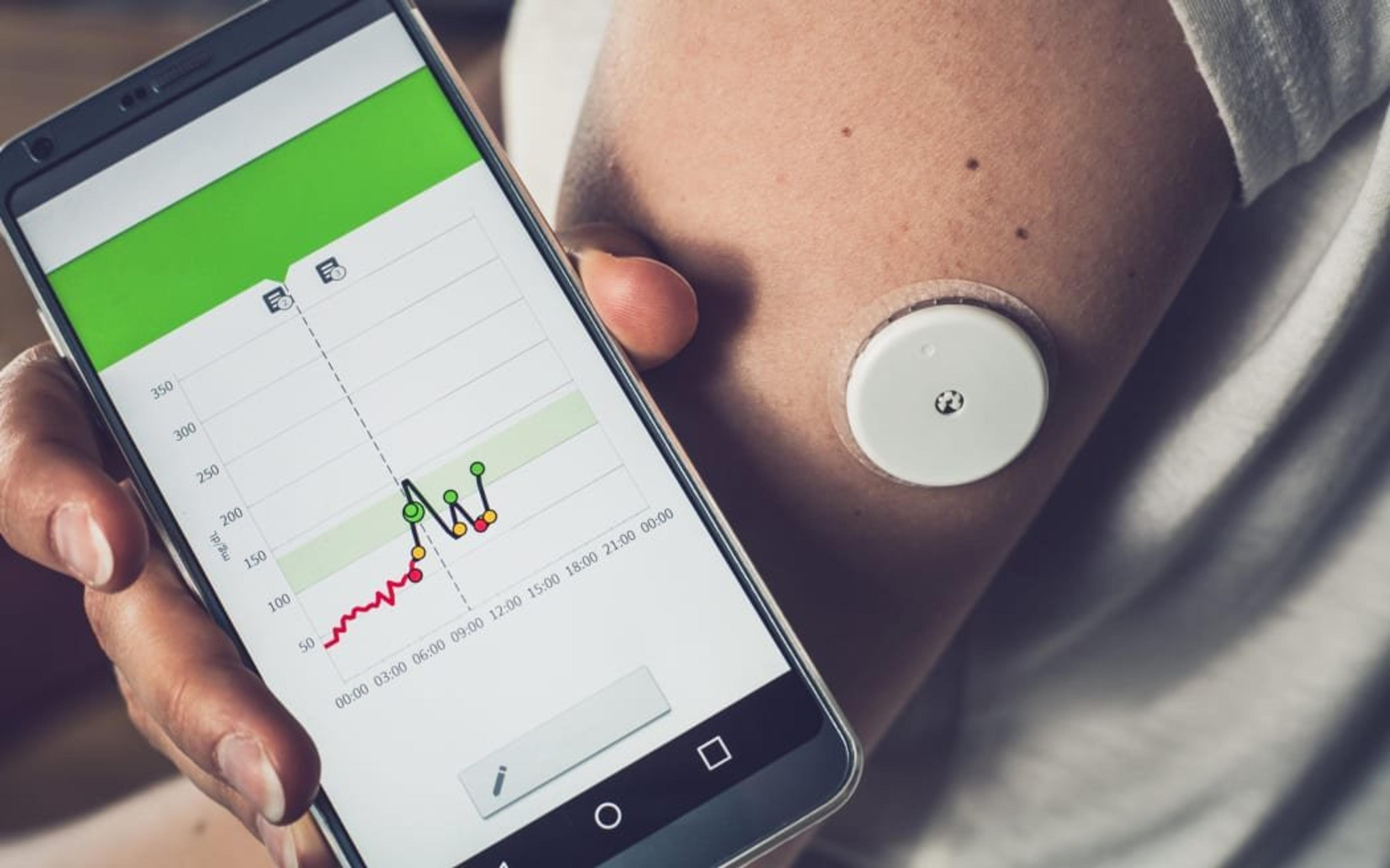
According to the Health Quality & Safety Commission’s Atlas of Healthcare Variation, around 12.5 per cent of Pacific adults in Aotearoa live with diabetes.
Photo/Diabetes NZ
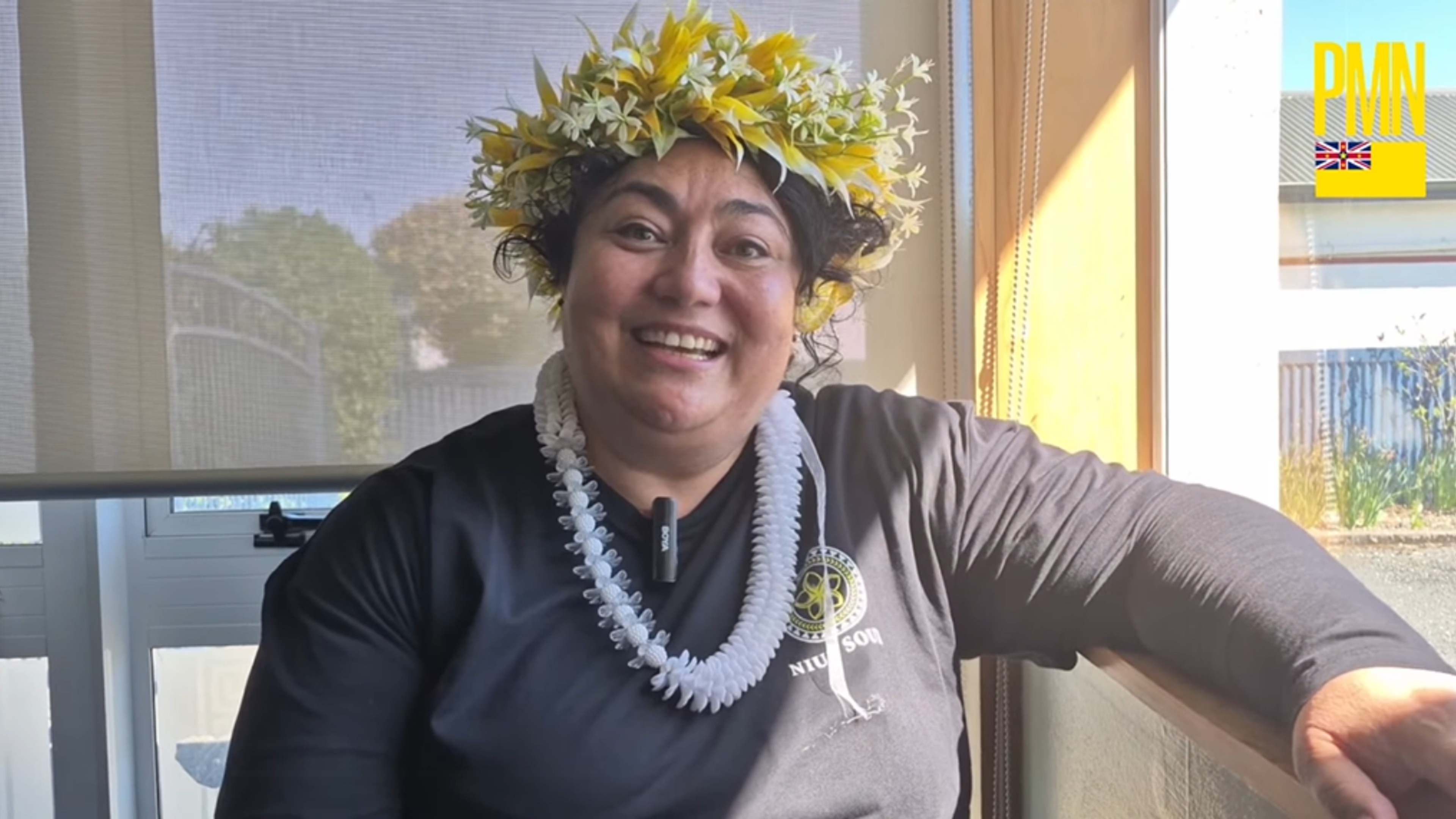
Amy Maslen Miller is combining traditional Sāmoan knowledge with modern science to offer a more balanced, culturally grounded path to diabetes prevention.

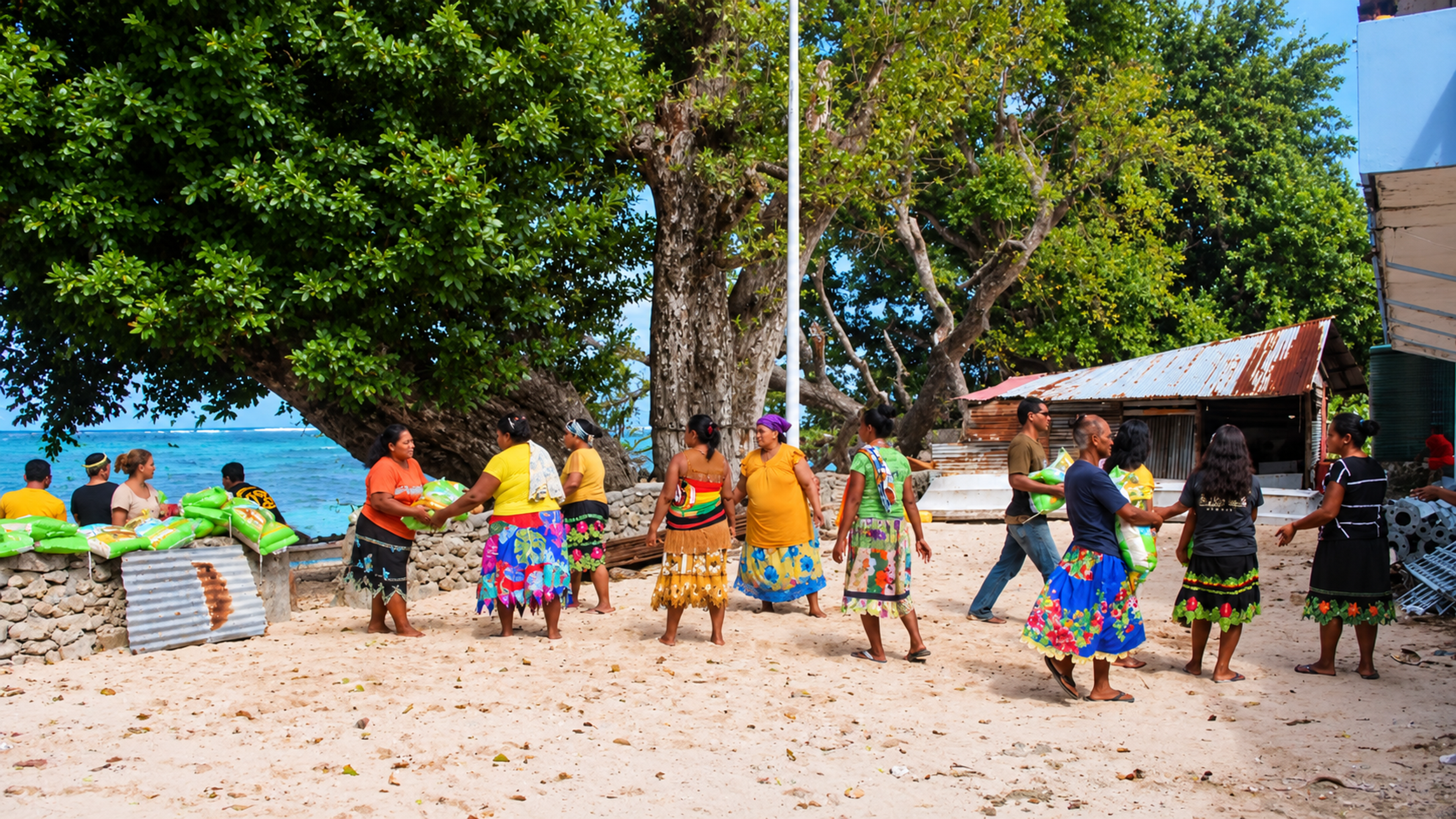
A Pacific researcher is pioneering a new approach to diabetes prevention by combining traditional Sāmoan knowledge with modern science, offering hope for Pasifika communities facing some of the highest rates of the disease in Aotearoa, New Zealand.
Amy Maslen Miller is a Sāmoan PhD student whose research examines how island food knowledge, dietary habits and genetics influence metabolic health.
Diabetes New Zealand (DNZ) estimates that over 323000 people currently live with diabetes nationwide, which is double in recent decades and continues to climb. DNZ says these numbers point to a widening public-health challenge affecting every community, and highlights the need for both culturally grounded and scientifically robust prevention strategies.
A 2025 modelling study published in the New Zealand Medical Journal projects diabetes prevalence could rise by nearly 90 per cent by 2044, with more than half a million New Zealanders expected to be living with the condition.
According to the Health Quality & Safety Commission’s Atlas of Healthcare Variation, around 12.5 per cent of Pacific adults in Aotearoa live with diabetes, one of the highest rates of any population group. Among older Pacific people, nearly 48 per cent of Pacific adults aged 65 to 74 have diabetes, including 47.7 per cent of Sāmoan adults in that age group.
Miller is nearing the end of her project, which has involved Sāmoan women taking part in clinic assessments that measured blood samples, body composition, and metabolism, alongside talanoa or conversations around traditional foods.
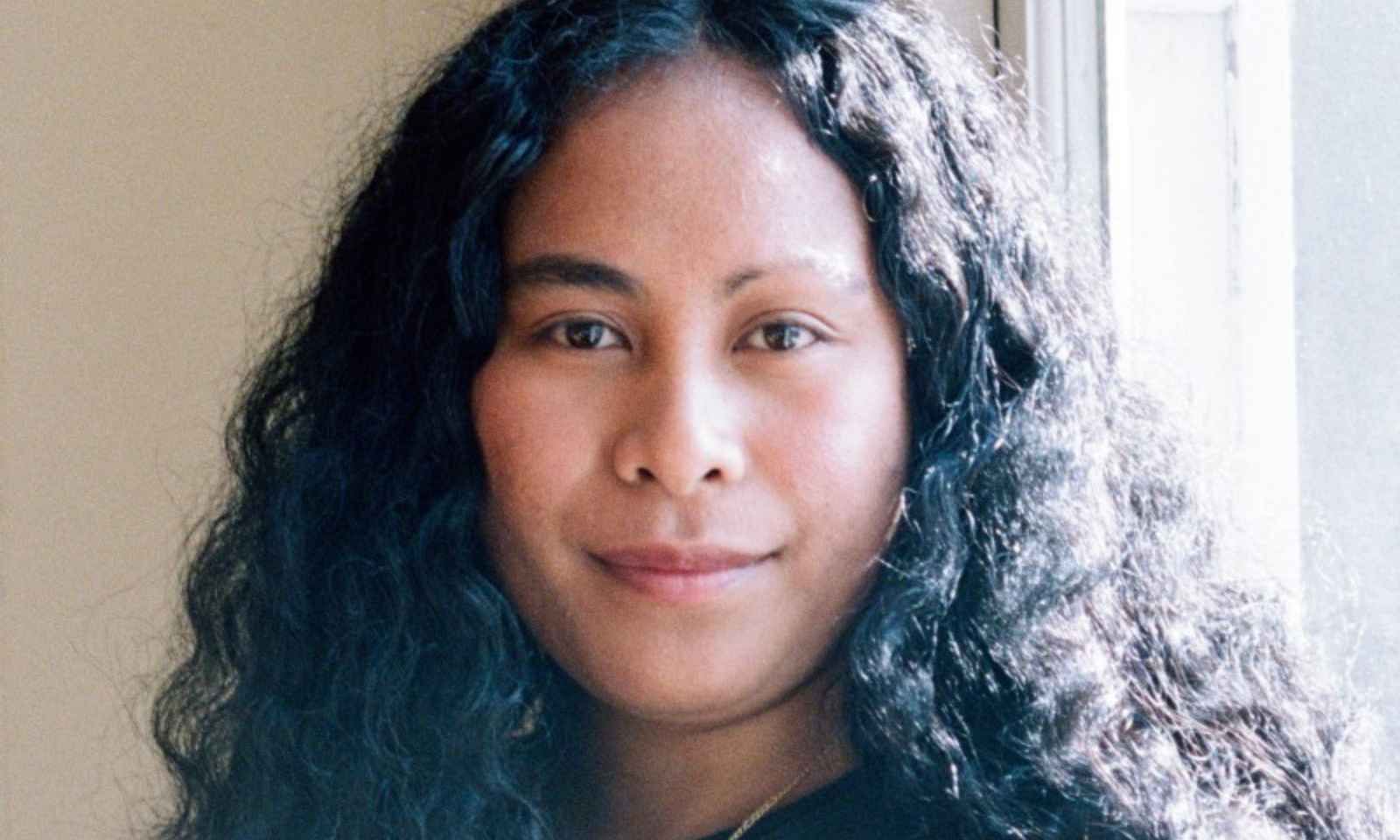
Amy Maslen Miller. Photo/LinkedIn
The results are already informing practical health strategies. Miller has created culturally tailored resources to help families make healthier choices without abandoning traditional diets. She hopes this approach will empower communities to prevent type two diabetes and improve long-term health outcomes.
“I've used Western science in terms of the biomarkers and the genetics, but also our Samoan traditional knowledge. When combining these two together, I found that my thesis has been really powerful because I'm able to provide a balanced view in terms of addressing type 2 diabetes and potentially for other metabolic diseases,” Miller says.
“I found it really beneficial to have the voice of our Sāmoan women documenting what our Sāmoan traditional foods are, and then me as a scientist, developing Western scientific skills to understand the science behind our Sāmoan women and their genetics.”
Watch Amy Maslen Miller’s full interview below.
Miller’s work draws on a unique Sāmoan seasonal calendar, documented by Penehuro Fatu Lefale and George Turner, a 19th-century missionary and author. The calendar tracks foods in abundance, environmental indicators and seasonal changes.
“While these seasons don't really match up to our seasons nowadays, it's a really great documentation of the immense knowledge our ancestors had of the environment.”
Miller’s research also reflects her personal journey. Adopted into a New Zealand family but biologically Sāmoan, she says navigating both identities was difficult, and at times she “didn't really feel Sāmoan enough”.
Miller says university allowed her to explore her culture through science and she now sees her dual identity as a strength, believing that holding both identities allows her to contribute meaningfully to her community.
“So that started my journey in terms of carrying out my Masters where I looked at taro leaf blight disease and now my PhD work, which is understanding our Sāmoan traditional knowledge and traditional foods.
“This research is to create health advice and resources that are realistic for people's lives. So packaging that knowledge and giving it back to our community so that they can use these skills to help influence their lives in terms of healthy eating and exercise. So that they can live longer for themselves but also for their family.”