Seymour targets office karakia as Aupito warns of a ‘culture war’
Thomas Tarurongo WynneFri, 23 Oct
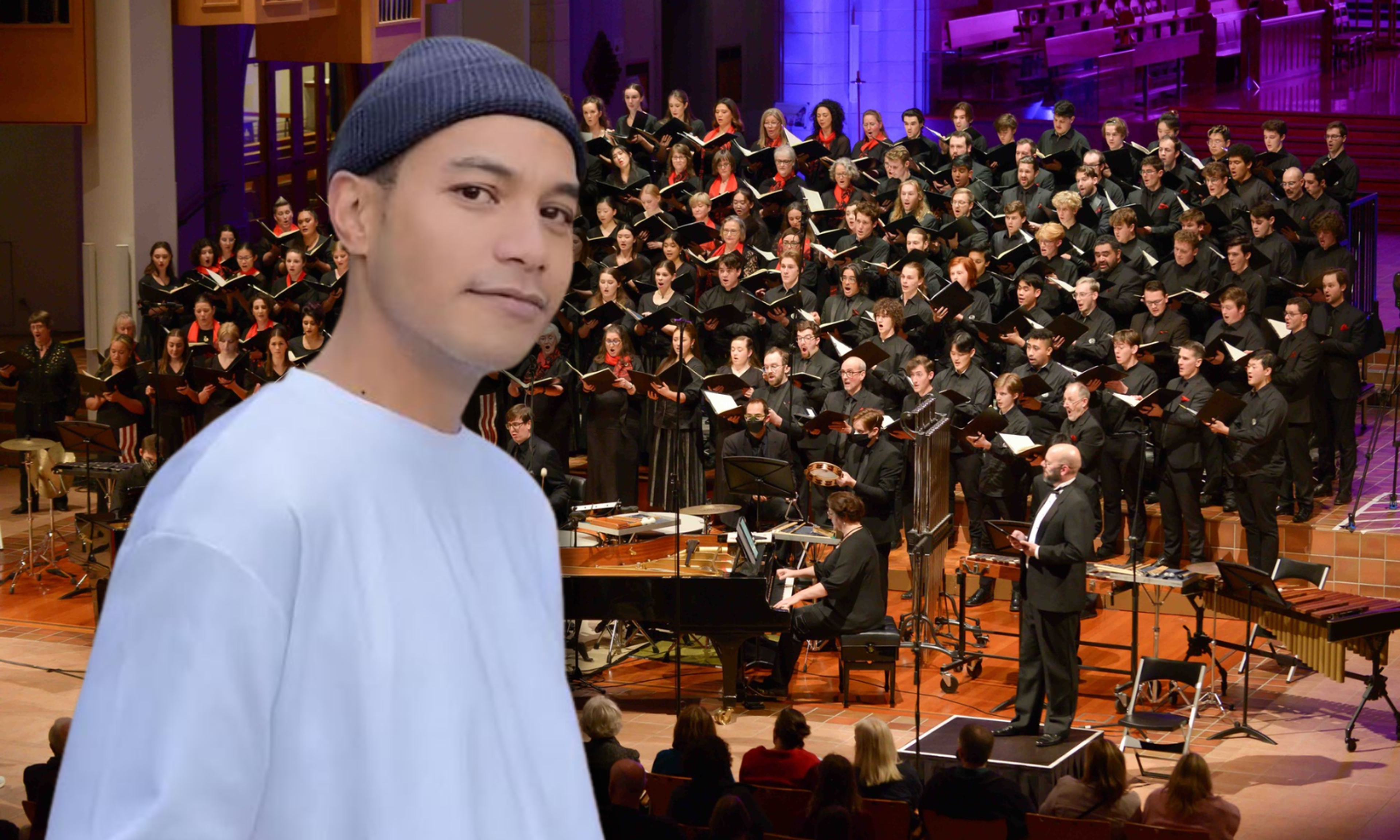
William Kingi is the Pacific Navigator for Choirs Aotearoa New Zealand.
Photo/Facebook/PMN Composite
South Aucklander William Kingi is breaking barriers in Aotearoa’s choral scene, creating space for Pacific languages, music, and culture.

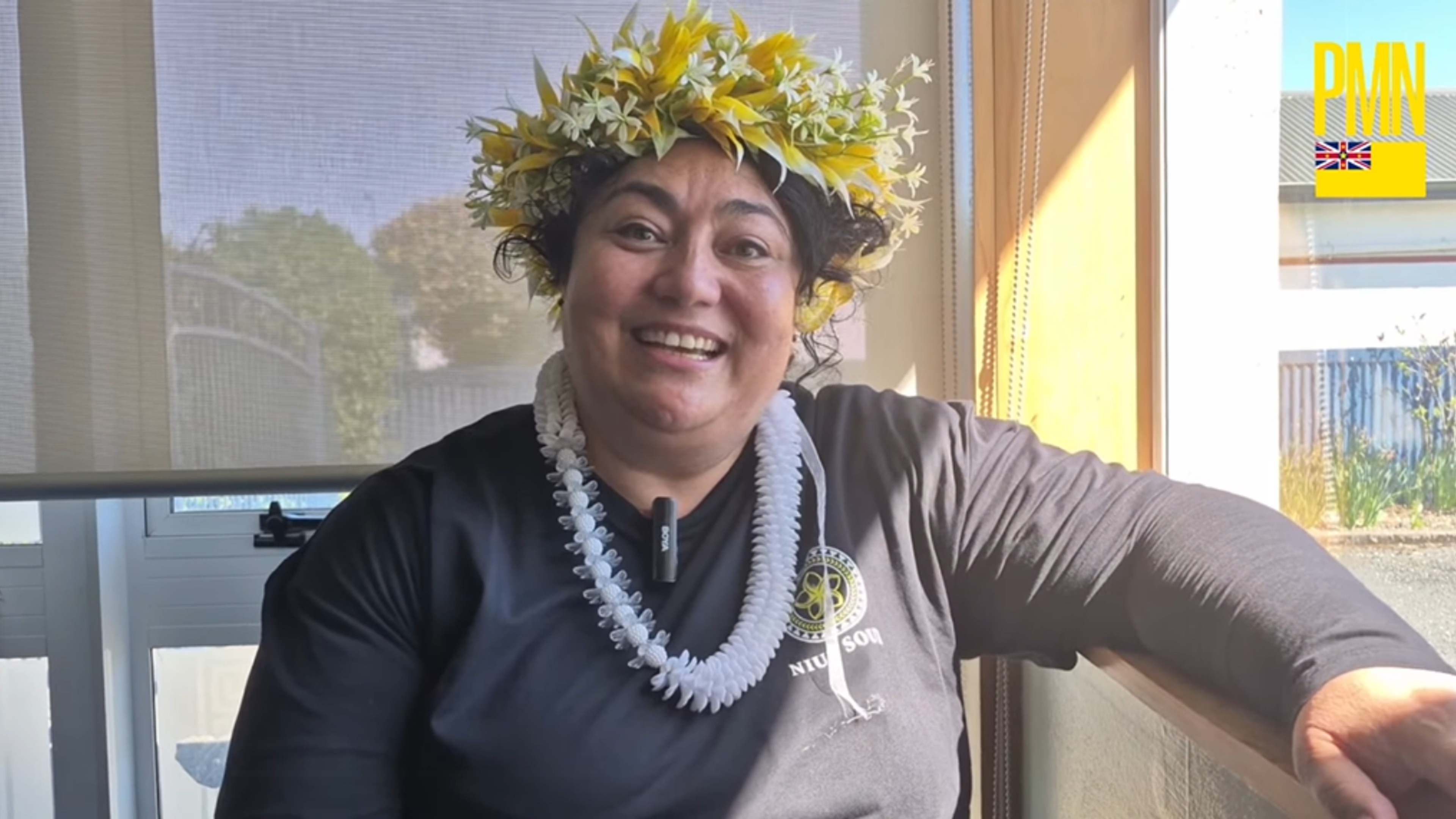
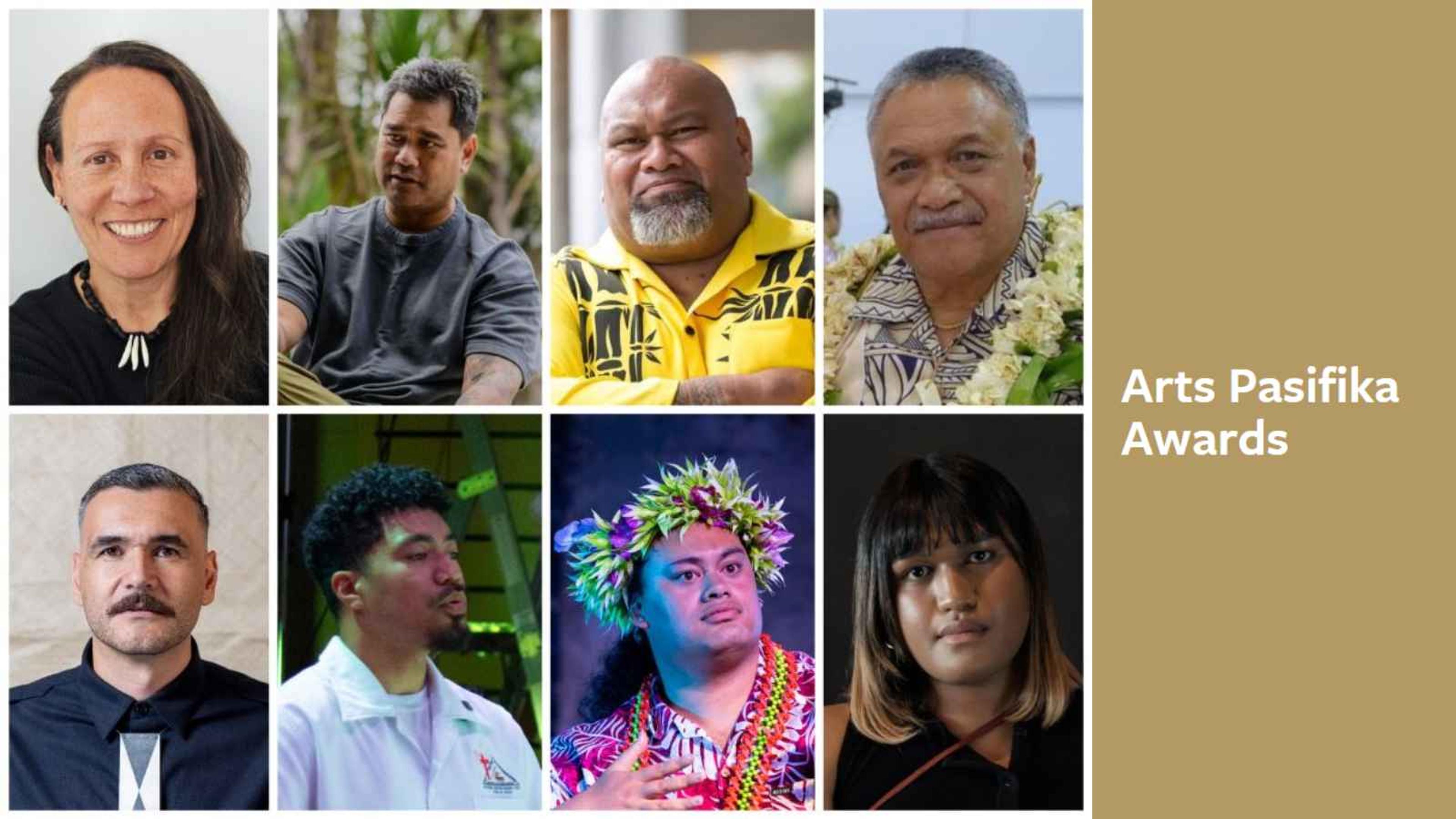
When Niuean South Aucklander William Kingi (Tamakautoga, Hakupu) was named Choirs Aotearoa New Zealand’s (CANZ) first-ever Pasifika Navigator, it marked more than a personal milestone.
It signalled a turning point in our nation’s choral world, where Pacific voices, languages, and artistry are finally stepping confidently onto national stages.
Supported by Creative New Zealand, the new role empowers Kingi to “continue to amplify Pasifika voices” and further develop CANZ’s Pasifika strategy.
Speaking on Pacific Days, Kingi says the appointment is deeply meaningful.
“I think of my parents when they migrated to New Zealand…what an awesome way to honour them,” he says. “To be part of this shift, this really pivotal moment, is really, really awesome.”
The Pacific Navigator role builds on work that began early last year when CANZ launched a three-phased plan to better connect with Pacific singers, conductors, and communities.
Watch William Kingi's full interview below.
In 2024, the organisation launched a Pasifika Intern role for Kasi Valu, a Tongan multidisciplinary creative, followed by Kingi stepping in as Pasifika Coordinator.
Kingi says Valu’s groundwork was essential in identifying barriers and strengthening cultural competency within national choirs.
“I have to first point out that I work in the choral arts space, which already sounds very elitist and very high arts, blah, blah, blah,” Kingi says.
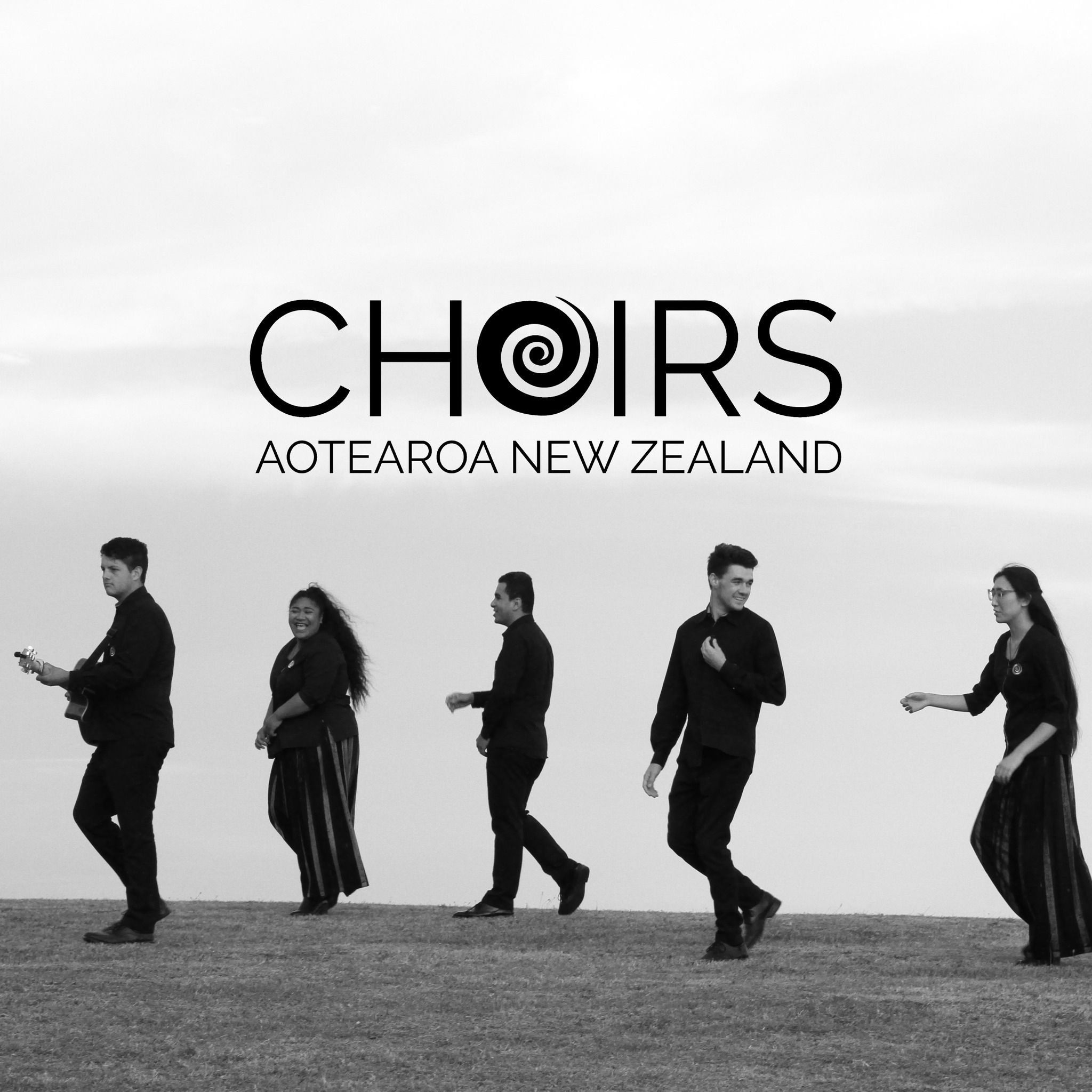
Choirs Aotearoa New Zealand. Photo/Facebook
“But to be in a choral arts space where we're not only preparing pieces like Bach or Brahms, but then to also be presenting a Sāmoan folk song, Tongan folk song, and Māori waiata, to make these spaces feel even more welcoming and more inclusive.”
Alongside relationship building, Kingi consults with organisations rooted in Pacific community development, such as Moana Connect, the Pasifika Advisory Panel for New Zealand Rugby, and Wellington’s award-winning Signature Choir.
CANZ also launched four initiatives aimed at increasing Pacific involvement: Pasifika Conducting Internship, Composer Residency, Singer Scholarship, and Outreach Intern.
Conducting interns, Enyah Talamaivao, and Samiu Uatahausi return for 2025, joined by Sistema Aotearoa’s Ane Filimoehala, who is the director, and Robertanna Moa.
Dr Andrew Faleatua, an interdisciplinary scholar from Victoria University, continues to deepen his compositional practice through collaborative efforts thanks to the mentorship of Tuilagi Igelese Ete.
Scholarships now support four Pacific singers in the Aotearoa Academy Choir, the national training choir for 15 to 25-year-olds.
For Kingi, representation means more than seeing Pacific faces on stage. It involves meaningful cultural grounding, integrity, and making space for Pasifika identity.
“It's really just about educating non-Pasifika people about the unique set of challenges we face, but also the cultural sort of richness we bring into those spaces as well.
“It's our folk song, it's our dances, it's our families as well and just making them more aware of what it means to perform Siva Sāmoa on an international [Western] stage.”
Kingi points to this year's landmark achievement, where CANZ’s New Zealand Youth Choir won the prestigious Grand Prix of Nations at the European Choir Games in Aarhus, Denmark, in July with a programme centred on Māori and Pacific. Kingi says the achievement shows the power of cultural inclusion.
Kingi hopes his role sets a precedent for similar advocacy positions in other major arts organisations like the New Zealand Symphony Orchestra, the Auckland Philharmonia, and the Royal New Zealand Ballet.
His message to Pacific youth is simple:
“You can be both. You can be proud to be Pasifika, and proud to be Kiwi…have both feet planted in those roles. Celebrate that, be yourself, remember your roots, and know you can be both and do it well.”