Seymour targets office karakia as Aupito warns of a ‘culture war’
Thomas Tarurongo WynneFri, 23 Oct
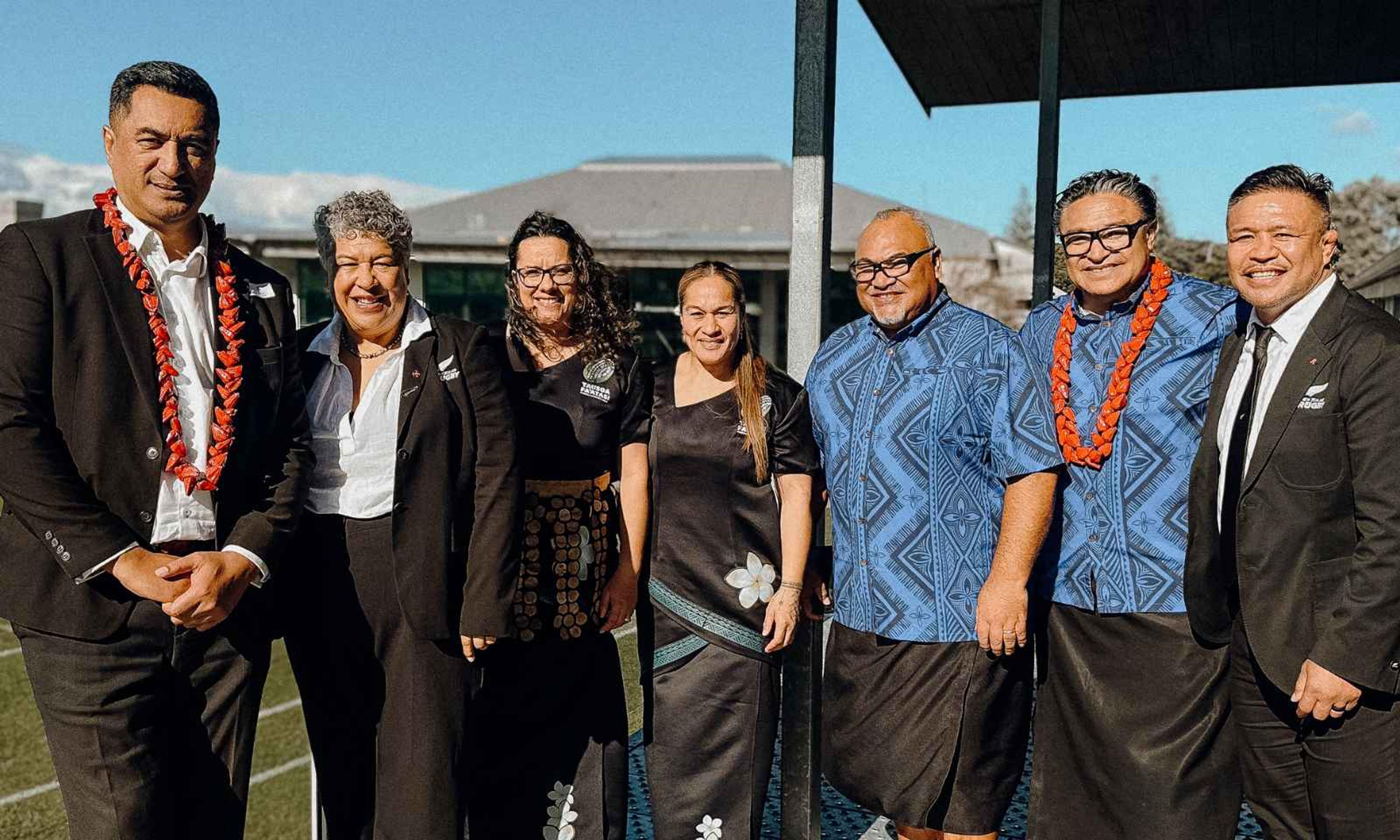
From left: Tauanu'u Nick Bakulich, Caren Rangi, Pauline Luyten, Seiuli Fiao'o Fa'amausili, Fonoti Seti Talamaivao, Saveatama Eroni Clarke, and Keven Mealamu
Photo/PMN News.
The New Zealand Pacific Rugby Council (NZPRC) has been granted official voting membership in New Zealand Rugby, giving Pasifika a stronger voice.

After four years of persistent advocacy, New Zealand Rugby (NZR) has approved the the New Zealand Pasifika Rugby Council (NZPRC) as an affiliated body of NZR.
Under the NZR constitution, the Pasifika Rugby Council will hold two formal votes and advocate for the interests of Pasifika rugby across all levels of the game in New Zealand - from grassroots to high-performance.
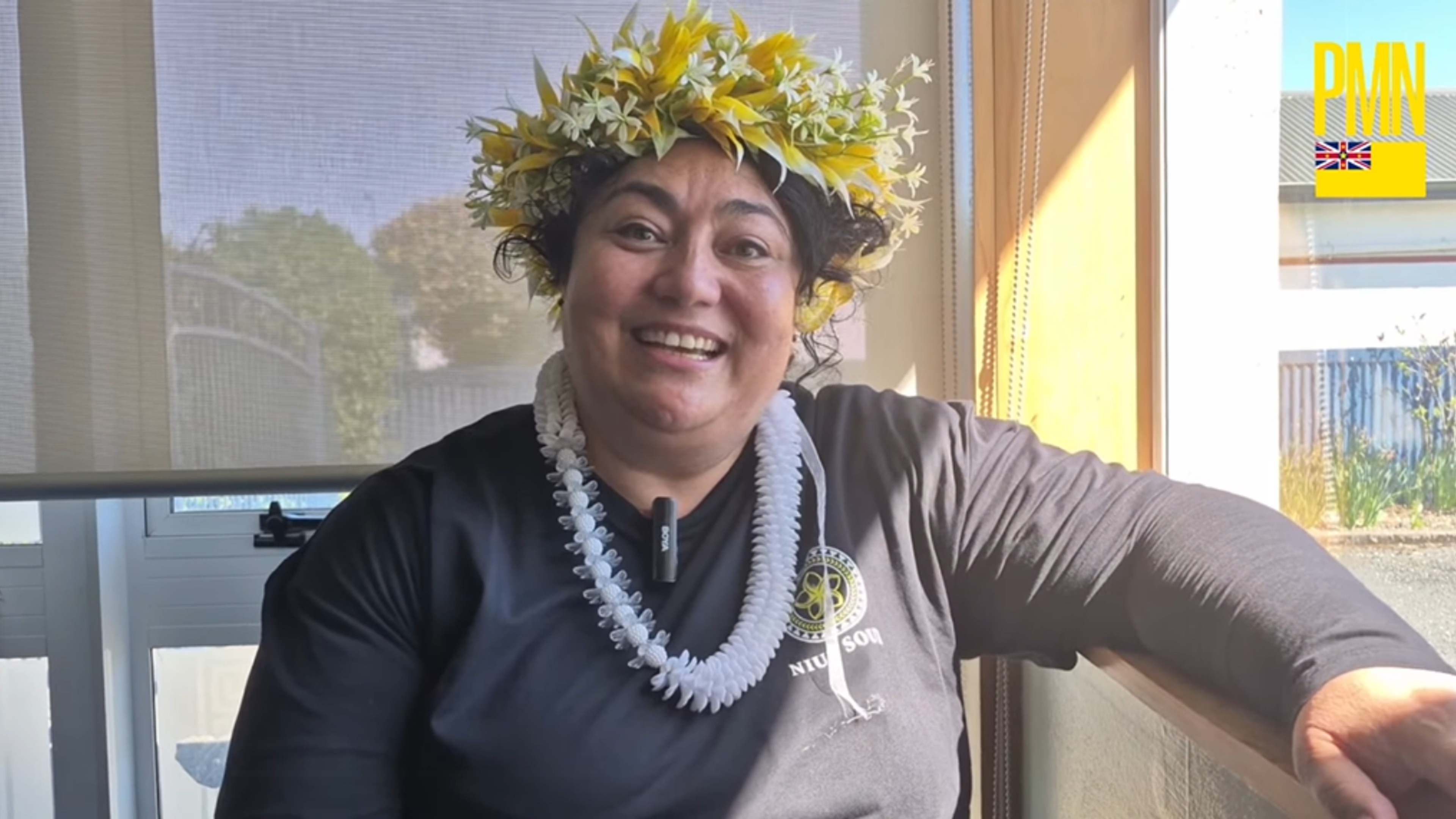
Pauline Luyten, the co-chair of NZPRC, expressed her overwhelming joy in an interview with Pacific Mornings host William Terite.
“There were tears straight away, just so happy and validated…for the contribution our Pasifika play in Rugby, and on the playing field,” Luyten says.
Founded in 2021 as an evolution of Tausoa Fa’atasi (Pasifika Advisory Group), the NZPRC was established to amplify the voice of Pacific communities in rugby and address challenges that Luyten says Pasifika have faced in the past.
In a media release, NZR chair David Kirk congratulated NZPRC, saying their inclusion guarantees that Pasifika voices are represented in NZR’s governance and decision-making processes.
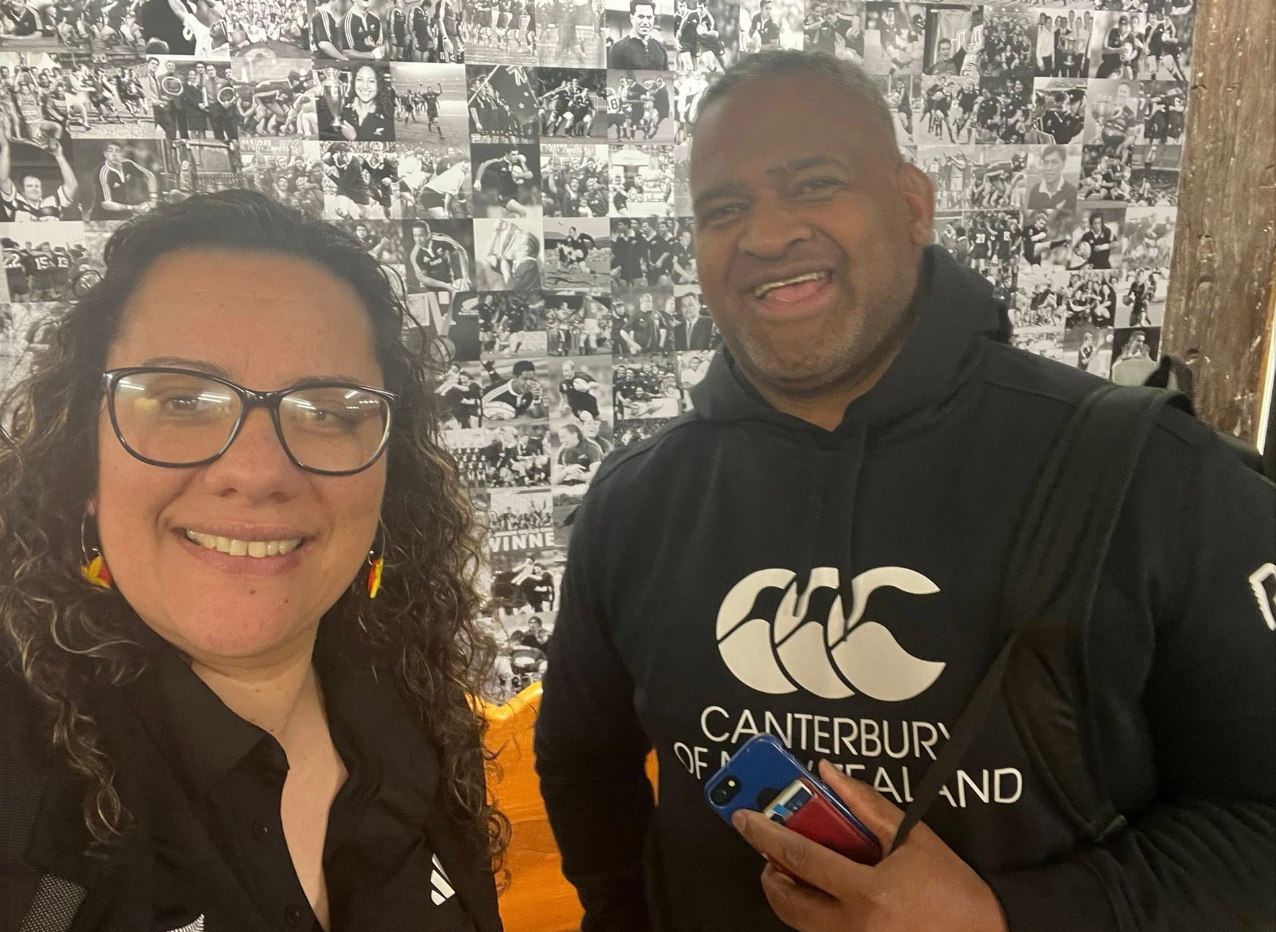
Pauline Luyten (left) and Freeman College Deputy Warden, Eric Nabalagi. Photo/Facebook
“On behalf of the Board, I’d like to welcome the Pasifika Rugby Council as an Affiliated Body of NZR and look forward to continuing the work started with the Tausoa Fa'atasi two years ago to achieve positive outcomes across the game.”
The milestone follows NZPR’s narrow miss in May, when they fell 0.3 votes short of the 61.3 needed.
Luyten says since then, the council has worked to strengthen understanding of its mission and build connections with grassroots communities.
“I think we’ve probably been able to socialise some of what we are about as an organisation,” she says. “For example, we have some of our former players, Pita Alatini and Seiulu Fia’oo Fa’amausili.

Pauline-Jean Luyten and Tauanu'u Nick Bakulich. Photo/PMN News
“They’ve been really able to connect with our grassroots because that’s where and what it’s about… We have a founding members group as well, which was about 20 of us. So it wasn’t just about the council board members themselves, it was 20 of us in the founding member group.”
The NZPRC spent months gathering community input, including sign-ups to create a wider network representing Pacific voices across Aotearoa. Luyten explains why the vote matters for grassroots players and families.
“Pasifika makes such a massive contribution to the sport … we give so much to the system from the grassroots space, NPC, right up to high performance. And we know what it’s like actually mobilising our communities.
“We’ve got a young population moving forward, the majority are actually born in New Zealand so we need to be part of the system now in a really intentional way to be able to [weave] our values right through.”
NZPRC’s first attempt at membership was rejected by the New Zealand Māori Rugby Board (NZMRB), whose chair Anne-Marie Jackson cited concerns over “tikanga” or cultural protocols not being fully followed.
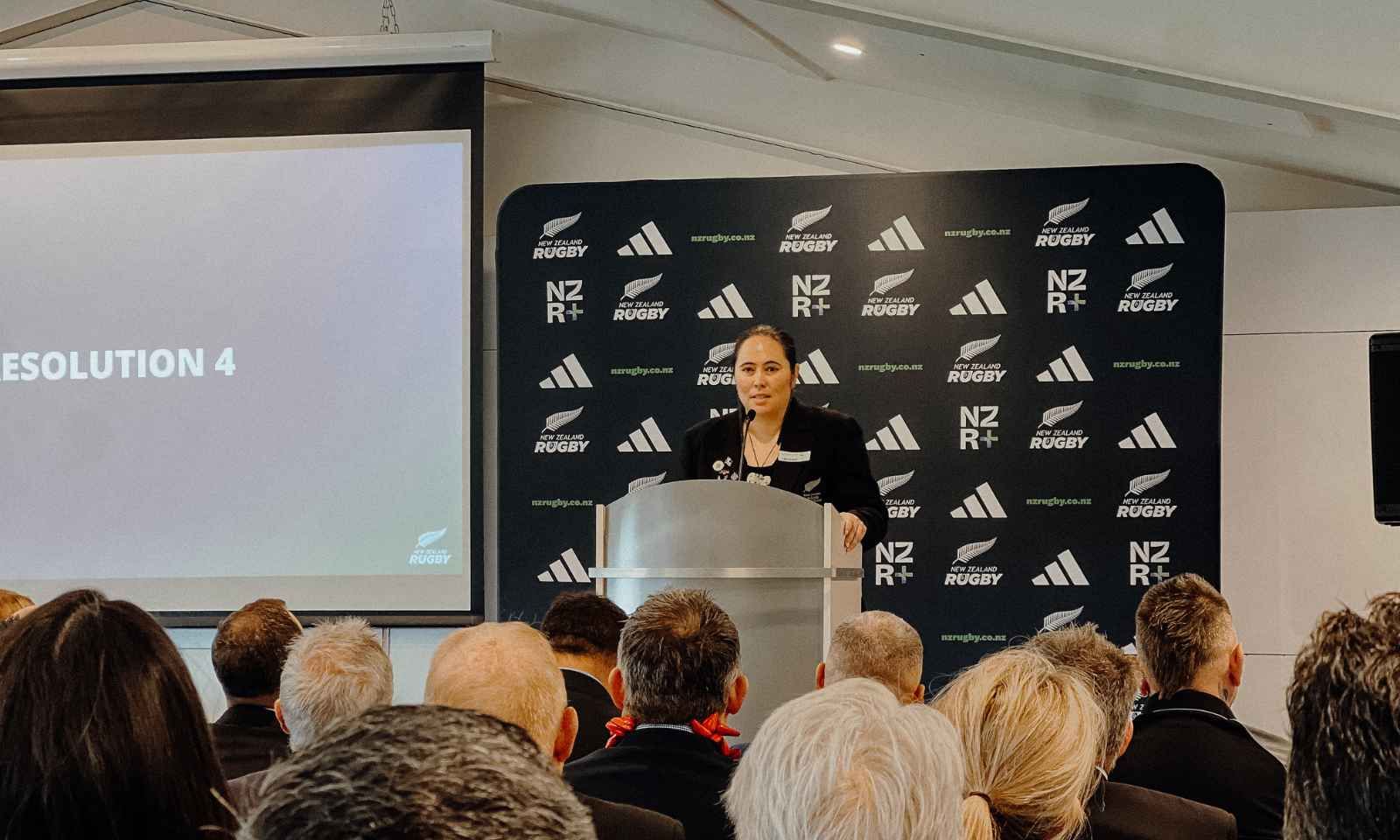
Chair of the New Zealand Rugby Māori Board, Anne-Marie Jackson. Photo/PMN News
While details of the issues remain private, Luyten says constructive discussions between both councils helped rebuild understanding.
“What was good is we met up with them in June and September and we had some more talanoa [talks] around everything. I think for them it was more around the larger issues around the voting numbers.
“But as is anything, we have to be able to agree to disagree in a positive, professional, and respectful way. And I think Maori, as far as I understand, may have abstained but we haven’t been notified.”
The decision has also been acknowledged by World Rugby’s Women’s section, highlighting the potential impact on shaping the future of Pacific rugby in New Zealand.
“In maybe 50 years when we’re not here, this will always be around as an organisation, that they are able to be a voting member and contribute to New Zealand Rugby completely,” Luyten says.
She thanked all who supported the campaign, including former All Black Eroni Clarke, Horowhenua Kapiti CEO Corey Kennett, and chair John Cribb, who brought the motion forward.
“Everyone is just so excited, and the provincial union chairs who have been voted in support have been absolutely amazing… I’m just so excited and so pleased for the future of our kids.”
Listen to Pauline Luyten's full interview below