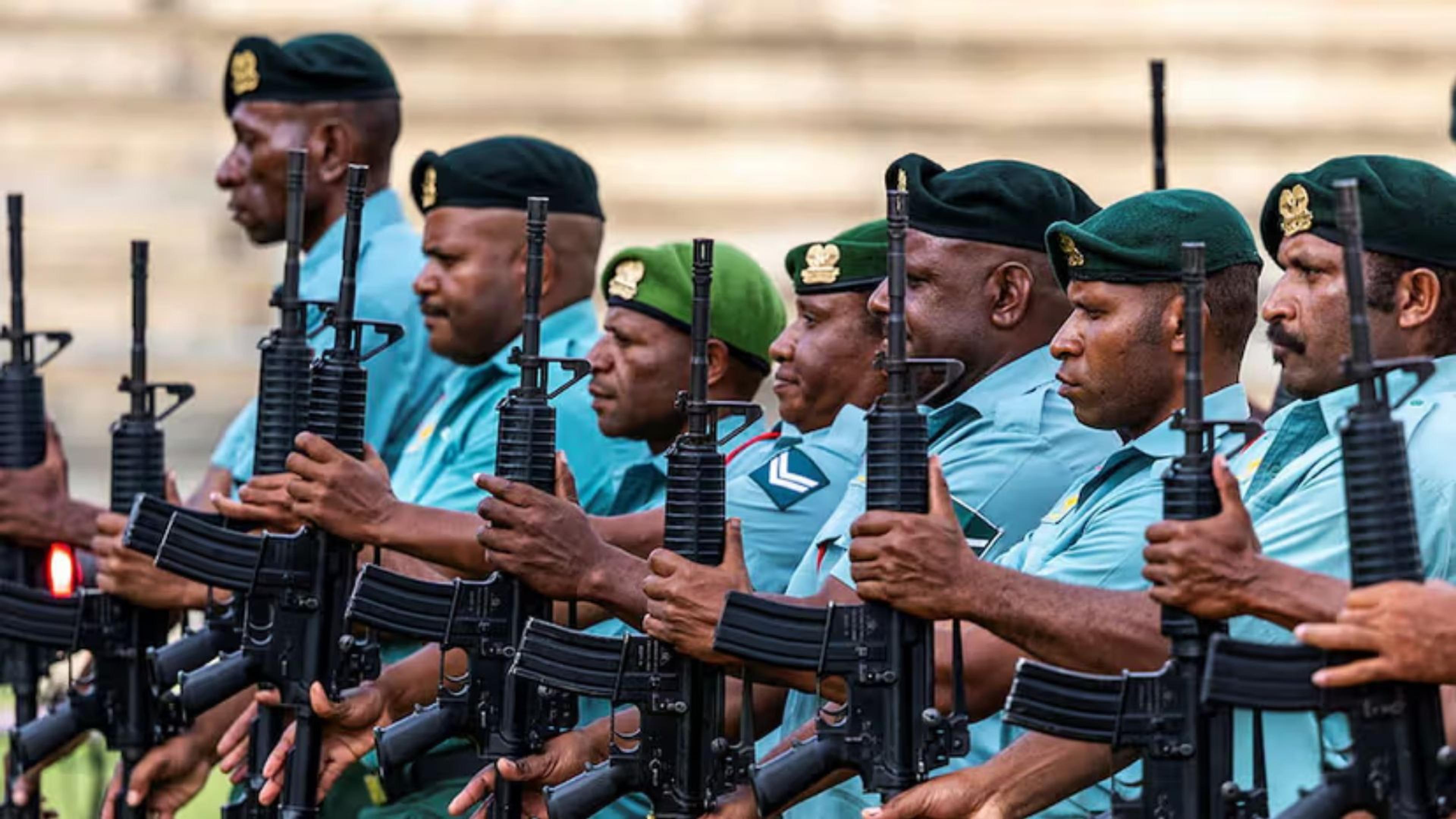
Papua New Guinea Defence Force personnel during training exercises. The Pukpuk Treaty will strengthen cooperation between the PNG Defence Force and Australian Defence Force through greater joint training, capability building and support for PNG’s sovereign defence capacity.
Photo/Australian Department of Defence/CPL Jack Pearce
Politics
PNG enters historic defence alliance with Australia as leaders pledge Ocean of Peace
Prime Minister James Marape says the agreement is a sovereign decision that will strengthen regional security while protecting PNG's independence.

PMN News
Published
08 July 2026, 8:24pm
Share
Copy Link
Top stories
From Ōtara, NZ to Los Angeles: David Liti lifts up the next generation
Elton Lonaratha JnrMon, 19 Oct
Top stories
From Ōtara, NZ to Los Angeles: David Liti lifts up the next generation
Elton Lonaratha JnrMon, 19 Oct
Papua New Guinea (PNG) has formally entered its defence alliance with another country, marking a major moment in its security relationship with Australia.
PNG Prime Minister James Marape and Australian Prime Minister Anthony Albanese confirmed the Pukpuk Treaty came into force during their annual leaders' meeting in Brisbane on Wednesday.
In Papua New Guinea, pukpuk is the Tok Pisin (Pidgin) word for crocodile. The treaty is named after the crocodile, meant to symbolise guardianship, strength and resilience.
The agreement makes Papua New Guinea and Australia formal defence allies while both leaders stressed the treaty respects PNG's sovereignty and supports their shared vision of keeping the Pacific an "Ocean of Peace".
The treaty is PNG’s first alliance with another country and Australia’s first formal alliance in more than 70 years.
Marape described the agreement as PNG's sovereign choice, saying the country's Defence Force would remain under its own command while working more closely with Australia on regional security.
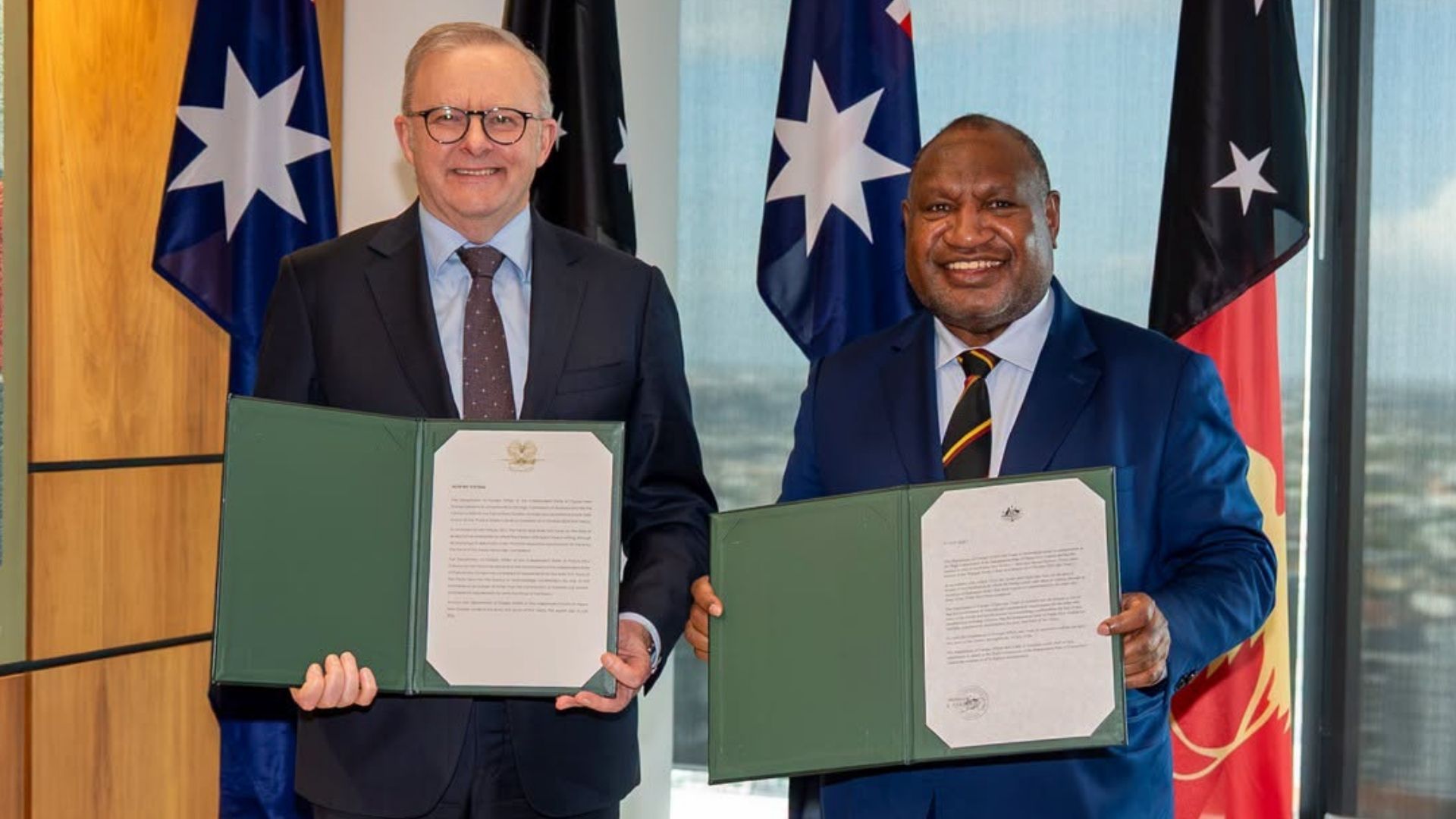
Australian Prime Minister Anthony Albanese and Papua New Guinea Prime Minister James Marape have secured a formal defence alliance between the two countries. Photo/Australia govt
The treaty commits both countries to consult and cooperate if either nation faces an armed attack while expanding defence training, joint exercises and capability building between the Australian Defence Force and the PNG Defence Force.
In a joint statement, the leaders said they rejected "actions that were destabilising and which undermined the peace, security and stability of the Pacific", while reaffirming their commitment to a Pacific-led approach to regional security.
The agreement also opens the way for greater cooperation beyond defence.
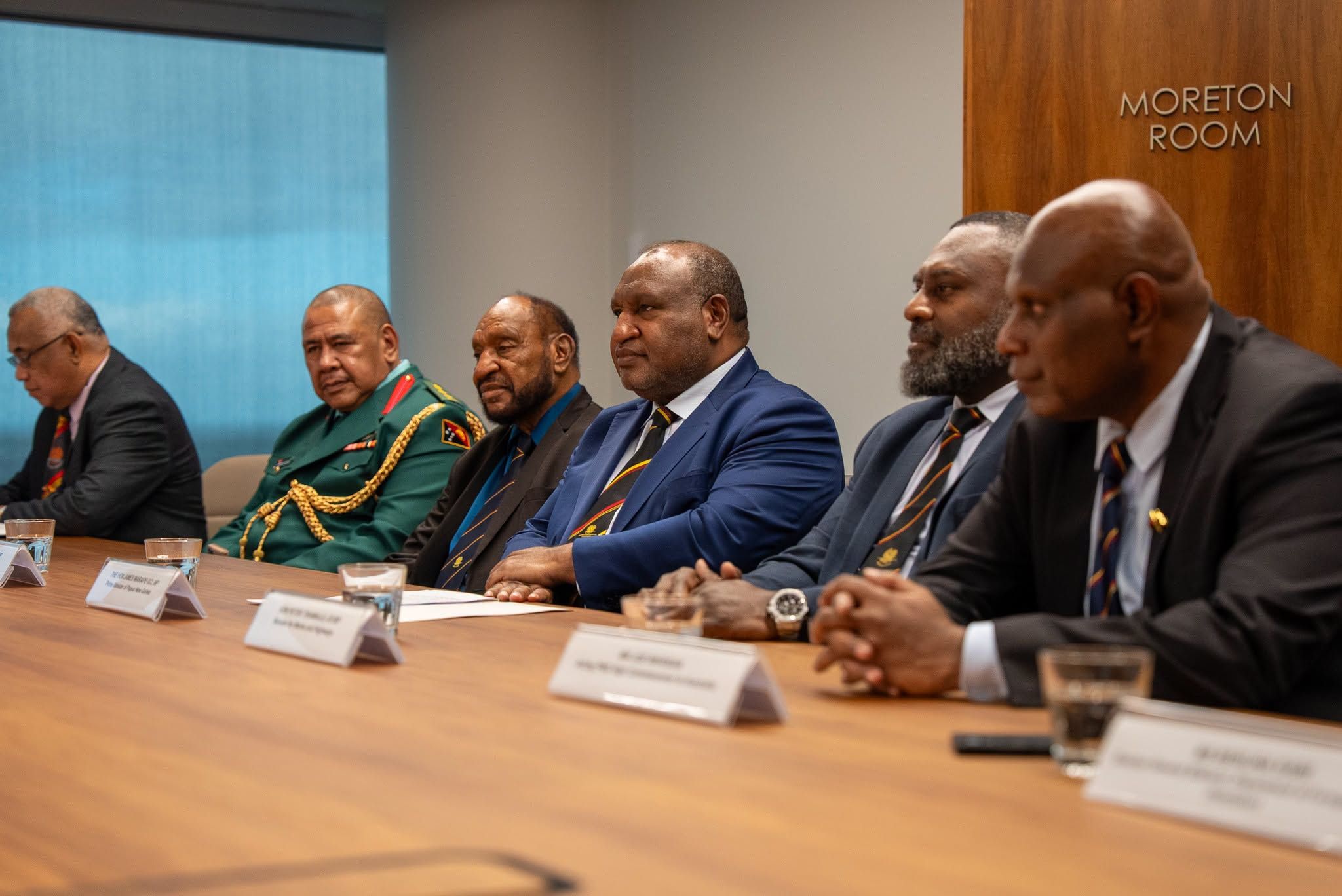
Papua New Guinea Prime Minister James Marape and his delegation at the Australia-Papua New Guinea Leaders’ Meeting in Brisbane, where the two countries marked the entry into force of the historic Pukpuk Treaty and discussed security, development and regional cooperation. Photo/Australian govt
The leaders announced plans to expand recruitment opportunities for PNG citizens into the Australian Defence Force, strengthen disaster response, improve policing cooperation and continue major investment in roads, ports, telecommunications and health services.
Marape welcomed Australia’s support following Tropical Cyclone Maila in April and said closer cooperation would help strengthen Papua New Guinea’s security and resilience.
The leaders also reaffirmed their commitment to the Pacific Islands Forum as the region's main political body, saying Pacific nations should continue leading decisions affecting the region.
Climate change also featured strongly in the talks with both leaders agreeing it remains one of the greatest security challenges facing Pacific countries.
Watch James Marape's full interview with the ABC in October 2025 on a defence treaty with Australia.
They pledged to work together ahead of the Pacific Islands Forum Leaders Meeting in Palau next month and the Pre-COP climate meeting later this year to push for stronger Pacific-led climate action and better access to climate finance.
The Brisbane meeting was part of a series of bilateral talks Albanese held with Pacific leaders, including the Tonga Prime Minister Lord Fakafanua and Sāmoa Prime Minister Laaulialemalietoa Leuatea Polataivao Schmidt.