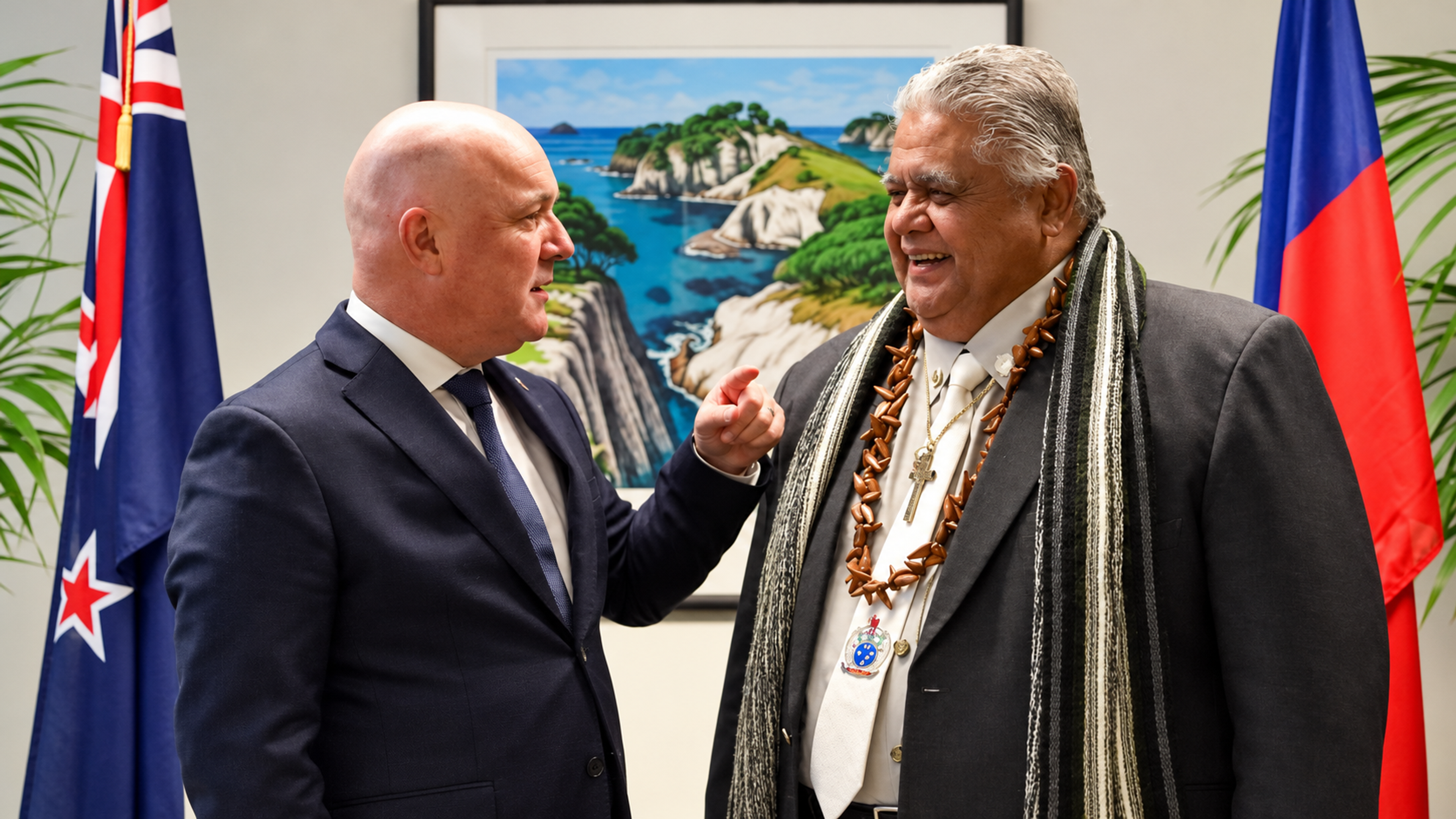
Sāmoa treaty dispute with Luxon 'blown up' by media, says community leader
PMN NewsTue, 27 Oct
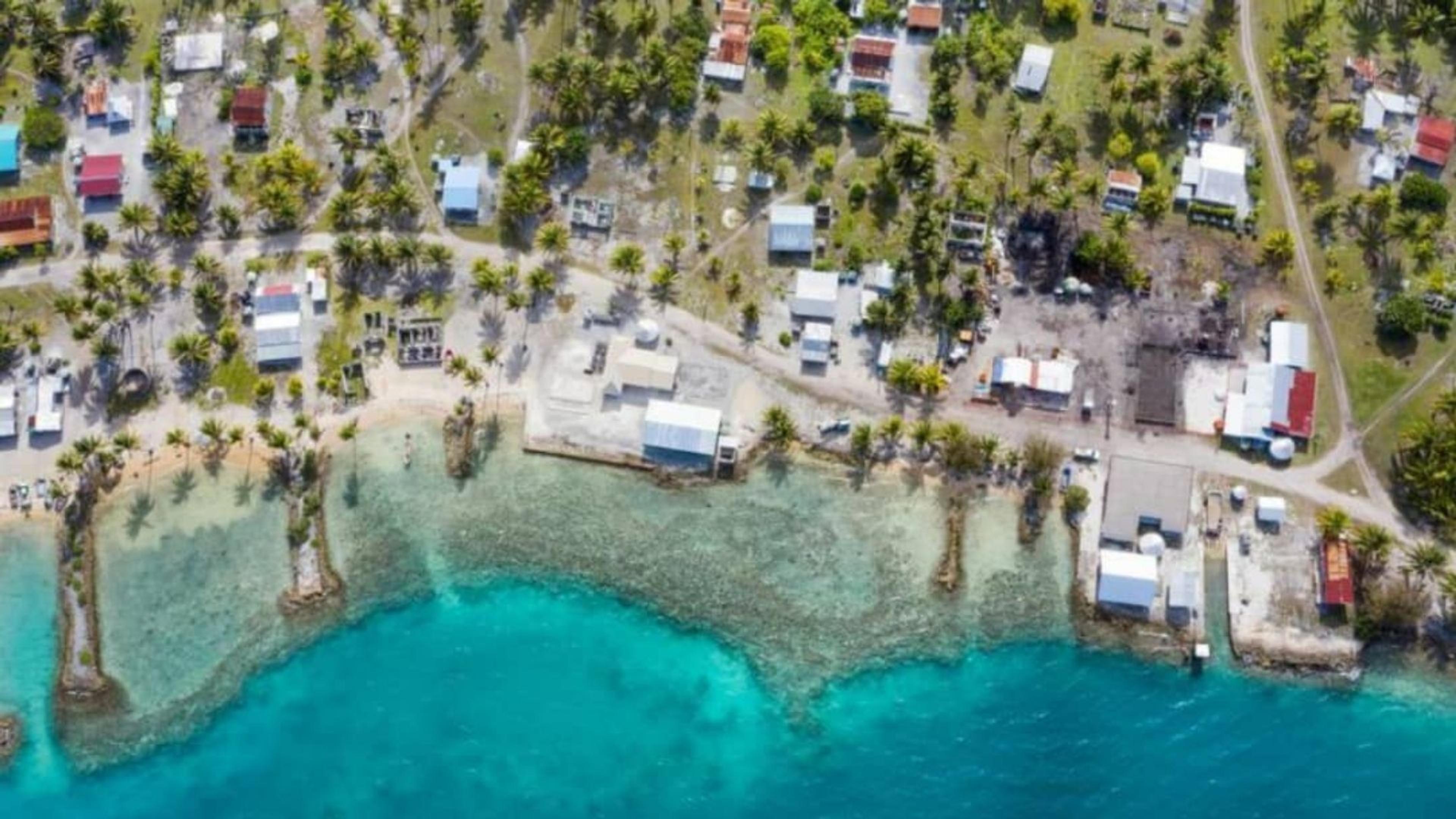
Penrhyn’s port, also known as Tongareva, is set for a major upgrade backed by the United States and New Zealand.
Photo/Cook Islands Tourism/Tayla Beddoes
Al Gillespie says ports, airports and wharves can take on a military role as outside powers compete for a stronger foothold in the Pacific.



The planned upgrade of Penrhyn’s port in the northern Cook Islands is putting a new focus on what happens when Pacific infrastructure serves both civilian and military interests.
The United States has said it is open to a military presence being part of the port development, which adds a new layer to the project already agreed between the Cook Islands, New Zealand and the US.
Al Gillespie, an international law expert, says Penrhyn is an example of what is known as “dual use” infrastructure.
“There's a lot of what we call it dual use material or dual use infrastructure," he told William Terite on Pacific Mornings.
"And you can think of things like wharves and airports or ports. And they've got a task that can be both civilian and military.”
The US and New Zealand announced their partnership with the Cook Islands at the Pacific Islands Forum leaders summit in Palau earlier this month.
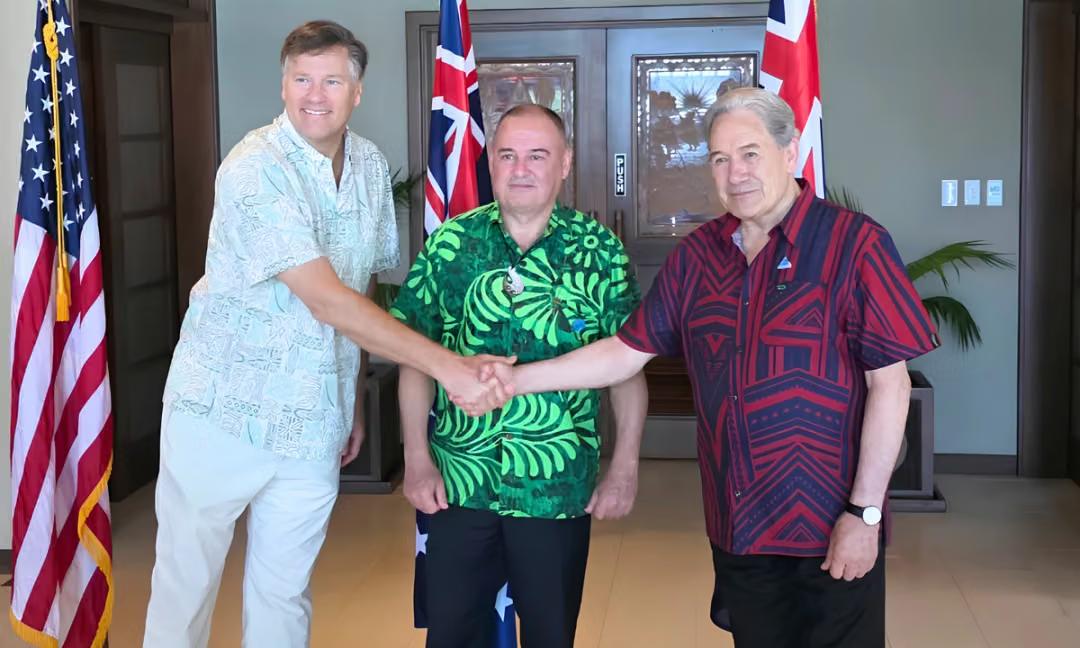
From left, US Deputy Secretary of State Christopher Landau, Cook Islands Prime Minister Mark Brown, and New Zealand Foreign Minister Winston Peters announce the Penrhyn port project in Palau. Photo/PMN News/Thomas Tarurongo Wynne
The project is expected to improve the port on Penrhyn, also known as Tongareva, making it easier to move people and goods between the remote atoll and the rest of the Cook Islands.
New Zealand Foreign Minister Vaovasamanaia Winston Peters says: “This is a positive and hugely significant initiative that demonstrates the strength of New Zealand’s partnerships with both the Cook Islands and the United States.”
Prime Minister Mark Brown has described the port as “a lifeline for Tongareva”, saying the upgrade will support the movement of fuel, food and building materials and improve connections with other islands.
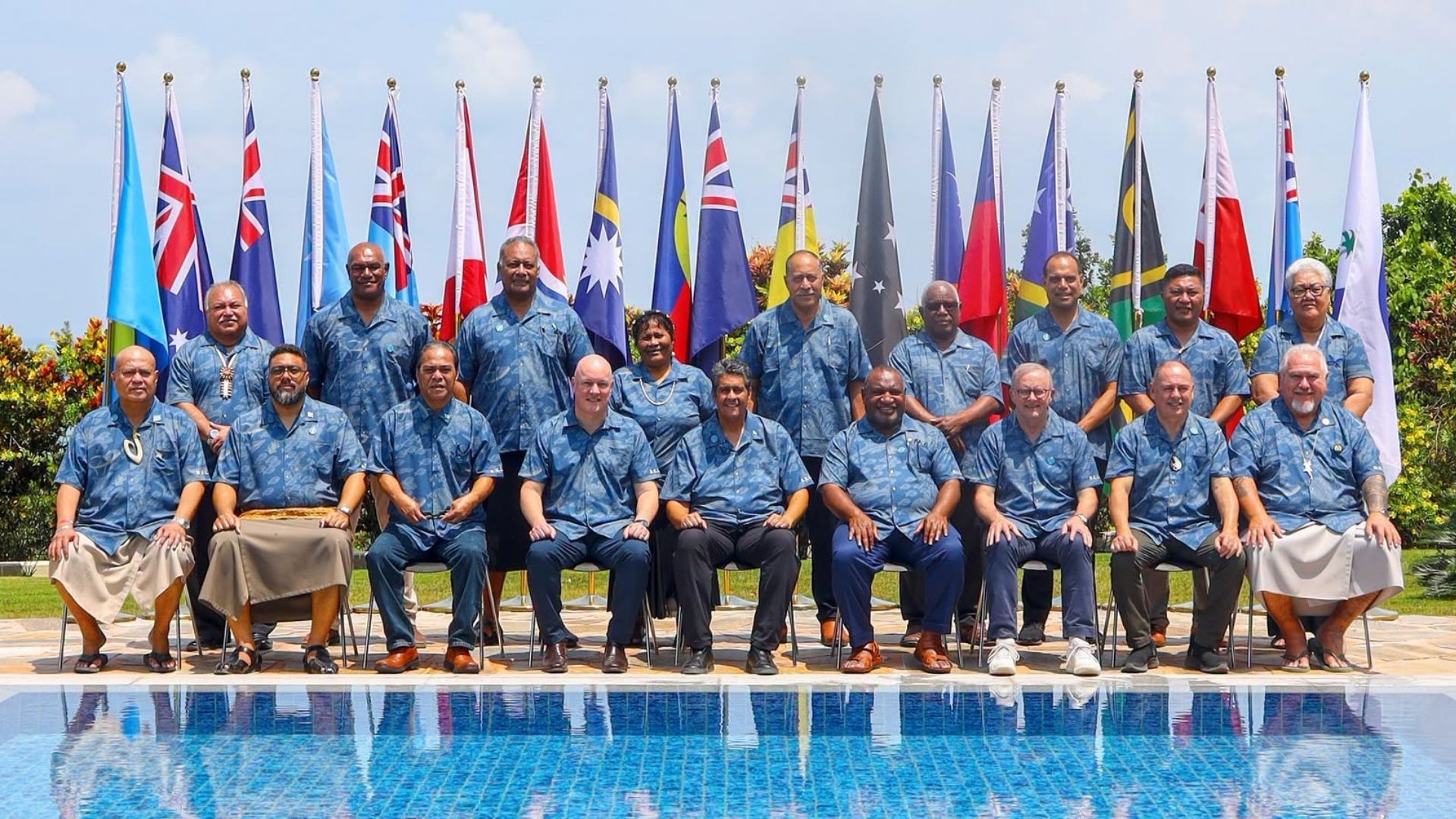
Pacific leaders gather in Palau for the 55th Pacific Islands Forum Leaders Meeting, where the Penrhyn port project was announced. Photo/Pacific Islands Forum
“This port is a lifeline for Tongareva allowing for safer landings, better access to services, and stronger connections between our Pa Enua and the world," Brown said.
"This wharf upgrade complements our new domestic shipping investments and our own efforts in improving transport connections for our Pa Enua," Brown said.
The United States has committed US$50 million (NZ$86.99 million) while New Zealand is putting in NZ$17.5m (US$10m) . A feasibility study is now being carried out before the next stages of the project.
The US has presented the project as part of its wider engagement with the Cook Islands and Pacific development, while also saying it is open to a military presence at the port.
US Deputy Secretary of State, Christopher Landau, said the project would strengthen Washington's relationship with its Pacific partners.
“Through transformational infrastructure initiatives such as this, we are making the United States and our partners safer, stronger and more prosperous.”
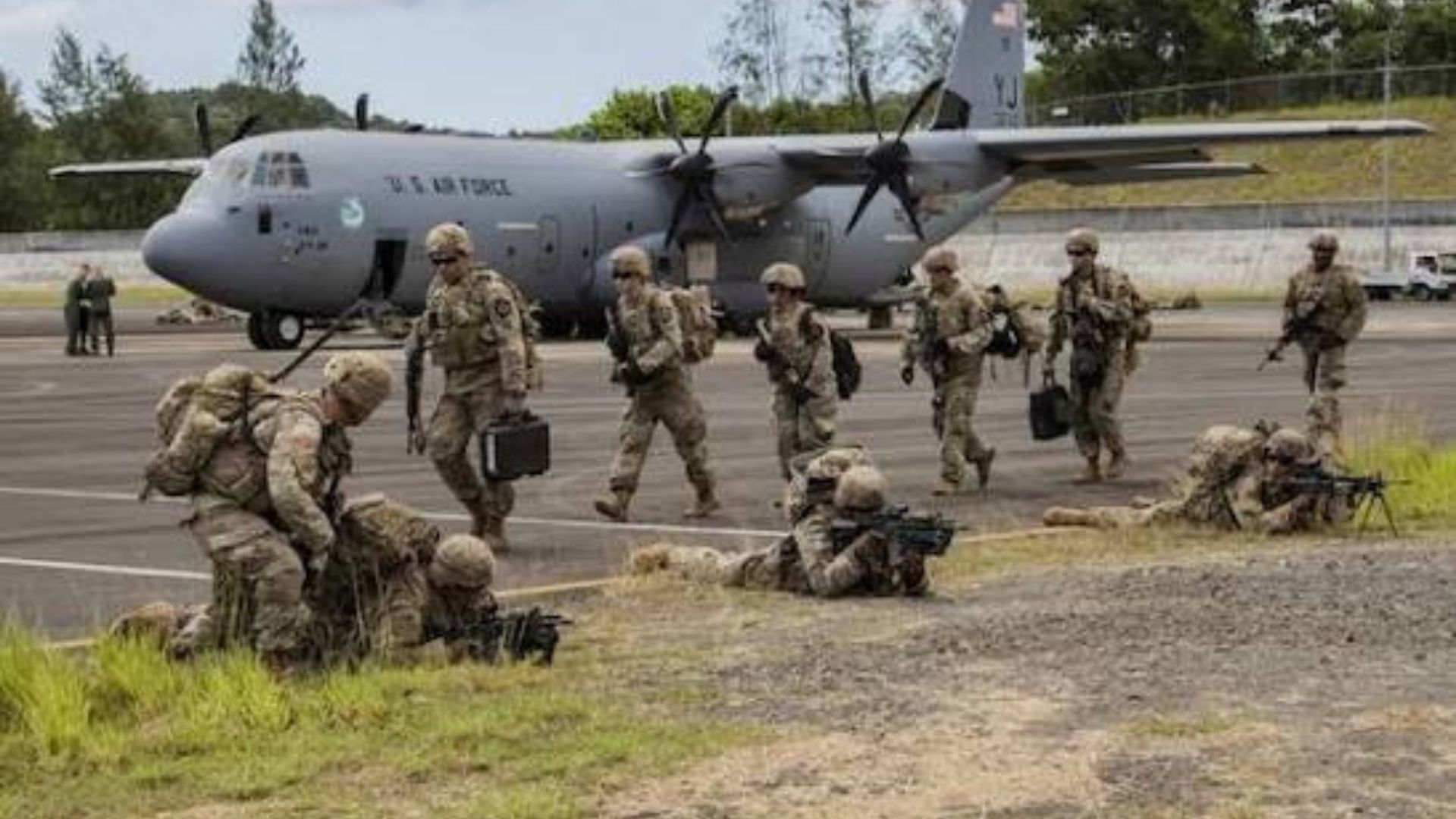
US military personnel during an exercise in the Pacific. The Penrhyn port upgrade has raised questions about the potential military use of infrastructure funded through international partnerships. Photo/Facebook/Joint Region Marianas
But Gillespie says civilian and military uses can become difficult to separate when Pacific countries need outside funding for major infrastructure.
“In theory, you want to keep them separate. But in reality, they often get merged because the countries need the money for the development and they'll often turn a blind eye to its other purpose.”
He says the issue is bigger than Penrhyn itself.
“It's one piece of a much larger strategy. But it's not just the United States. It's also all the other countries in the region that have an interest in trying to maintain a dominance or get position.”
The comments come as the US, China, Australia and New Zealand continue to deepen their security and development engagement across the Pacific.
Gillespie says Pacific countries should be careful about becoming part of growing military competition.
Listen to Al Gillespie's full interview below.
“The goal, as I've always argued, is that we should be trying to demilitarize and make the Pacific neutral. It's in no one's benefit that it ends up being pieces on a chessboard.”
The Penrhyn project has been presented by the Cook Islands Government as an important development for the remote island.
For the Cook Islands, the project is also part of wider efforts to improve transport links and infrastructure across the Pa Enua.
For Gillespie, however, the growing involvement of outside powers means Pacific countries will need to consider how infrastructure funded through development partnerships could be used in the future.
That question is likely to become more important as the US, China, Australia and New Zealand strengthen their security and development relationships across the region.